What a Heavy-Duty Conveyor Belt Is
A heavy-duty conveyor belt is the load-carrying component built for continuous transport of abrasive, heavy or hot bulk material in mines, coal preparation plants, cement works, power stations and sand and gravel yards. In everyday site language it may simply be called a heavy-duty belt or a high-strength conveyor belt, but the product is the same: a reinforced rubber or PVC/PVG carcass with protective covers, designed to resist cutting, impact and flex fatigue over long runs.
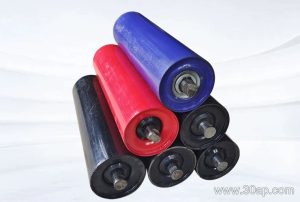
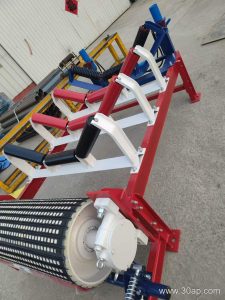
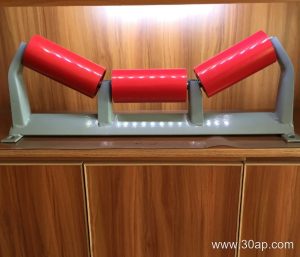
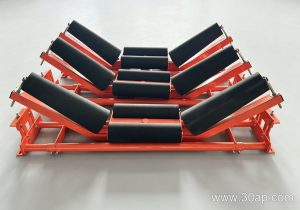
The belt is only one part of the conveyor. It runs over idler rollers that support the load, wraps around conveyor pulleys at the head and tail, and is held in line by conveyor brackets and frames. Each of these parts has its own job, and none should be treated as a substitute for another.
Construction and Common Specifications
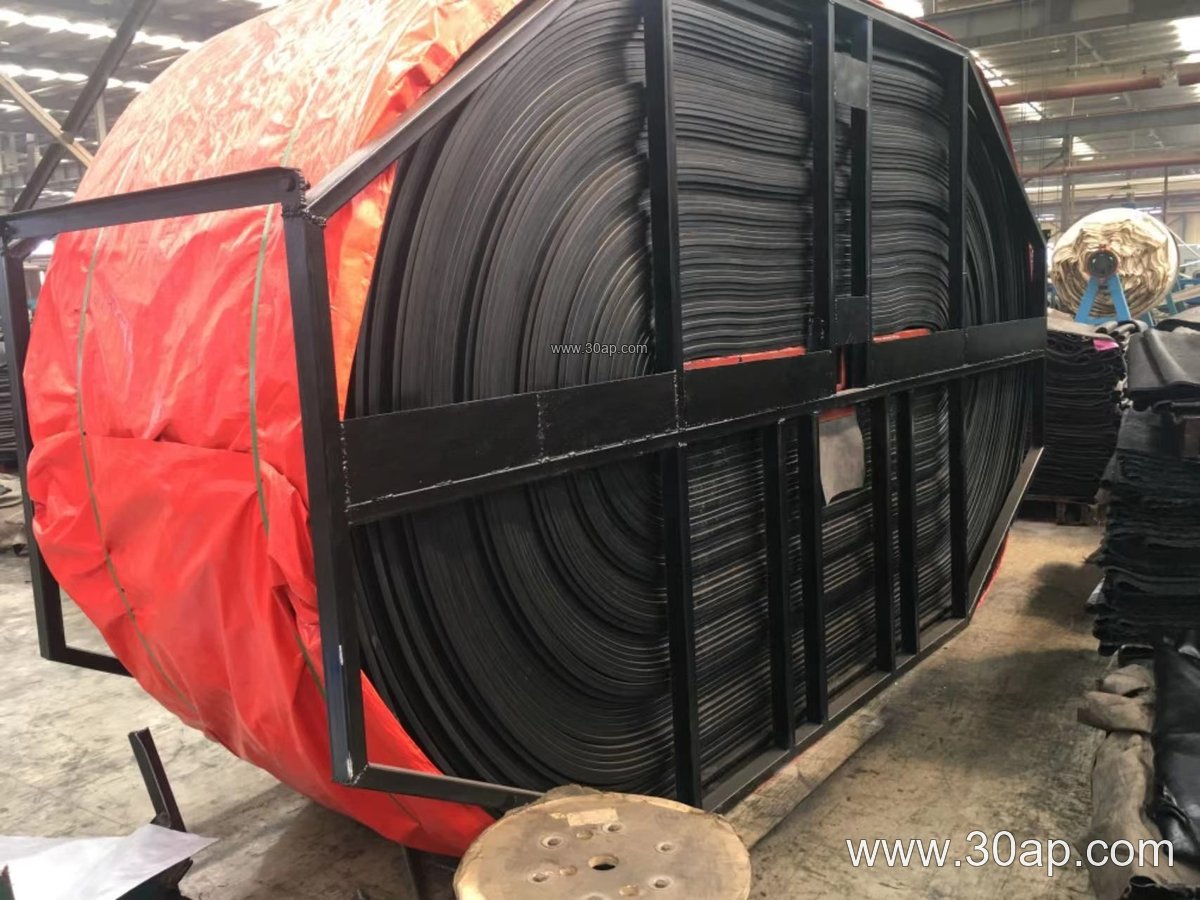
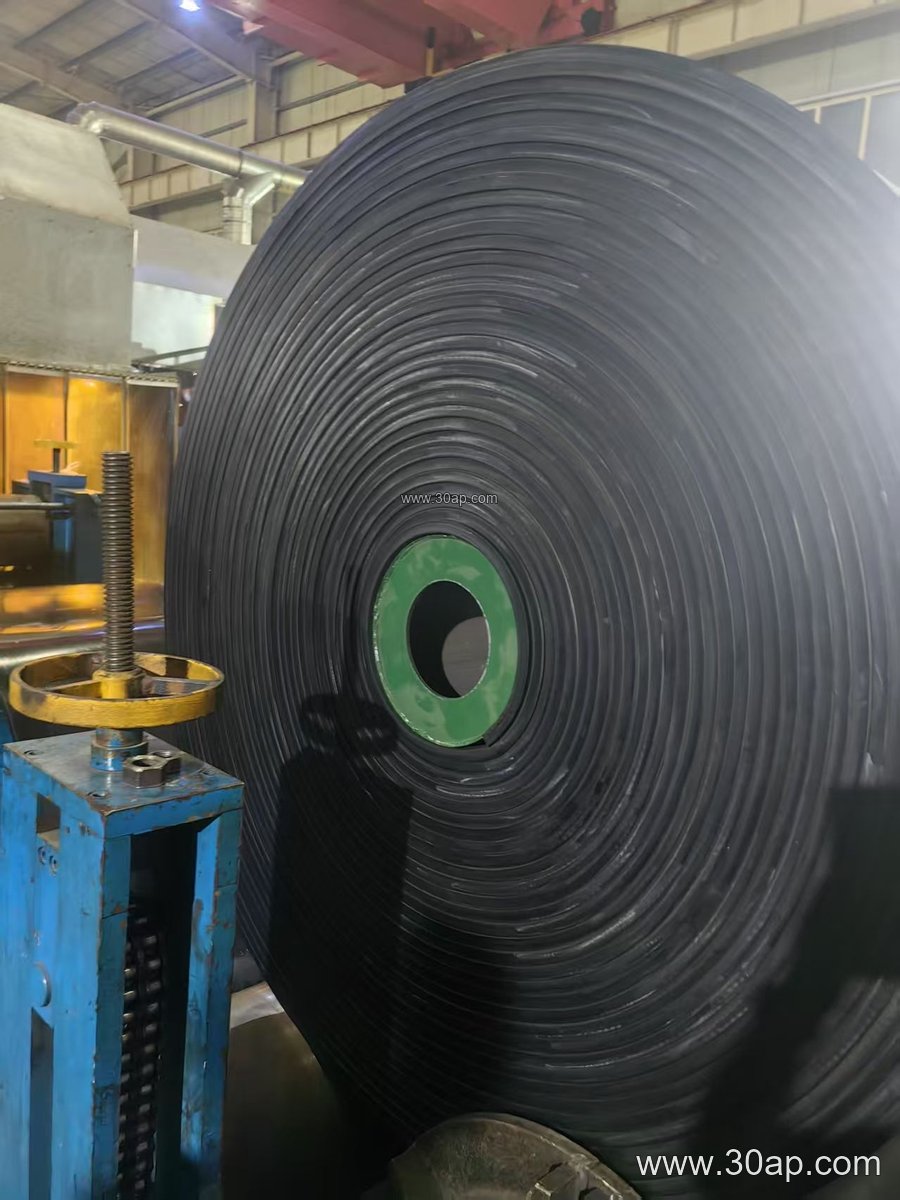
The carcass provides tensile strength and resistance to elongation. Common constructions include EP (polyester-cotton) fabric, NN nylon fabric and steel cord. Cover rubber protects the carcass; typical cover combinations are 3+1.5, 4+2, 5+2, 6+2 and 8+3 mm, with 2 to 6 fabric plies in everyday fabric belts. Values vary between manufacturers and should be confirmed against the design of the individual conveyor.
| Parameter | Typical reference values |
|---|---|
| Belt type | EP, NN nylon, steel cord, PVC, PVG |
| Strength grade | EP200, EP315, EP400, EP500, EP630, EP800, EP1000, EP1250, EP1600, EP2000 |
| Belt width | B500, B650, B800, B1000, B1200, B1400, B1600, B1800, B2000 |
| Cover thickness | 3+1.5, 4+2, 5+2, 6+2, 8+3 mm |
| Fabric plies | Usually 2 to 6 |
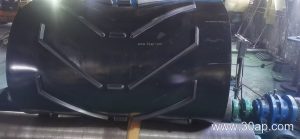
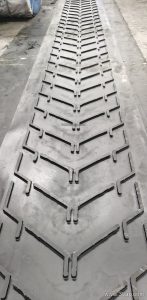
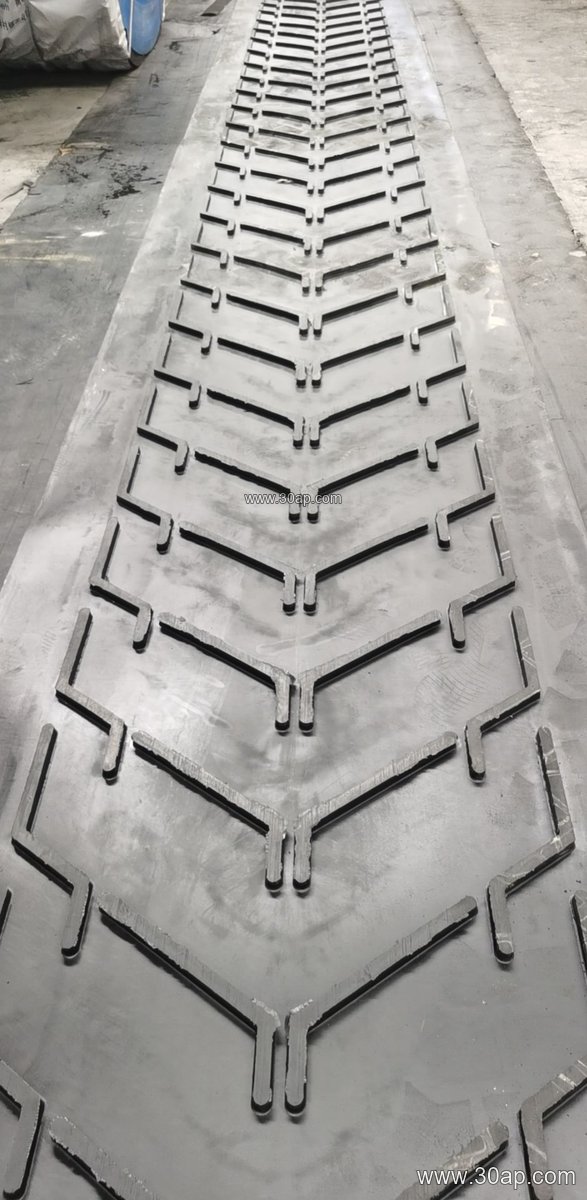
Special grades are chosen for the duty: wear-resistant, heat-resistant, oil-resistant, flame-retardant and antistatic, cold-resistant, acid and alkali resistant, plus patterned, chevron and corrugated sidewall forms where slope or material containment matters.
Where It Works
In a coal mine, a flame-retardant and antistatic belt is often required for underground service. In a cement plant, heat-resistant covers help where clinker is still warm. At a power station, long overland lines carry coal at high tonnage. In a sand and gravel pit, abrasion resistance dominates because sharp stone cuts covers quickly. The same heavy-duty belt concept appears in each case, but the grade, cover and carcass are matched to the duty.
On the conveyor itself, the belt passes over idler rollers in the carrying and return strands. Head and tail pulleys transmit drive and maintain tension, while bend pulleys change direction in take-up arrangements. Drive, tail and bend pulleys are not interchangeable names; each has a distinct function, and the belt tension and wrap angle differ accordingly.
What Buyers Should Check
- Duty and material: lump size, abrasiveness, temperature, oil content and moisture decide the cover grade and carcass type.
- Strength and width: the belt width and strength grade must suit the conveyor design, not be copied from another line. A given width does not fix one pulley diameter; pulley size is set by belt construction, tension and shaft load.
- Safety grades: for underground coal or dusty environments, confirm flame-retardant and antistatic performance with the supplier.
- Pulley and idler compatibility: check conveyor pulley diameters and idler roller spacing against the belt’s minimum bend radius and load support needs.
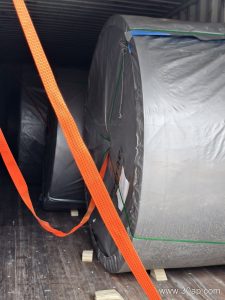
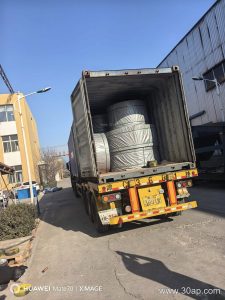
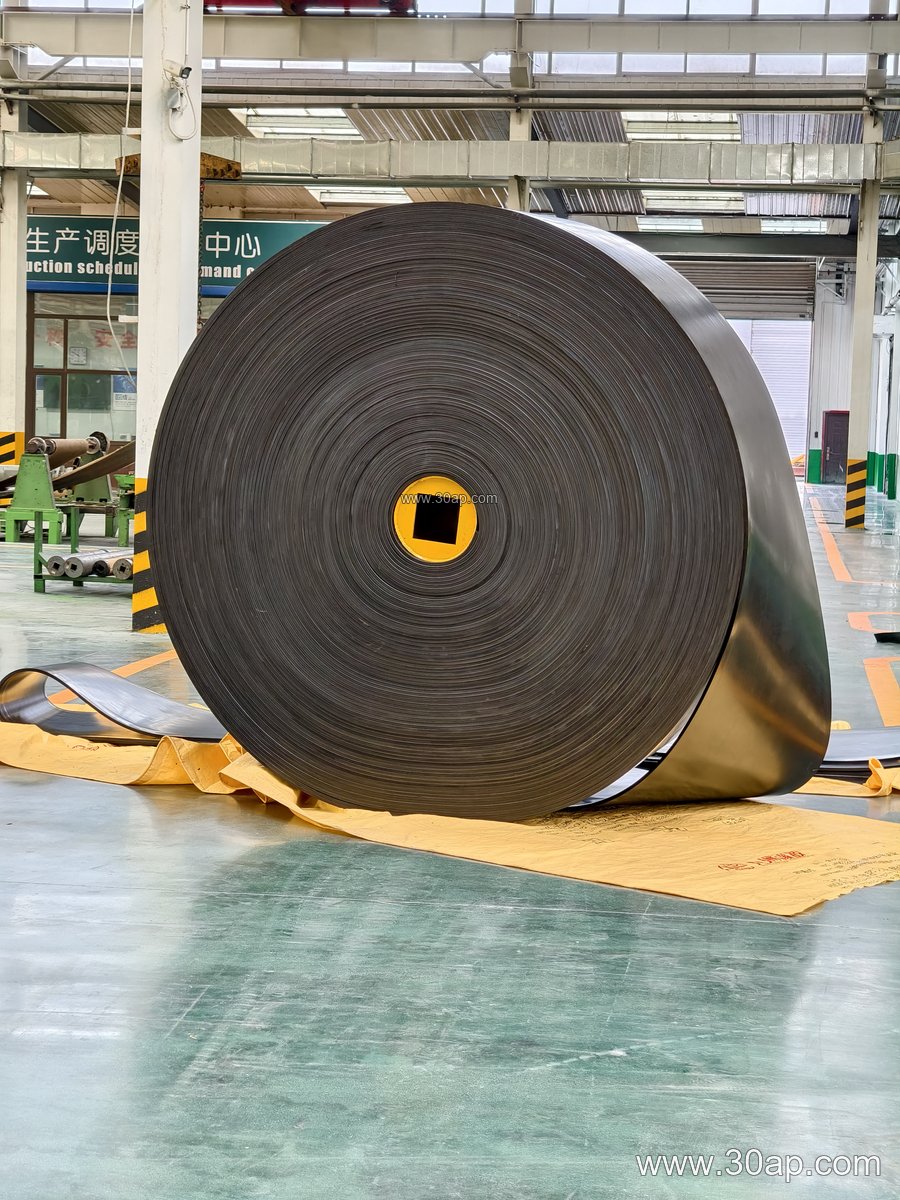
- Splicing and delivery: agree on splice method, roll length and edge condition before ordering.
Installation and Care
Correct alignment at the tail pulley and square frames at the conveyor brackets reduce edge damage. Keep idler rollers turning freely; a seized roller can wear a groove in the cover quickly. Avoid material build-up at transfer points, and inspect covers and edges regularly for cuts and separation. Store spare belt rolls indoors, away from ozone and direct sunlight. Tension should follow the conveyor design, since over-tensioning shortens both belt and pulley bearing life. With the right grade and sensible maintenance, a heavy-duty conveyor belt can serve reliably through years of hard bulk handling.