What a Nylon Idler Is
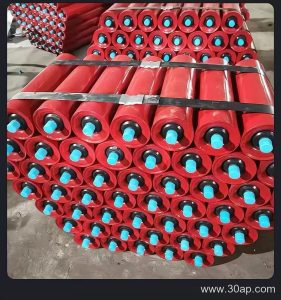
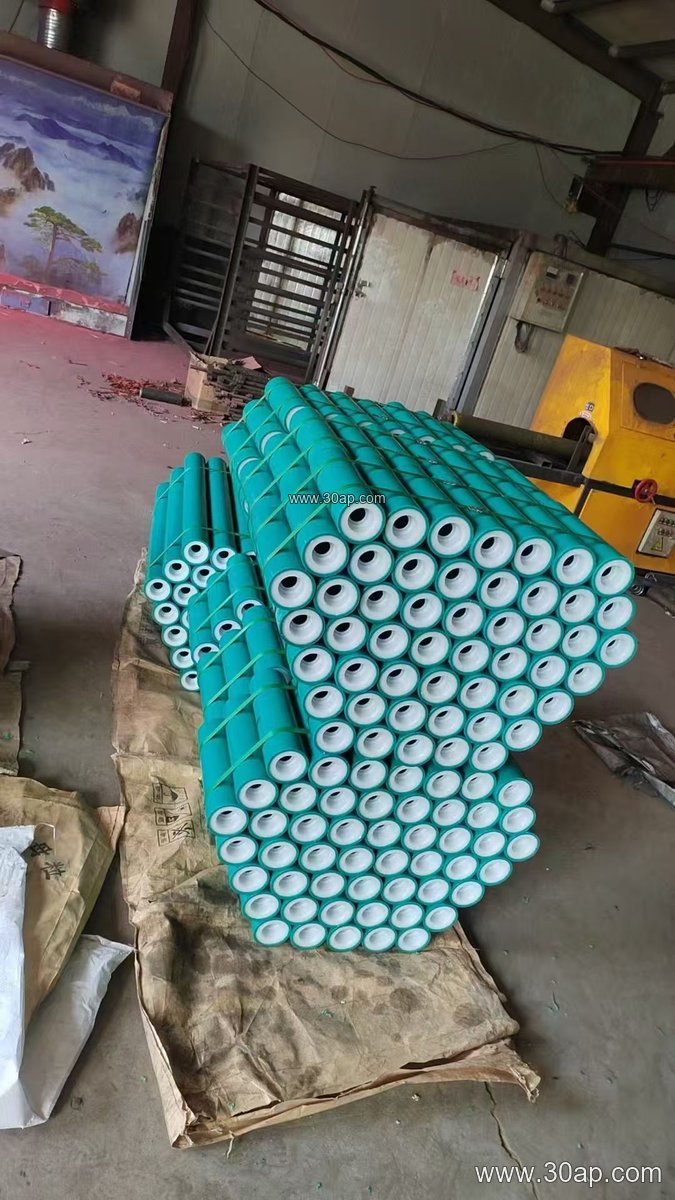
A nylon idler is a conveyor idler roller whose outer shell is made from nylon rather than painted steel, rubber-covered steel, or ceramic. It sits under the belt on a frame and lets the belt travel with less drag, so the same drive can sometimes move a longer line or a heavier load. In a quarry, a coal washing plant, or a cement plant, these rollers are often chosen where sticky material, fine dust, or wet conditions make steel shells wear quickly or build up.
People also call this part a nylon idler roller or a nylon conveyor roller. It is the same product. It is not a drive pulley, a tail pulley, or a bend pulley, and it should not be confused with those drum-type components.
How the Roller Is Built
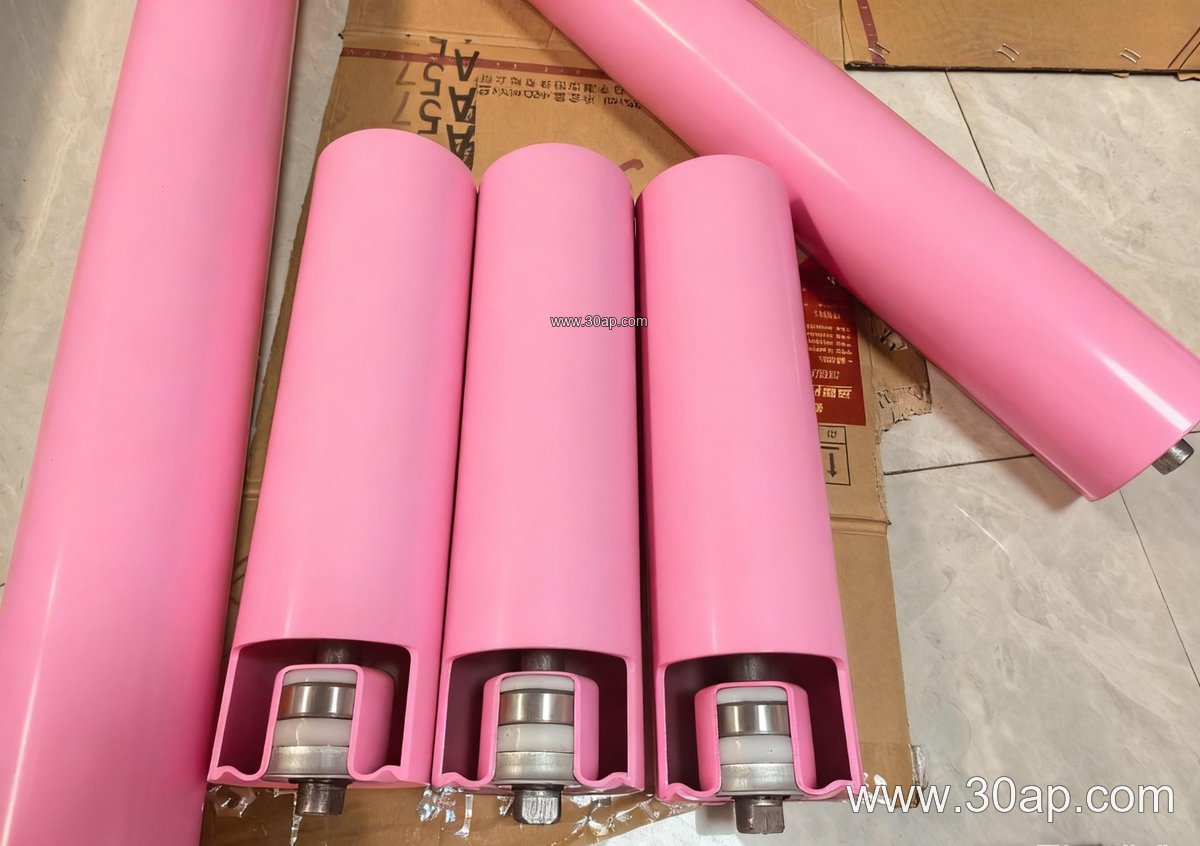
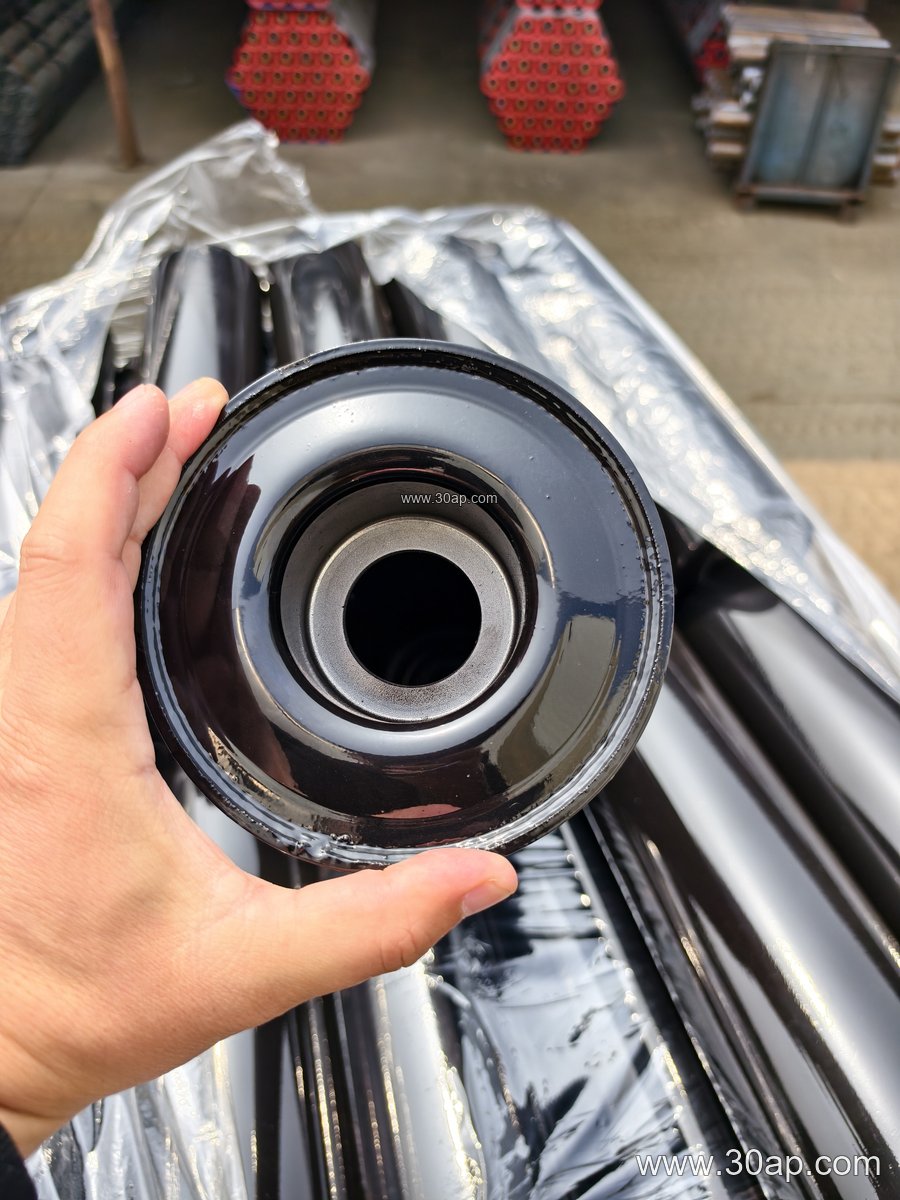
The shell is a nylon tube, usually with a machined or molded surface. Inside, a steel shaft runs through bearings, and seals keep out dust and water. Common bearing sizes for conveyor idlers include 6204, 6205, 6305, 6306, 6308, and 6310, but the bearing is chosen from load and speed, not from belt width alone. The shaft ends fit into a conveyor bracket or frame slot.
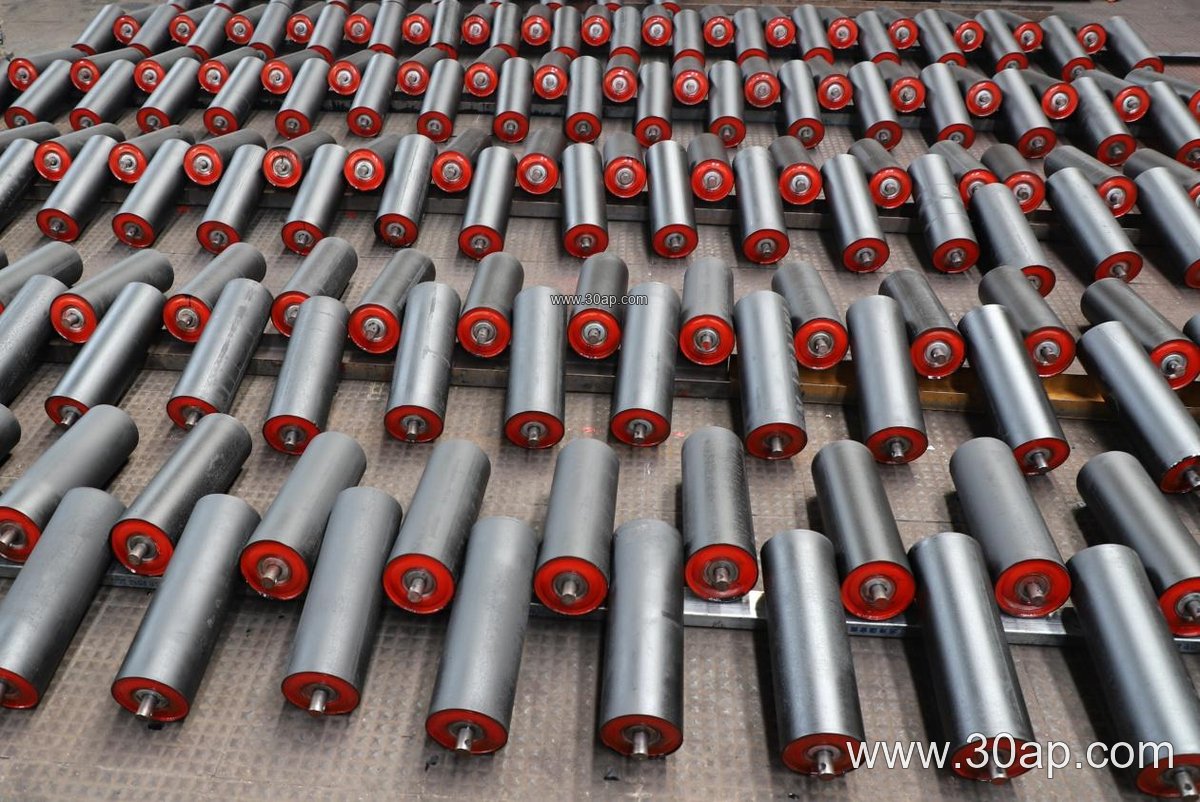
Roller diameter is a separate decision from belt width. Typical diameters run from Ø63 mm and Ø76 mm on small lines up to Ø159 mm, Ø178 mm, and Ø219 mm on heavy-duty sections. A wide belt does not automatically mean one fixed shaft size, and a 1000 mm or 1200 mm belt can be supported by different roller diameters depending on load and spacing.
Where It Fits on the Conveyor
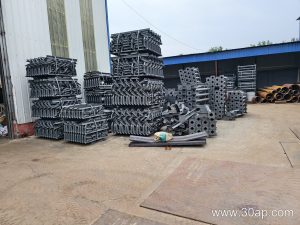
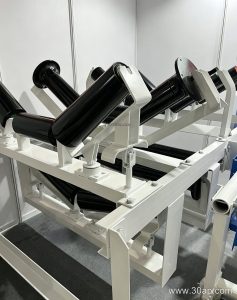
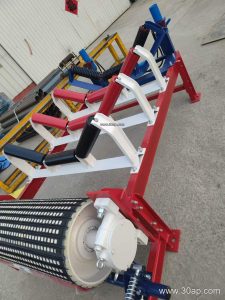
Nylon idlers appear in carrying and return positions. In a three-roll troughing set, the side rollers are set at a trough angle, often 20, 30, 35, or 45 degrees, so the belt forms a channel for bulk material. Return rollers may be flat or V-shaped. When the line runs from a crusher or screen, impact rollers with rubber rings are sometimes used at the load point, while nylon rolls handle the steady run further along.
Industries that use them include sand and gravel lines, iron ore and copper ore handling, power plant coal yards, steel plant sintering, and port ship loading. A food grade conveyor belt or a heat resistant conveyor belt may need a different roller surface, so the belt specification and the idler should be checked together.
Common Dimensions and Arrangement
The table below gives typical reference values, not fixed rules. Roller length changes with belt width, trough angle, and roll position.
| Belt width | Typical roll length in a three-roll troughing set | Roller diameters often used |
|---|---|---|
| B500 | about 200 mm | Ø63, Ø76, Ø89 |
| B650 | about 250 mm | Ø76, Ø89, Ø102 |
| B800 | about 315 mm | Ø89, Ø102, Ø108 |
| B1000 | about 380 mm | Ø102, Ø108, Ø127 |
| B1200 | about 465 mm | Ø108, Ø127, Ø133 |
| B1400 | about 530 mm | Ø127, Ø133, Ø159 |
| B1600 | about 600 mm | Ø133, Ø159, Ø178 |
| B1800 | about 670 mm | Ø159, Ø178, Ø194 |
| B2000 | about 750 mm | Ø178, Ø194, Ø219 |
Side rollers and the center roller can have different lengths. Troughing sets may be single-roll, two-roll, or three-roll, and self-aligning versions use a small forward tilt, commonly about 1.5 to 2 degrees, to help keep the belt centered.
What Buyers Should Check
- Confirm the belt width and the trough angle before ordering a set.
- Match the roller diameter and bearing to the load, speed, and dust level.
- Check that the shaft ends fit the existing conveyor bracket.
- Ask how the seal handles water and fine grit, especially in washing plants and ports.
- Compare nylon with steel and rubber-covered rollers where impact or heat is present.
On a long overland line or an underground coal mining conveyor, the idler choice affects friction and belt life. A nylon idler can be a practical option for low-friction, corrosion-prone, or sticky-material service, provided the surrounding components, including the conveyor pulley and frame, are specified for the same duty.