What a 1500mm Conveyor Belt Is
A 1500mm conveyor belt is a wide belt format built for high-volume bulk handling. With a nominal width of 1500 millimeters, it sits in the wide-belt class, above common 1000mm and 1200mm sizes and below 1800mm and 2000mm designs. You will also see it described as a 1500mm wide conveyor belt. The extra width matters because capacity rises with belt width at a given speed, so a 1500mm belt can move more material than a narrower unit on the same conveyor frame, or run slower for the same throughput.
This width is common in mining, coal preparation, cement plants, power stations, quarries, sand and aggregate yards, steel plants, and port bulk terminals. It is often specified where a single stream carries crushed rock, ore, clinker, or coal at high tonnage.
Construction and Belt Types
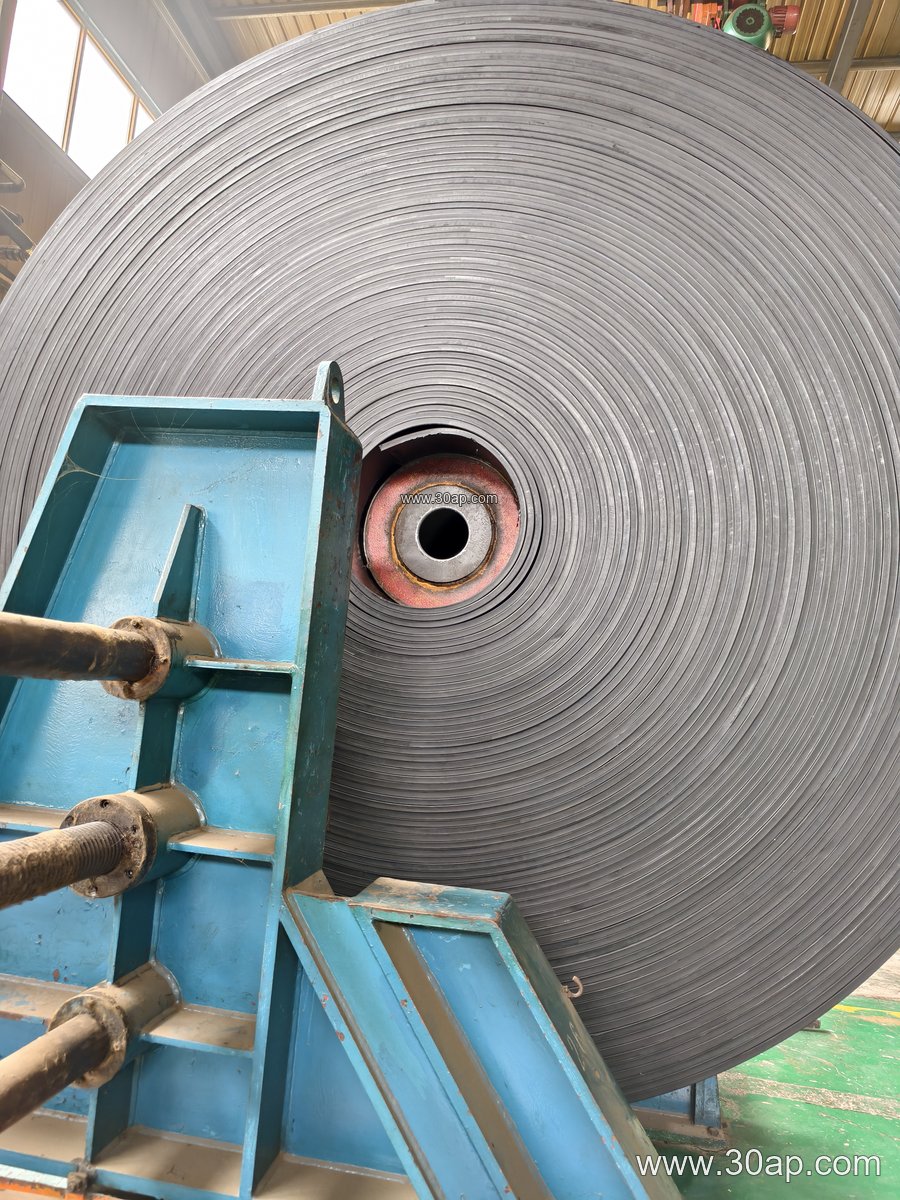
Textile-carcass belts dominate this width class. An EP conveyor belt uses polyester warp and nylon weft; an NN belt uses all-nylon fabric. Both are multi-ply fabric core designs, usually 2 to 6 plies for this width, with rubber covers on both faces. Strength grades such as EP200, EP315, EP400, EP500, EP630, EP800, EP1000, EP1250, EP1600, and EP2000 describe the carcass, not the belt width itself.
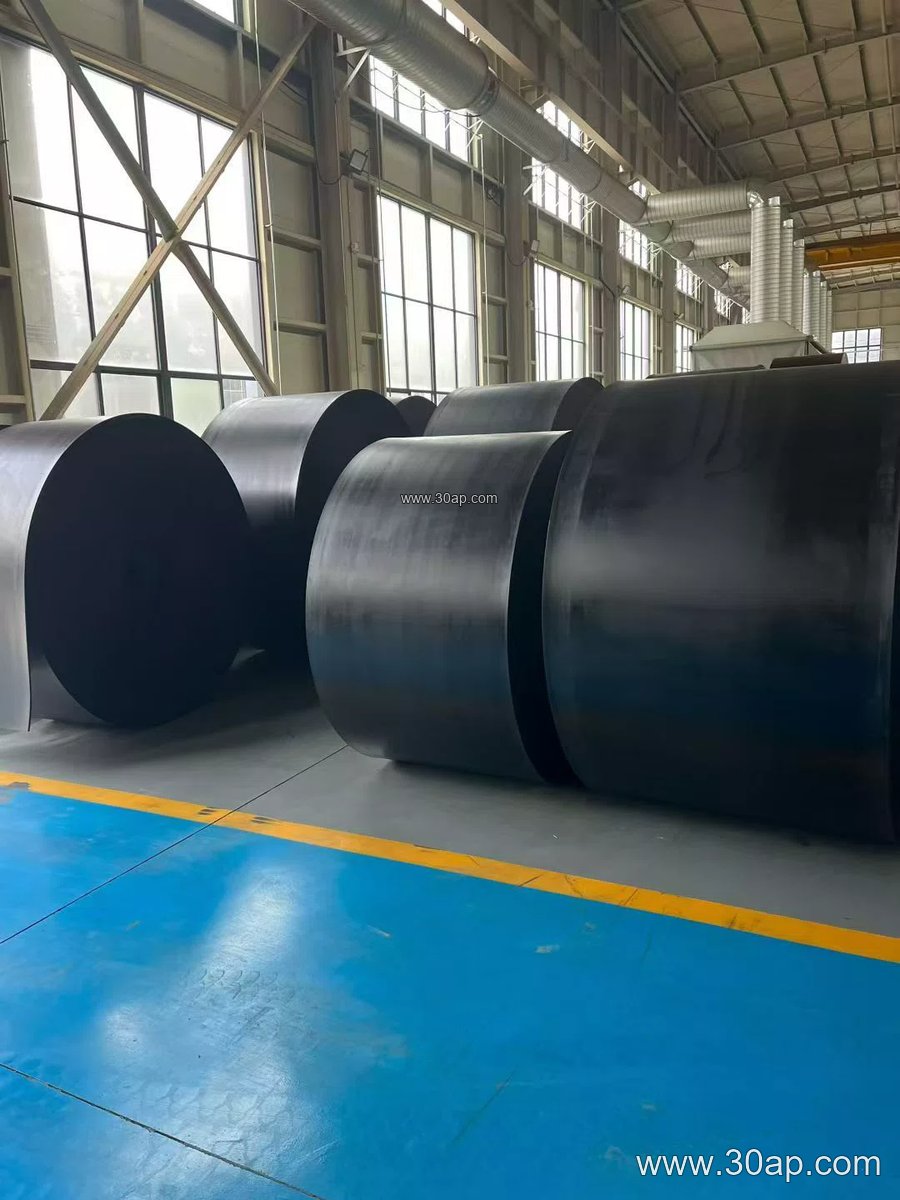
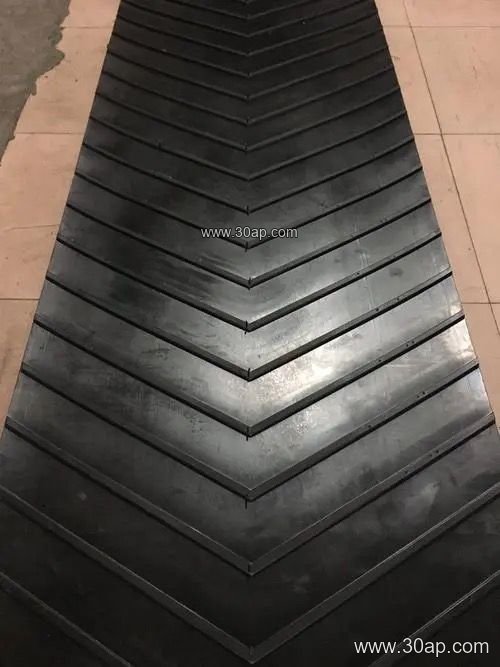
Where tension is very high or the conveyor is long, a steel cord conveyor belt may be chosen. Steel cord belts have a single layer of steel cords instead of fabric plies. Cover rubber is selected for the duty: abrasion resistant, heat resistant, oil resistant, flame retardant, anti-static, cold resistant, or acid and chemical resistant grades. Special profiles include chevron, skirted, corrugated sidewall, and pipe conveyor belt constructions, though these are separate designs rather than plain 1500mm belts.
Typical Reference Parameters
Values below are common references only; final specification is set by the conveyor designer and the belt manufacturer.
- Nominal width: 1500mm (B1500)
- Common carcass grades: EP200 to EP2000, or NN100 to NN400
- Cover thickness examples: 3+1.5, 4+2, 5+2, 6+2, 8+3 mm
- Fabric plies: usually 2 to 6 layers
- Available in endless or open-end form
Where 1500mm Belts Fit
This width suits primary and secondary crushing circuits, stockyard and yard conveyors, and mainline haulage in a mining conveyor belt system. In cement plants it can carry limestone and clinker; in power plants it handles coal; in quarries and sand plants it moves aggregate and crusher discharge. Port and ship loading conveyors also use wide belts where large tonnages must be transferred quickly.
In underground coal mining, flame retardant and anti-static properties are usually required, and PVG or PVC belts may be specified. Those are different carcass types and should not be treated as interchangeable with EP or steel cord belts.
Selection Points for Buyers
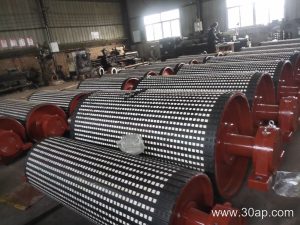
Belt width alone does not define the conveyor. The pulley diameter, shaft size, and take-up arrangement are set by the conveyor design, and a 1500mm belt can run on more than one pulley size depending on tension and duty. Do not assume a fixed shaft diameter from the width.
Check these items before ordering:
- Required tensile strength and safety factor for the conveyor length and incline
- Material lump size and impact load, which affect cover thickness and impact resistance
- Ambient and material temperature for heat or cold resistant grades
- Flame retardant and anti-static requirements for underground or dusty service
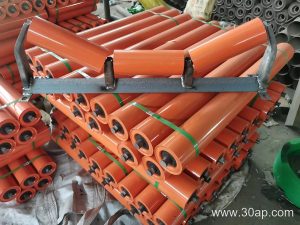
- Pulley diameters, trough angle, and idler roller spacing from the conveyor designer
- Belt splice method: vulcanized endless or mechanical fastening
Installation and Maintenance Notes
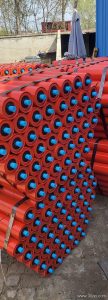
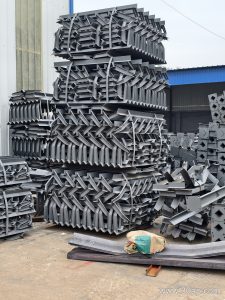
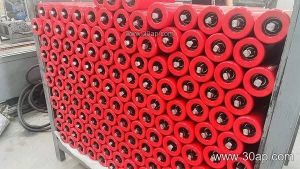
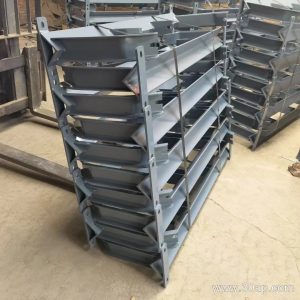
A wide belt needs careful alignment. Check that the conveyor pulley, idler roller frames, and conveyor bracket positions are square before tensioning. Keep the belt centered during the first runs, and retension after the initial break-in period. Inspect covers for cuts and gouges, especially at loading points where impact is high. For a 1500mm wide belt, edge damage is a common failure mode, so check skirt rubber and chute clearances regularly.
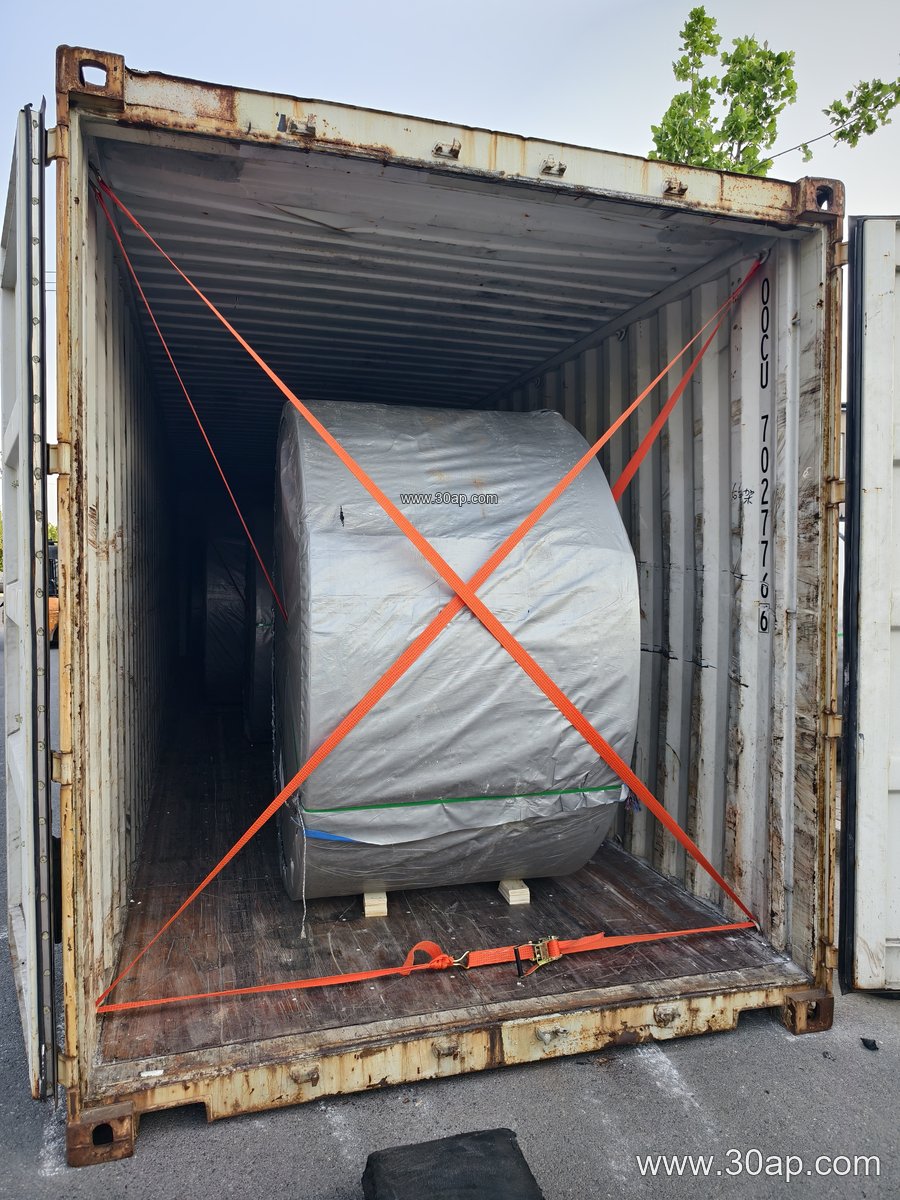
Store spare belts flat and dry, away from sunlight and ozone sources. When replacing a belt, confirm the carcass grade and cover grade match the duty, not just the width. Confirm the belt is supplied as an endless conveyor belt or open length, and confirm splice instructions from the manufacturer.
For a 1500mm conveyor belt, the width is only one part of the specification. Strength grade, cover compound, carcass type, and the surrounding conveyor components all determine whether the belt performs well in a mine, cement plant, power station, or quarry.