What a Self-Cleaning Idler Does
A self-cleaning idler is a carrying or return roller designed to shed material that would otherwise stick to a standard roller surface. On belts moving damp sand, clay-rich ore, washed aggregate, or coal with a high fines content, ordinary rollers gradually build a sleeve of hardened debris. That buildup changes the roll diameter, causes belt tracking problems, and can damage the conveyor belt. The self-cleaning idler keeps the shell clearer by combining a spiraled or segmented roller surface with a support frame that lets fines fall away instead of packing between the roller and the belt.
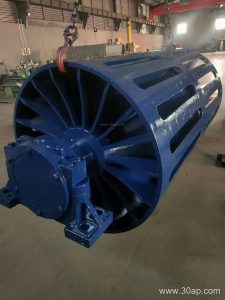
This roller is part of the broader idler roller family, but it should not be confused with a conveyor pulley. Drive pulleys, tail pulleys, and bend pulleys transmit power or change belt direction; they are not interchangeable with any roller type. A self-cleaning roller only supports the belt and reduces carryback accumulation along the carrying or return run.
How the Roller Is Built
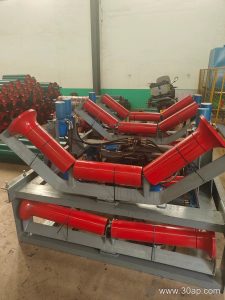
The cleaning action normally comes from the shell design. A common form is the spiral roller, where a raised helix wraps around the tube so that sticky fines are pushed sideways and dropped off the edge rather than pressed into a smooth layer. Some designs use rubber discs or segmented rings spaced along the shaft, which flex slightly and release material as the roller turns. Bearing housings are usually sealed against dust and water, since the same wet conditions that cause buildup also attack bearings.
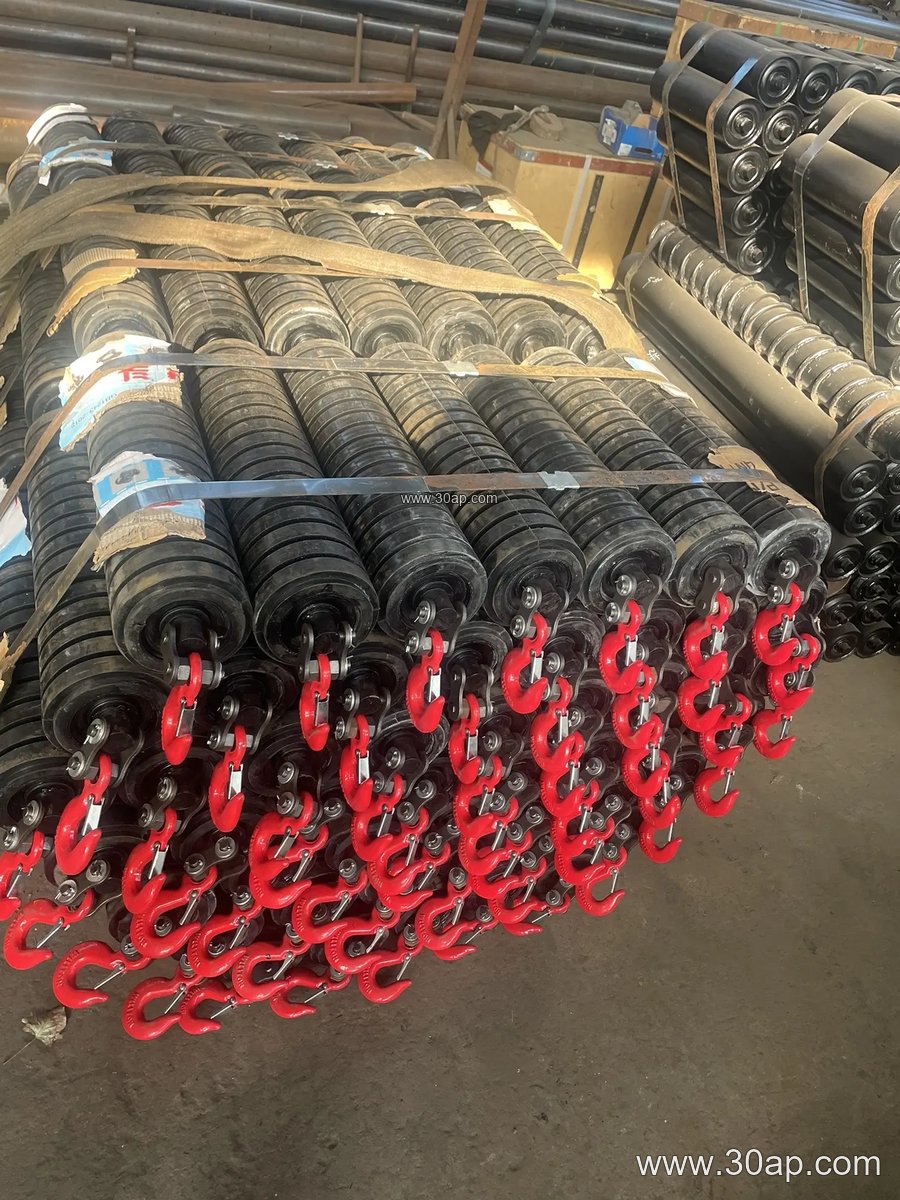
Typical roller diameters for this duty include Ø89, Ø108, Ø127, Ø133, and Ø159 mm, with larger sizes such as Ø178 or Ø194 mm used on heavy belts. Shell materials may be steel tube, nylon, ceramic-coated, or rubber-ringed depending on the abrasiveness of the load. Common bearing sizes include 6204, 6205, 6305, 6306, 6308, and 6310; the bearing is selected from the load and shaft design, not from belt width alone.
Where It Fits on the Conveyor
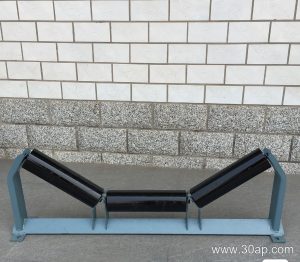
Self-cleaning rollers are most often placed in the return run, where a plain flat return roller collects fines dropped from the carrying side. A V-shaped return set with spiral rollers is a frequent arrangement because it both centers the belt and clears debris. On the carrying side, spiral or disc rollers can be used in transition zones or before a transfer point where wet material tends to cling.
Typical installations include sand and gravel plants, cement plants handling moist raw meal, coal preparation plants, power plant coal handling, and fertilizer or mineral processing lines. In a quarry or aggregate line, a self-cleaning roller under the belt after a wash screen is a practical choice. In a coal yard, the same roller helps where dust and moisture combine into a paste.
Sizing Notes for Buyers
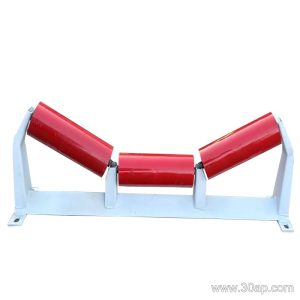
Roller length follows belt width, trough angle, and the roller set form. For a three-roll troughing set, common roller lengths are roughly 200 mm at B500, 250 mm at B650, 315 mm at B800, 380 mm at B1000, 465 mm at B1200, 530 mm at B1400, 600 mm at B1600, 670 mm at B1800, and 750 mm at B2000. These are typical examples only; side rollers and the center roller can differ, and the final length is set by design.
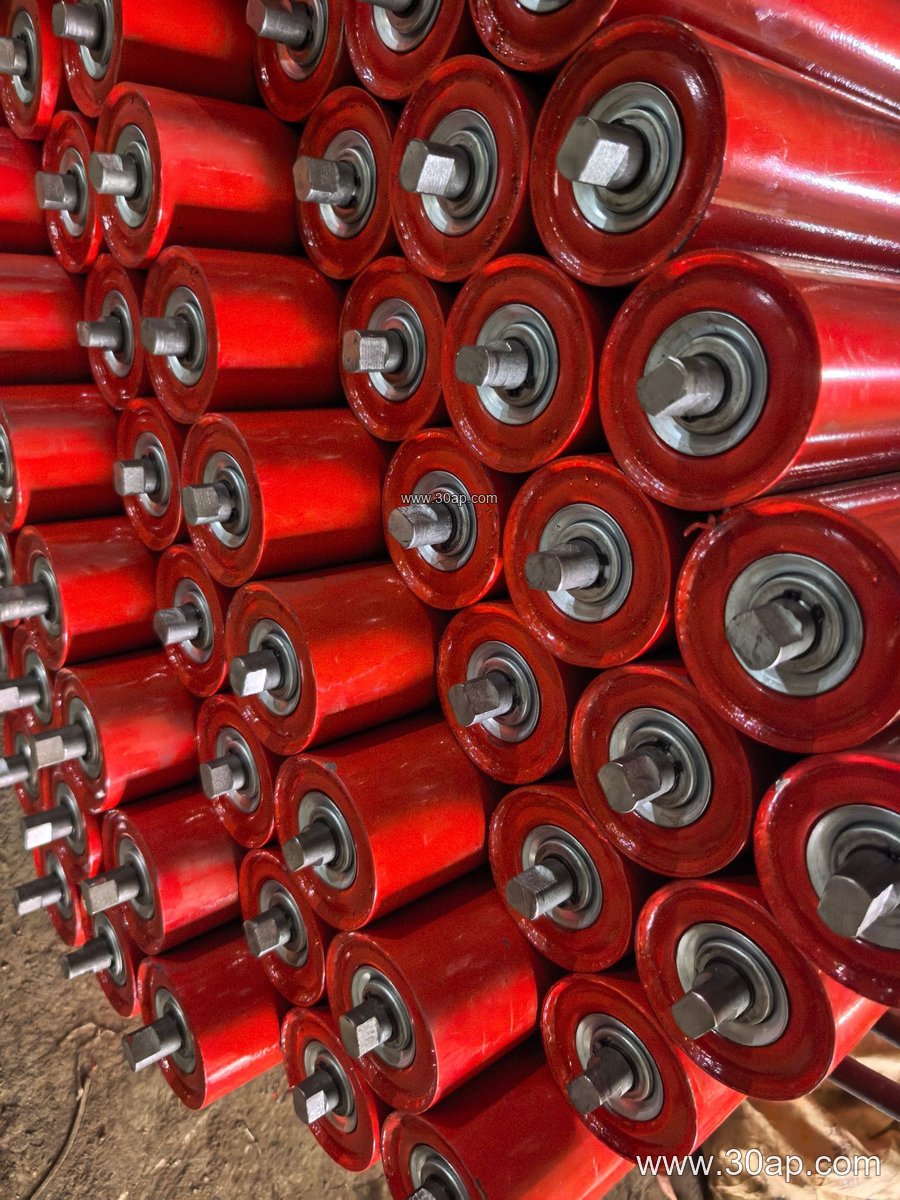
- Trough angles are commonly 20, 30, 35, or 45 degrees.
- Forward tilt of about 1.5 to 2 degrees is used on training idlers, not on every roller.
- Roller diameter should match the frame height and belt load, not just the belt width.
- Shaft diameter is determined by the bearing and load calculation, not by belt width alone.
Selection and Maintenance Advice
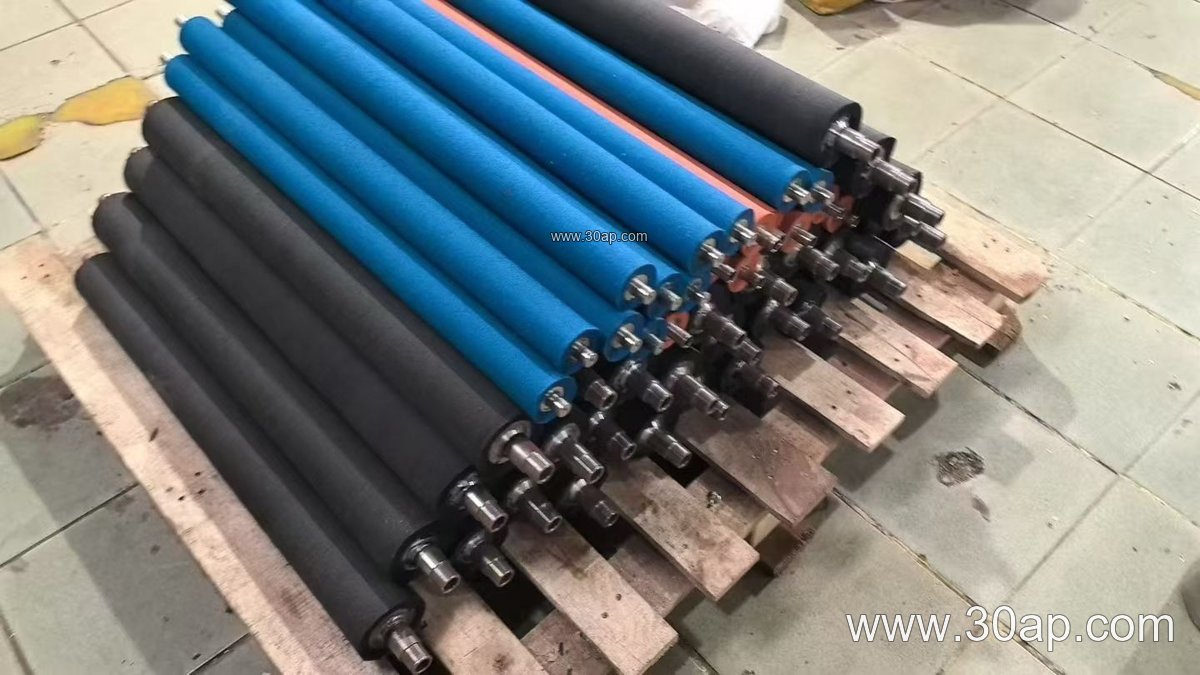
Match the roller surface to the material. A spiral steel shell suits general wet fines, while rubber-ring rollers absorb impact at transfer points and release sticky material more easily. For abrasive ore, a ceramic or nylon surface may last longer. Check that the seal rating suits wash-down or dusty conditions, and confirm the frame and conveyor bracket dimensions before ordering.
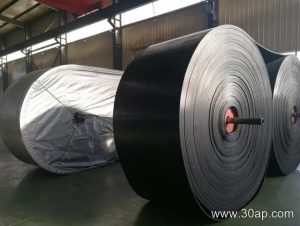
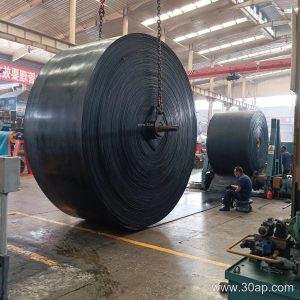
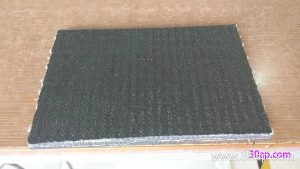
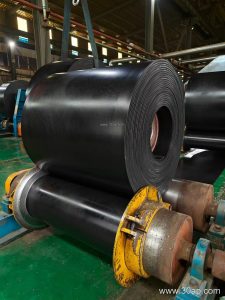
Inspect rollers after the first weeks of operation, since a self-cleaning design still needs free rotation. A roller that stops turning will wear flat and damage the belt. Keep the return run clear and replace seized units promptly. For the belt itself, choose a cover grade that matches the duty, such as an abrasion resistant conveyor belt for sharp aggregate or a flame retardant conveyor belt in coal handling. A well-matched conveyor belt and roller set reduces carryback at the source.
Quick Reference
| Item | Common Range |
|---|---|
| Roller diameter | Ø63 to Ø219 mm; Ø89 to Ø159 mm typical for self-cleaning duty |
| Belt width | B400 to B2400 mm |
| Trough angle | 20, 30, 35, 45 degrees |
| Bearing | 6204, 6205, 6305, 6306, 6308, 6310 |
| Surface form | Spiral steel, rubber ring, nylon, ceramic |
Treat these values as reference data. Final selection depends on belt speed, load, material moisture, and the conveyor bracket layout. A self-cleaning idler is a small component, but on a wet or sticky line it protects the belt, the frame, and the whole conveying system.