What a Conveyor Trough Idler Does
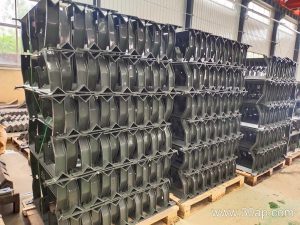
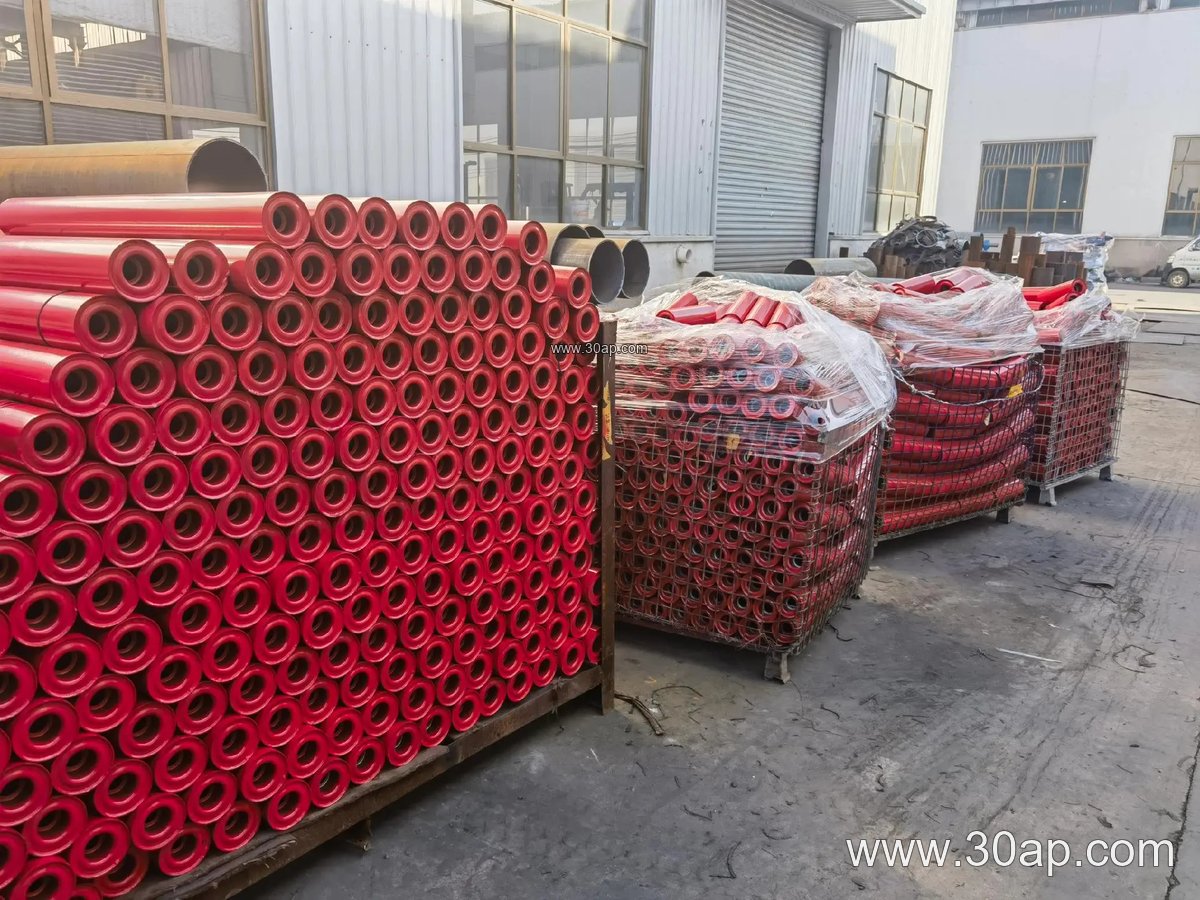
A conveyor trough idler is the set of rollers that supports the carrying run of a conveyor belt and shapes it into a shallow trough. The trough shape keeps bulk material centered on the belt, reduces spillage, and spreads the load across several rollers instead of one. In a quarry, a cement plant, or a power plant coal yard, these idlers are the parts the belt rides on every hour of the shift, so their condition directly affects belt life and energy use.
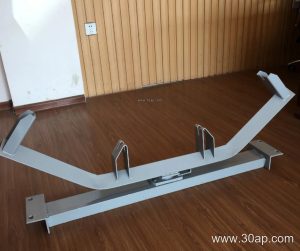
Most troughing sets use three rolls, though two-roll and single-roll arrangements also exist. The side rollers are inclined at a trough angle, commonly 20, 30, 35, or 45 degrees, and the center roll stays flat. The angle is chosen to match the material and belt width, not copied from another line. A three-roll set for a 1000 mm belt, for example, often uses rolls around 380 mm long, while a 1200 mm belt may use rolls near 465 mm. These are common examples, and side rolls can differ from the center roll.
How the Idler Is Built
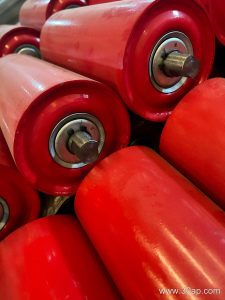
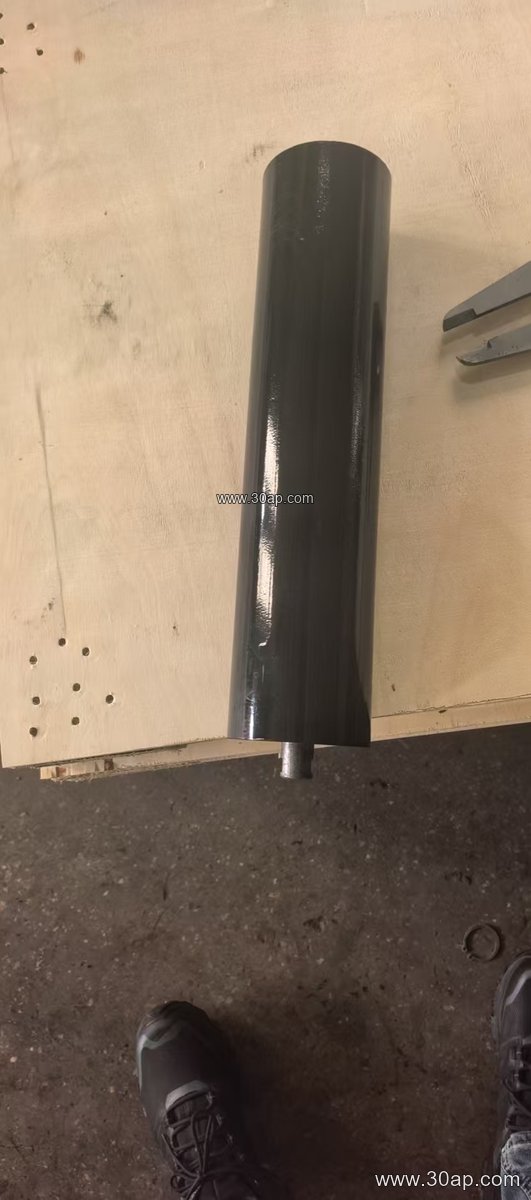
The shell is usually steel tube, with nylon, ceramic, or rubber-ring surfaces available for special duties. Inside, a shaft runs through sealed bearings; common bearing sizes include 6204, 6205, 6305, 6306, 6308, and 6310, selected by load and speed rather than by roll diameter alone. Roll diameters such as Ø89, Ø108, Ø127, Ø133, Ø159, and Ø178 mm cover a wide range of belt widths and tonnages.
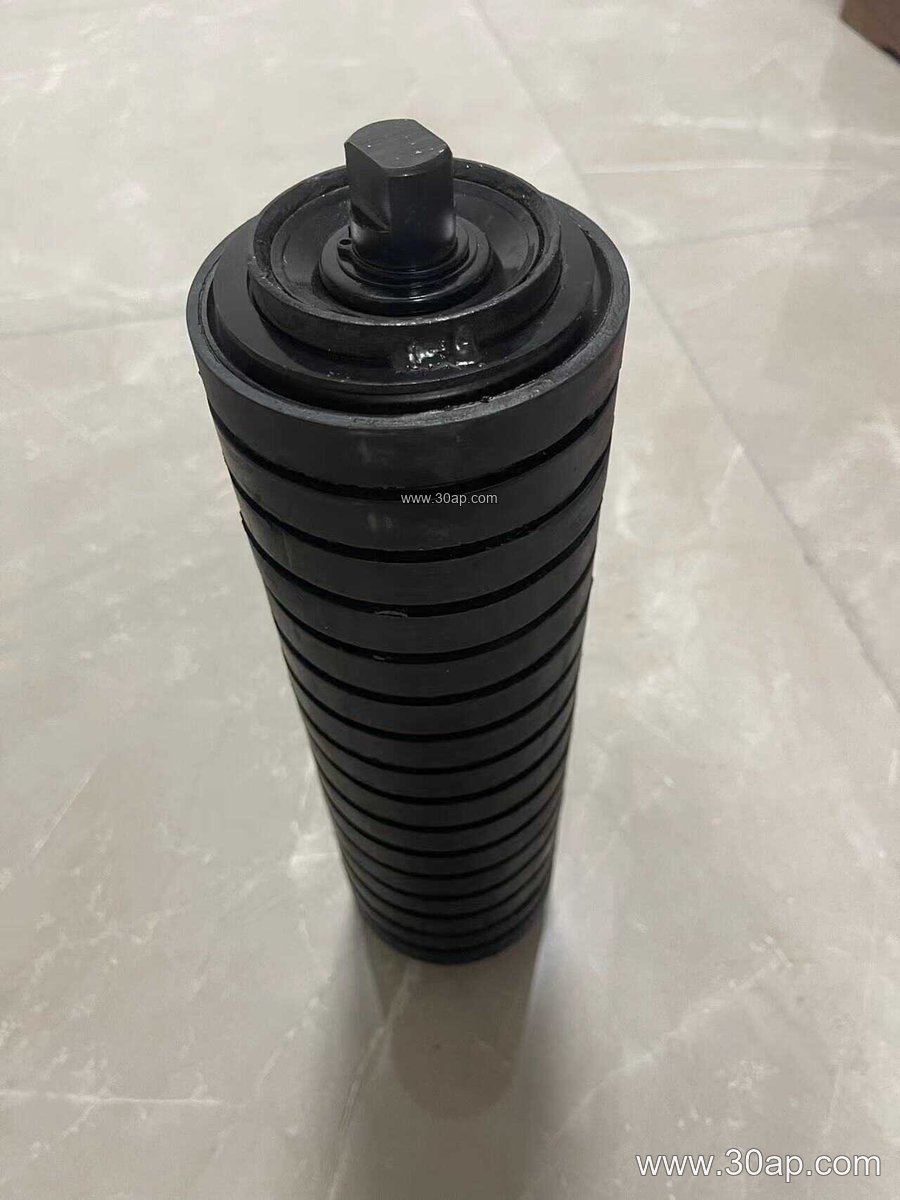
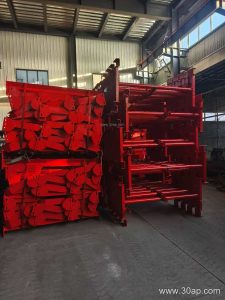
Sealing matters as much as the bearing. Dust from a crusher or a sand and aggregate line will destroy an unsealed bearing quickly, so the labyrinth and grease arrangement should suit the site. The frame that holds the rolls is mounted on a conveyor bracket fixed to the conveyor stringer. The idler works together with the conveyor belt, the conveyor pulley at each end, and the return idlers underneath.
Typical Sizes and Surface Options
Selection starts from belt width and material. The table below shows common reference values, not fixed rules.
| Item | Common reference values |
|---|---|
| Belt width | B500, B650, B800, B1000, B1200, B1400, B1600, B1800 |
| Trough angle | 20°, 30°, 35°, 45° |
| Roll diameter | Ø63, Ø76, Ø89, Ø102, Ø108, Ø127, Ø133, Ø159 mm |
| Roll surface | Steel tube, nylon, ceramic, rubber ring |
| Set form | Single roll, two roll, three roll troughing |
Roll length changes with width, angle, and set form, so it is confirmed at design stage. A 650 mm belt might use rolls near 250 mm, and an 800 mm belt near 315 mm, but the final figure belongs to the drawing.
Where Troughing Idlers Are Used
In a limestone mine or a stone crushing line, three-roll troughing sets carry run-of-mine rock after the primary crusher. In a coal washing plant, the same idlers run under a flame retardant conveyor belt and must tolerate wet, fine material. Cement plants use them on clinker and raw meal lines, where heat and abrasion shorten roll life. Port terminals handling iron ore or copper ore favor heavier shells and larger diameters.
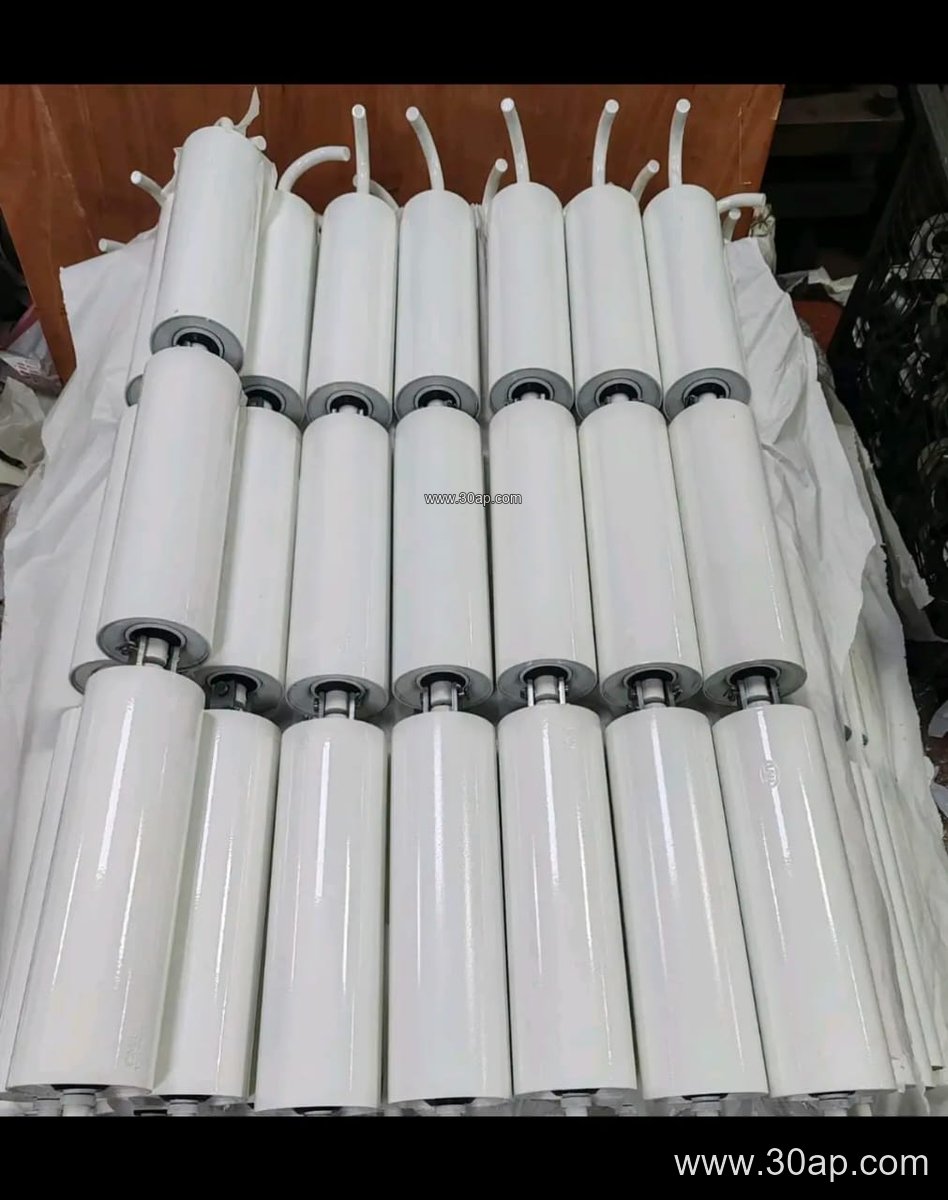
Related belt choices often appear alongside the idler decision, such as an EP conveyor belt or a steel cord conveyor belt on long overland runs, and a heat resistant conveyor belt near kiln discharge. The idler does not change with the belt type, but load, speed, and environment do.
What a Buyer Should Check
- Confirm belt width, trough angle, and set form before ordering rolls.
- Match roll diameter and bearing to the actual load and belt speed.
- Ask about seal type and lubrication for dusty or wet sites.
- Check that the bracket and frame fit the existing stringer spacing.
- For impact zones, compare with impact idlers; for the return run, compare with flat or V-return idlers rather than substituting them for troughing sets.
Good troughing idlers are quiet, run true, and keep the belt edge away from the frame. Checking roll rotation and seal condition during routine walks prevents most belt tracking and spillage problems before they start.