What a Rubber Disc Return Idler Does
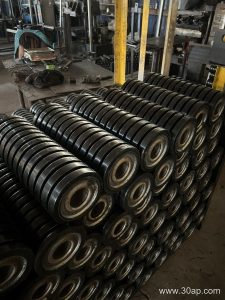
A rubber disc return idler is a lower-run idler roller built with a steel shaft and a series of rubber discs instead of a continuous steel shell. It supports the empty side of the conveyor belt on the way back to the tail end. Because the belt is usually clean and flat on the return side, the disc profile gives a light, flexible contact surface that sheds fines and reduces the chance of material wrapping around the roller body.
In a quarry, a coal handling plant or a cement kiln feed line, spillage and dust are normal. A standard flat return roller can collect sticky material and build up an uneven layer, which then damages the belt edge. The disc design lets debris fall away between the discs, so the return run stays round and quiet for longer.
How the Idler Is Built
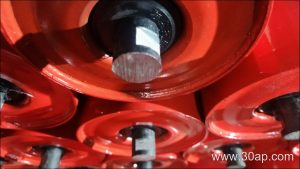
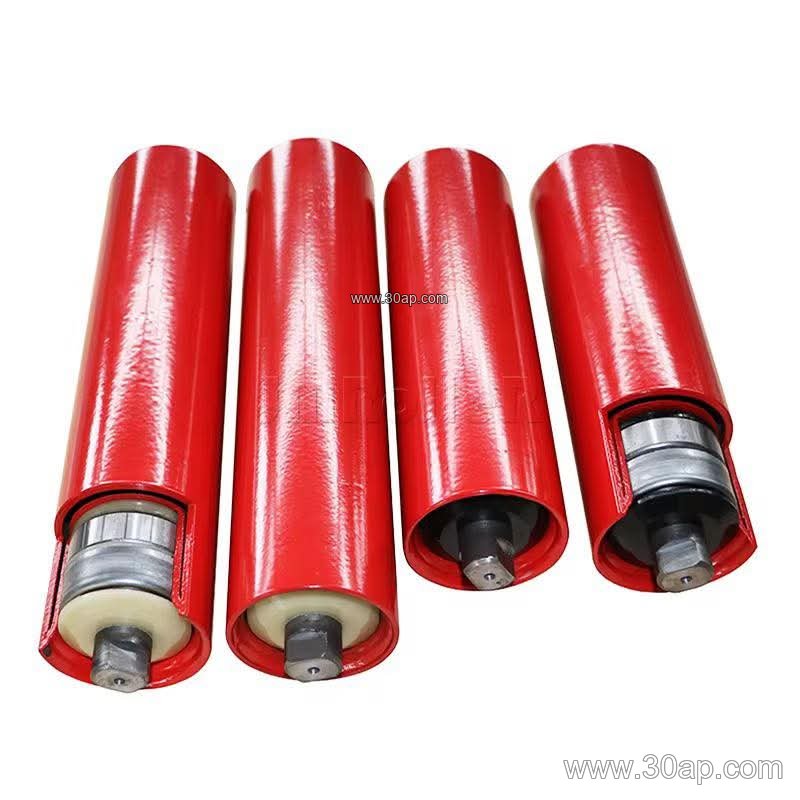
The core is a machined shaft fitted with sealed bearing housings at each end. Rubber discs, usually moulded from abrasion resistant rubber, are pressed onto the shaft and held by spacers or end plates. Disc diameter and spacing vary by design, and the number of discs depends on the belt width and load. Common shaft bearing sizes include 6204, 6205, 6305, 6306, 6308 and 6310, matched to the idler diameter and duty rather than to belt width alone.
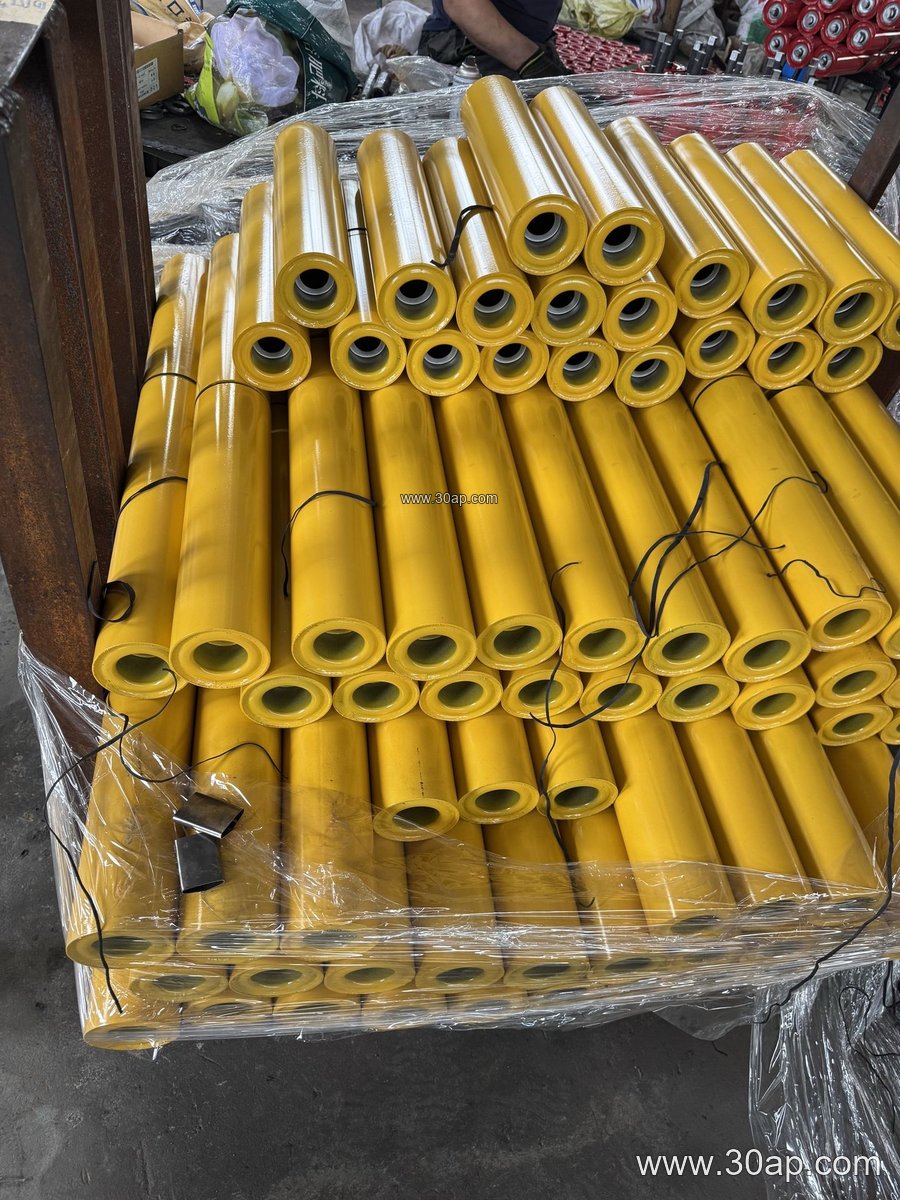
- Shaft and bearing assembly with labyrinth or contact seals
- Rubber discs in abrasion resistant compound
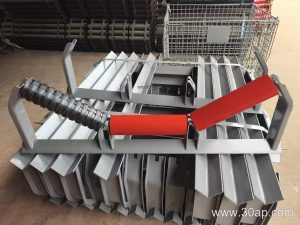
- End plates and fixing brackets for the conveyor bracket frame
- Optional anti-static or flame retardant rubber for underground work
The rubber ring surface is the key difference from a plain steel return roller. It absorbs shock from lumps that slip under the belt and helps keep noise down on high-speed lines. For very dusty service, sealed bearings matter as much as the disc compound.
Where It Fits on the Conveyor
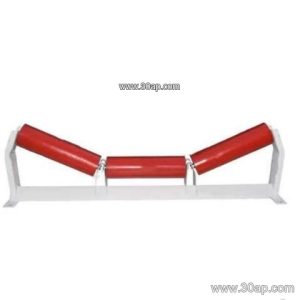
This idler belongs to the return side, so it is not a substitute for a troughing idler on the carrying run, nor for a drive pulley, tail pulley or bend pulley at the ends of the conveyor. Those are different components with different jobs. The disc return roller sits between them, typically at intervals along the return strand.
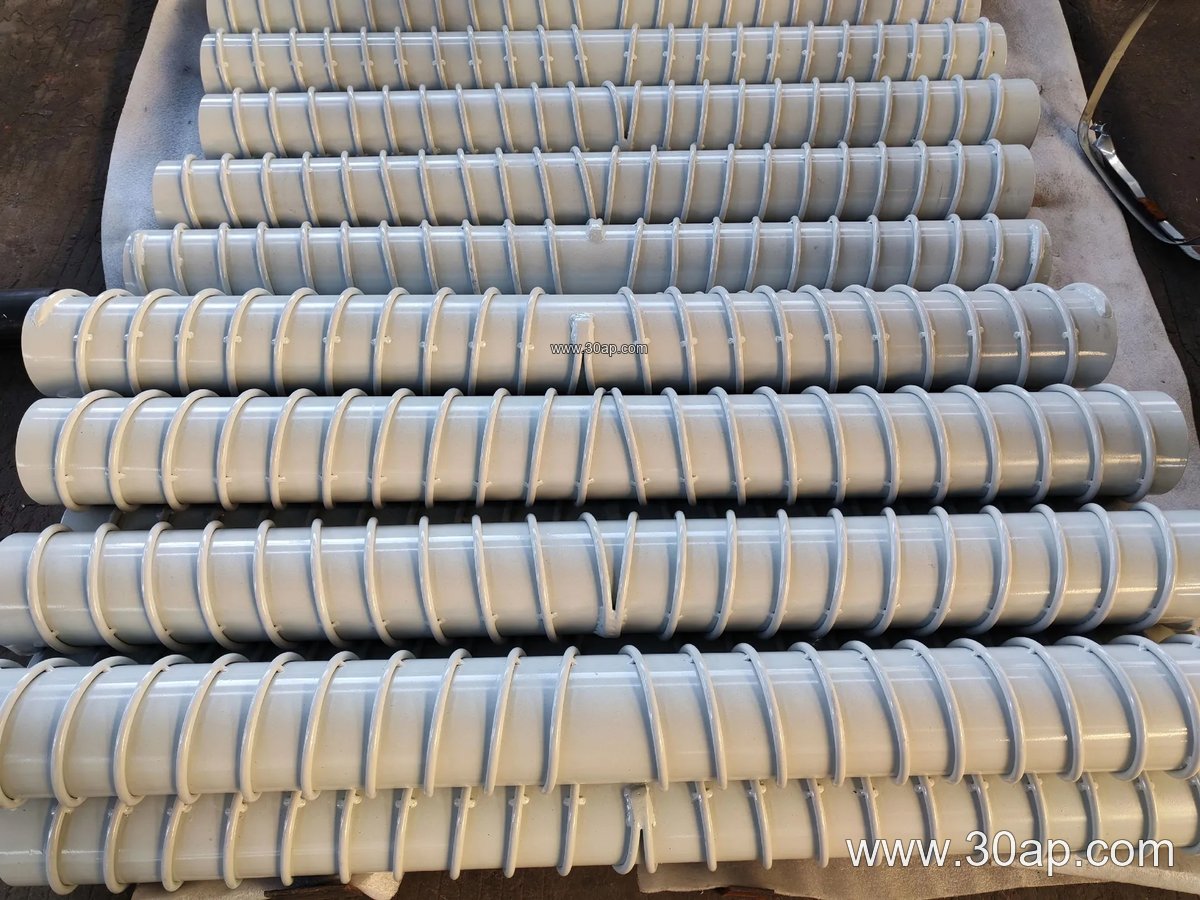
Typical applications include aggregate conveyor lines, sand and gravel plants, coal mining conveyor belts, power plant coal handling, iron ore and copper ore transfer, and crushing and screening circuits. On a long overland route with a steel cord conveyor belt, disc return idlers can reduce material carryback problems where scrapers cannot reach every spot. In food or fertilizer plants, a smooth, easy-clean return roller is often preferred, so the disc type is chosen mainly where dust and spillage are the issue.
Matching Diameter and Belt Width
Buyers usually start from the conveyor belt width and the existing return idler frame. Roller diameter should follow the shaft and bearing size already used on the line, so the new idler fits the same conveyor bracket without modification. The table below shows common reference values; final sizing is confirmed by the conveyor design.
| Reference item | Common values |
|---|---|
| Idler diameter | Ø89, Ø102, Ø108, Ø127, Ø133, Ø159 mm |
| Belt width | B650, B800, B1000, B1200, B1400, B1600 mm |
| Bearing size | 6204, 6205, 6305, 6306, 6308 |
| Disc material | Abrasion resistant rubber, optional flame retardant grade |
Do not assume that one belt width fixes one pulley diameter or one shaft size. A B1000 line may run different idler diameters depending on load, speed and frame design. Where the conveyor uses an EP conveyor belt or a multi-ply fabric core belt, the return idler still follows the same frame dimensions.
Buying and Maintenance Notes
Ask for the shaft diameter, bearing number, face length and disc count before ordering. Check that the fixing ends match the conveyor bracket hole spacing. On site, inspect disc wear at transfer points first, because impact and fines collect there. Replace a disc return idler when the rubber shows deep grooves, cuts or a loose disc, and keep the return strand aligned so the belt does not run off the roller edge.
For a coal mining conveyor belt or an underground coal mining line, specify flame retardant and anti-static rubber where the site requires it. For a hot clinker or sinter area, a heat resistant grade of rubber may be needed, though the idler itself is not a heat resistant conveyor belt. Matching the rubber compound to the environment is more useful than choosing the largest size available.
Related parts such as the conveyor pulley, conveyor bracket and idler roller frame should be checked together as one system. A well-chosen rubber disc return idler keeps the return run clean, protects the belt cover and lowers maintenance time on quarry, cement, power and mining conveyors.