What the Ø127 Conveyor Idler Is
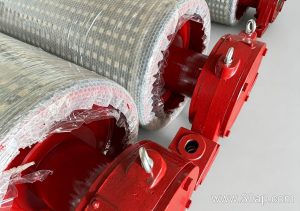
The Ø127 conveyor idler is a load-bearing roller with a nominal outside diameter of 127 mm. In many plants it is simply called a 127 mm idler roller or a 127 dia. carrying roller. It supports the conveyor belt between the head and tail pulleys, keeps the belt profile stable, and allows the belt to travel with low rolling resistance. It is not a drive pulley and should not be confused with a tail pulley or a bend pulley, which transmit torque or change belt direction rather than carry the belt along the run.
Diameter is only one part of the specification. A Ø127 idler also has a shell length, shaft size, bearing arrangement, seal type, and mounting configuration. These details are chosen together, so a buyer should treat Ø127 as a starting point rather than a complete part number.
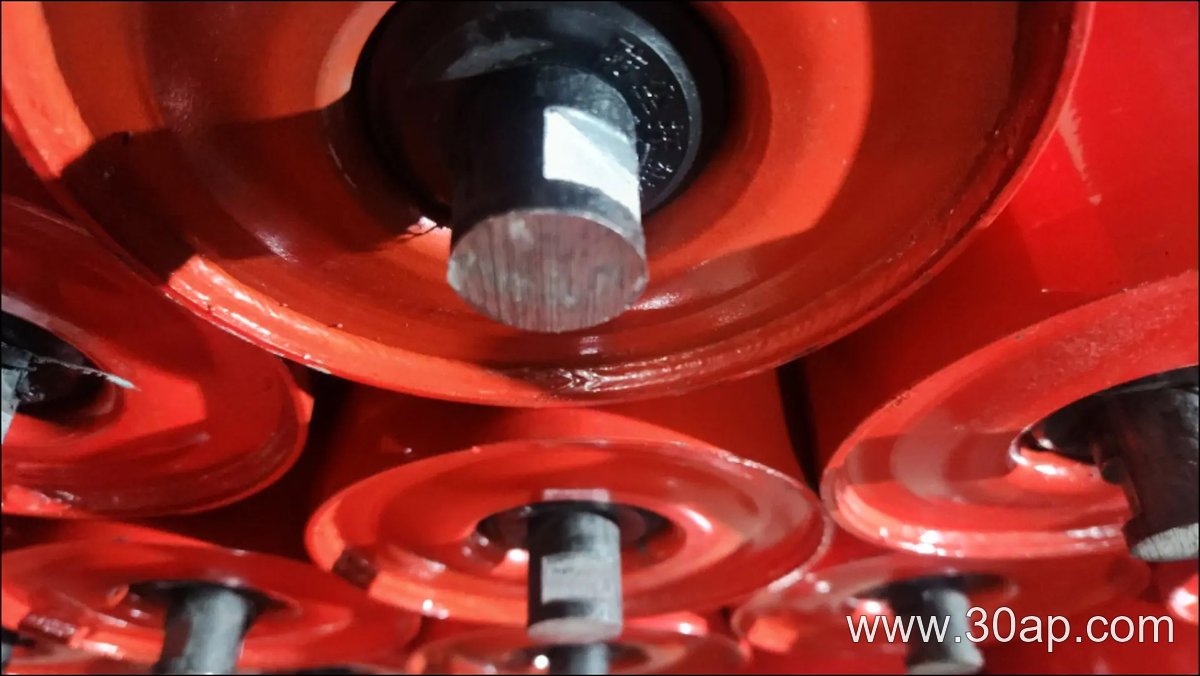
How a Ø127 Idler Roller Is Built
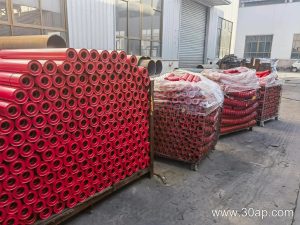
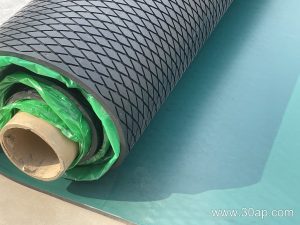
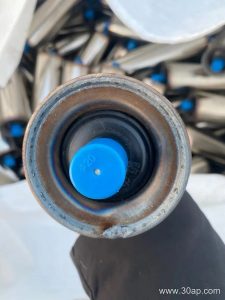
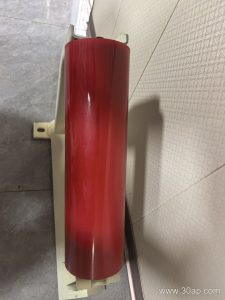
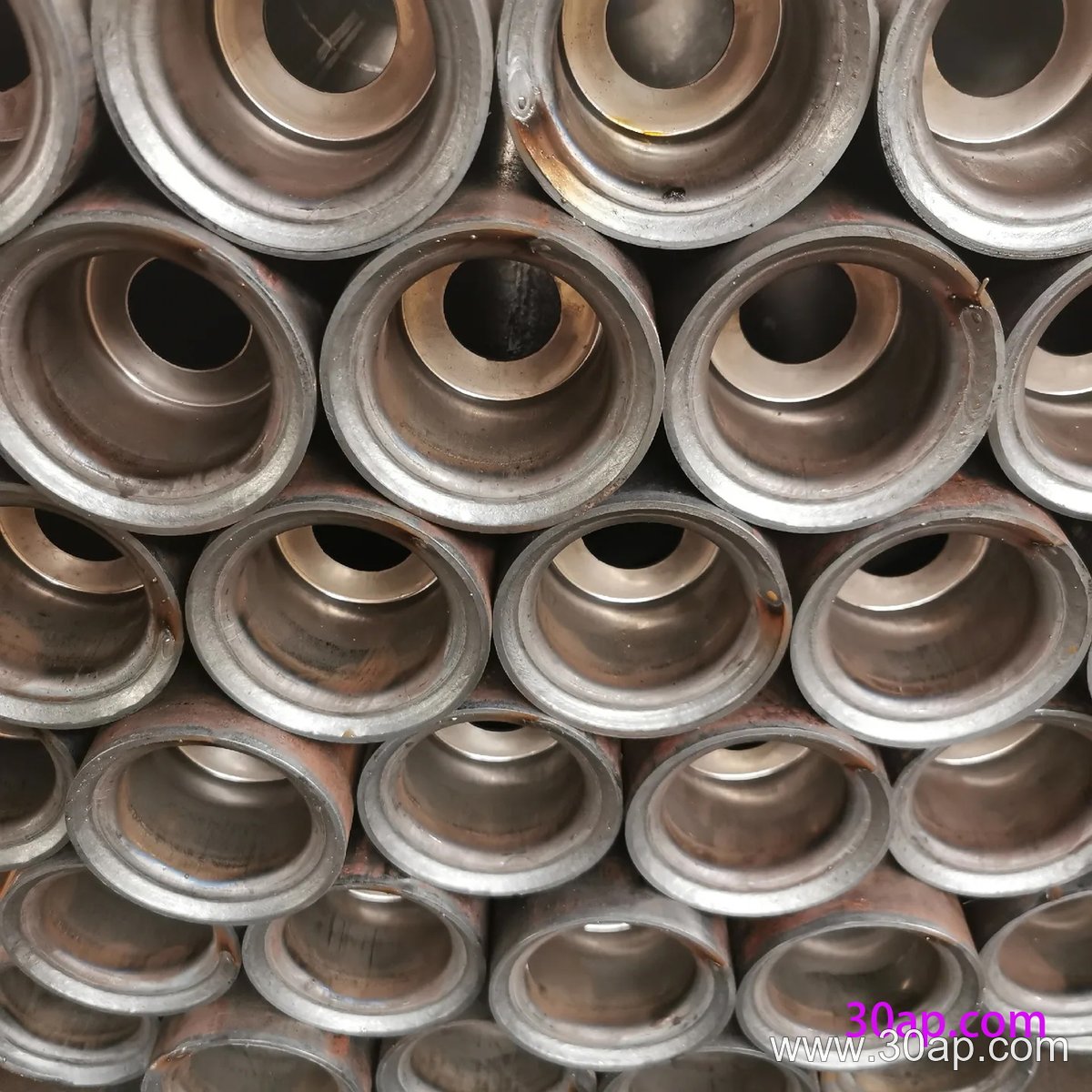
A typical Ø127 conveyor idler uses a steel tube shell, a through shaft or stub shaft, bearing housings at each end, and a sealing system. The most common roller surface is steel tube. Where noise, belt wear, or impact is a concern, nylon, ceramic, or rubber rings may be used on selected rollers. Bearings are usually deep-groove ball bearings such as 6204, 6205, 6305, 6306, 6308, or 6310, but bearing size is matched to shaft and load requirements, not to diameter alone.
Sealing matters as much as the tube. Dust, fines, and water are the usual causes of premature idler failure in quarry and bulk handling service. A labyrinth seal, felt seal, or combined contact seal is often specified depending on the environment.
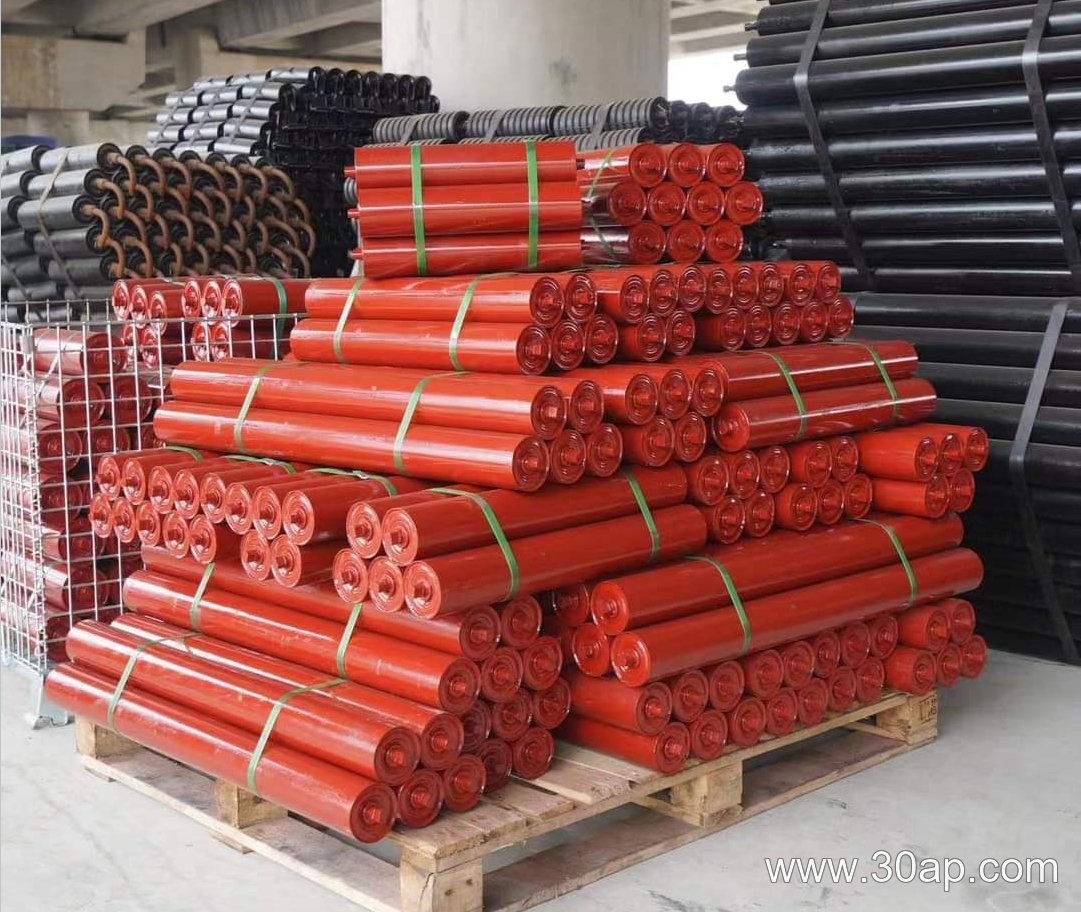
Where Ø127 Conveyor Idlers Are Used
The 127 mm diameter sits in the middle-to-heavy range of conveyor idler sizes. It appears in aggregate plants, coal handling systems, cement plants, and port bulk terminals where belt widths commonly range from B650 to B1400 and sometimes wider. It is also found in crushing and screening circuits, tunnel muck removal, and fertilizer or grain handling where a robust roller is needed but a very large diameter would be excessive.
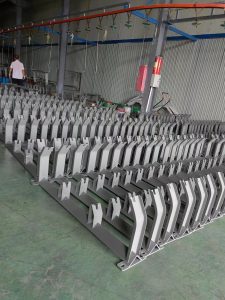
A Ø127 idler may be used as a troughing idler in a three-roll set, as a return idler, or as an impact idler with rubber rings in the loading zone. The same diameter can serve different positions, but the roller length, bracket, and bearing selection change with the duty.
Common Configurations and Reference Dimensions
The table below gives common reference values. Actual dimensions are determined by belt width, trough angle, and idler arrangement.
| Item | Common reference |
|---|---|
| Nominal diameter | Ø127 mm |
| Idler type | Troughing, return, impact, self-aligning |
| Roll set | Single, two-roll, three-roll troughing |
| Trough angle | 20°, 30°, 35°, 45° |
| Belt width | B650, B800, B1000, B1200, B1400 |
| Roller surface | Steel tube, nylon, ceramic, rubber rings |
| Bearing examples | 6205, 6305, 6306, 6308, 6310 |
| Roller length examples | Approx. 250 mm at B650, 315 mm at B800, 380 mm at B1000, 465 mm at B1200, 530 mm at B1400 |
These are typical examples only. Side rollers and center rollers in a three-roll set can differ in length, and a given belt width does not force a single pulley diameter or shaft diameter.
What a Buyer Should Check Before Ordering
- Confirm the roller position: carrying, return, impact, or self-aligning.
- Check the belt width and trough angle to establish roller length and roll set geometry.
- Match the shaft end and bracket to the existing conveyor bracket or frame.
- Review the sealing and bearing choice for dust, moisture, and temperature.
- Verify the load rating and rotation speed for the actual tonnage and belt speed.
- Ask for the roller surface treatment only where it is needed, such as rubber rings in the impact zone.
A Ø127 conveyor idler is a standard, widely used roller size, but it is not a universal fit. Good selection comes from matching diameter, length, bearing, seal, and bracket to the conveyor duty rather than choosing by diameter alone.