What a High-Strength Pulley Is
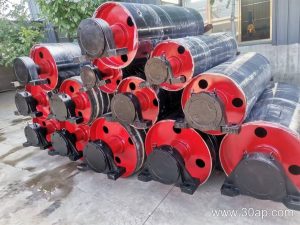
A high-strength pulley is a heavy-duty conveyor pulley engineered to withstand the high tension, shock loads, and continuous operation found in bulk material handling. Often referred to as a heavy-duty conveyor pulley, it serves as the critical rotating component that guides and drives the conveyor belt. Unlike standard pulleys, these are built with reinforced shells, robust shafts, and advanced lagging to ensure reliability in the toughest environments, from underground coal mining to primary crushing circuits.
Construction and Key Features
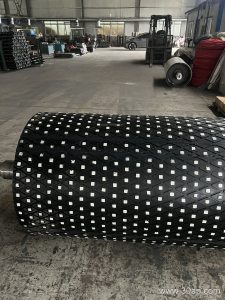
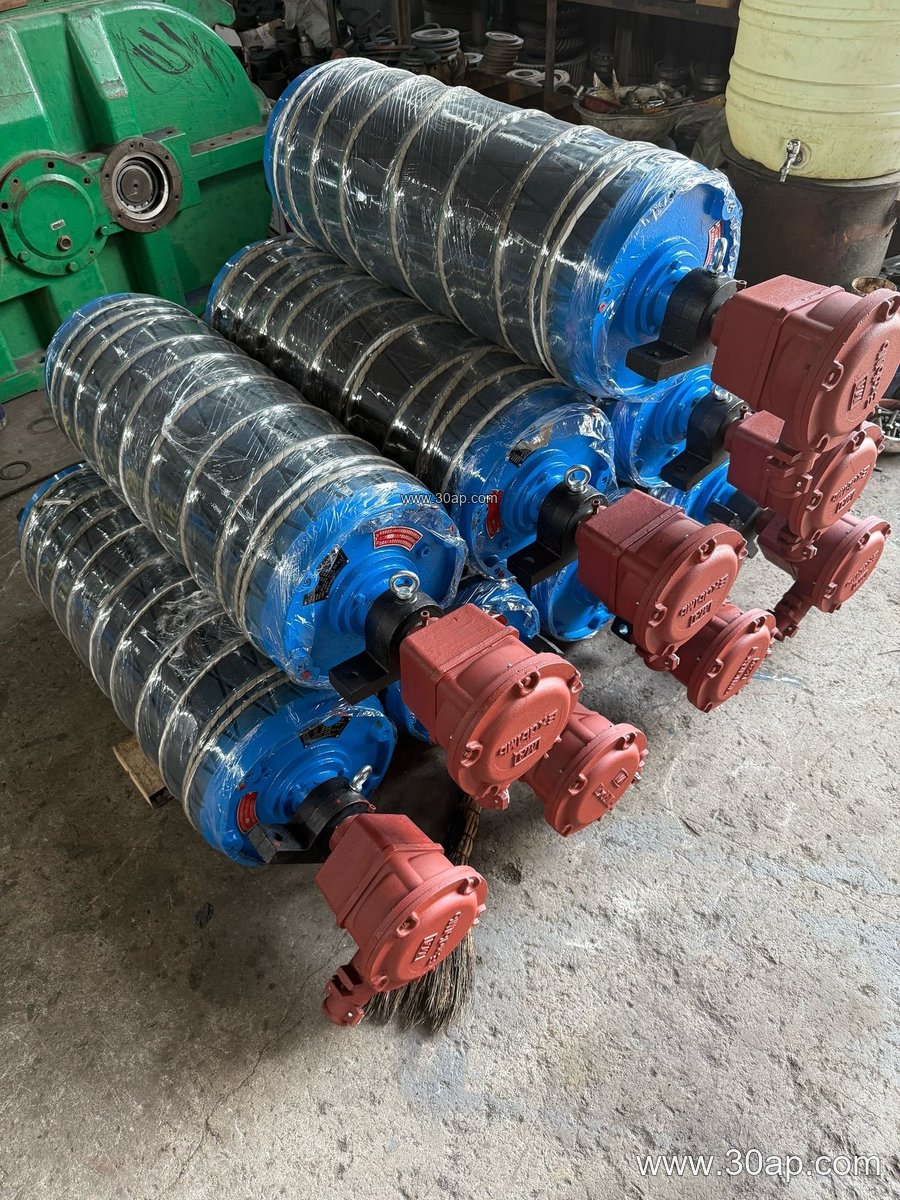
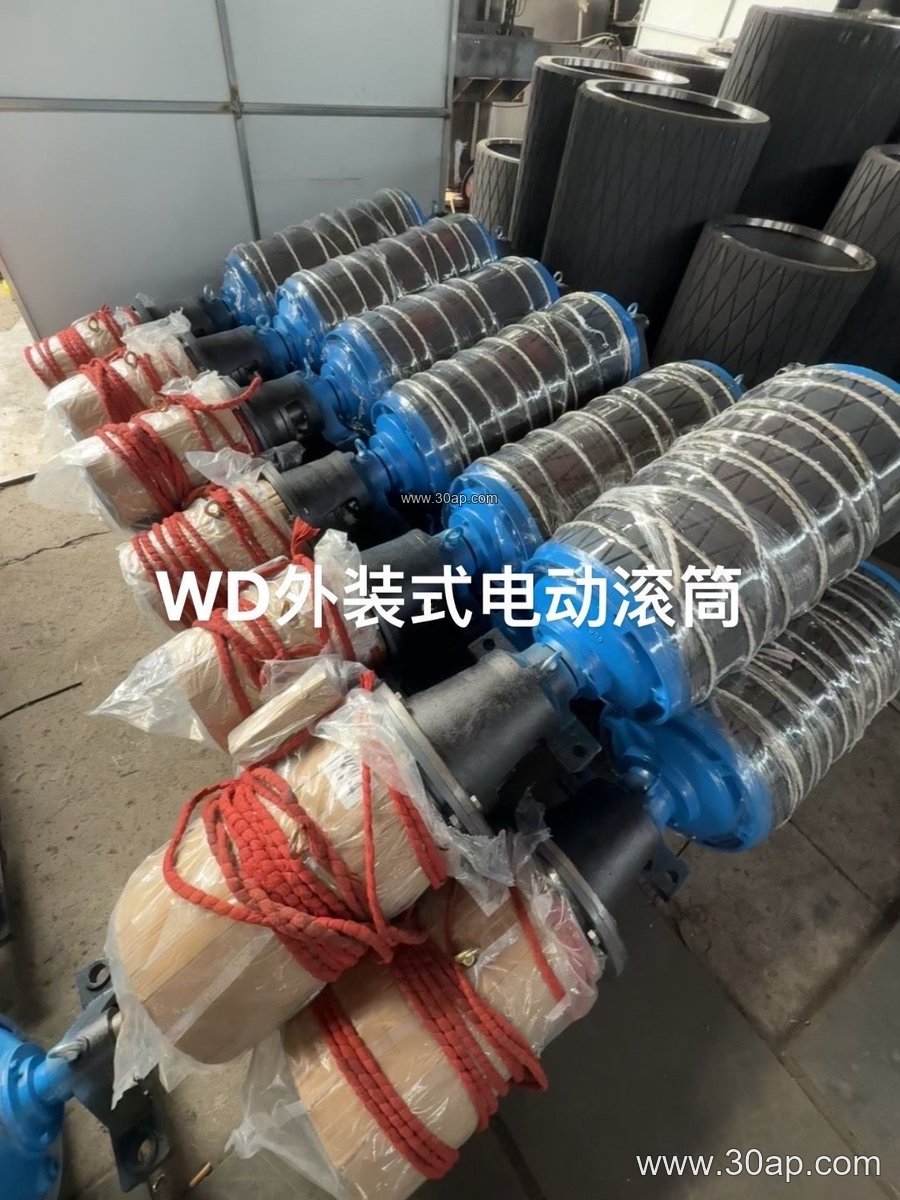
The high-strength pulley is typically fabricated from rolled steel or cast iron, with a shell thickness and diameter selected to resist bending and torsional stresses. The shaft is sized according to torque and load requirements, not simply by belt width. Common shaft diameters include Ø50, Ø80, Ø120, and Ø160 mm, but the final choice depends on the specific drive or tail application. The pulley surface may be plain, lagged with rubber or ceramic, or grooved to improve traction. Lagging thicknesses of 8, 10, 12, 15, or 20 mm are available, with diamond or herringbone patterns for enhanced grip in wet or dusty conditions.
Bearings are housed in sturdy pillow blocks or flanged housings, and the entire assembly is designed for easy maintenance. The pulley face width usually exceeds the belt width by approximately 100 to 200 mm; for example, a B800 belt might use a pulley with a 950 mm face, while a B1200 belt could pair with a 1400 mm face. These dimensions are illustrative and should be confirmed by the system designer.
Where High-Strength Pulleys Are Used
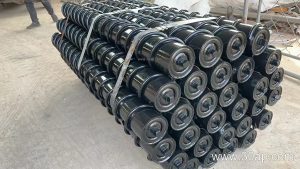
These pulleys are indispensable in mining and quarrying operations. In an underground coal mine, a high-strength pulley at the drive station must handle the tension of a steel cord conveyor belt carrying coal from the face to the surface. In a limestone quarry, a heavy-duty pulley on the head end of a primary crushing line ensures that a high abrasion resistant conveyor belt runs smoothly despite sharp, heavy rock. Other applications include cement plants, power plant coal handling, and port bulk terminals where reliability is paramount. The pulley works in concert with idler rollers, conveyor brackets, and the conveyor belt to form a seamless transport system.
Types and Positional Roles
While the term high-strength pulley covers a range of heavy-duty designs, it is important to distinguish between positional subtypes. A drive pulley (or head pulley) transmits power to the belt and is often the largest and most robust. A tail pulley at the loading end maintains belt tension and alignment. A bend pulley changes the belt direction without driving. These roles are not interchangeable; a high-strength drive pulley cannot simply replace a tail pulley without considering the different load profiles and design requirements. For example, a drive pulley might feature ceramic lagging for maximum grip, whereas a bend pulley could use a plain surface to reduce cost and weight.
Specifications and Selection Guide
When specifying a high-strength pulley, engineers consider belt width, pulley diameter, shaft diameter, lagging type, and bearing size. The table below lists common reference dimensions; these are typical ranges, not fixed pairings.
| Belt Width (mm) | Pulley Face Width (mm) | Common Pulley Diameters (mm) | Typical Shaft Diameters (mm) |
|---|---|---|---|
| B400 | 500 | Ø200, Ø250, Ø315 | Ø50, Ø60 |
| B650 | 750 | Ø315, Ø400, Ø500 | Ø70, Ø80 |
| B800 | 950 | Ø400, Ø500, Ø630 | Ø80, Ø90, Ø100 |
| B1000 | 1150 | Ø500, Ø630, Ø800 | Ø100, Ø120 |
| B1200 | 1400 | Ø630, Ø800, Ø1000 | Ø120, Ø140 |
| B1400 | 1600 | Ø800, Ø1000, Ø1250 | Ø140, Ø160 |
| B1600 | 1800 | Ø1000, Ø1250, Ø1400 | Ø160, Ø180 |
Note that a given belt width can accommodate various pulley diameters depending on the required belt wrap angle, space constraints, and tension. Always consult the conveyor design manual for exact sizing. Lagging selection also matters: diamond rubber lagging is common for general bulk handling, while ceramic lagging suits high-torque drive pulleys in wet conditions.
Buyer’s Checklist
- Verify the pulley’s load rating against the maximum belt tension and shock loads expected in your application.
- Confirm the shaft diameter is calculated from torque and bending moments, not merely belt width.
- Choose lagging material and pattern based on environmental factors such as moisture, oil, and abrasion.
- Ensure compatibility with the conveyor belt specification—for instance, a high-strength pulley paired with a heavy-duty mining conveyor belt or an abrasion resistant conveyor belt.
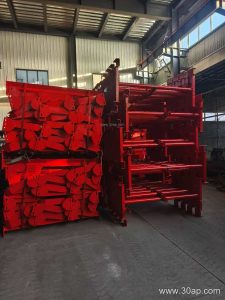
- Check that the pulley face width provides adequate support without interfering with the conveyor brackets or idler rollers.
For more information on conveyor components and belt selection, visit conveyor pulley and conveyor belt resources.