What a Double-Row Return Idler Does
A Double-Row Return Idler is a return-side idler roller assembly built with two rows of rollers instead of the single roller found on a conventional flat return idler. It sits under the carrying belt on the return strand, where the belt has already discharged its load and travels back toward the tail pulley. The two rows share the belt’s weight and keep the return run tracking more evenly, especially on wider belts or where the belt tends to sag between supports.
In a typical conveyor frame, this idler works together with the conveyor belt, the drive and tail pulleys, and the conveyor bracket that fixes the assembly to the stringer. It does not replace a bend pulley or a drive pulley; those components transmit power and change belt direction, while the return idler only supports the belt.
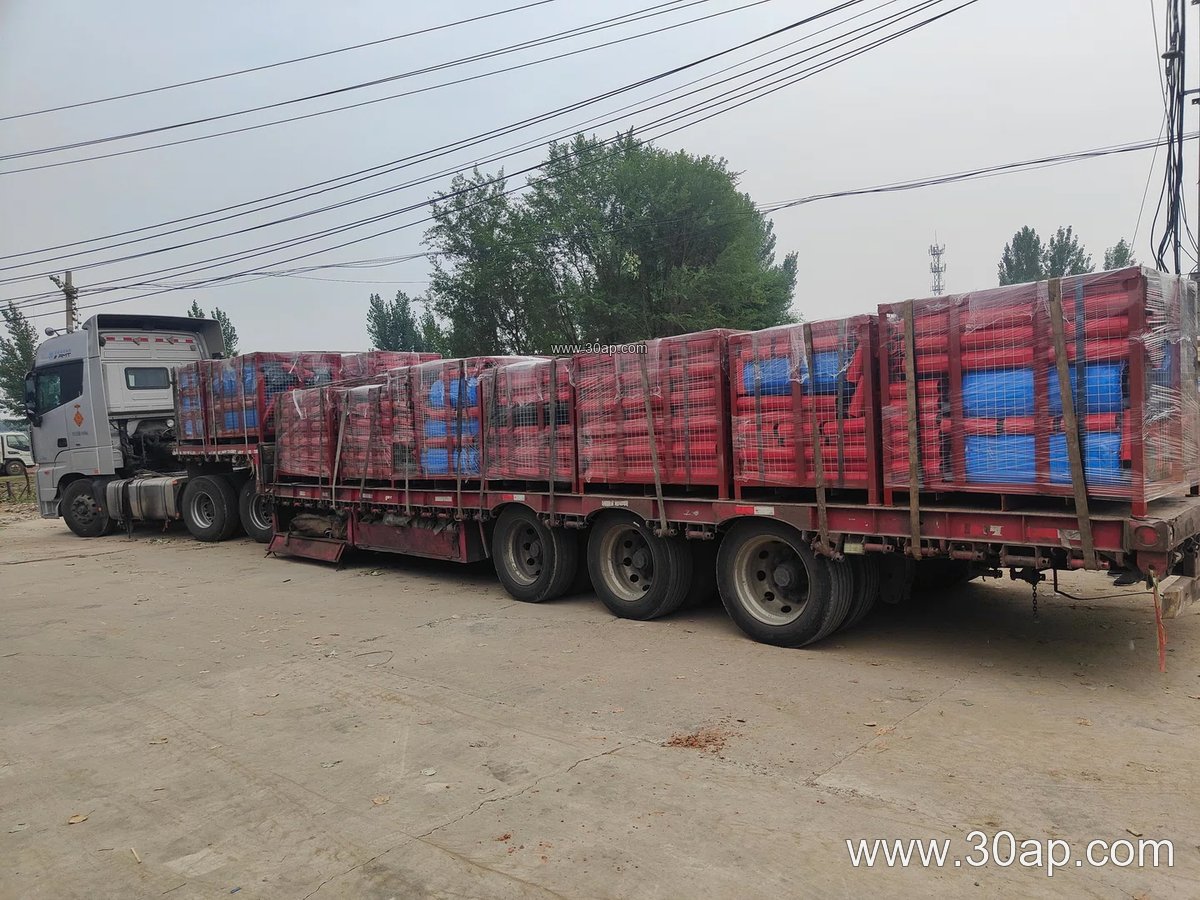
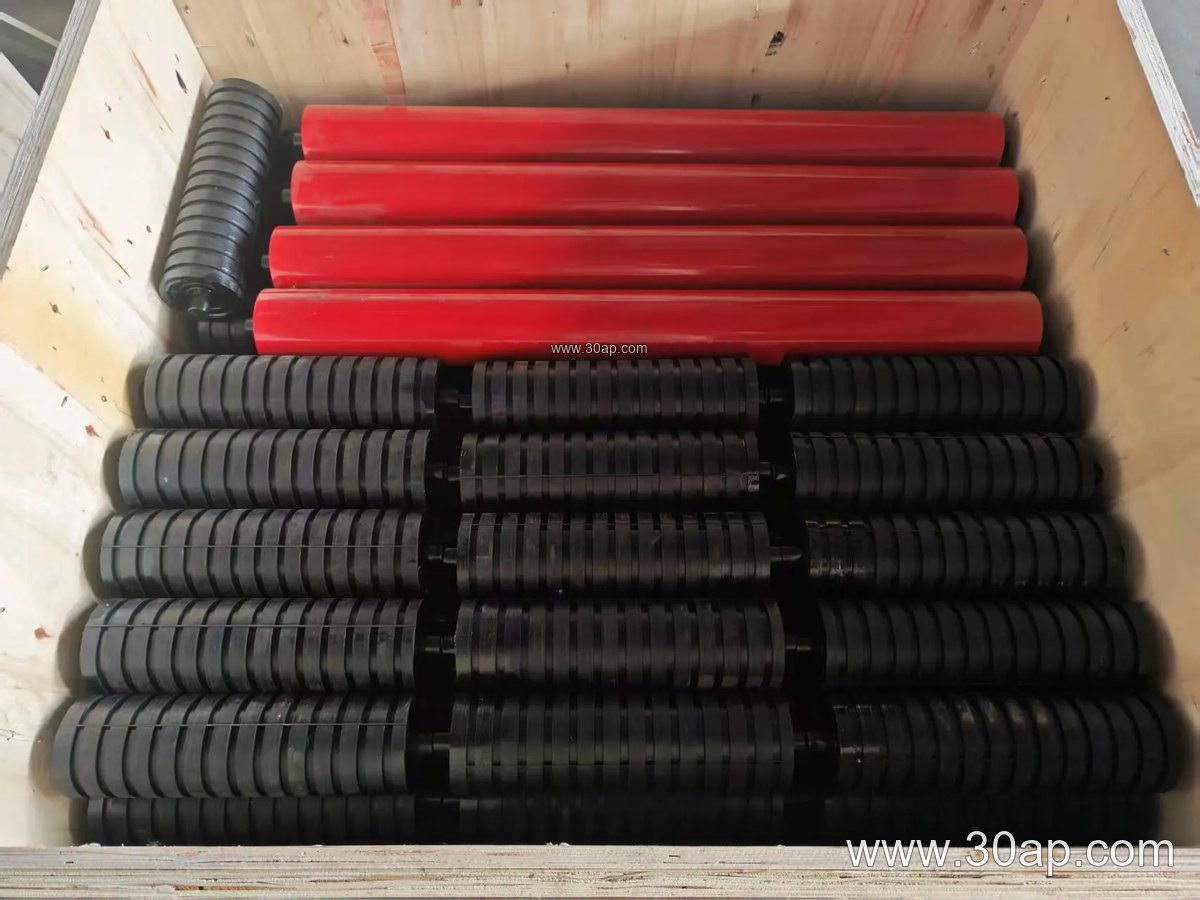
Construction and Common Configurations
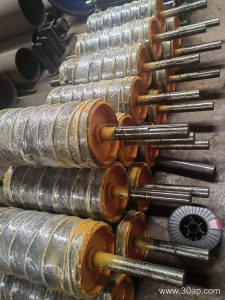
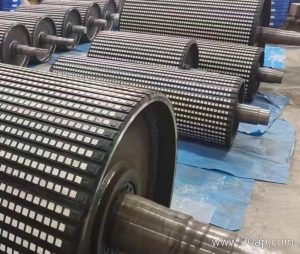
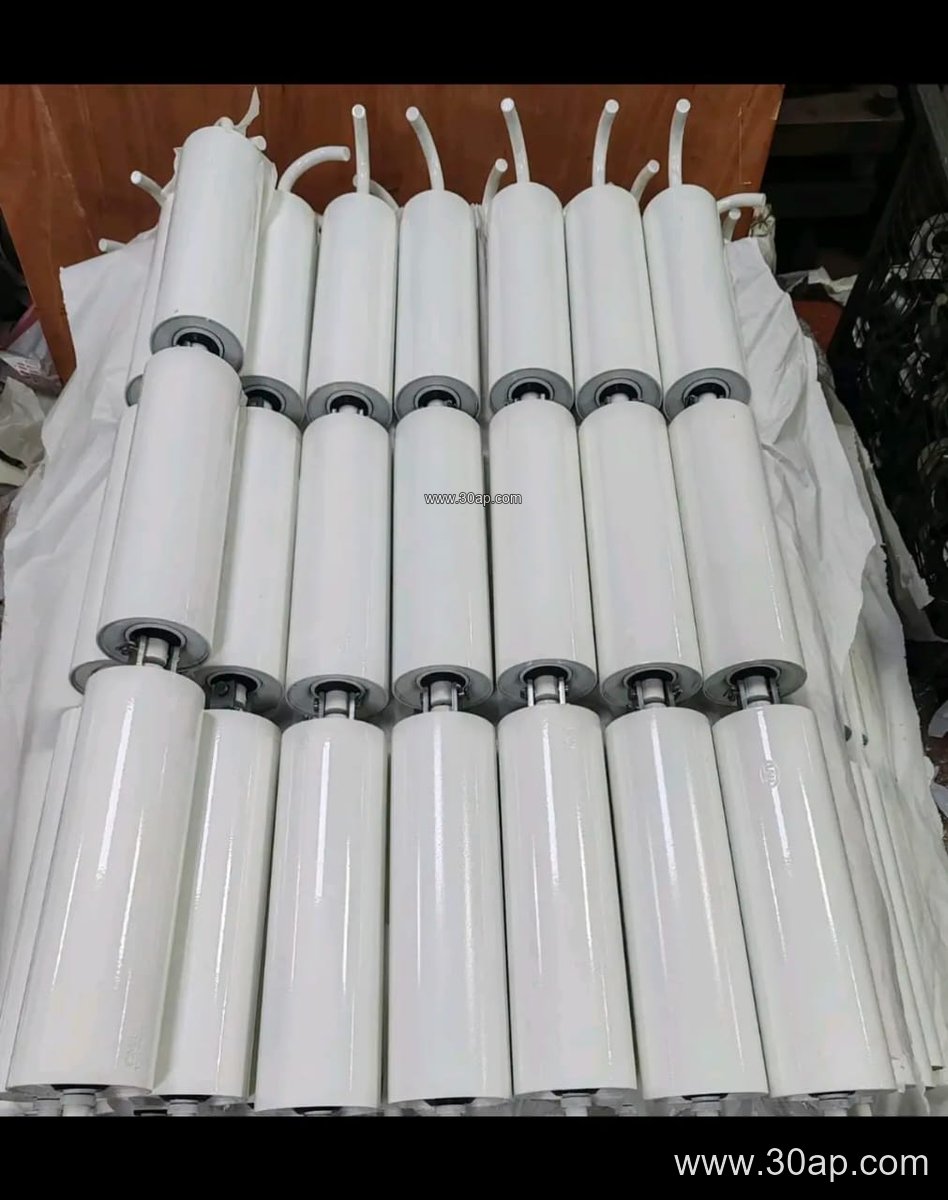
The assembly usually consists of two parallel roller rows mounted in a common frame, with each row running on its own shaft and bearing set. Roller shells are commonly steel tube, and buyers may also request nylon, ceramic, or rubber-covered surfaces depending on the duty. Seals and bearing housings matter on the return side because fine dust and moisture tend to collect there.
Common roller diameters for return idlers include Ø89, Ø108, Ø127, Ø133, Ø159, and Ø178 mm, while larger sizes such as Ø194 and Ø219 mm appear on heavy-duty frames. Bearing numbers are selected by load and shaft design rather than by roller diameter alone, so a 6205, 6305, or 6308 bearing may appear across several sizes. Belt widths commonly range from B650 and B800 up to B1400, B1600, and B2000, with the roller length set by belt width, frame geometry, and the idler group design.
| Parameter | Common Reference Range | Notes |
|---|---|---|
| Roller diameter | Ø89 to Ø178 mm; Ø194 and Ø219 mm for heavy frames | Selected by belt load and frame design |
| Belt width | B650, B800, B1000, B1200, B1400, B1600, B1800, B2000 | Roller length follows the frame layout |
| Roller surface | Steel tube, nylon, ceramic, rubber ring | Rubber rings help cushion and grip |
| Bearing | 6204, 6205, 6305, 6306, 6308, 6310 | Matched to shaft and load, not fixed by diameter |
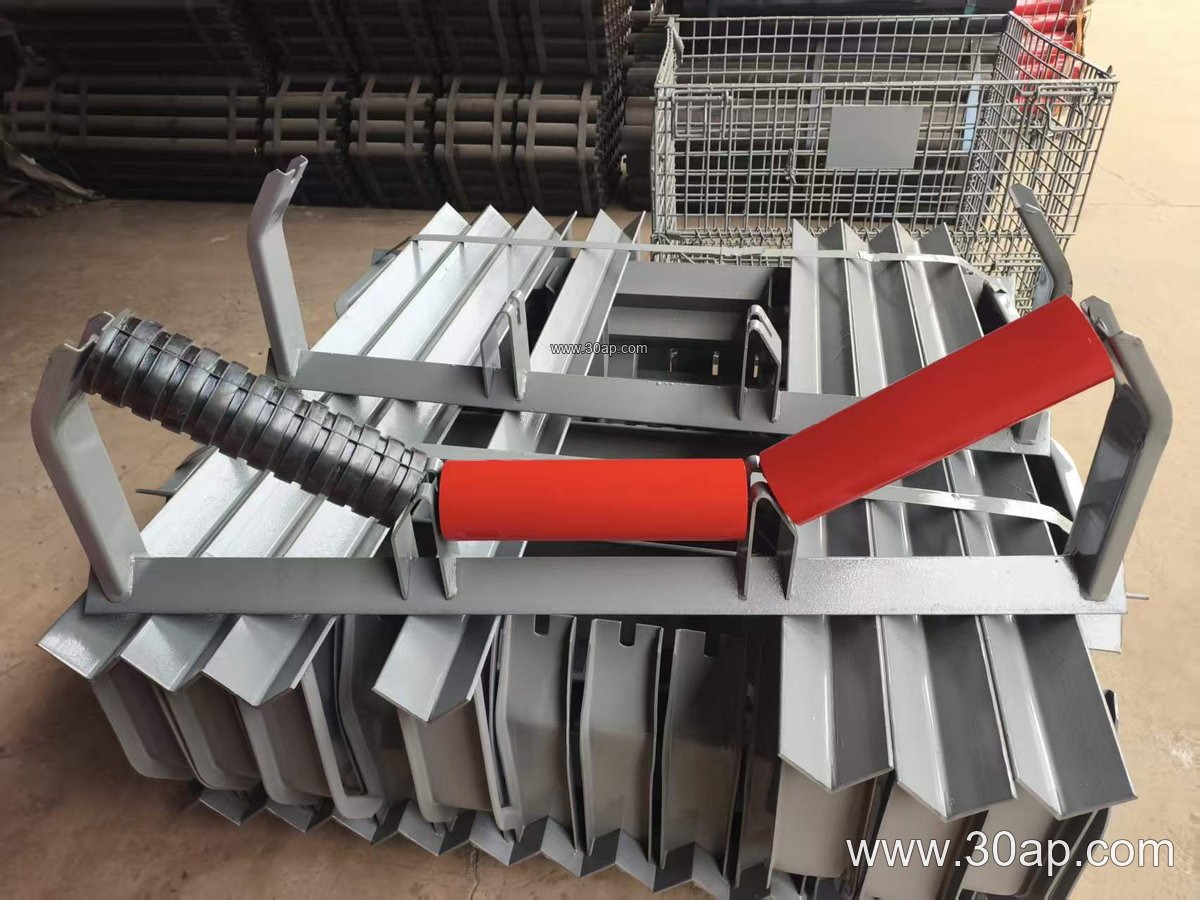
| Frame type | Two-row return frame with mounting brackets | Bolt pattern set by conveyor bracket design |
Where It Fits in a Conveyor Line
The return run is often overlooked until belt sag, edge wear, or misalignment appears. A double-row design gives the belt two lines of support, which can reduce sag on long spans and help keep the belt centered before it reaches the tail pulley. This is useful in a quarry or aggregate line where the return strand carries residual dust and small spillage, and in a coal handling system where belt stability affects transfer points.
The same logic applies in a cement plant, a power plant coal yard, or a port bulk terminal handling wide belts. Where the conveyed material is abrasive, pairing the idler with an abrasion resistant conveyor belt and well-sealed rollers extends service life. In underground mining, a flame retardant conveyor belt is often specified together with robust return idlers to meet site safety requirements.
Selection Points for Buyers
- Confirm belt width and the actual return frame dimensions before ordering; roller length is not fixed by width alone.
- Check the shaft and bearing arrangement, since bearing size must match the frame and load, not just the roller diameter.
- Decide on the roller surface: plain steel for general duty, rubber rings for cushioning, ceramic or nylon where wear or build-up is a concern.
- Review seal quality for dusty or wet service, particularly in crusher and screening areas.
- Match the idler to the belt type in use, whether an EP conveyor belt, a steel cord conveyor belt, or a heat resistant conveyor belt near hot material.
For replacement planning, record the existing frame bolt pattern and roller spacing so the new double-row assembly fits without modifying the conveyor bracket. Buyers comparing a V-return idler with a double-row unit should note that the V-shape trains the belt differently; the double-row design is chosen mainly for load sharing and flat support across the return strand.
Installation and Maintenance Notes
Mount the assembly square to the belt centerline and check that both rows sit at the same height. After startup, watch for belt wander, unusual noise, and roller drag. Lubrication intervals and seal inspection should follow the site’s maintenance schedule, and damaged rollers should be replaced as a set where the frame design requires it. Keeping the return path clean reduces the chance of material wrapping around the rollers and damaging the conveyor belt.