What the EP500 Conveyor Belt Is
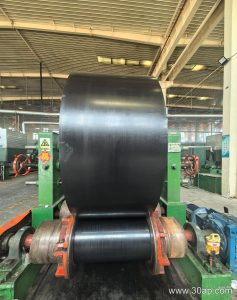
The EP500 Conveyor Belt is a fabric-core rubber belt built around polyester warp and nylon weft plies. The designation refers to the nominal tensile strength of the carcass, typically expressed in newtons per millimeter of belt width. In practical terms, this is a mid-to-high strength grade within the EP family, sitting above EP400 and below EP630, so it suits conveying lines that carry dense bulk material over moderate to long distances without moving into steel cord territory.
Because the carcass is a multi-ply fabric construction, the belt stretches less than an all-nylon design under load and keeps good troughability. That balance is why EP500 Conveyor Belt finds a home in crushing circuits, stockyard transfer lines and cement plant raw-material handling.
How the Belt Is Built
A typical EP500 belt combines several layers, each doing a distinct job:
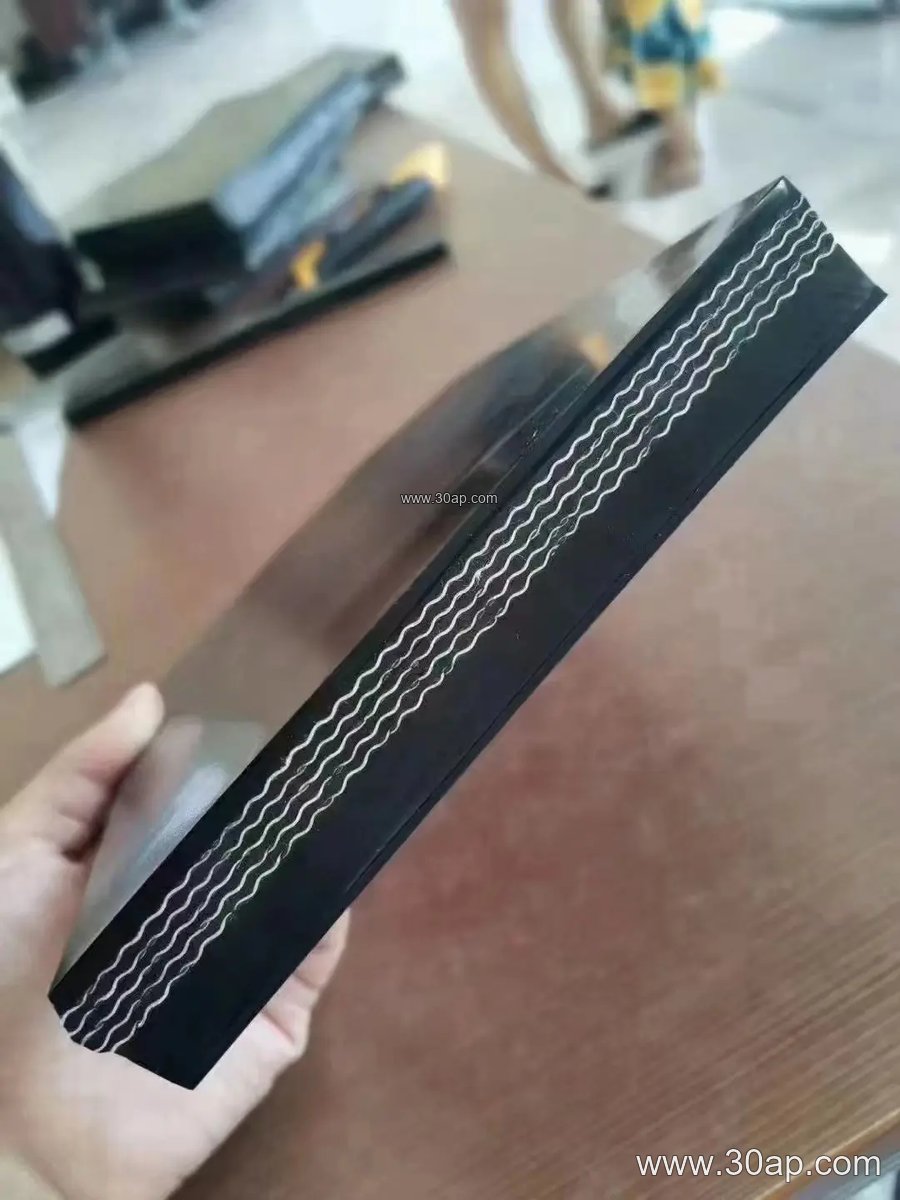
- Carcass: usually 2 to 6 plies of polyester-nylon fabric, bonded with skim rubber and frictioned rubber to resist ply separation.
- Top cover: the wear surface that contacts the material, commonly 4+2 mm, 5+2 mm or 6+2 mm depending on lump size and abrasion severity.
- Bottom cover: often thinner, protecting the pulley side from abrasion and moisture.
- Edges: cut or molded edges; molded edges reduce edge fraying on long runs.
Cover compound selection matters as much as the carcass. A quarry or aggregate line may call for an abrasion resistant grade, while a cement kiln area might need heat resistant rubber, and a coal handling system may require flame retardant and anti-static properties.
Where It Fits in the Plant
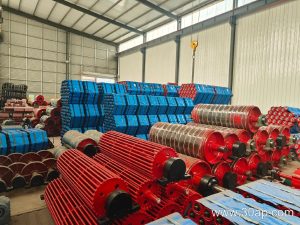
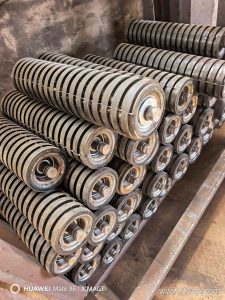
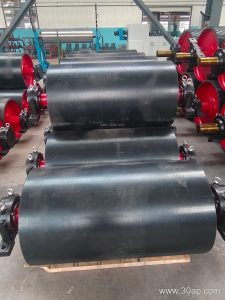
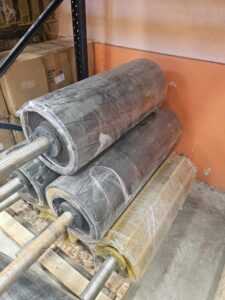
The EP500 Conveyor Belt appears across mining, coal preparation, cement, power generation, sand and gravel plants, port loading facilities and recycling lines. It is often used as a main haulage belt after primary crushing, where material is sized but still heavy and sharp-edged. In a coal mining conveyor system, a flame retardant EP500 belt may run alongside idler rollers and conveyor pulleys that are sized to the same duty.
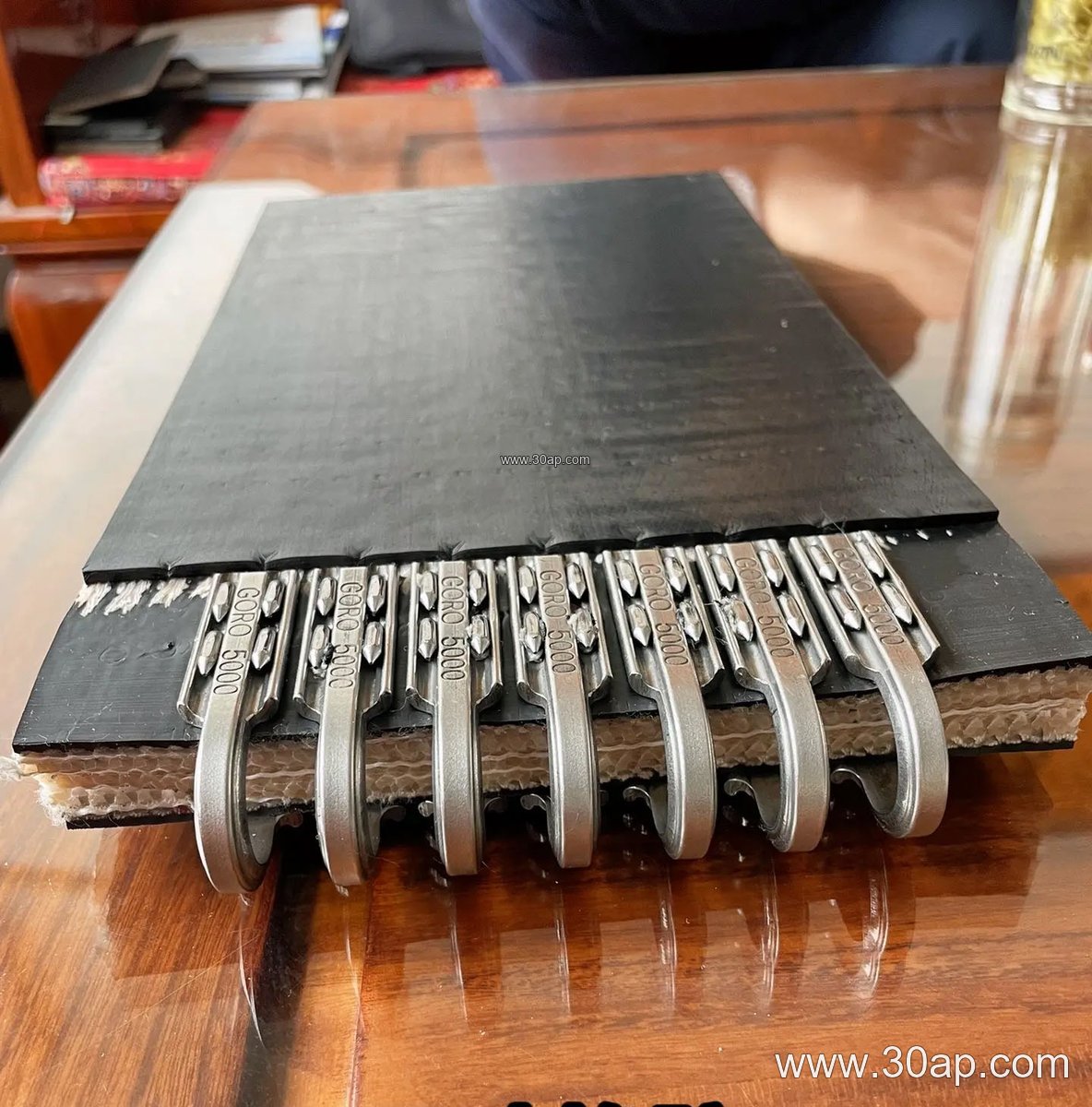
It is not a universal answer. Very long overland routes with high tension often move to a steel cord conveyor belt, while short feeder belts may use a lighter NN conveyor belt. Knowing where the EP500 sits helps a buyer avoid over- or under-specifying.
Common Reference Data
Values below are typical reference ranges, not fixed supply promises. Final figures depend on the manufacturer and the belt design.
| Parameter | Common Range |
|---|---|
| Strength grade | EP500 (also EP200, EP400, EP630, EP800 in the same family) |
| Belt width | B650, B800, B1000, B1200, B1400, B1600 |
| Cover thickness | 4+2 mm, 5+2 mm, 6+2 mm, 8+3 mm |
| Carcass plies | 2 to 6 |
Width selection follows the conveyor design and the lump size, not a fixed rule. A 1200mm wide belt and a 1000mm belt can both be correct on different lines, and neither dictates a specific pulley diameter on its own.
What a Buyer Should Check
Duty and Environment
Confirm the material, lump size, moisture and temperature. Abrasive rock calls for a high abrasion resistant cover; oily scrap or grain may need an oil resistant compound; cold climates may justify a cold resistant grade.
Conveyor Hardware
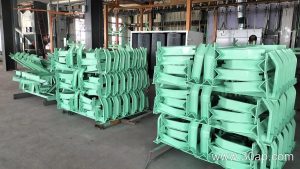
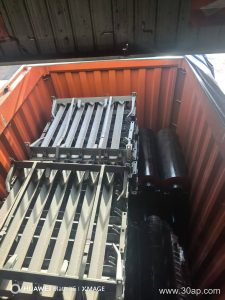
Belt life depends on the whole system. Check that conveyor pulleys are true-running and correctly crowned, that idler roller spacing matches the belt sag limit, and that conveyor brackets are aligned. A misaligned frame shortens belt life faster than cover wear does.
Splice and Delivery Form
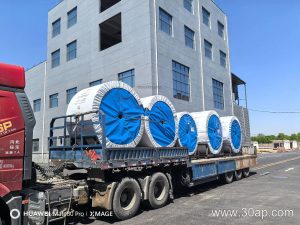
Ask whether the belt ships as an open length for mechanical or vulcanized splicing, or as an endless conveyor belt made to the center distance. For permanent installations, a vulcanized splice usually gives the smoothest run.
Documentation
Request the datasheet for the exact EP500 construction, including ply count, cover grade and thickness, and allowable working tension. Compare like for like across suppliers rather than relying on the grade name alone.
Maintenance Notes
Inspect the belt regularly for edge damage, cover gouges and exposed fabric. Keep the tail area clean so material does not pack around the tail pulley, and check that skirt rubber does not press too hard on the belt. Tracking problems should be corrected at the frame or pulley rather than by over-tensioning, which stresses the carcass.
For more on matching belts with rollers, pulleys and frames, see the conveyor component guides at conveyor belt and conveyor pulley resources.