What a Belt Conveyor Idler Frame Does
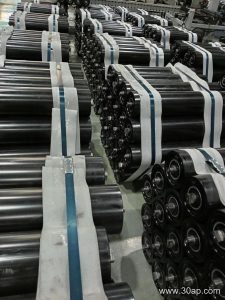
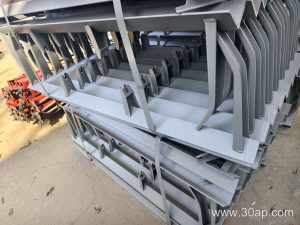
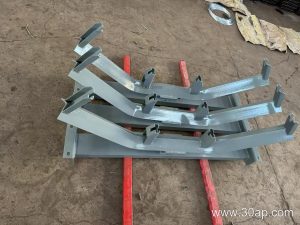
A Belt Conveyor Idler Frame is the steel support that holds idler rollers at the right position and angle under a moving conveyor belt. It is not a pulley and not a roller, but the component that ties them together. On a quarry conveyor belt line, the frame keeps the carrying run in a stable trough and the return run supported, so the belt tracks smoothly from the tail pulley to the drive pulley.
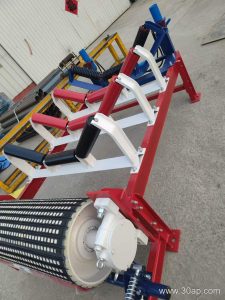
Frames are often grouped by function. Carrying frames hold troughing idlers, transition frames ease the belt from flat to troughed near a conveyor pulley, and return frames support the lower run. A V-return frame is a separate return subtype, while impact frames sit under loading points where rock, ore, or clinker falls onto the belt.
Construction and Common Materials
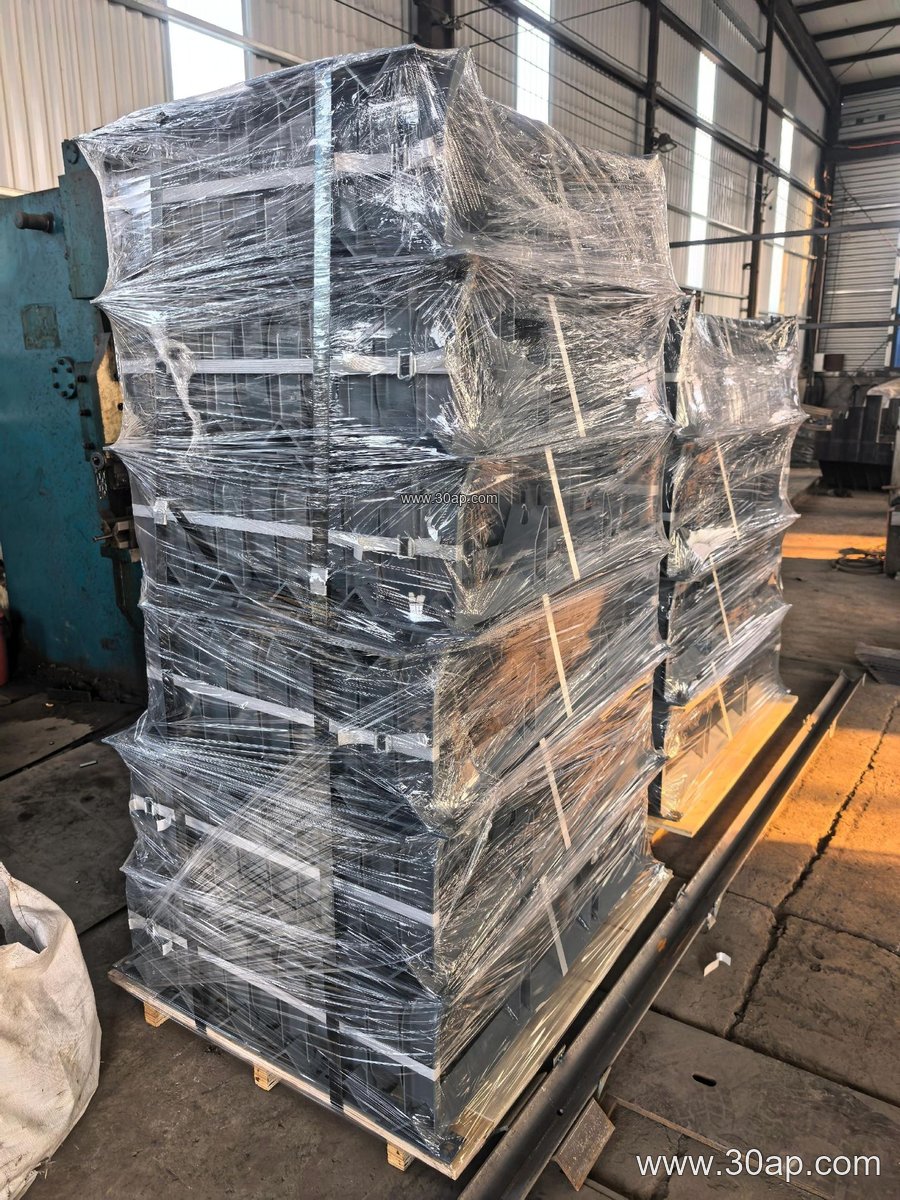
The frame is usually fabricated from angle steel, channel steel, or folded steel plate. Slots and holes are positioned so that idler roller shafts can be dropped in and locked. Crossbeam length and mounting hole spacing follow belt width and trough angle, so these are design values rather than fixed numbers.
Common material and finish choices are hot-dip galvanized steel for wet or dusty service and painted carbon steel for indoor installations. A conveyor bracket detail, such as a bolted end plate, should match the frame so the assembly stays square along the conveyor line.
Where It Fits in the Conveyor
- Quarry and sand and gravel lines: carrying frames under crusher conveyor belts and screen feed belts.
- Cement plants: frames along clinker and limestone transfer belts, where dust and heat are present.
- Coal handling and power plant coal yards: flame retardant conveyor belt systems often use sturdy frames with easy roller access.
- Ports and stockyards: long overland lines that need consistent trough alignment.
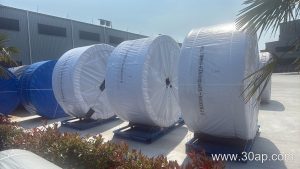
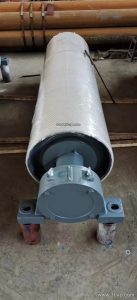
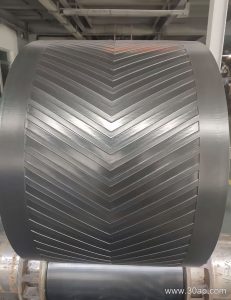
In these layouts, the frame works with the conveyor belt, idler roller, and conveyor pulley as one system. A misaligned frame can cause edge wear even when the belt itself is in good condition.
Choosing Trough Angle and Roller Diameter
Trough angle affects how well bulk material is contained. Common angles are 20, 30, 35, and 45 degrees. Adjustable frames allow the angle to be changed within that range. A typical setup might be B800 with 35 degrees and Ø108 rollers, or B1200 with 45 degrees and Ø133 rollers. For lighter lines, B650 with 30 degrees and Ø89 rollers is also seen. These are examples, not mandatory pairings; the final choice depends on belt width, material, and load.
Roller diameter options usually include Ø89, Ø108, Ø133, Ø159, and Ø194. Larger diameters suit heavier loads and higher belt speeds, but they should be confirmed against the frame design. Belt widths from B500 to B2200 appear in reference data, and wider belts need longer crossbeams. A 1200mm wide conveyor belt and a 1500mm wide belt will not use the same frame dimensions.
| Parameter | Common Reference |
|---|---|
| Belt width | B500, B650, B800, B1000, B1200, B1400, B1600, B1800, B2000, B2200 |
| Trough angle | 20°, 30°, 35°, 45° |
| Roller diameter | Ø89, Ø108, Ø133, Ø159, Ø194 |
| Forward tilt | About 1.5° to 2° |
Fixed, Adjustable, and Self-Aligning Variants
A fixed frame is welded or bolted to a set angle. An adjustable frame lets maintenance staff change the trough angle without replacing the whole assembly. Self-aligning frames use a pivot or forward tilt of about 1.5 to 2 degrees to help the belt center itself. These are different jobs, so a self-aligning frame should not be treated as a replacement for a standard carrying frame.
For a coal mining conveyor belt or an underground mining conveyor belt, flame retardant and anti-static properties matter for the belt, while the frame must resist corrosion and allow quick roller changes in confined spaces. In a cement plant, heat resistant conveyor belt sections near the kiln may need frames that tolerate thermal expansion.
Buyer Checklist
- Confirm belt width and trough angle before ordering, and check the mounting hole spacing against the existing conveyor bracket.
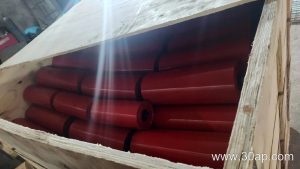
- Match roller diameter to the idler roller series already in use, so spare parts stay interchangeable.
- Ask for the steel grade and surface treatment, especially for wet quarry or port duty.
- Check whether the frame is fixed, adjustable, or self-aligning, and whether impact or transition frames are needed.
- Review access for roller removal and lubrication points.
For more details on frames and related conveyor components, visit conveyor idler frame and conveyor belt resources. A well-matched frame keeps the belt running straight and extends the service life of every idler roller on the line.