What an Idler Bracket Does on a Conveyor
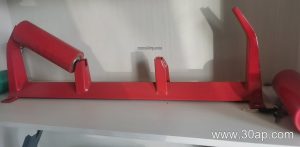
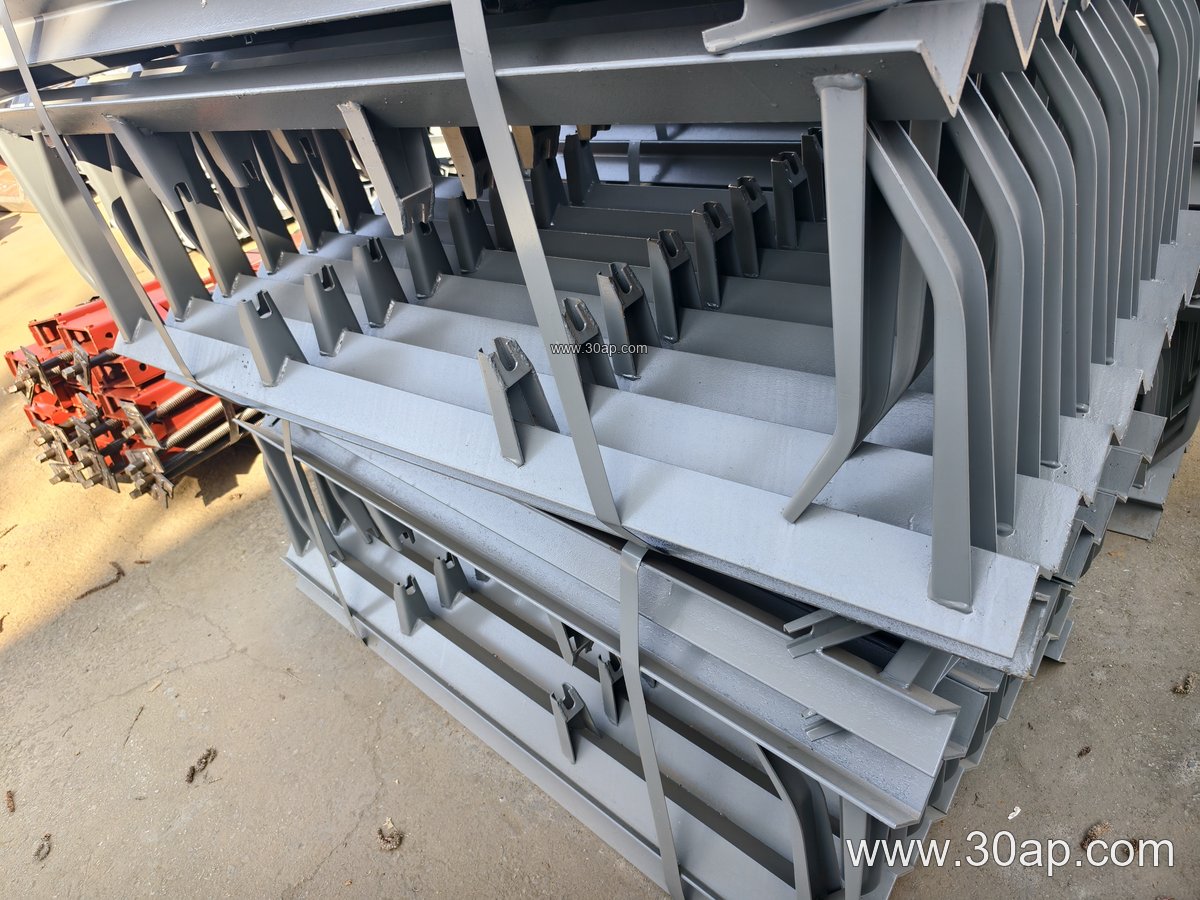
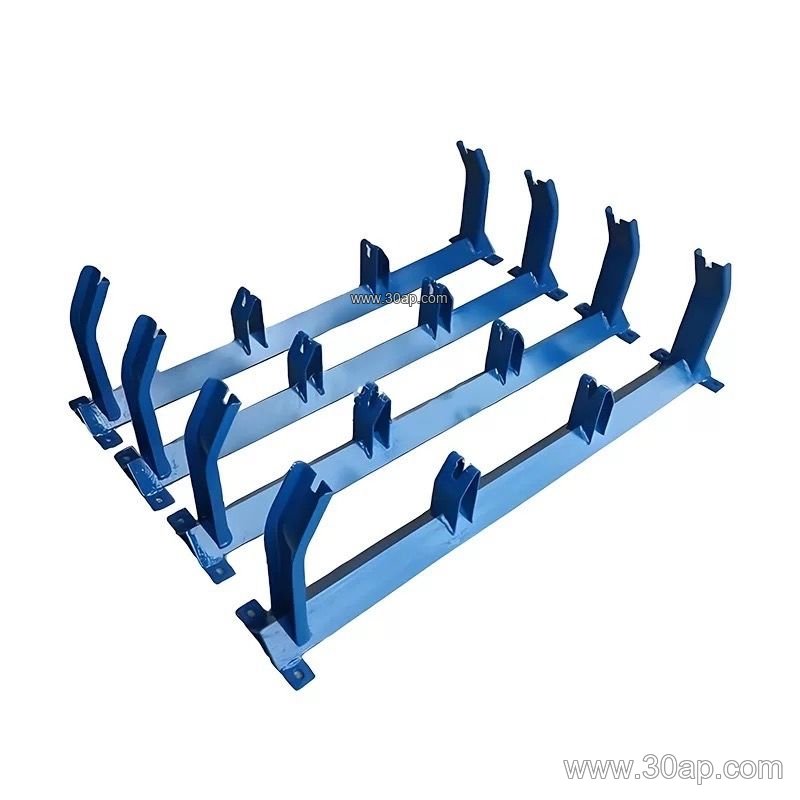
An idler bracket is the structural component that holds a conveyor idler roller in its working position along the conveyor frame. It connects the roller shaft to the stringer or cross beam, setting the trough angle, the roller spacing and the height of the belt line. In a quarry, a cement plant or a power plant coal yard, these brackets are the quiet workhorses that keep the belt tracking smoothly and the load centered.
The bracket is usually fabricated from angle steel, channel steel or folded steel plate. A well-made unit has accurate mounting slots, a consistent roller seat and a finish that resists dust and moisture. Because the bracket carries the weight of the belt plus the material, its thickness and weld quality matter as much as the roller itself.
Common Bracket Types and Where They Sit
Brackets are grouped by their position on the conveyor and by the job they perform. The main families include:
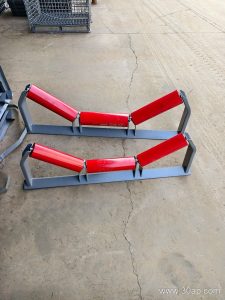
- Troughing brackets on the carrying side, which hold three or more rollers in a trough shape
- Transition brackets near the pulleys, where the belt changes from flat to troughed
- Return brackets, including flat return and V-return designs, on the lower strand
- Impact brackets under the loading point, often paired with impact rollers
- Self-aligning brackets that help correct belt wander
- Adjustable brackets that allow the trough angle to be changed on site
Each type fits a specific location. A troughing bracket is not a substitute for a return bracket, and an impact bracket should not be used as a general carrying bracket. Matching the bracket to its duty keeps the whole frame stable.
How Trough Angle and Belt Width Work Together
The trough angle affects how much material the belt can carry and how stable the load stays. Common angles are 20, 30, 35 and 45 degrees. A 30-degree trough is widely used for general bulk material, while a 45-degree trough suits fine, free-flowing cargo where capacity matters. Adjustable brackets let maintenance teams fine-tune this angle without replacing the frame.
Belt width and roller diameter are chosen together with the bracket, but they are not locked into a single combination. A B800 frame might run with a 30-degree trough and Ø108 rollers in one plant, while a B1200 line in a coal yard could use 35 degrees and Ø133 rollers. The table below shows common reference combinations, not fixed rules.
| Belt Width | Typical Trough Angle | Common Roller Diameter |
|---|---|---|
| B500 | 20–30 degrees | Ø89 |
| B650 | 30 degrees | Ø89–Ø108 |
| B800 | 30–35 degrees | Ø108 |
| B1000 | 35 degrees | Ø108–Ø133 |
| B1200 | 35–45 degrees | Ø133 |
| B1400 | 35–45 degrees | Ø133–Ø159 |
| B1600 | 45 degrees | Ø159 |
| B1800 | 45 degrees | Ø159–Ø194 |
Mounting hole spacing and cross beam length change with belt width and trough angle, so these should be confirmed from the frame drawing rather than assumed.
Matching the Bracket to the Belt and the Job
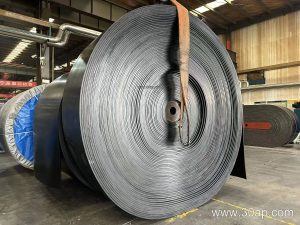
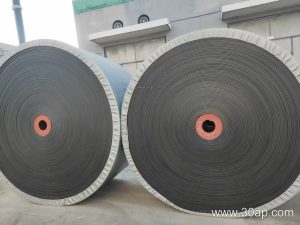
The belt itself influences bracket choice. A heavy-duty mining conveyor belt carrying ore needs a robust troughing bracket with strong roller seats. A flame retardant conveyor belt in an underground coal mine benefits from brackets that are easy to inspect and clean. In a cement plant, an abrasion resistant conveyor belt running over clinker demands brackets that hold alignment under constant vibration.
Consider the material being moved and the environment. A dusty limestone quarry, a wet coal wash plant and a hot sinter line each put different stresses on the frame. Corrosion-resistant finishes help in wet conditions, while reinforced impact brackets protect the belt at transfer points.
Buyers should confirm the belt width, the required trough angle, the roller diameter and the mounting dimensions before ordering. It also helps to check whether the bracket is fixed or adjustable, and whether it is designed for the upper or lower strand. Asking for a dimensional drawing avoids costly mismatches during installation.
Installation and Maintenance Notes
Correct installation keeps an idler bracket working for years. Align the brackets along the frame so the rollers sit square to the belt path, and tighten fasteners to the recommended torque. Check that the trough angle is consistent from one bracket to the next, especially near transition zones.
During routine inspection, look for loose bolts, bent seats and worn roller contact points. Replacing a damaged bracket early prevents uneven belt wear and reduces the risk of a roller coming free. In high-dust areas such as a crushing and screening line, cleaning around the bracket seats helps maintain proper roller rotation.