What a 1000mm Conveyor Belt Is
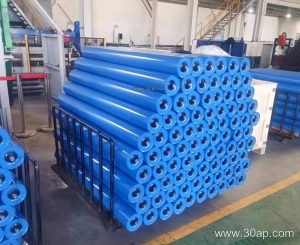
A 1000mm conveyor belt is a heavy-duty belting product with a nominal width of 1000 millimeters (B1000). It is a common choice for bulk material handling systems in mining, coal preparation, cement plants, power stations, quarries, and aggregate yards. The belt runs over a frame supported by idler rollers and driven by a conveyor pulley at the head end, with a tail pulley for tensioning and bend pulleys for routing. The 1000mm width offers a balance between load capacity and structural weight, making it suitable for medium to large tonnage circuits.
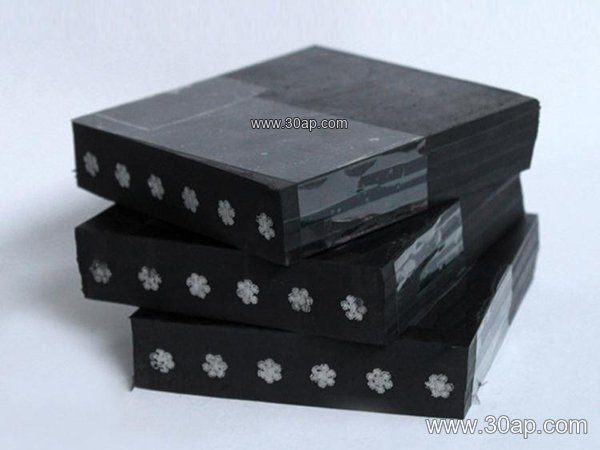
Construction and Common Types
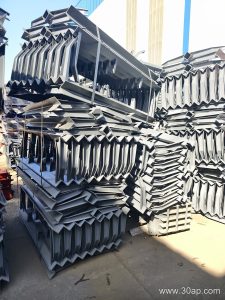
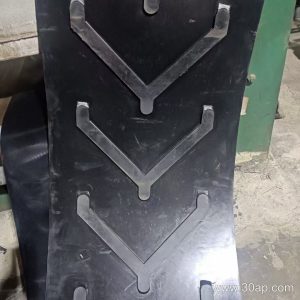
The belt body is built around a tension-bearing carcass and rubber covers. Fabric-core constructions include EP conveyor belt (polyester-nylon), NN conveyor belt (nylon-nylon), and multi-ply fabric core conveyor belt with 2 to 6 plies. For higher tension and long-distance haulage, a steel cord conveyor belt is used. Surface and edge options cover chevron conveyor belt for incline control, skirted conveyor belt and corrugated sidewall conveyor belt for containing material, and pipe conveyor belt for enclosed transport. Special grades include heat resistant conveyor belt, oil resistant conveyor belt, flame retardant conveyor belt, abrasion resistant conveyor belt, and anti-static conveyor belt for hazardous or dusty environments.
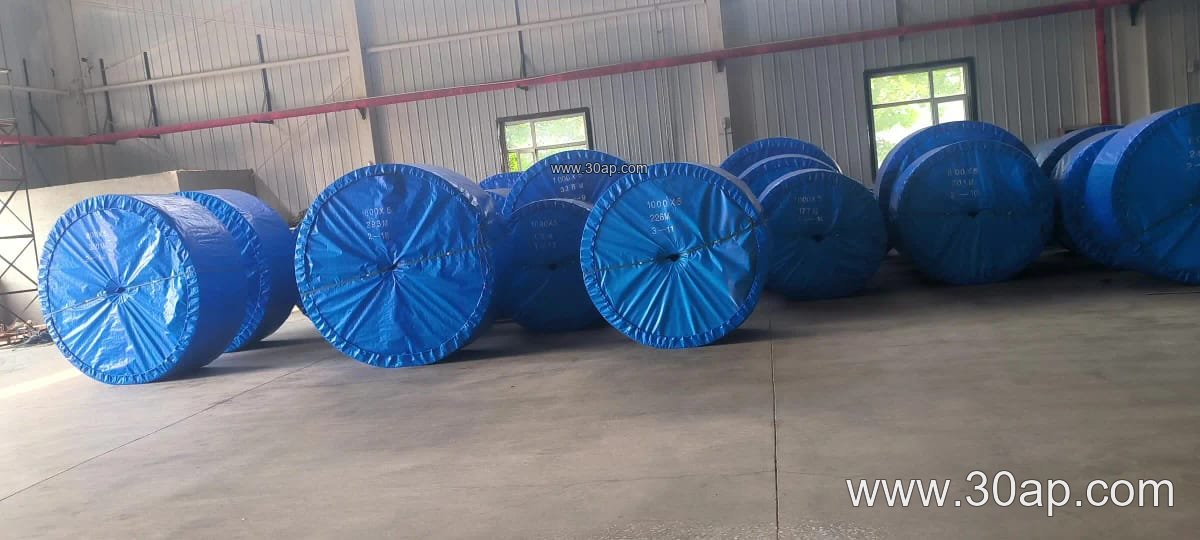
Typical Specifications and Reference Data
Buyers should treat the following values as common reference ranges, not fixed supply promises. Actual build depends on the conveyor design, material lump size, and operating conditions.
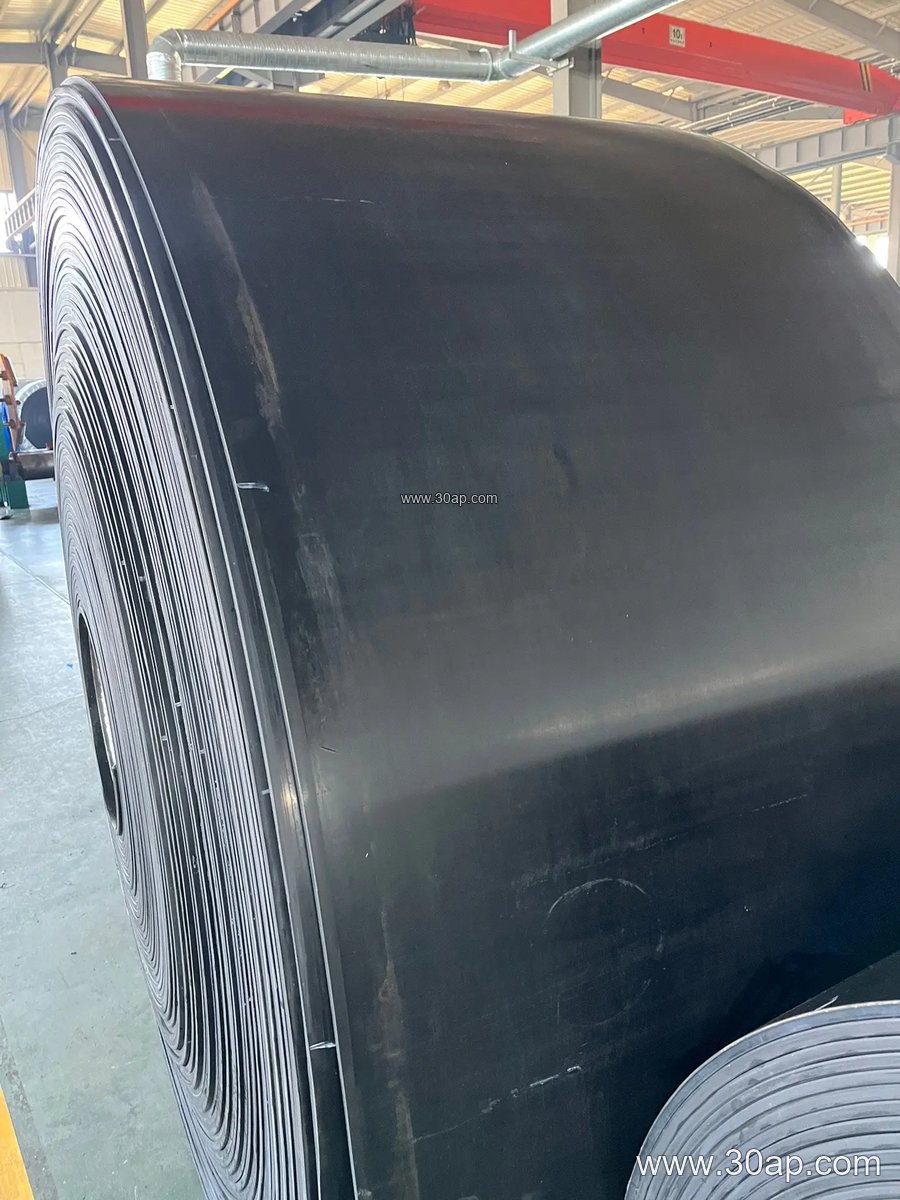
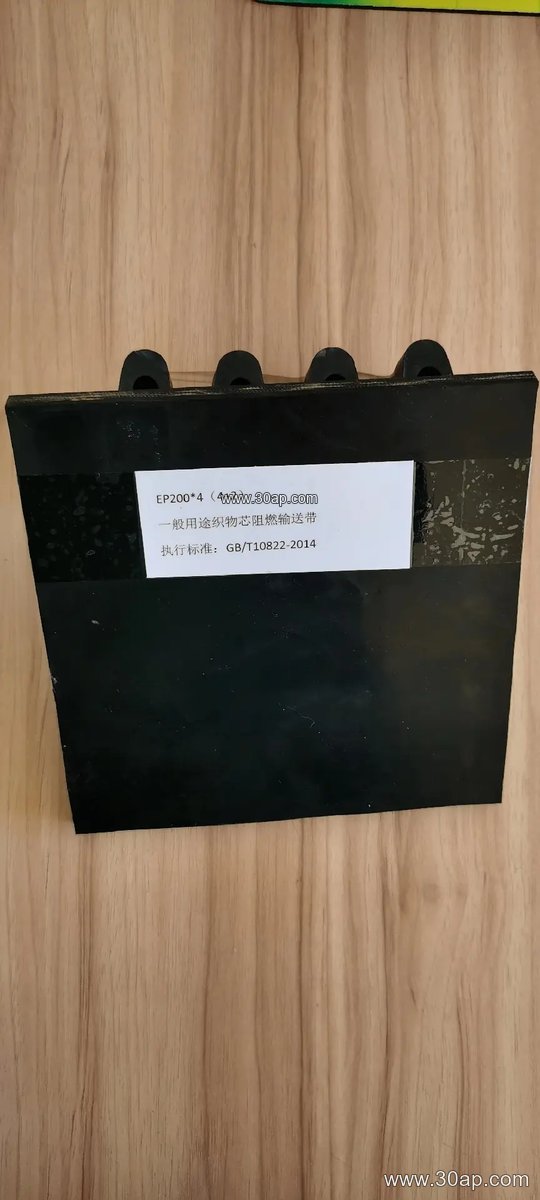
- Width: B1000 (1000mm) is the nominal belt width; matching pulley face width and frame dimensions are determined by the conveyor designer.
- Fabric carcass: EP100, EP200, EP315, EP400, EP500, EP630, EP800, EP1000, EP1250 grades are frequently referenced.
- Steel cord: ST1000, ST1250, ST1600, ST2000 grades appear in heavy-duty mining and port systems.
- Cover thickness: common combinations include 3+1.5 mm, 4+2 mm, 5+2 mm, 6+2 mm, and 8+3 mm (top + bottom cover).
- Ply count: fabric belts usually range from 2 to 6 plies.
- Special constructions: PVG800S and PVC grades are used in underground coal mining; flame retardant and anti-static grades are specified for coal handling.
Where It Is Used
In a coal mining conveyor belt circuit, a 1000mm belt with flame retardant and anti-static properties is common for main haulage. In a cement plant conveyor belt line, abrasion resistant and heat resistant covers handle clinker and raw meal. Quarry conveyor belt and aggregate conveyor belt systems use 1000mm belting to move crushed stone and sand. Power plant conveyor belt installations transport coal from stockyard to boiler, while port conveyor belt and ship loading conveyor belt systems rely on wide, heavy-duty belts for fast loading. The 1000mm width also fits crusher conveyor belt discharge lines and bulk material conveyor belt transfer points.
Buyer Checklist
Before ordering a 1000mm conveyor belt, confirm the material type, lump size, temperature, oil or chemical exposure, and required flame resistance. Check the conveyor pulley diameter and idler roller spacing with the system designer; belt width alone does not fix pulley or shaft dimensions. Specify cover grade and thickness, carcass type and strength grade, and whether an endless conveyor belt is needed for reduced splice time. Ask for the manufacturer’s data sheet and confirm that the belt matches the conveyor bracket and frame dimensions. For harsh duty, consider a heavy-duty mining conveyor belt or a high abrasion resistant grade.
Maintenance Notes
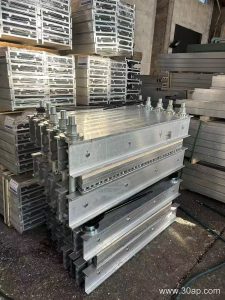
Keep idler rollers turning freely and check pulley lagging for wear. Misalignment at the tail or bend pulley can cause edge damage on a 1000mm belt. Inspect splices and cover wear regularly, especially in crusher and quarry duty. Store spare belting in a dry, shaded area and follow the supplier’s splice procedure.