What a Large-Diameter Pulley Does on a Conveyor
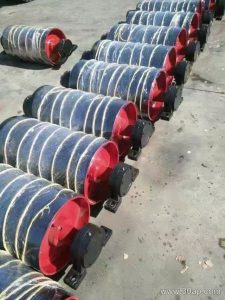
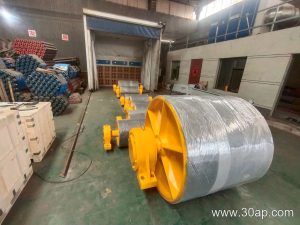
A large-diameter pulley is a conveyor pulley whose shell diameter is sized well above the minimum needed for the belt to wrap smoothly. In practice, these pulleys are often found at the head, tail, tension, or bend positions of a conveyor where the belt carries heavy loads or where a gentle bend radius matters. The larger the diameter, the lower the bending stress on the belt carcass and the more contact area there is between the pulley and the belt. That is why a large-diameter pulley is common in quarry, cement, and power-plant coal handling lines where a fabric-core or steel-cord belt runs at high tension.
This pulley is not a drive, tail, or bend pulley by definition; it is a size class that can appear in any of those positions. For example, a drive pulley at the head of a primary crusher discharge conveyor may be a large-diameter pulley with hot-vulcanized rubber lagging, while a bend pulley on the same line might be smaller. The term describes the shell size, not the functional role.
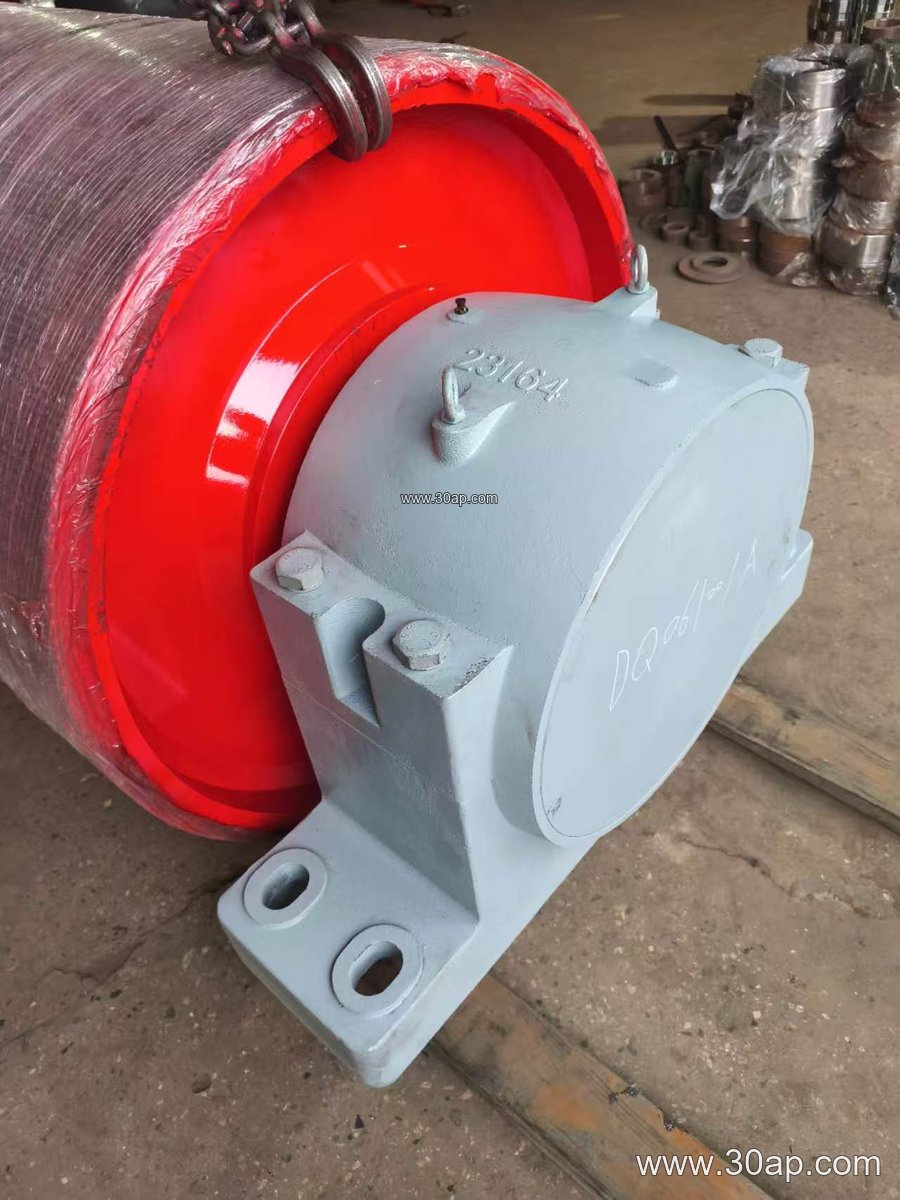
How the Pulley Is Built
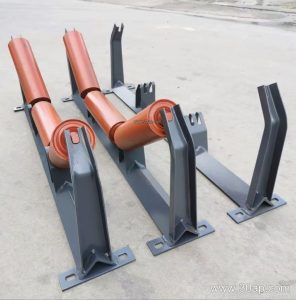
The shell is usually a rolled steel cylinder, machined at the ends and welded to the hub plates. The shaft is sized by torque and load, not by belt width alone. Common shaft diameters include Ø50, Ø60, Ø80, Ø100, Ø120, and Ø160 mm, but the final value is set by the design engineer. Bearing housings sit at each end, and the whole assembly is held by conveyor brackets that bolt to the conveyor frame.
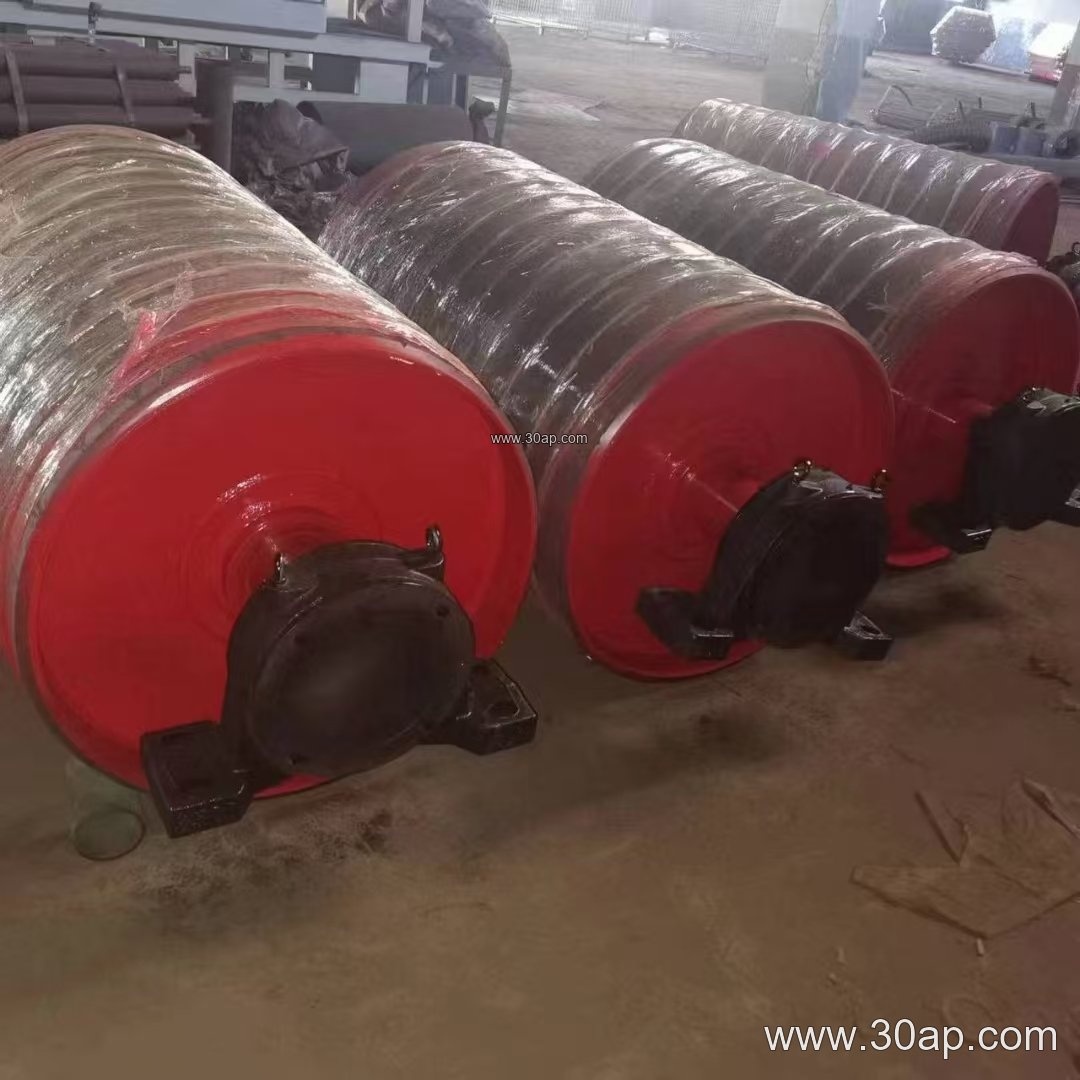
Surface treatment is a key part of the build. A large-diameter pulley may be supplied with a plain finish, cold-bonded rubber, hot-vulcanized rubber, diamond lagging, herringbone lagging, or ceramic lagging. Lagging thickness is often 8, 10, 12, 15, or 20 mm depending on the duty. For a belt carrying abrasive rock, a high-abrasion-resistant lagging helps grip without slipping; for a coal line, a flame-retardant rubber cover is often specified.
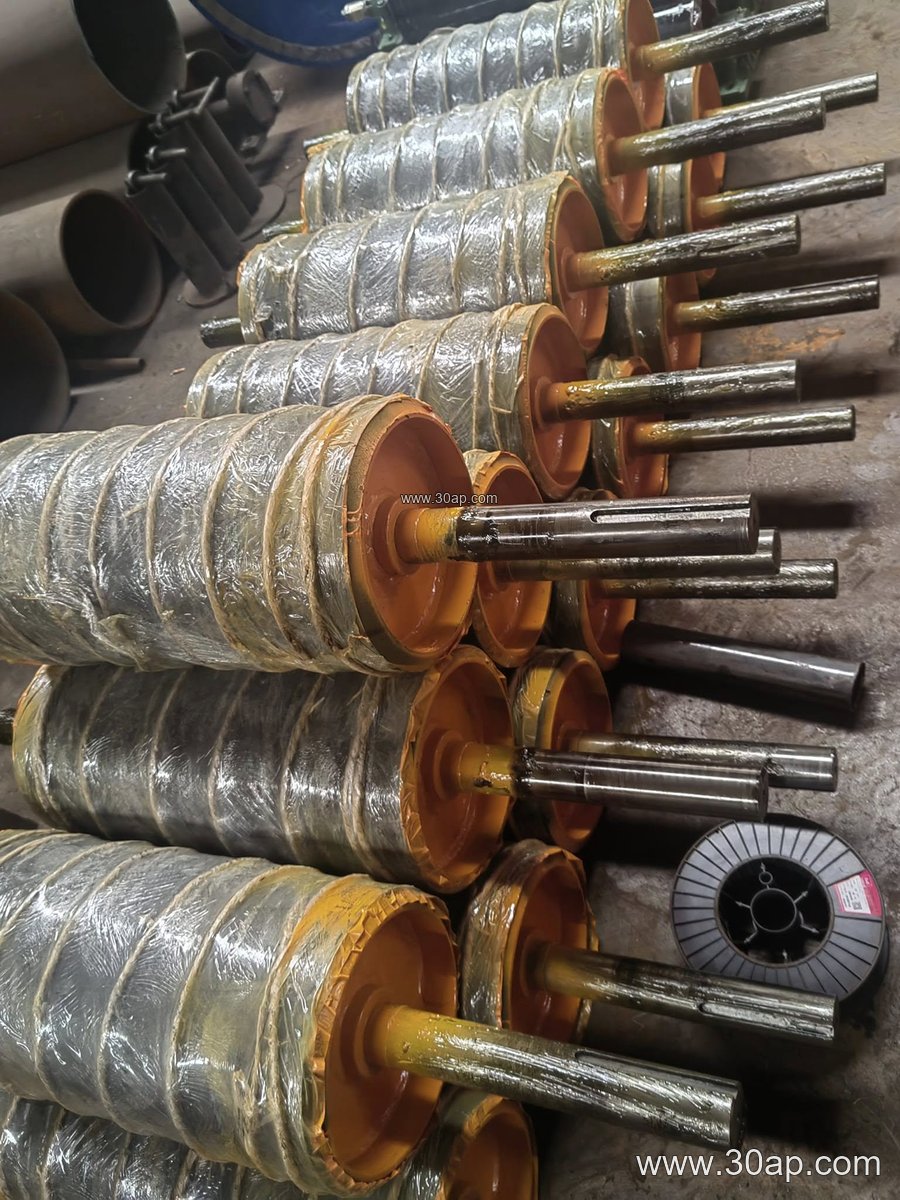
Matching Diameter to Belt and Duty
Belt width and pulley diameter are related but not locked together. A B800 belt may run on a Ø500 pulley in one conveyor and a Ø630 pulley in another, depending on belt type, speed, and load. The table below shows common combinations that appear in design documents, not fixed rules.
| Belt Width (B) | Typical Pulley Face Width | Common Large-Diameter Range |
|---|---|---|
| B800 | about 950 mm | Ø500 to Ø800 |
| B1000 | about 1150 mm | Ø630 to Ø1000 |
| B1200 | about 1400 mm | Ø800 to Ø1250 |
| B1400 | about 1600 mm | Ø1000 to Ø1400 |
| B1600 | about 1800 mm | Ø1250 to Ø1600 |
| B1800 | about 2000 mm | Ø1400 to Ø1800 |
These ranges are reference data. A large-diameter pulley for a steel-cord belt such as ST1600 or ST2000 may need a larger shell than a fabric-core EP200 belt at the same width because the steel-cord belt has a stiffer carcass. Conversely, a short conveyor with a light EP100 belt may use a smaller pulley even at B1200.
Where It Fits in the Plant
In a limestone quarry, a large-diameter pulley often appears at the discharge of a primary crusher where the belt carries run-of-mine rock. The pulley face may be B1400 or B1600, and the lagging is usually a thick abrasion-resistant rubber to handle sharp edges. In a coal-fired power plant, the same size class may be used on the coal conveyor feeding the bunker, but with flame-retardant lagging and a smooth finish to avoid material buildup.
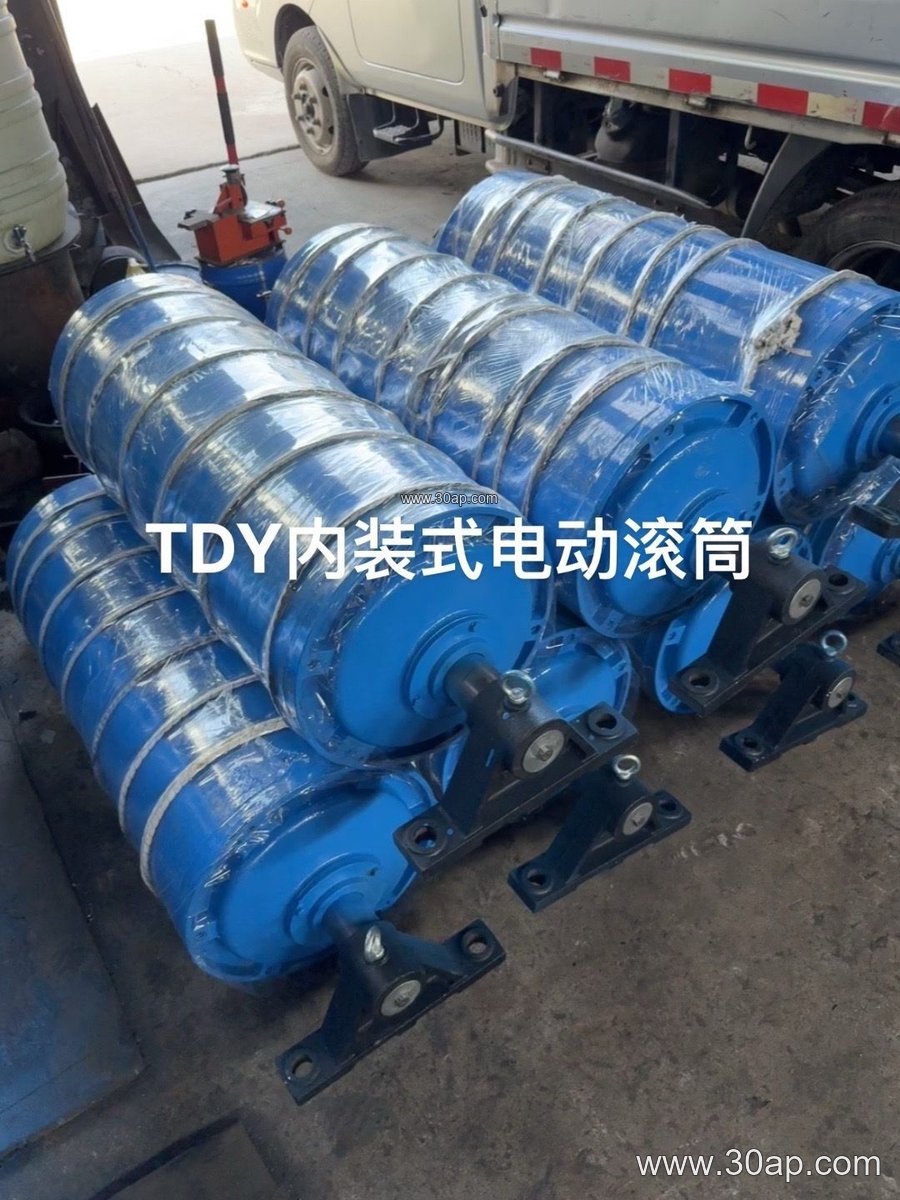
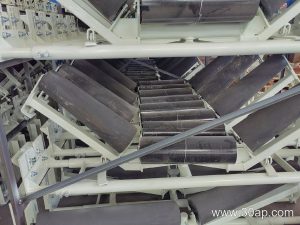
Other common locations include the tension pulley at the take-up tower, where a large diameter reduces belt flexing, and the bend pulley at a transfer point where the belt changes direction. In each case, the pulley works with the conveyor belt, idler rollers, and conveyor brackets to keep the line running true.
What a Buyer Should Check
- Confirm the functional position: head, tail, tension, or bend. A large-diameter pulley for a drive position needs a different lagging pattern than one used only for direction change.
- Match the pulley face width to the belt. For B1000, a face width around 1150 mm is common; for B1800, around 2000 mm.
- Check the shaft diameter against the actual torque and bearing load. Do not assume a shaft size from belt width alone.
- Specify the lagging type and thickness for the material. Abrasive ore calls for high-abrasion rubber; oil-soaked environments may need oil-resistant lagging.
- Confirm the belt type and tension. A steel-cord belt such as ST2500 may require a larger shell and stronger hub than an EP630 belt at the same width.
For a reliable quote, provide the belt width, belt type, pulley position, shaft diameter, lagging preference, and the conveyor brackets interface. A large-diameter pulley is a long-life component when sized to the actual duty, and it pays back in reduced belt wear and fewer stoppages.