What the Ø76 Conveyor Idler Is
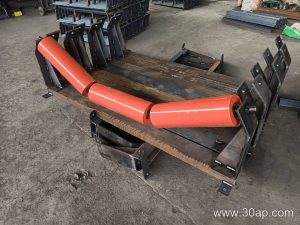
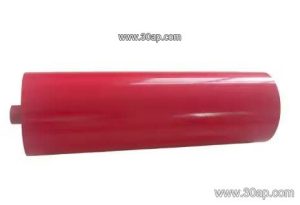
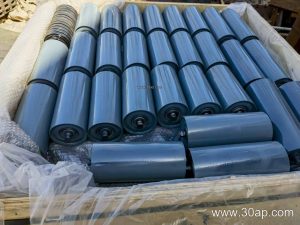
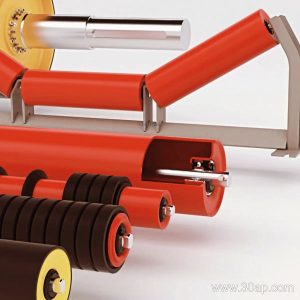
The Ø76 conveyor idler is a carrying or return roller with a 76 mm outside shell diameter, used to support the conveyor belt along the length of a conveyor. It is one of the smaller standard roller diameters, and that makes it a practical choice where the belt line has limited space below the belt, where belt speed is moderate, and where the load per roller is not extreme. In a typical troughing set, three of these idlers form the trough that shapes the belt and holds the material; on the return side, one or two flat or V-return idlers keep the belt tracking cleanly. The Ø76 conveyor idler is a complete assembly, not just a tube: shell, shaft, bearings, seals and end caps work together, and the quality of the smaller parts often decides how long the roller lasts.
How the Roller Is Built
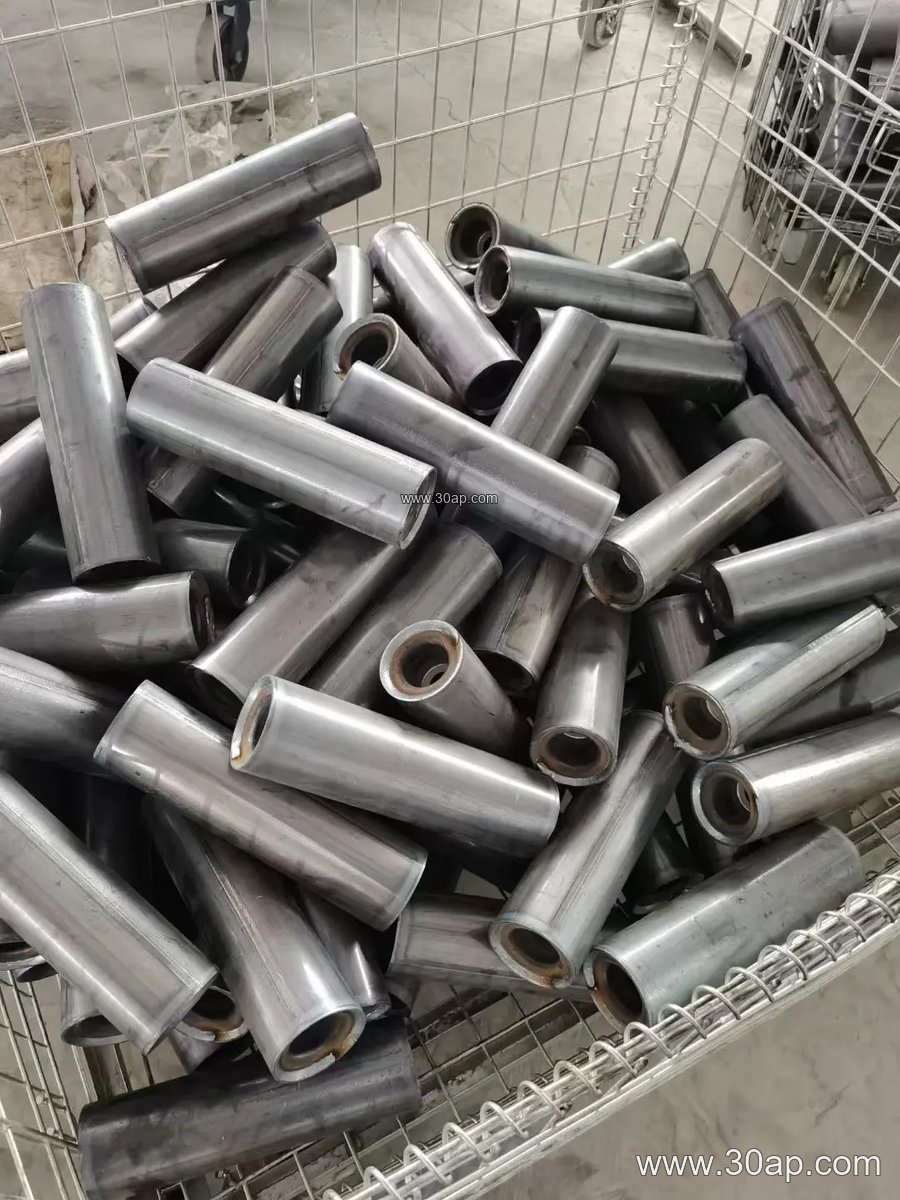
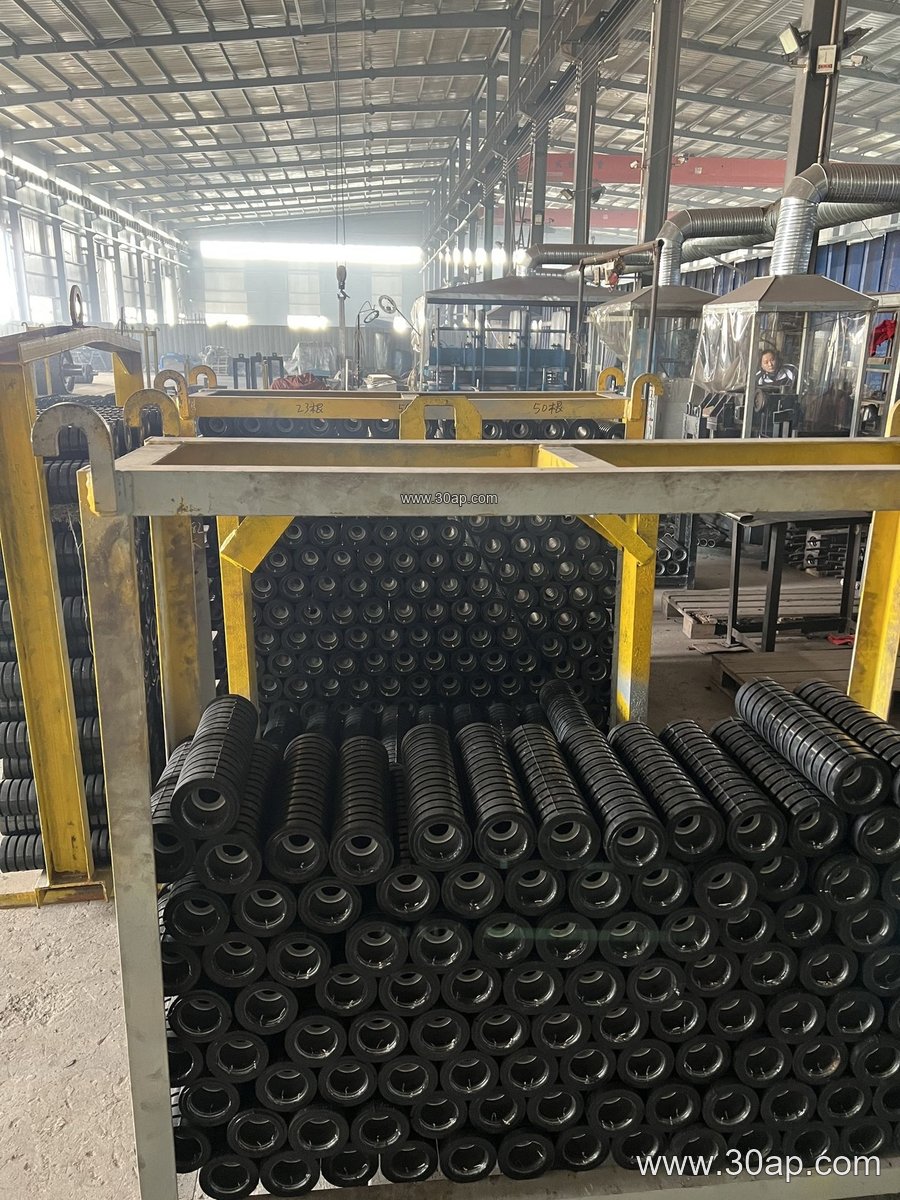
Most Ø76 idlers use a steel tube shell, with bearing housings welded or pressed into each end. Common bearing sizes for this diameter include 6204 and 6205, though the exact bearing is set by the shaft load and the manufacturer’s design rather than by the 76 mm figure alone. Seals are critical in dusty service: a labyrinth or multi-stage seal keeps fine grit out of the bearing cavity, which matters in a quarry or a cement plant where airborne dust is constant. Roller surfaces can be plain steel, nylon, or fitted with rubber rings for impact zones. A rubber-ring impact idler is often placed under the loading point, while plain steel idlers handle the normal carrying run.
Typical Reference Dimensions
The figures below are common reference values, not universal specifications. Roller length varies with belt width, trough angle and the idler set arrangement, and side rollers may differ from the centre roller.
- Roller diameter: Ø76 mm
- Common belt widths: B500, B650, B800, B1000
- Common trough angles: 20°, 30°, 35°
- Typical bearing options: 6204, 6205
- Roller surface: steel tube, nylon, rubber ring
For a three-roller troughing set, a rough length reference is about 200 mm for B500, 250 mm for B650, 315 mm for B800 and 380 mm for B1000. These are examples only; the final length depends on the frame and the trough geometry.
Where It Fits on the Conveyor
The Ø76 conveyor idler appears most often on medium-duty lines: aggregate plants, sand and gravel yards, small to medium crushing and screening circuits, and transfer conveyors in a cement plant or a power plant coal yard. It also suits mobile and compact conveyors where a larger roller would sit too high or add unnecessary weight. In a stone crushing line, a set of Ø76 troughing idlers carries the crushed rock after the crusher, while a few rubber-ring impact idlers absorb the drop at the transfer point. On the return run, V-return idlers help centre the belt and shed loose material.
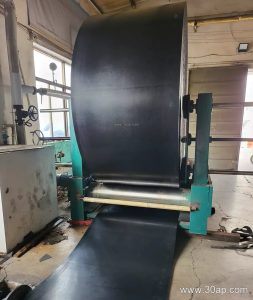
The roller does not work alone. It sits in a conveyor bracket or frame, and the belt above it may be an EP conveyor belt, an NN conveyor belt, or a heavier steel cord belt on longer hauls. Matching the idler to the belt and the load is more important than picking a diameter by habit.
What a Buyer Should Check
Before ordering, confirm the shell diameter, the roller length, the shaft end type and the bearing size, because a Ø76 idler from one supplier may not drop into another supplier’s frame. Ask about the seal design and the wall thickness of the tube, since thin shells wear through faster in abrasive service. Check the calculated load per idler: a small diameter roller has less bearing capacity than a Ø102 or Ø108 unit, so it is not the right choice for very high tonnage or very wide belts. Also confirm the trough angle and the set arrangement, since a 35° trough behaves differently from a 20° trough on the same belt.
For the belt side of the project, review whether the line needs a heat resistant conveyor belt, an oil resistant conveyor belt, or a flame retardant conveyor belt for underground coal mining work. The idler and the belt should be specified together rather than in isolation.
Maintenance Notes
Inspect idlers for seized bearings, worn shells and missing end caps. A roller that stops turning will flat-spot the belt and raise power draw. Keep the return side clear of spillage, and replace a failed idler with the same diameter and length so the belt line stays level.