What a Mining Fire Resistant Conveyor Belt Is
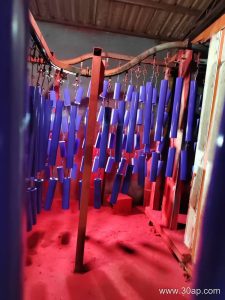
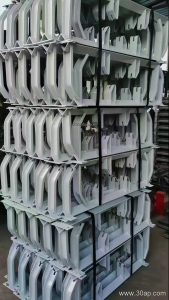
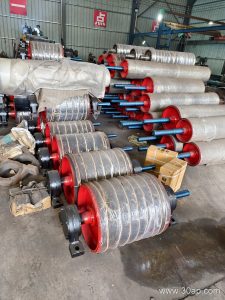
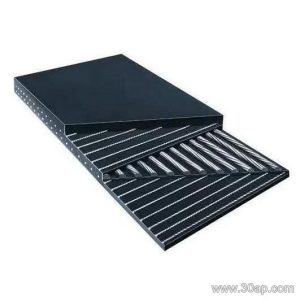
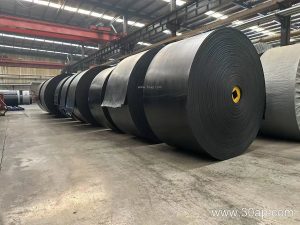
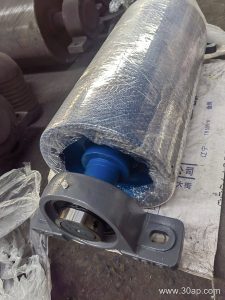
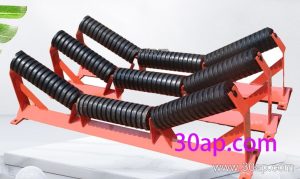
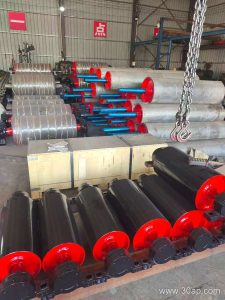
A Mining Fire Resistant Conveyor Belt is a heavy-duty rubber belt engineered to resist ignition and limit flame spread in underground and surface mining operations. It is also correctly called a fire resistant conveyor belt or flame retardant conveyor belt. The core purpose is straightforward: move coal, ore, rock, and other bulk materials while reducing the risk that a damaged or overheated belt becomes a fire path. In coal mining, cement plants, power plants, and quarry operations, this belt works alongside conveyor pulleys, idler rollers, and sturdy conveyor brackets to keep production moving safely.
Construction and Material Options
The belt combines a fabric or steel reinforcement carcass with rubber covers formulated for flame resistance. Common carcass families include EP conveyor belt (polyester-nylon), NN conveyor belt (nylon-nylon), and steel cord conveyor belt for high-tension runs. Multi-ply fabric core construction is typical in underground coal mining conveyor belts, while PVG and PVC belts are often chosen where antistatic and flame retardant properties are priorities.
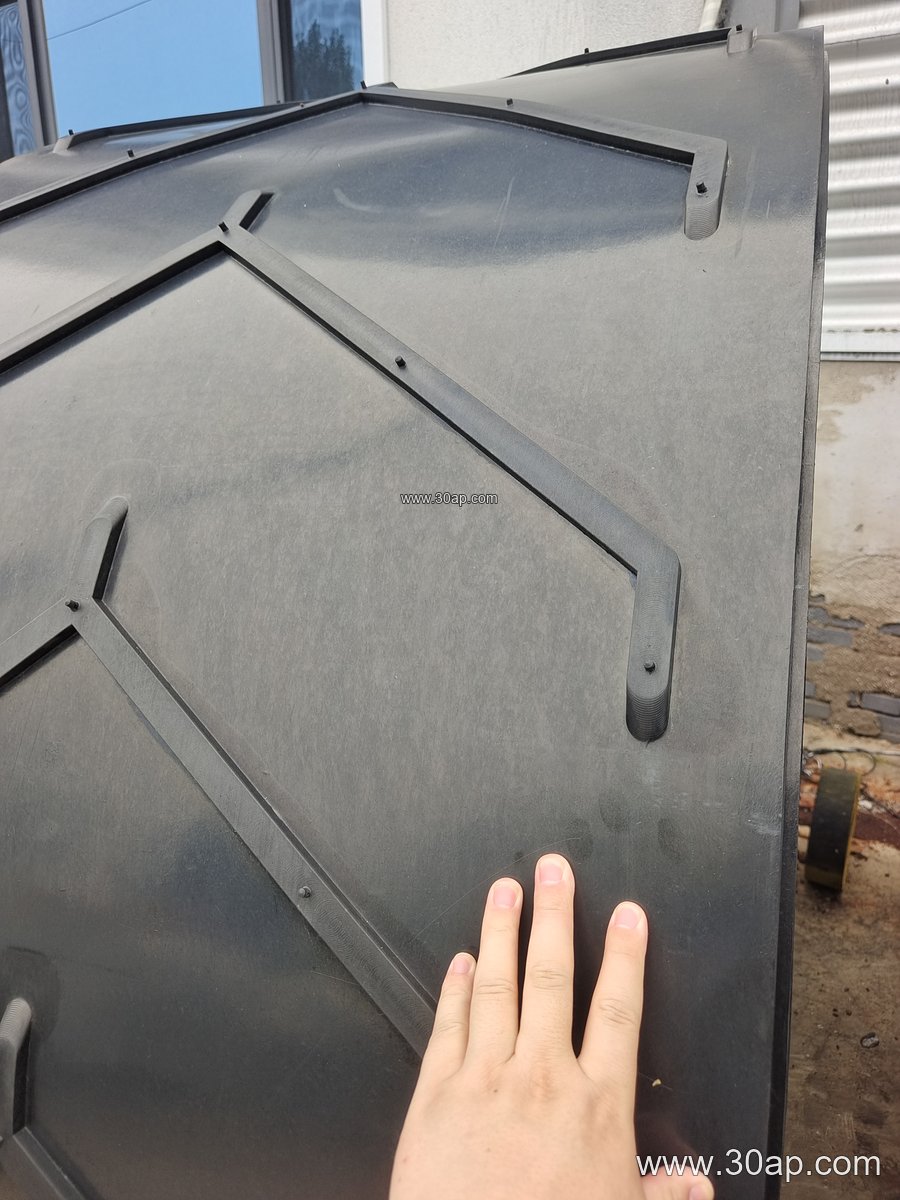
Cover compounds are selected for the actual duty. A fire resistant belt may also carry abrasion resistant, anti-static, oil resistant, or heat resistant properties, depending on whether the conveyor handles coal, clinker, limestone, or iron ore. Cover thickness is usually specified as top plus bottom, for example 4+2 mm, 6+2 mm, or 8+3 mm, and carcass layers commonly range from 2 to 6 plies. These are reference figures; final construction is confirmed by design and supplier data.
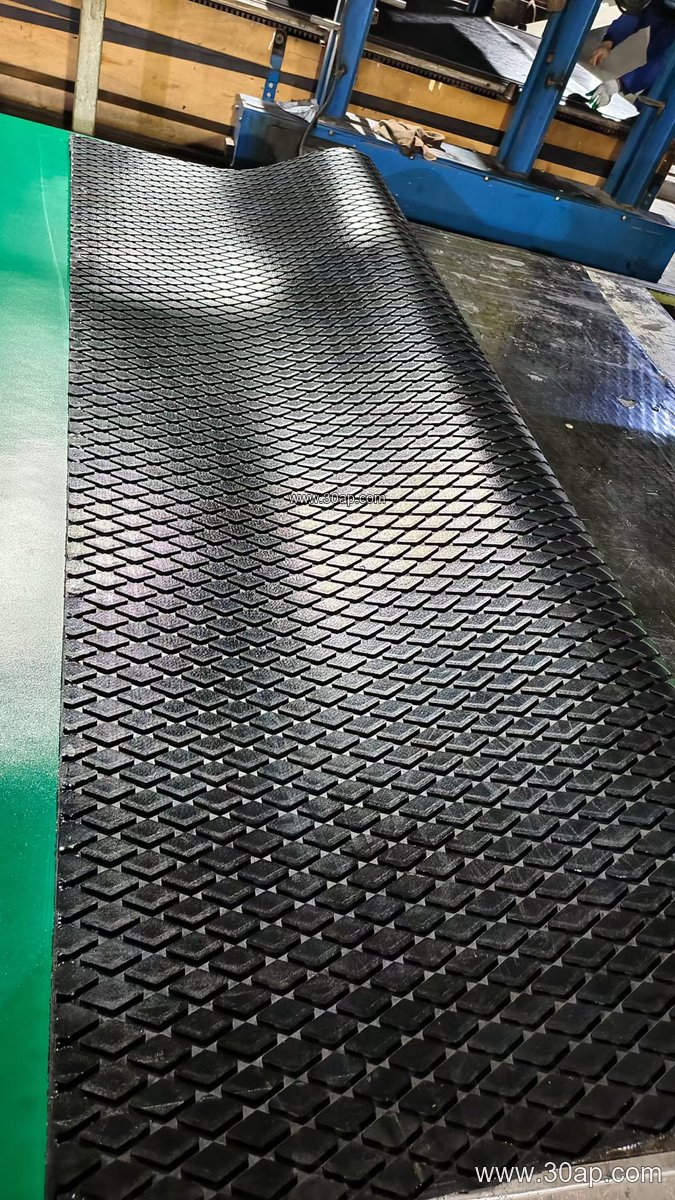
Typical Specifications
Buyers often compare strength grades and widths together. The table below shows common reference values, not fixed supply promises.
| Parameter | Common Reference Range |
|---|---|
| Fabric strength grade | EP200, EP315, EP400, EP500, EP630, EP800, EP1000, EP1250 |
| Steel cord grade (where used) | ST1000, ST1250, ST1600, ST2000 |
| Belt width | B650, B800, B1000, B1200, B1400, B1600, B1800 |
| Cover thickness | 4+2 mm, 5+2 mm, 6+2 mm, 8+3 mm |
| Carcass plies | 2 to 6 layers, depending on tension |
Width and strength are matched to the conveyor design, not to a single pulley size. A B1200 belt may run over different conveyor pulley diameters in different installations, so shaft and pulley dimensions must come from the conveyor designer.
Where It Fits in Mining and Processing
Underground coal mining conveyor belts face confined spaces, coal dust, and limited escape routes, which is why flame retardant behavior matters. Surface operations such as a quarry conveyor belt, crusher conveyor belt, or ore conveyor belt also benefit when the belt carries hot or dusty material near electrical equipment. Cement plants, steel plants, and power plants use similar belts on coal and clinker lines. Port and ship loading conveyors may specify fire resistant covers where dust control and safety rules require it.
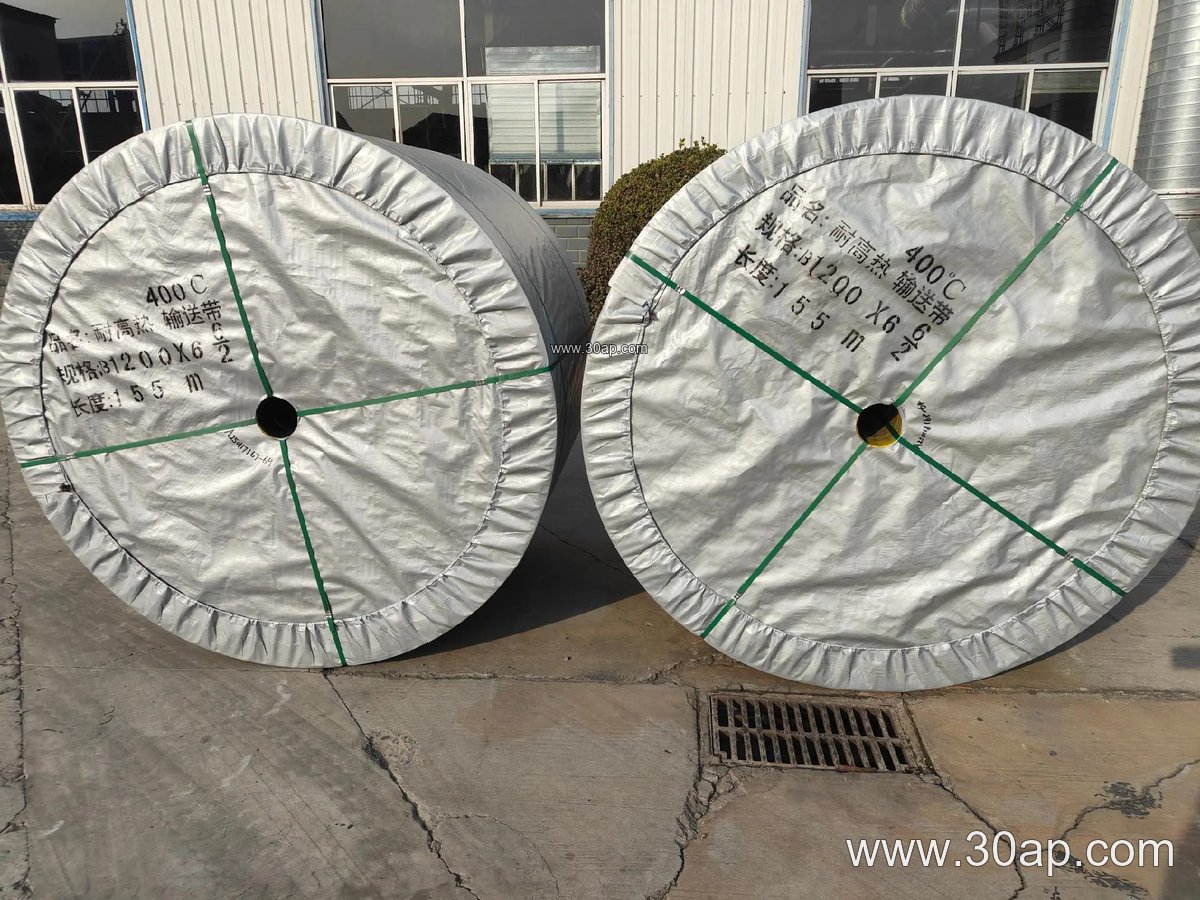
Related equipment should be reviewed as a system. Idler rollers should turn freely, conveyor pulleys should be aligned, and conveyor brackets should hold frames rigidly. A well-supported belt runs cooler and wears more evenly.
Selection and Maintenance Notes
- Confirm the fire resistance requirement with the site safety plan and the conveyor designer.
- Match the belt grade to the highest tension in the system, not only to average load.
- Check cover thickness against impact and abrasion from rock or ore lumps.
- Keep idler rollers and conveyor pulleys clean so friction heat does not build up.
- Inspect splices and edges regularly; damaged edges are a common starting point for problems.
For more information on compatible conveyor belts and components, visit www.example.com/conveyor-belt or review our www.example.com/fire-resistant-conveyor-belt notes. A Mining Fire Resistant Conveyor Belt is only one part of a safe conveyor, but choosing the right carcass, cover, and strength grade makes the whole system easier to maintain.