What a Vertical Roller Is
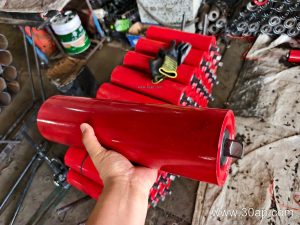
A vertical roller is a guide roller mounted in an approximately vertical position along the conveyor structure, most often at transfer points and material loading zones. Its job is to keep the belt edges tracking squarely and to absorb side loads when bulk material hits the belt off-center. In many plants it is simply called a vertical guide roller, and the two names describe the same component.
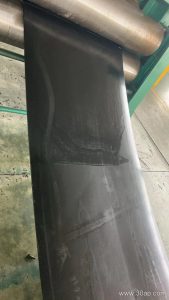
Virtually every industry that runs a conveyor belt uses these guides somewhere. In a coal mining plant or a cement works, a skewed load on the receiving belt can pull the edges over the frame within a few shifts. A vertical roller placed just downstream of the chute limits that movement and protects both the belt and the structure around it.
Construction And Mounting
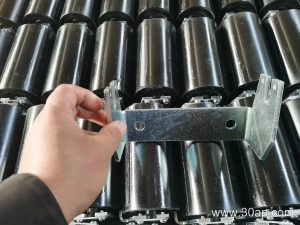
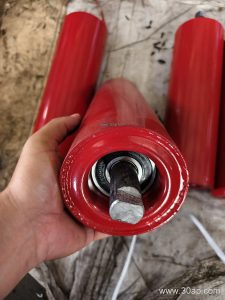
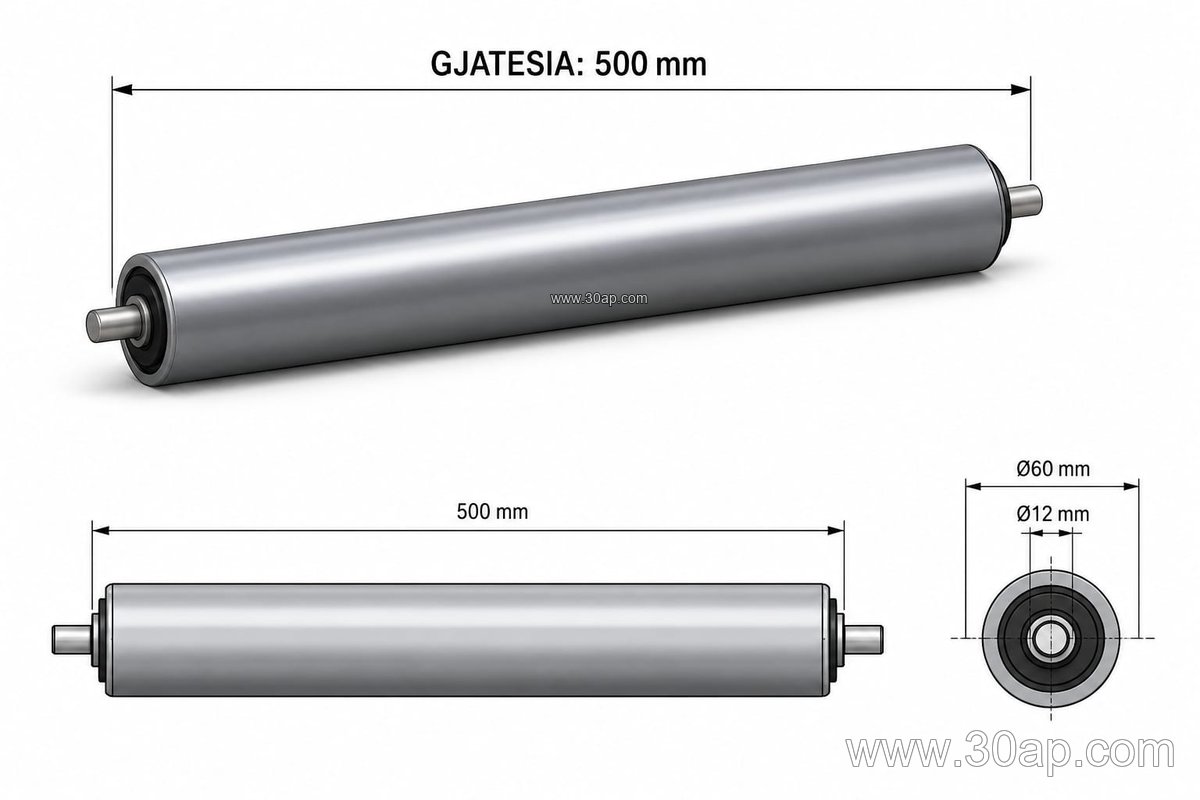
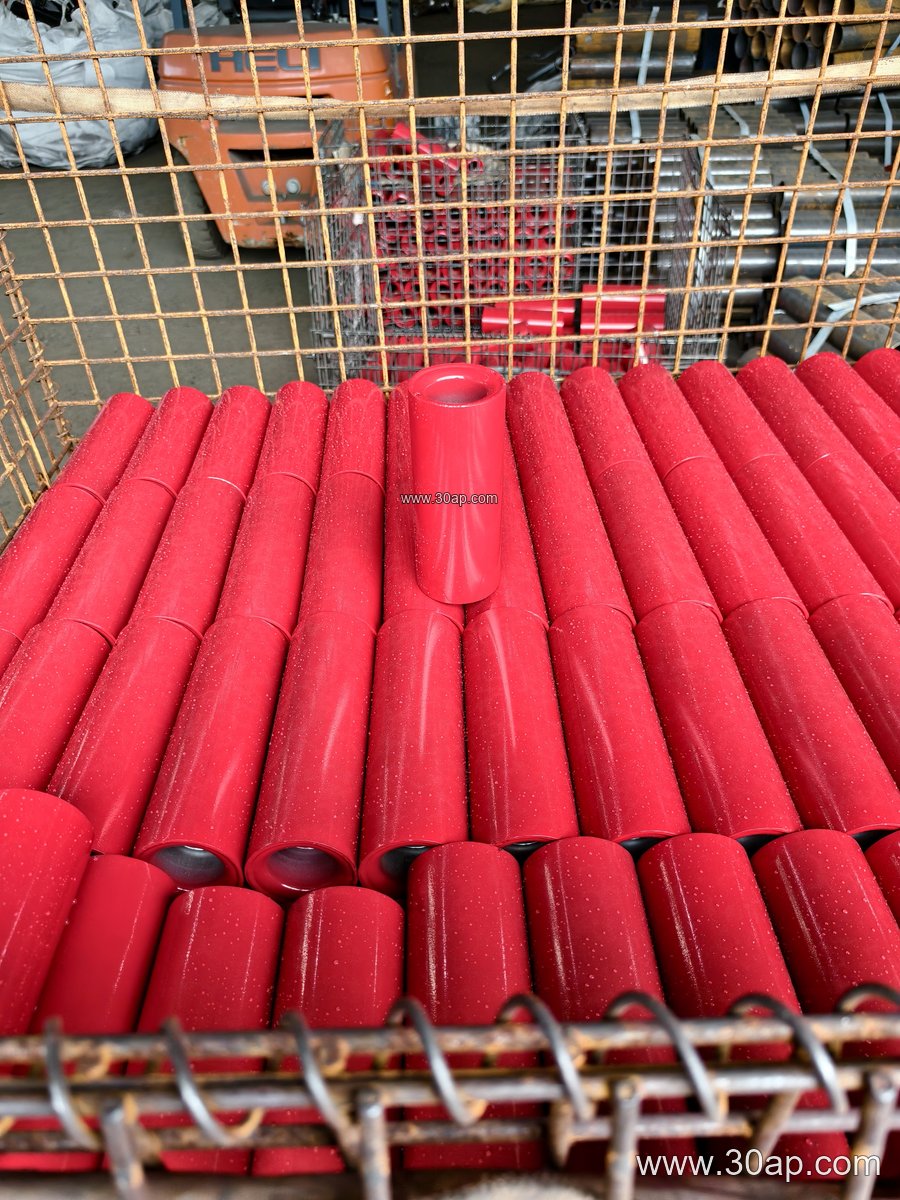
The roller body is usually a steel tube fitted with sealed bearings and a shaft, held by a bracket fixed to the conveyor frame. Roll face options include plain steel, nylon, and rubber rings; rubber covering is popular where impact and edge wear are heavy. Common shaft and bearing combinations follow the same families used elsewhere on the line, such as 6205, 6305, or 6308 bearings, though the correct choice depends on load and speed rather than on any single rule.
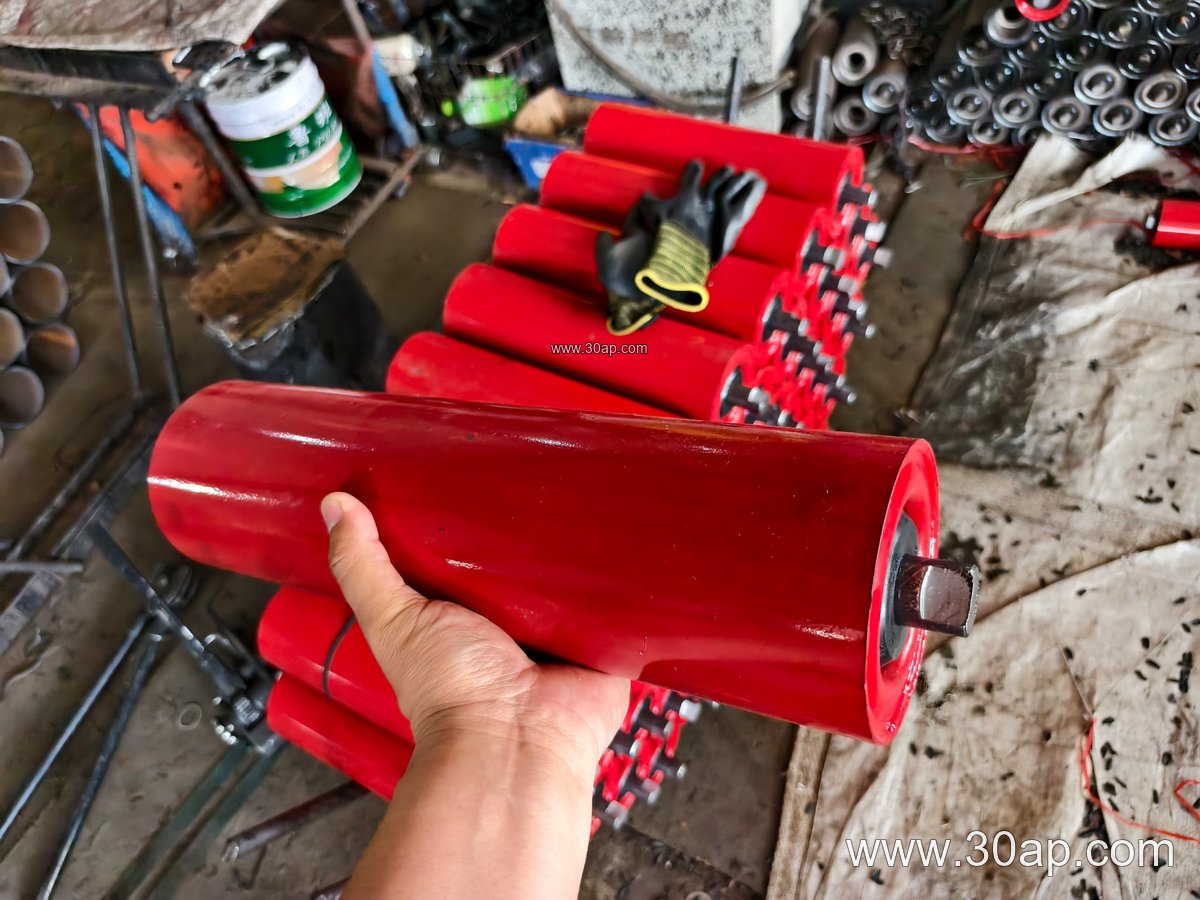
Mounting height and angle are set by the belt line. The roller should sit close to the belt edge without rubbing the surface, and the bracket must be rigid enough to resist the repeated side thrust that comes with uneven loading. A loose bracket will allow the roller to lean and lose its guiding effect.
Where It Fits In A Conveyor
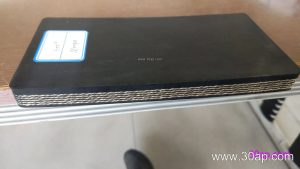
Typical positions are the entry of a transfer chute, the discharge of a crusher, and the loading point of a stockpile or ship loading conveyor. In a quarry or aggregate line, a vertical roller is often paired with impact idlers and a skirted conveyor belt so that material is contained before it spreads. On a long overland run, a few guides at critical transfer points can be enough.
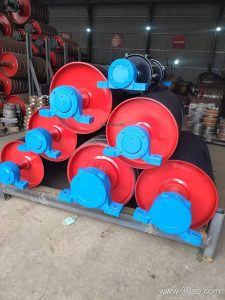
It is not a substitute for the carrying idlers or for a bend pulley at the head end. Those components have different duties: the idler supports the belt, and the pulley changes its direction. A vertical roller only steers the edge and takes side load, so it belongs in the same family as a conveyor bracket and frame accessory rather than in the drive train.
Common Reference Dimensions
Vertical rollers are usually matched to belt width and frame height. The following values are common reference points, not fixed supply commitments:
| Belt width | Typical roller diameter | Typical roller length |
|---|---|---|
| B500 | Ø63 to Ø89 mm | around 200 mm |
| B650 | Ø76 to Ø108 mm | around 250 mm |
| B800 | Ø89 to Ø133 mm | around 315 mm |
| B1000 | Ø108 to Ø159 mm | around 380 mm |
| B1200 | Ø127 to Ø178 mm | around 465 mm |
| B1400 | Ø133 to Ø194 mm | around 530 mm |
| B1600 | Ø159 to Ø219 mm | around 600 mm |
These pairings are examples only. A heavy-duty mining conveyor belt running at high speed may call for a larger shaft and bearing than a light aggregate line of the same width. The belt width alone does not determine the shaft diameter.
Buyer Checklist
- Confirm the belt width and the actual frame opening before ordering; measure the bracket bolt spacing on site.
- State the material being handled and whether it is abrasive, wet, or hot, since this affects the roller face.
- Check bearing sealing for dusty conditions such as a stone crushing plant or a power plant coal yard.
- Ask how the roller is adjusted after installation so the guide can be aligned to the belt edge.
- For flame or static-sensitive areas, confirm that the surrounding belt and components meet the plant’s safety requirements.
Maintenance Notes
Inspect vertical rollers during routine belt checks. Look for a seized bearing, a worn rubber ring, or a bracket that has shifted after impact. A roller that no longer turns freely should be replaced before it wears a groove in the belt edge. On a coal mining conveyor belt or an underground mining conveyor belt, keep the guide area clear of spilled material so the roller is not pushed out of alignment.
For more on matching rollers, pulleys, and belts, see the selection notes at vertical roller and the belt guidance at conveyor belt. Related components such as the idler roller and conveyor pulley are chosen together with the guide rollers, because tracking problems rarely have a single cause.