What the ST1250 Conveyor Belt Is
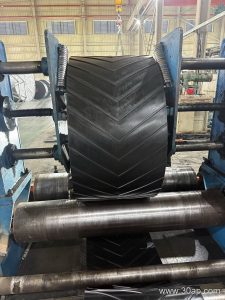
The ST1250 Conveyor Belt is a steel cord conveyor belt with a nominal tensile strength of 1250 N/mm. In the ST series it sits between lighter ST1000 and heavier ST1600 constructions, which makes it a practical middle choice for long overland lines, plant-to-stockpile runs, and main haulage belts where a fabric belt would need too many plies or too many splices. It belongs to the Steel Cord Conveyor Belt family, so the load is carried by brass-coated steel cords rather than by woven fabric.
The name follows a simple convention: ST means steel cord, and the number is the rated strength per unit width. Buyers should treat that figure as a design reference and confirm the actual specification, cover grade, and cord pitch with the manufacturer for each project.
How the Belt Is Built
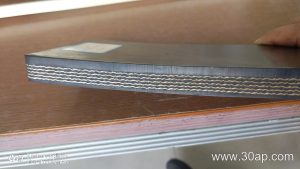
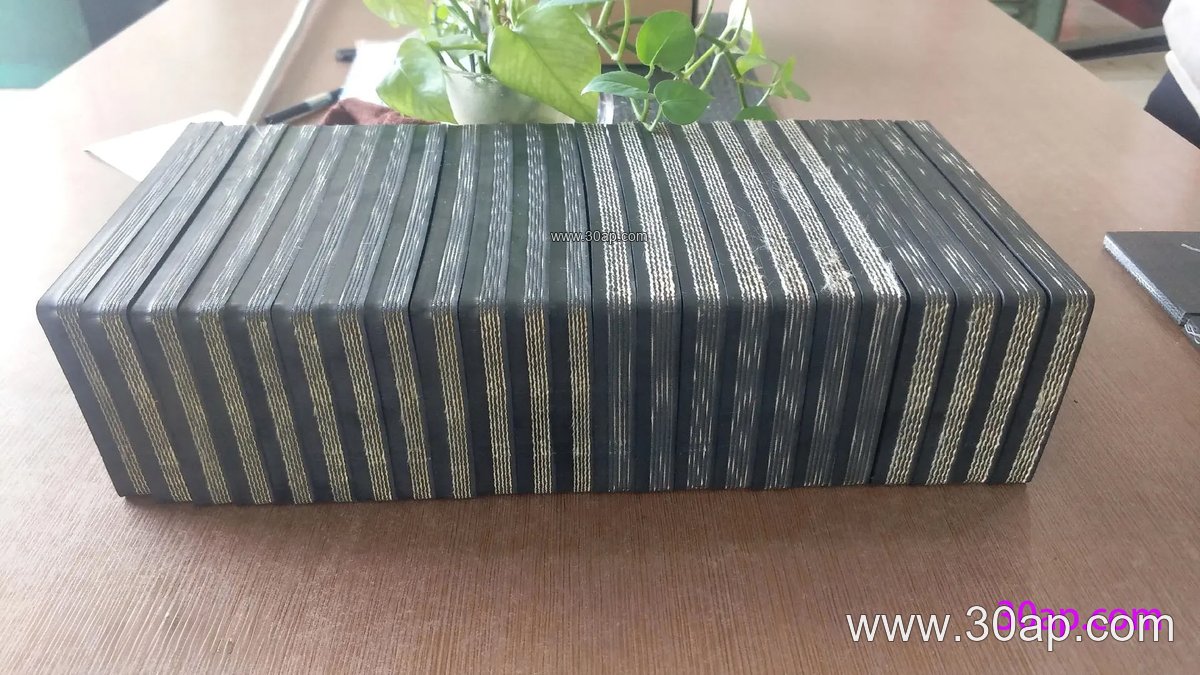
A typical ST1250 belt has three functional zones. The core is a single layer of parallel steel cords, evenly spaced and tensioned during calendering. Above and below the core sit transition layers, and the outer surfaces are covered with rubber compound. The cover protects the cords from abrasion, moisture, and impact, while the cord layer carries the tension.
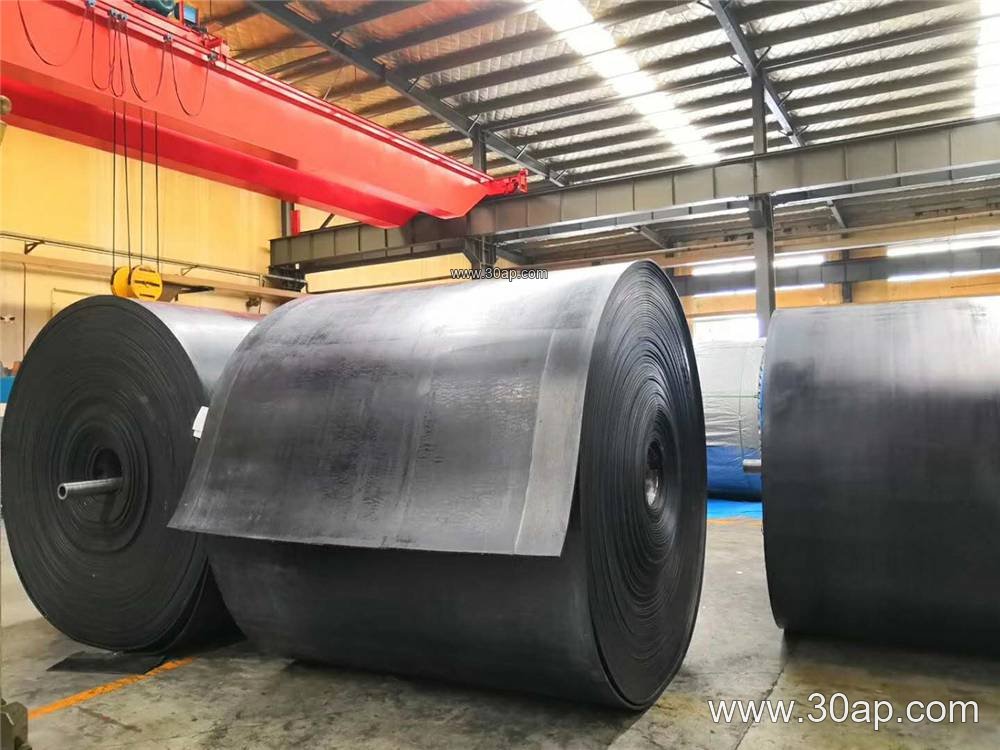
Cover thickness and compound grade are usually chosen by duty rather than by strength alone. Common cover gauges include 4+2 mm, 5+2 mm, 6+2 mm, and 8+3 mm, with the first number being the top cover and the second the bottom cover. For a high abrasion resistant conveyor belt on sharp rock, a thicker top cover is often worthwhile; for a heat resistant conveyor belt handling clinker or sinter, the compound class matters more than extra thickness.
Typical Duty and Industry Use
Because of its strength-to-weight balance, the ST1250 is often specified for mining conveyor belts in iron ore, copper ore, and coal mining conveyor belt duties, as well as for quarry conveyor belts and aggregate conveyor belts feeding crushers and screens. It also appears in cement plants, power plants, steel plants, and port ship loading systems where a bulk material conveyor belt must run at high capacity over long distances.
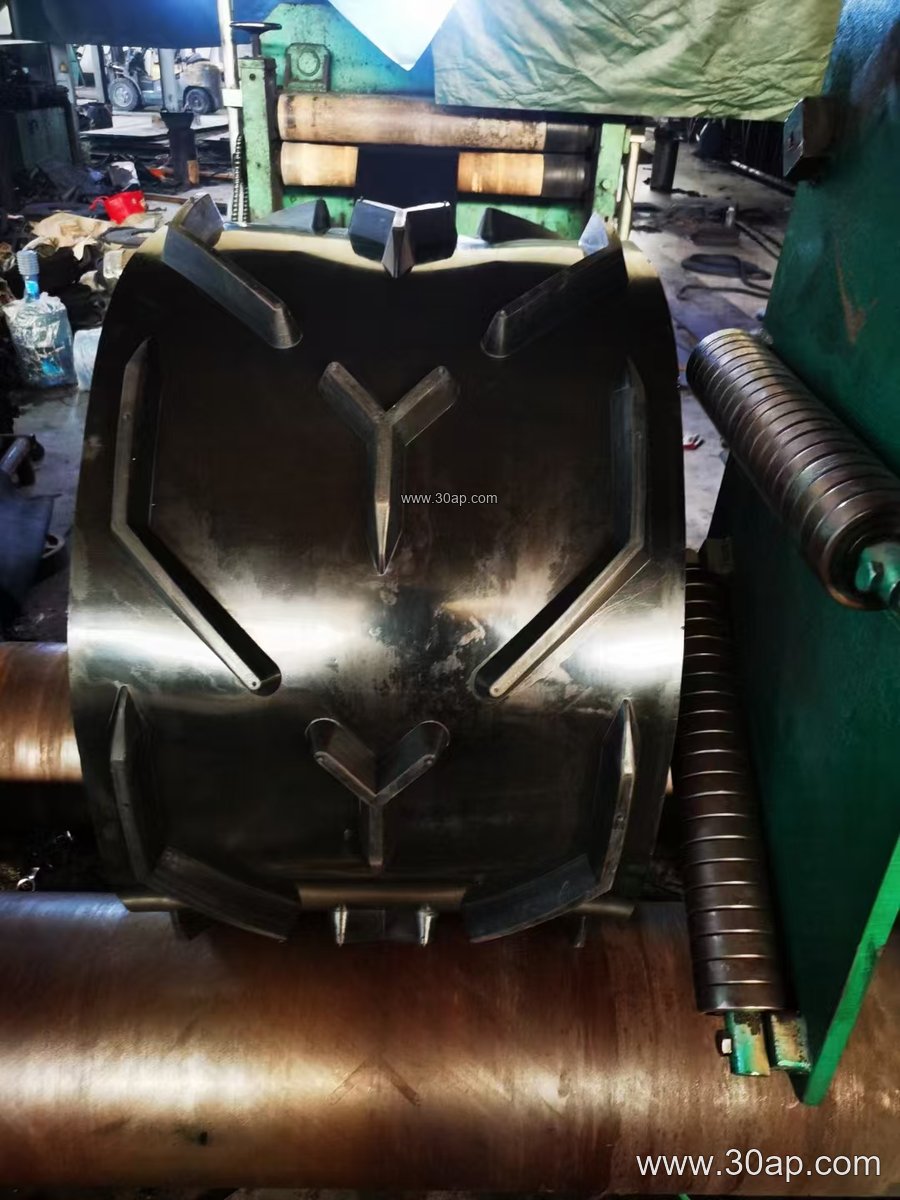
In underground coal mining conveyor belt service, flame retardant and anti-static properties are usually required in addition to strength. Above ground, abrasion resistance and splice reliability tend to dominate. The belt is not a substitute for a different subtype: an EP conveyor belt or multi-ply fabric core conveyor belt remains the better answer for short, light-duty runs, while a pipe conveyor belt or corrugated sidewall conveyor belt solves routing problems that a flat ST belt cannot.
Dimensions and Reference Data
Belt width is selected from the conveyor design, not from a fixed table. The values below are common references, and final dimensions are confirmed per project.
- Strength grade: ST1250, with ST1000 and ST1600 as adjacent options
- Common widths: B800, B1000, B1200, B1400, B1600, B1800, B2000
- Cover combinations: 4+2, 5+2, 6+2, 8+3 mm
- Core: single steel cord layer, cord pitch and diameter by manufacturer
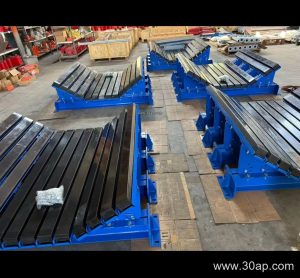
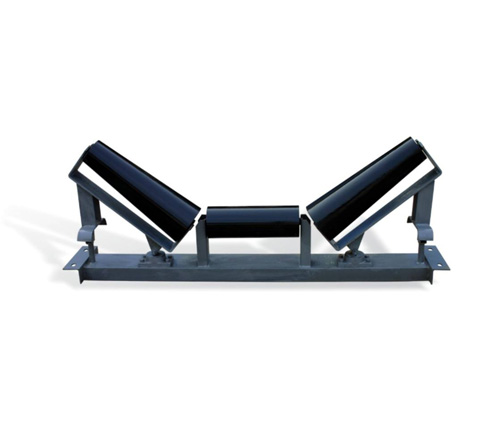
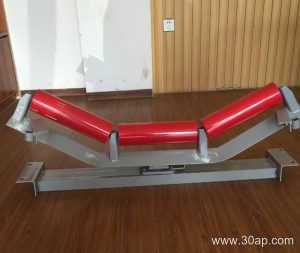
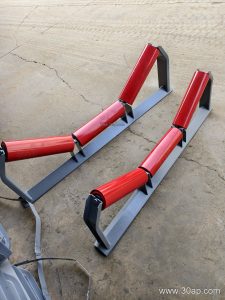
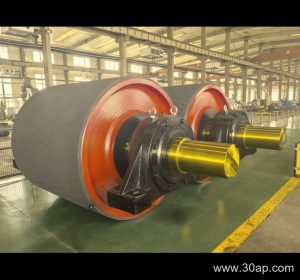
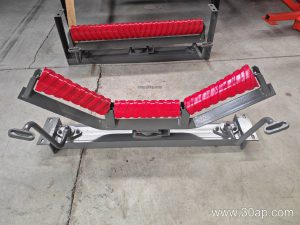
Width and pulley diameter are matched through the conveyor design, so a given belt width does not dictate one pulley size. Drive pulleys, tail pulleys, and bend pulleys each have their own diameter rules, and none of them should be swapped for another in the specification. The same care applies to idler roller spacing and conveyor bracket selection, since trough profile and transition length affect belt life.
What a Buyer Should Check
Start with the actual duty: material type, lump size, tonnage per hour, incline, and the number of starts per day. Confirm the required cover grade, whether flame retardant or oil resistant behavior is needed, and the lowest expected ambient temperature if a cold resistant conveyor belt is being considered. Ask for the splice method, because steel cord belts are usually spliced hot and the splice is the weakest point in the system.
Also review the conveyor layout: transition distances, pulley diameters, and take-up travel all influence whether an ST1250 belt will reach its expected service life. Request the manufacturer’s cord construction, cover compound data, and recommended minimum pulley diameters in writing, and keep spare belt and splice materials matched to the original specification. For a long-haul mining or port installation, the small differences in cover grade and splice quality often decide the maintenance cost over the next several years.