What a Chemical Resistant Conveyor Belt Does
A chemical resistant conveyor belt is a fabric-reinforced rubber belt engineered to carry materials that would attack ordinary cover compounds. In fertilizer plants, chemical processing areas, and some mining and mineral handling circuits, spills, fines, and residual moisture can contain acids, alkalis, salts, or solvents. The belt must keep its cover intact so the carcass does not become exposed to the same attack. This belt is a distinct product from a general-purpose EP conveyor belt or NN conveyor belt, even though it may share the same fabric core architecture.
How the Belt Is Built
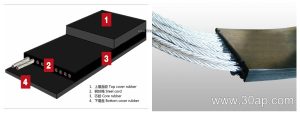
The construction usually combines a fabric core with a chemically resistant cover compound. The carcass may be EP (polyester warp, nylon weft) or nylon, with two to six plies being common depending on the duty. A Multi-Ply Fabric Core Conveyor Belt layout gives good tracking and load support for moderate-to-long conveyors.
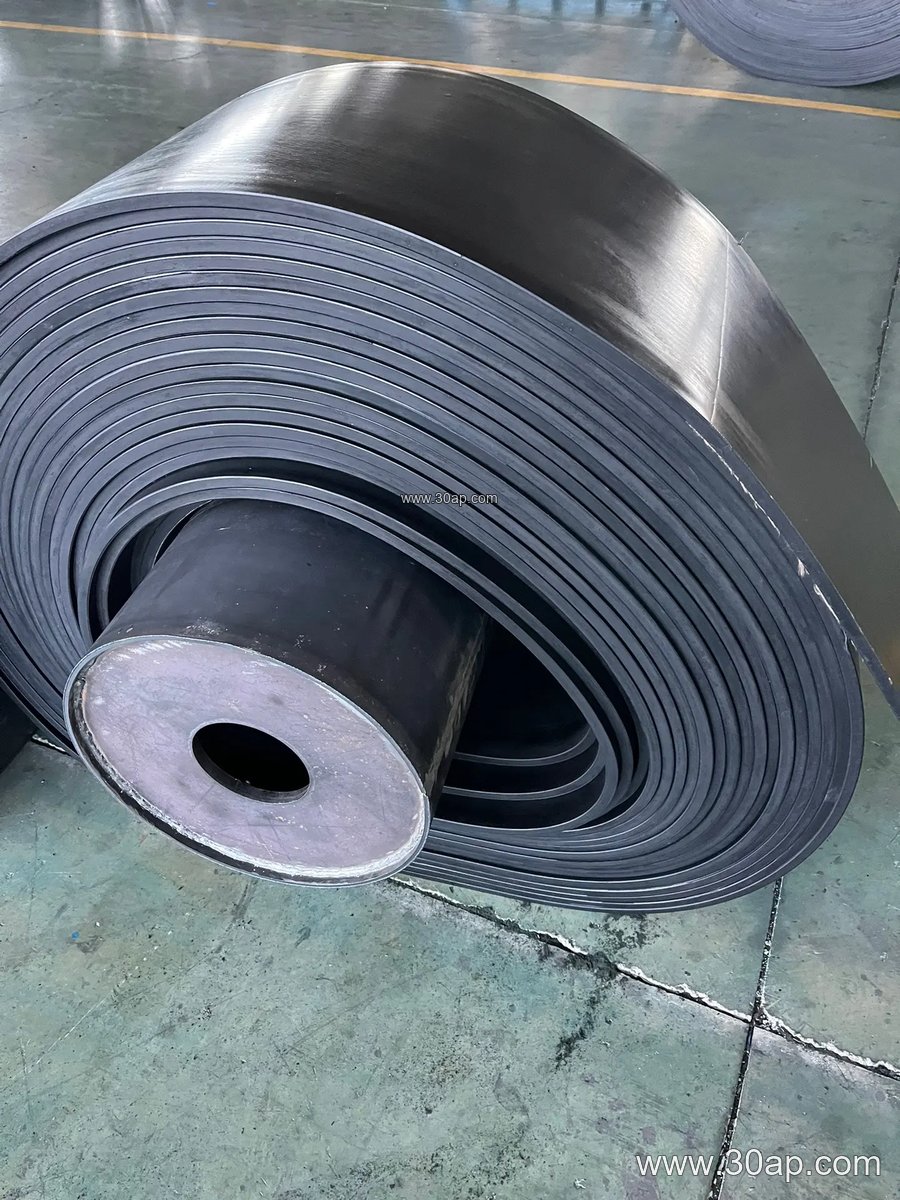
- Carcass: EP or NN fabric plies, sometimes with a breaker layer.
- Cover compound: selected for resistance to the specific chemical family in the plant.
- Edges: cut or molded; sealed edges help limit wicking in wet chemical areas.
- Surface: plain, or with a patterned profile when material tends to slide on wet inclines.
Where the circuit also carries abrasive ore or clinker, the buyer may need to weigh chemical resistance against Abrasion Resistant Conveyor Belt behavior. It is not automatic that one cover compound gives both at the highest level. Similarly, a Heat Resistant Conveyor Belt is a different product for hot material, not a substitute for chemical duty.
Typical Duty Points
These belts are often found in chemical and fertilizer handling, mineral processing, wastewater sludge transport, and some quarry or aggregate washing circuits. They may run alongside a Quarry Conveyor Belt or Aggregate Conveyor Belt in the same plant, but the chemical belt is placed where the material contact demands it.
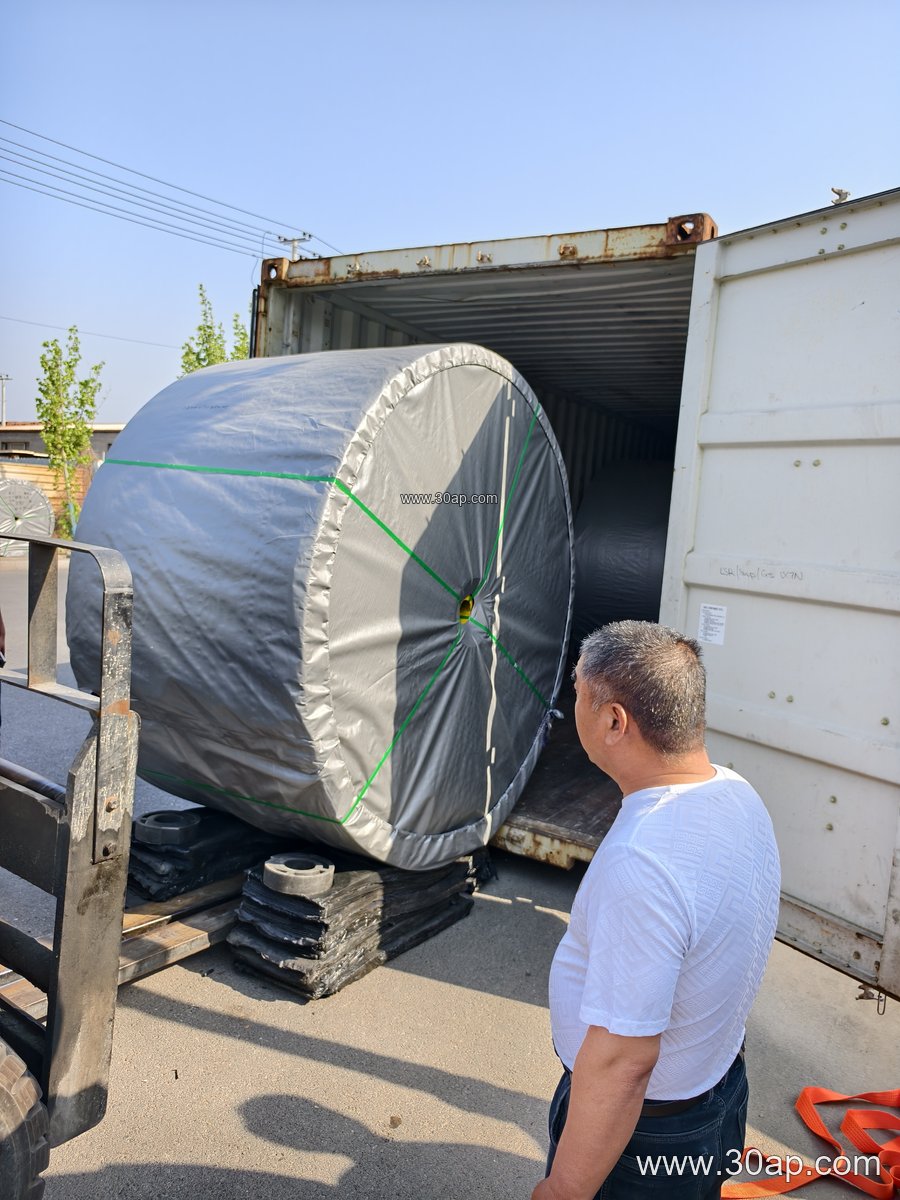
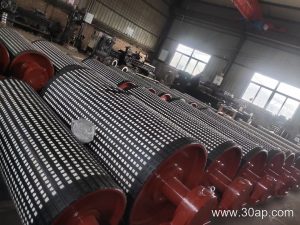
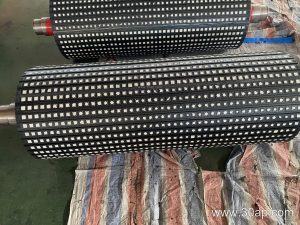
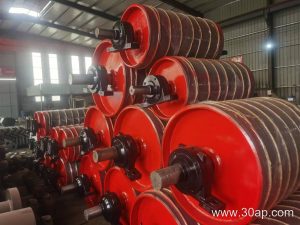
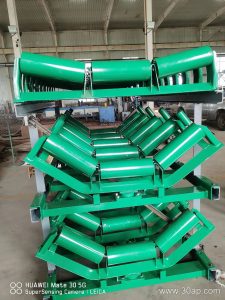
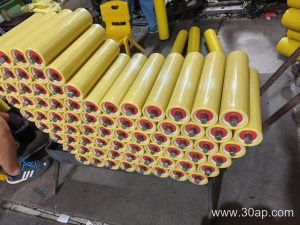
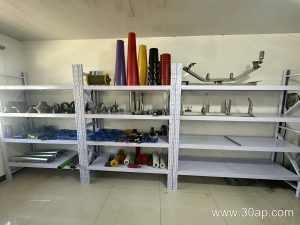
Supporting equipment matters as much as the belt. A conveyor pulley at the drive and tail positions, idler roller sets on the carry and return side, and a conveyor bracket system should be checked for corrosion. A belt that resists chemical attack can still fail early if the pulleys or rollers corrode and misalign.
Common Reference Data
The values below are typical references, not fixed supply promises. Actual construction follows the design and the chemical exposure.
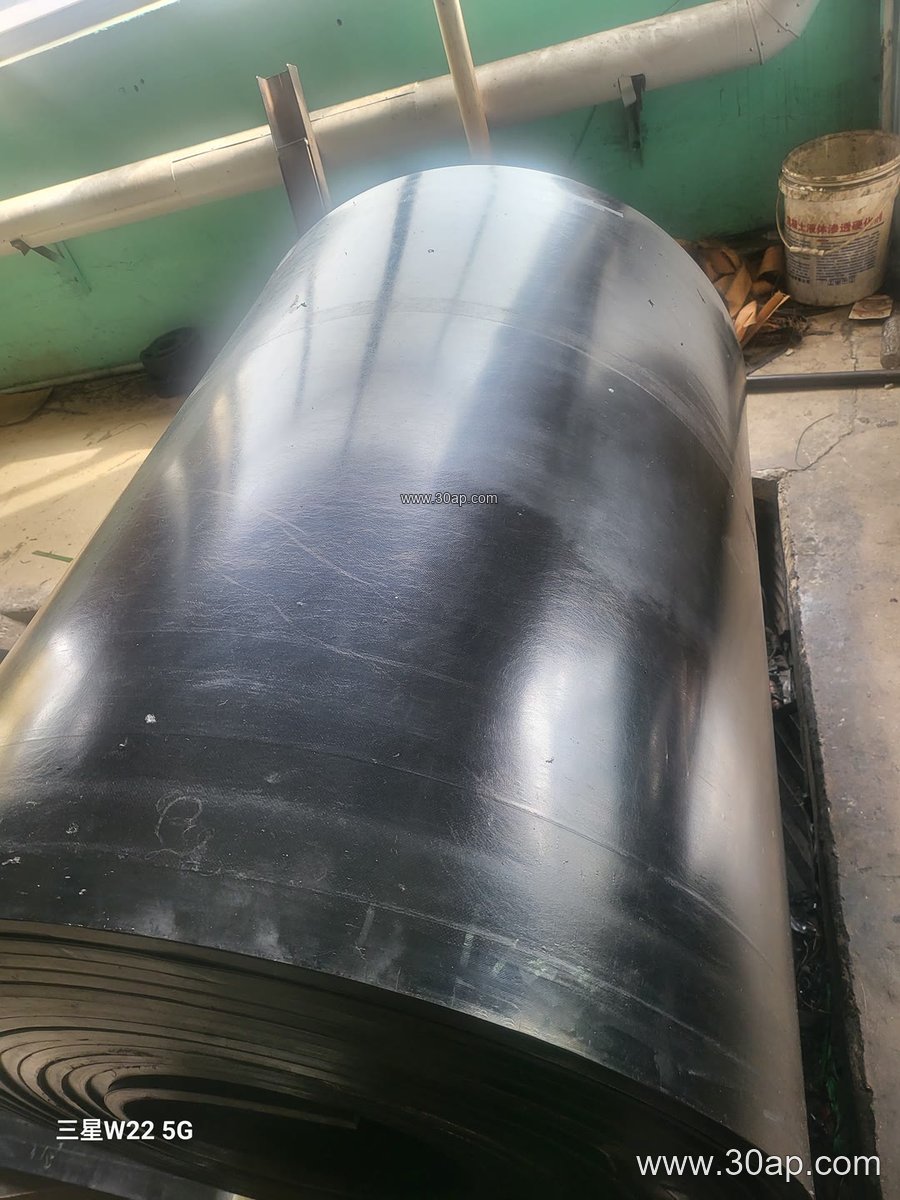
| Parameter | Common reference |
|---|---|
| Strength grades | EP200, EP315, EP400, EP500, EP630, EP800, EP1000, EP1250 |
| Belt width | B500, B650, B800, B1000, B1200, B1400, B1600 |
| Cover thickness | 4+2 mm, 5+2 mm, 6+2 mm, 8+3 mm |
| Carcass plies | 2 to 6, by design |
Width and pulley diameter are matched by conveyor design, not by a fixed rule. A B800 belt may run on several pulley sizes depending on tension and wrap angle.
Selection Notes for Buyers
- Identify the chemical family, concentration, and whether the exposure is splash, immersion, or vapor.
- State the material temperature and whether the belt also needs flame retardancy.
- Confirm the carcass grade and number of plies for the required tension.
- Check pulley lagging and roller materials for the same chemical environment.
- Ask for the cover compound data, not only the strength grade.
If the conveyor also needs oil resistance, a separate Oil Resistant Conveyor Belt compound may be more suitable than a general chemical cover, and a Flame Retardant Conveyor Belt grade is chosen where fire safety rules apply. For underground work, a Fire Resistant Conveyor Belt grade may be specified. These are separate selections, not interchangeable labels.
Maintenance should include checking cover wear, edge condition, and splice integrity. In chemical areas, wash-down water and residue can accumulate under the belt, so return-side idlers and pulley faces deserve inspection. For more belt, pulley, and roller references, see conveyor belt and conveyor pulley pages.