What a Five-Roll Idler Bracket Does
A five-roll idler bracket is a support structure that holds five idler rollers in a specific arrangement, usually three rolls forming the carrying trough and two additional rolls positioned to support the belt at the edges or in a transitional zone. This bracket is often found where the belt must handle a wide load profile, high tonnage, or a combination of impact and misalignment. Unlike a standard three-roll troughing set, the five-roll design spreads the load over more contact points, which can improve belt training and reduce point loading on the conveyor belt. In a quarry, cement plant, or coal handling system, the extra rolls help maintain a stable trough even when material is lumpy or the belt is heavily loaded. The bracket itself is a fabricated assembly, usually made from angle steel, channel steel, or folded steel plate, and it is bolted to the conveyor frame.
How the Bracket Is Built
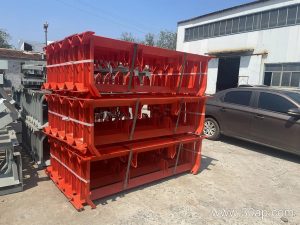
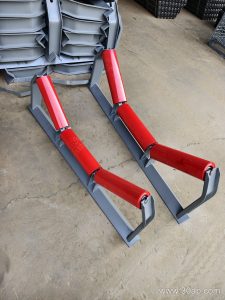
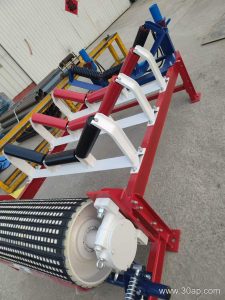
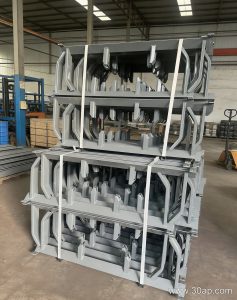
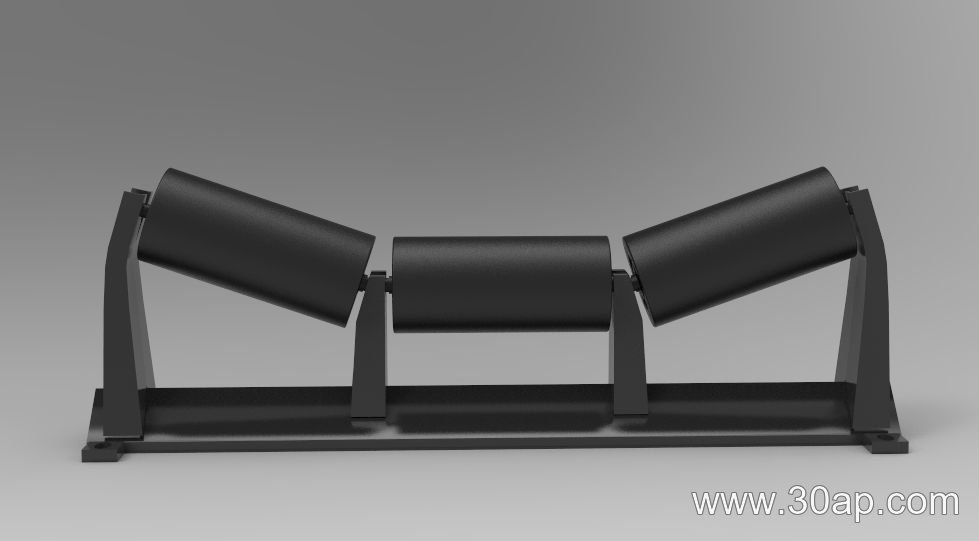
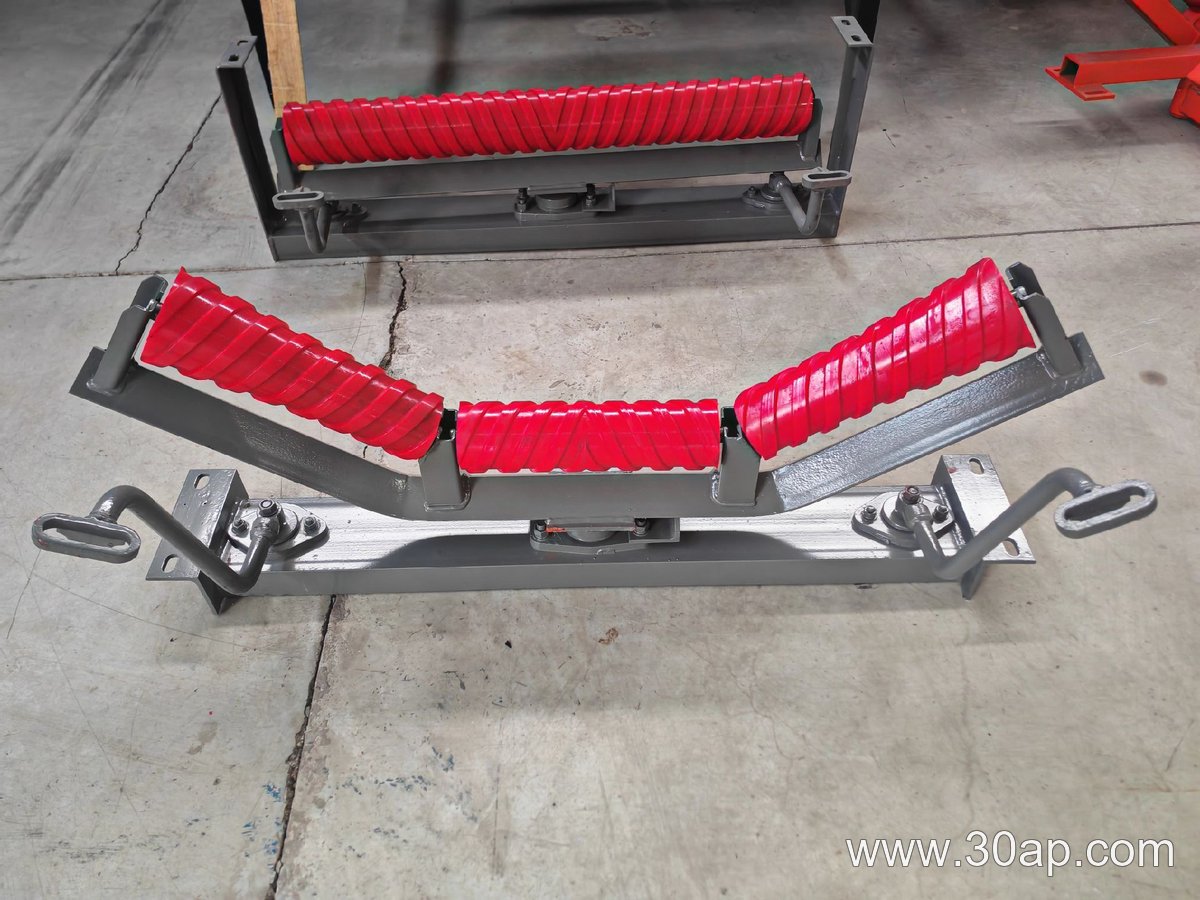
Most five-roll idler brackets consist of a main crossbeam, two side wings, and a set of mounting slots or holes for the idler shafts. The crossbeam may be a piece of channel or a folded plate with reinforcement ribs. The side wings are set at the required trough angle, which can be 20, 30, 35, or 45 degrees depending on the belt width and material characteristics. In some designs, the outer rolls are mounted on adjustable arms, allowing the trough angle to be changed between these common values. The bracket also includes a base plate or clamp that attaches to the stringer or frame of the conveyor. The finish is typically painted or galvanized, but the exact coating depends on the environment. For a coal mine or a port terminal, a more corrosion-resistant finish may be selected.
Key structural elements
- Main crossbeam: carries the central idler roller and transfers the load to the frame.
- Side wings: hold the outer idler rollers at the desired trough angle.
- Mounting slots: allow adjustment of the idler position and alignment.
- Reinforcement ribs: add stiffness where the bracket spans a wide conveyor.
- Fastening hardware: bolts, clamps, or welded tabs for fixing to the conveyor structure.
Where Five-Roll Brackets Are Used
These brackets are common in bulk material handling where belt widths are large and the load is heavy. In a limestone mine or a sand and gravel line, a five-roll bracket can help keep the conveyor belt centered when the material is not evenly distributed. In a power plant coal yard, the extra rolls can reduce the chance of belt edge damage during high-speed operation. The bracket is also used at transfer points where the belt receives impact from a chute. Because the five-roll arrangement supports the belt over a wider area, it can be a good fit for conveyor systems that carry both fine and lumpy materials. It is not a replacement for a drive pulley, tail pulley, or bend pulley; those are separate components that transmit power or change direction. The five-roll idler bracket works together with the idler rollers and the belt to keep the load moving smoothly.
Matching the Bracket to Belt Width and Roll Diameter
When selecting a five-roll idler bracket, the belt width and the idler roller diameter are two important reference points. Common belt widths include B500, B650, B800, B1000, B1200, B1400, B1600, B1800, B2000, and B2200. Roller diameters often seen in these systems are Ø89, Ø108, Ø133, Ø159, and Ø194. The bracket must be designed so that the idler shafts fit the mounting slots and the overall width matches the conveyor frame. The trough angle and the roll spacing also affect the belt profile. For example, a B1200 belt with a 35-degree trough angle and Ø133 rollers is a typical combination in a cement plant, but it is not the only possible match. A B800 system might use a 30-degree trough angle with Ø108 rollers, depending on the material and the conveyor speed. Installation hole spacing and crossbeam length usually vary with belt width and trough angle, so they are determined by the conveyor design rather than a single fixed number.
Common reference combinations
| Belt width | Trough angle | Idler diameter |
|---|---|---|
| B650 | 30 degrees | Ø89 |
| B800 | 35 degrees | Ø108 |
| B1000 | 35 degrees | Ø133 |
| B1200 | 45 degrees | Ø133 |
| B1400 | 45 degrees | Ø159 |
These values are for reference only and should be confirmed with the conveyor design. A wider belt does not automatically require a larger roller diameter, and the same belt width can be used with different trough angles and roller sizes. The bracket type, such as a fixed or adjustable design, also influences the selection.
What a Buyer Should Know
Before ordering a five-roll idler bracket, clarify the belt width, the desired trough angle, the idler roller diameter, and the mounting arrangement on the conveyor frame. If the bracket is adjustable, check the range of trough angles it can accommodate. For a fixed bracket, confirm the exact angle and the roll spacing. The material and finish should suit the site conditions; a wash plant or a fertilizer handling facility may need more corrosion protection than a dry aggregate yard. Also consider the weight of the bracket and the ease of replacing idler rollers, because maintenance access can affect downtime. A five-roll bracket is one part of the conveyor system, and it should be selected together with the conveyor belt, idler rollers, and pulley components to ensure smooth operation. For any specific project, the final dimensions and load ratings are determined by the conveyor designer, not by a single universal specification.