What a Fixed Conveyor Bracket Does
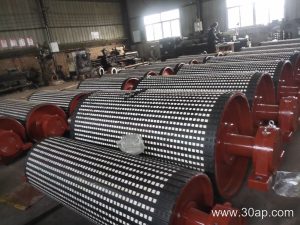
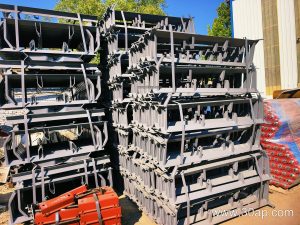
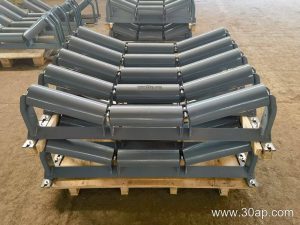
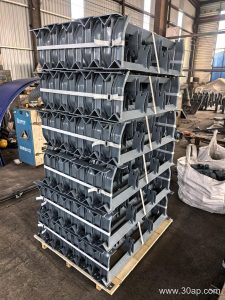
A fixed conveyor bracket is a stationary support structure that holds idler rollers in a set position along a conveyor frame. Unlike adjustable brackets that allow the trough angle to be changed, a fixed bracket locks the roller arrangement at a specific angle and height. This makes it a straightforward choice for conveyors where the belt path and load profile are already defined, such as in a limestone quarry or a cement plant’s raw material handling line. The bracket works together with the conveyor belt, idler roller, and conveyor pulley to keep material moving smoothly without unnecessary wear.
Construction and Common Forms
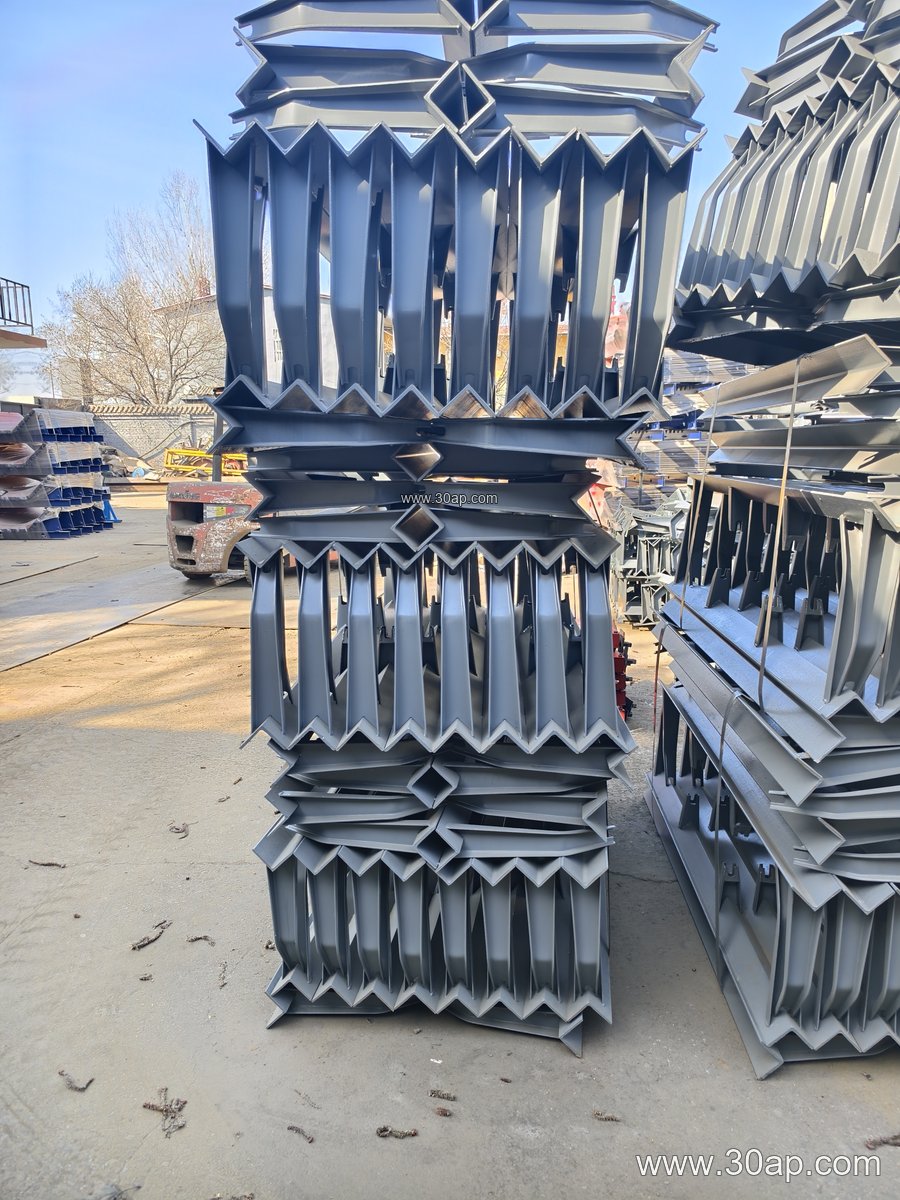
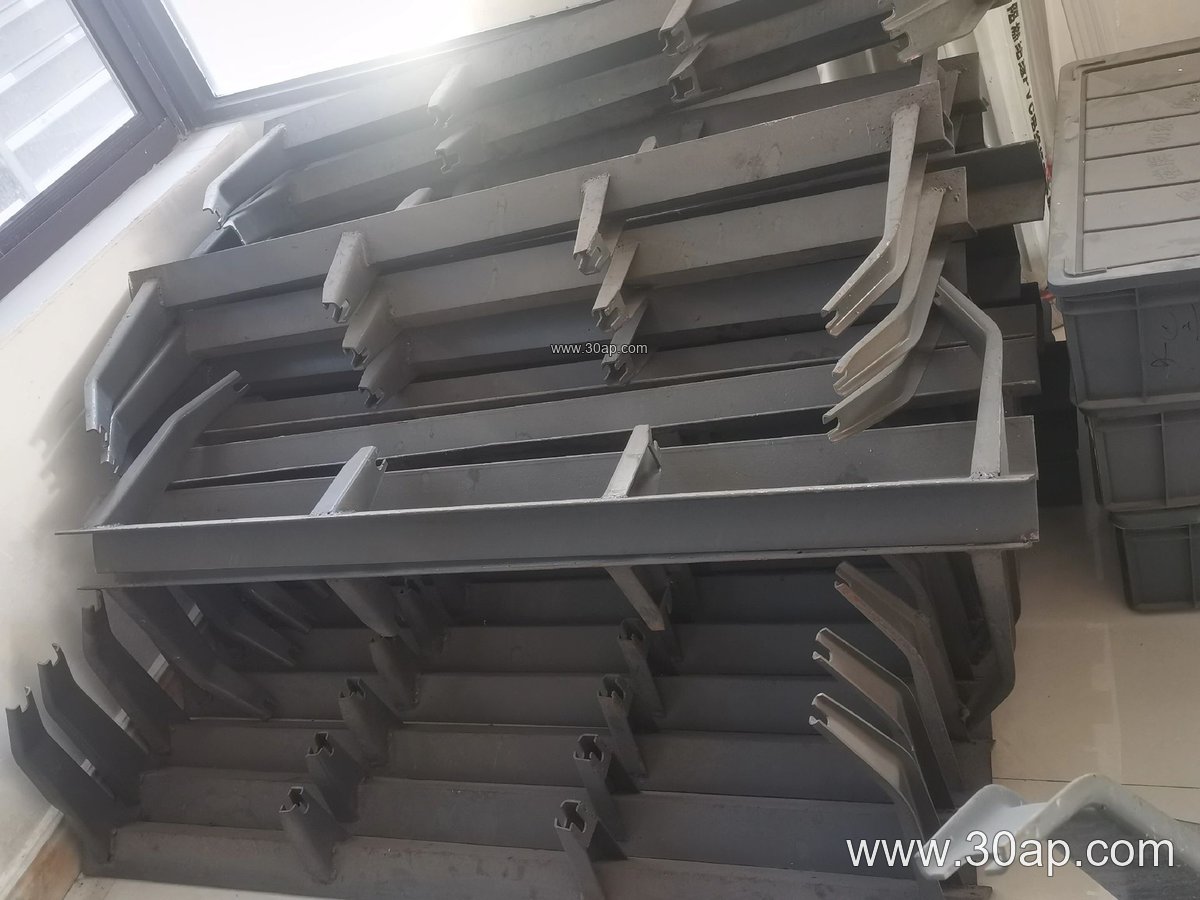
Most fixed brackets are fabricated from angle steel, channel steel, or bent steel plate. The material thickness and coating are usually selected according to the conveyor’s duty level and the environment. In dusty or wet conditions, galvanized or painted finishes are common. The bracket’s main job is to position the idler roller at the correct trough angle, so the frame must be rigid enough to resist vibration and belt tension.
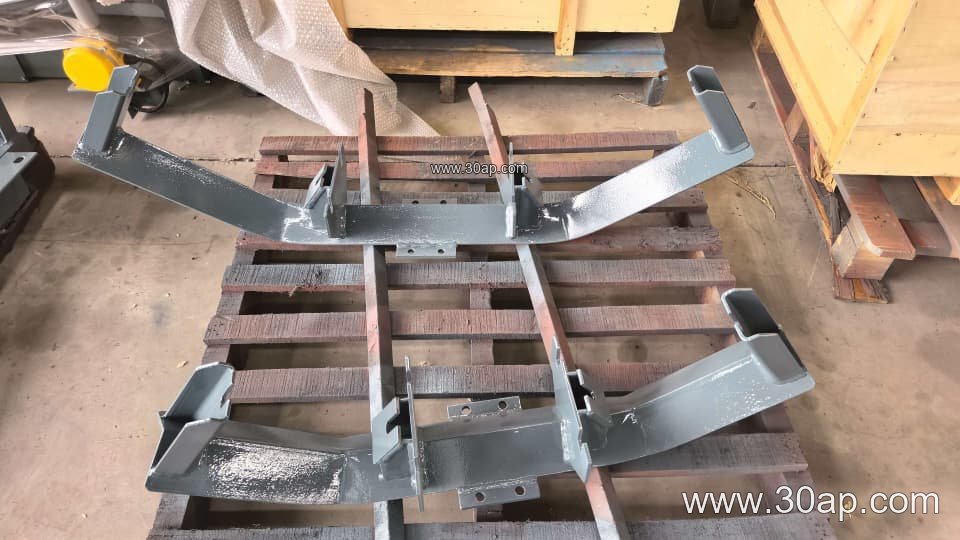
Several subtypes exist within the fixed bracket family:
- Troughing bracket for carrying idlers on the top run
- Return bracket for the bottom run
- Impact bracket for loading zones
- Transition bracket near pulleys
- V-return bracket for belt training
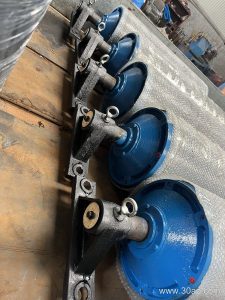
Each subtype serves a different position on the conveyor. A drive pulley, tail pulley, and bend pulley are separate components and should not be confused with these support brackets. For example, a bend pulley changes belt direction, while a fixed bracket simply holds rollers in place.
Where Fixed Brackets Fit in Bulk Handling
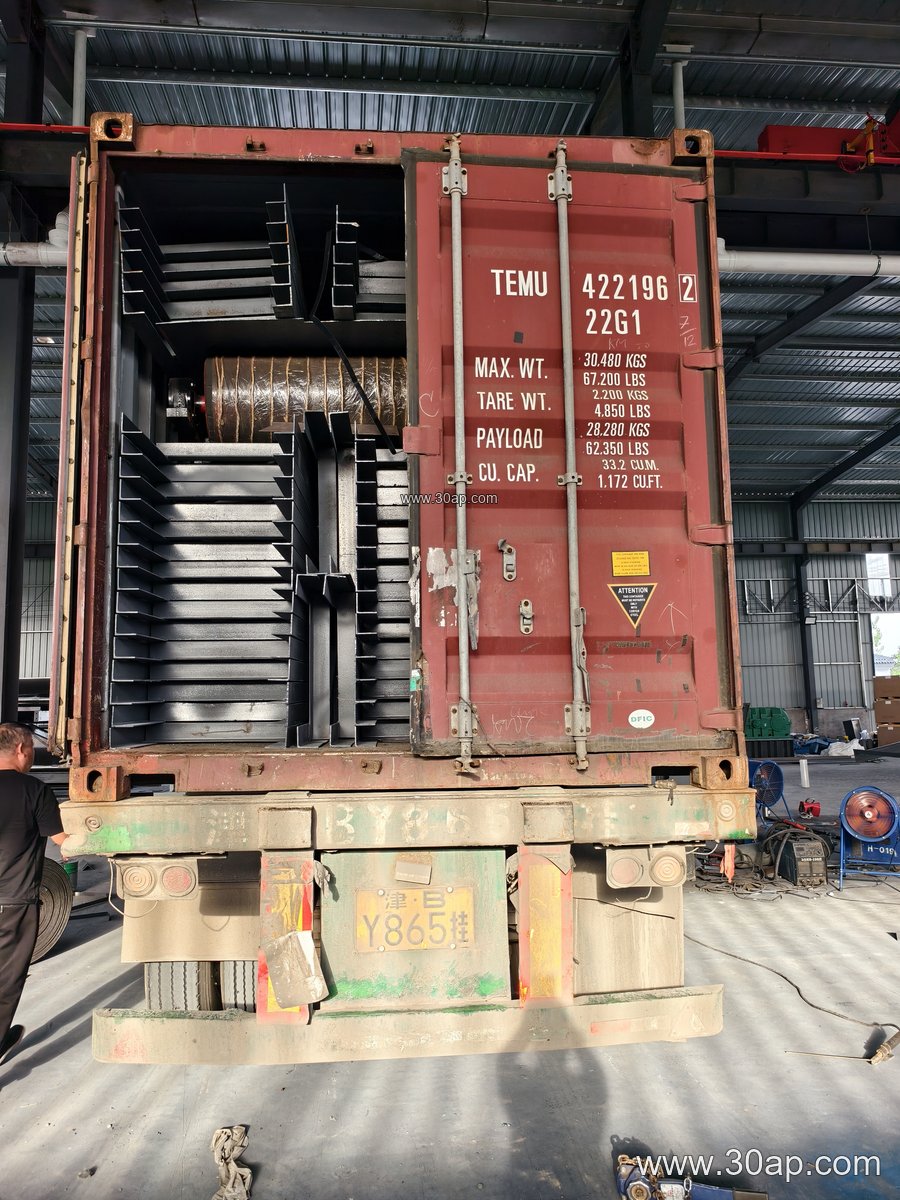
Fixed conveyor brackets are widely used in stone crushing lines, aggregate plants, and power plant coal conveying systems. In a sand and gravel plant, a B800 fixed troughing bracket with a 35-degree trough angle and Ø108 idler rollers is a common arrangement for medium-duty belts. In a larger iron ore or copper ore operation, a B1200 bracket with a 45-degree trough angle and Ø133 rollers may be selected to handle heavier loads. These combinations are examples only; the final choice depends on belt width, material density, and conveyor design.
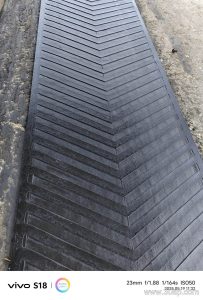
Fixed brackets also appear in fertilizer plants, grain silos, and tunnel muck removal systems where consistent belt support is needed. They are often paired with a rubber conveyor belt or an EP conveyor belt to reduce spillage and extend roller life. In coal mining, flame retardant conveyor belt and anti-static conveyor belt are typical companions for safety reasons.
Key Parameters to Review
When specifying a fixed conveyor bracket, buyers should confirm the belt width, trough angle, roller diameter, and mounting hole spacing. The table below shows typical reference ranges; actual values are determined by the conveyor design.
| Parameter | Common Reference |
|---|---|
| Belt width (B) | B500, B650, B800, B1000, B1200, B1400, B1600, B1800 |
| Trough angle | 20°, 30°, 35°, 45° |
| Roller diameter | Ø89, Ø108, Ø133, Ø159, Ø194 |
| Material | Angle steel, channel steel, bent steel plate |
Do not assume that one belt width must match one specific roller diameter or trough angle. For instance, a B650 conveyor might use a 30-degree bracket with Ø89 rollers in one plant and a different combination in another. Mounting hole spacing and crossbeam length change with belt width and trough angle, so they should be confirmed against the conveyor frame drawing.
Installation and Maintenance Notes
Fixed brackets are usually bolted to the conveyor frame stringers. Proper alignment is important: a misaligned bracket can cause the belt to train poorly and wear the idler roller edges. During installation, check that all brackets in a section are at the same height and angle. In dusty applications such as a quarry or coal preparation plant, periodic cleaning around the bracket helps prevent material buildup that could affect roller rotation.
Inspect welds and fasteners for cracks or looseness, especially on impact brackets near the loading point. If the conveyor belt shows uneven wear, verify that the fixed brackets have not shifted. Replacement brackets should match the original mounting pattern to avoid frame modification.
Buyer Checklist
- Confirm belt width and trough angle from the conveyor drawing
- Check roller diameter and mounting hole spacing
- Select material and finish for the site environment
- Verify bracket subtype for top run, bottom run, or impact zone
- Ensure brackets are compatible with the existing conveyor frame
For more information on related components such as conveyor belt, idler roller, and conveyor pulley, consult your conveyor system supplier. A well-matched fixed conveyor bracket contributes to stable belt support and lower maintenance in demanding bulk material handling operations.