What an Idler Bracket Does on a Conveyor
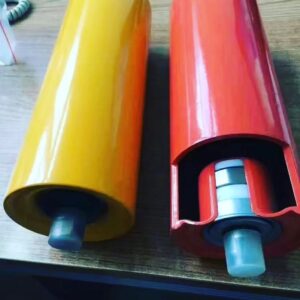
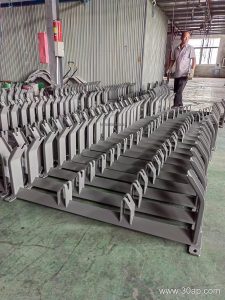
An idler bracket is the structural part that holds a conveyor idler roller in place on the conveyor frame. It fixes the roller at the correct height, angle and spacing so the belt keeps a stable profile along the carrying and return runs. In practice, the bracket carries the load of the roller, the belt and the material, and it keeps the roller axis in line with the frame. When the bracket is weak or poorly aligned, the roller sits off-position, the belt drifts, and the whole conveyor becomes noisy and hard to maintain.
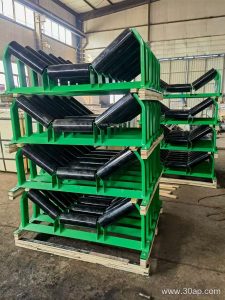
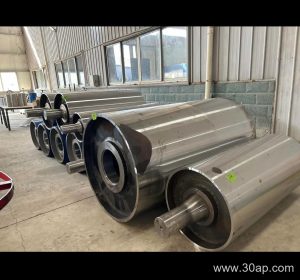
On a typical troughed conveyor, the idler bracket is bolted to the longitudinal beam or cross member. The same part is often called a conveyor bracket or idler support bracket, and these names describe the same component rather than different products. A conveyor pulley, by contrast, is a separate item at the drive, tail or bend position, and it is not a substitute for an idler bracket.
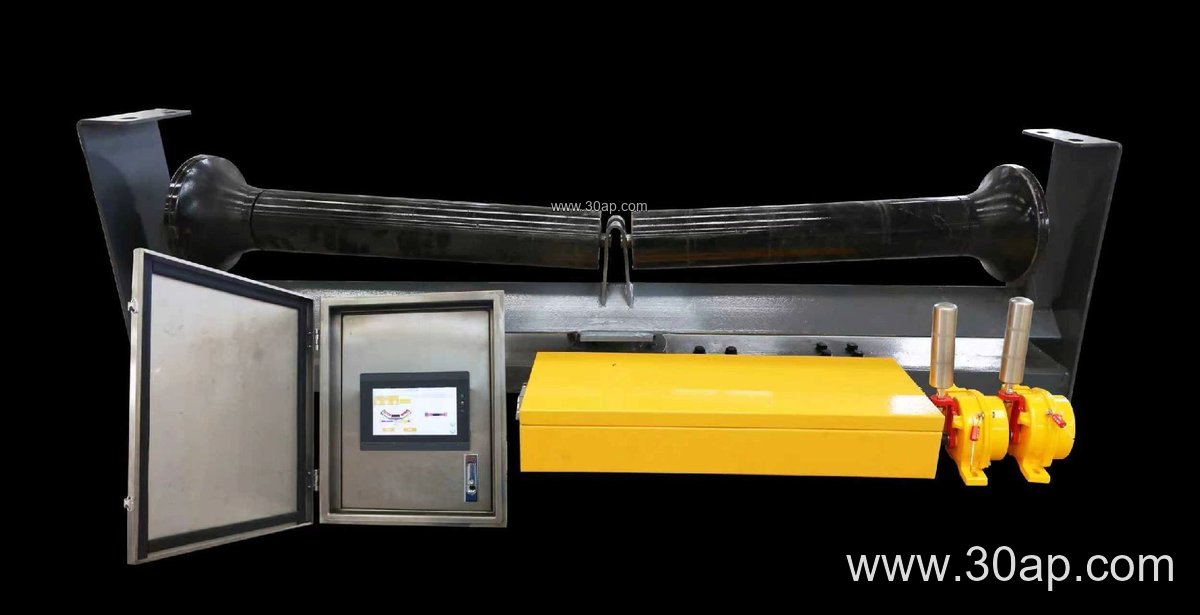
Construction and Common Materials
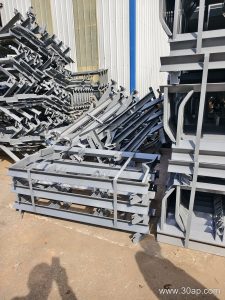
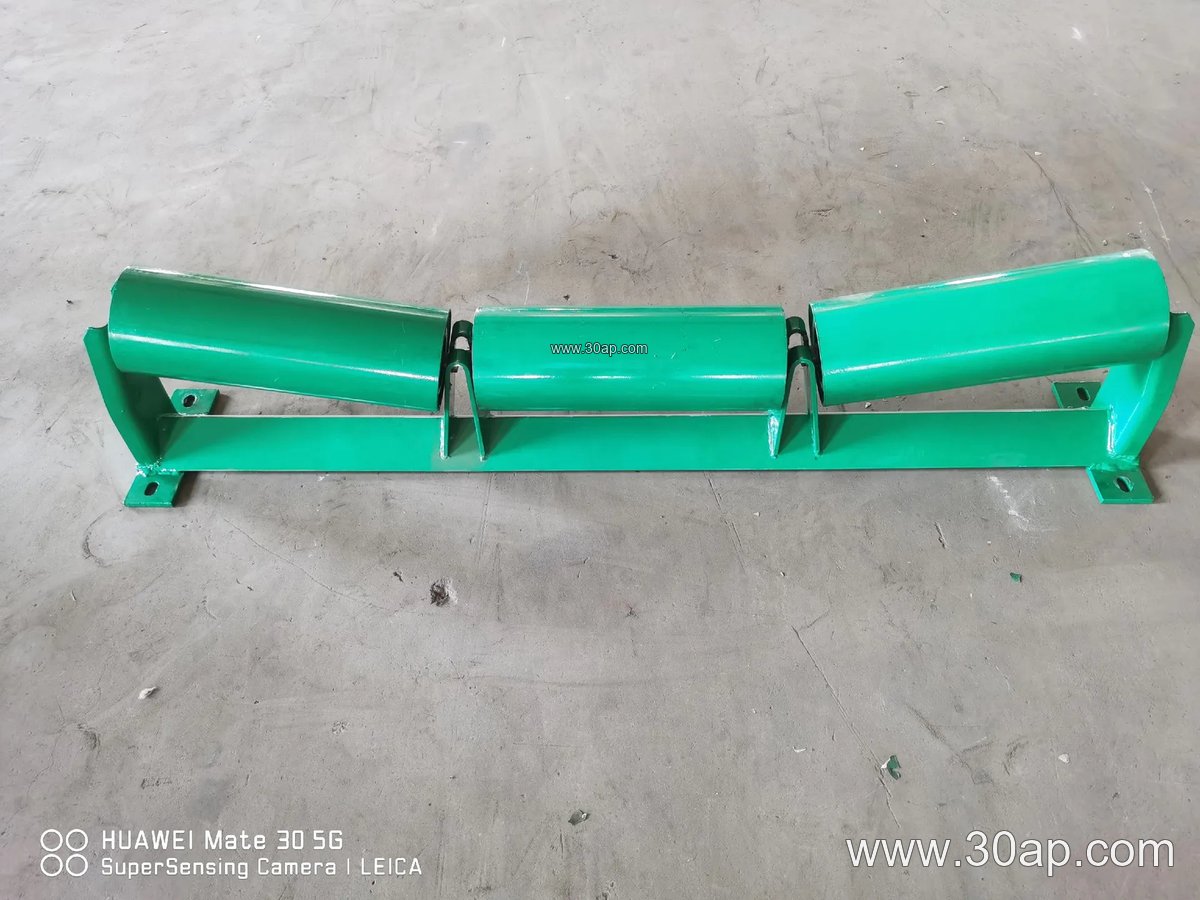
Most idler brackets are fabricated from angle steel, channel steel or folded steel plate. The fabrication route is simple but needs accuracy, because the mounting holes and the roller seat determine how the roller sits relative to the belt. Common bracket families include trough brackets, transition brackets, return brackets, V-return brackets, impact brackets, self-aligning brackets and adjustable brackets. Each has a different job, and they are selected by position on the conveyor rather than by fashion.
The main dimensions that drive bracket design are belt width, trough angle and roller diameter. These three values set the mounting hole spacing, the cross member length and the height of the roller seat. They should be treated as design inputs, not as fixed pairs. A B800 belt, for example, is often used with a 35 degree trough and a Ø108 roller, but other combinations can be correct depending on load and belt stiffness. B1200 with 45 degrees and Ø133 is another common arrangement, and B650 with 30 degrees and Ø89 appears on smaller lines. None of these is a rule for every conveyor.
Typical Sizes and Reference Data
The table below shows reference values that appear in bracket and roller selection work. They are indicative only; the actual bracket drawing is confirmed by the conveyor designer.
| Parameter | Reference values |
|---|---|
| Belt width | B500, B650, B800, B1000, B1200, B1400, B1600, B1800, B2000, B2200 |
| Trough angle | 20°, 30°, 35°, 45°; adjustable brackets can move between these angles |
| Roller diameter | Ø89, Ø108, Ø133, Ø159, Ø194 |
| Forward tilt (for leading idlers) | About 1.5° to 2° |
| Fabrication material | Angle steel, channel steel, folded steel plate |
Mounting hole spacing and cross member length change with belt width and trough angle, so they are not listed as universal figures. A bracket drawing should always be matched to the frame and to the roller it will hold.
Where These Brackets Are Used
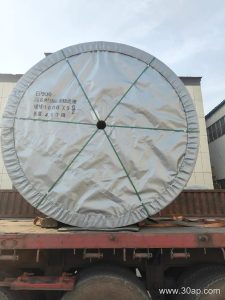
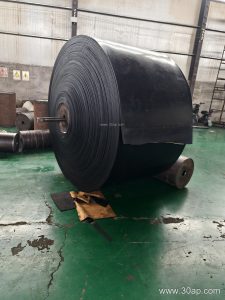
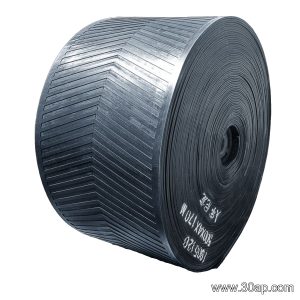
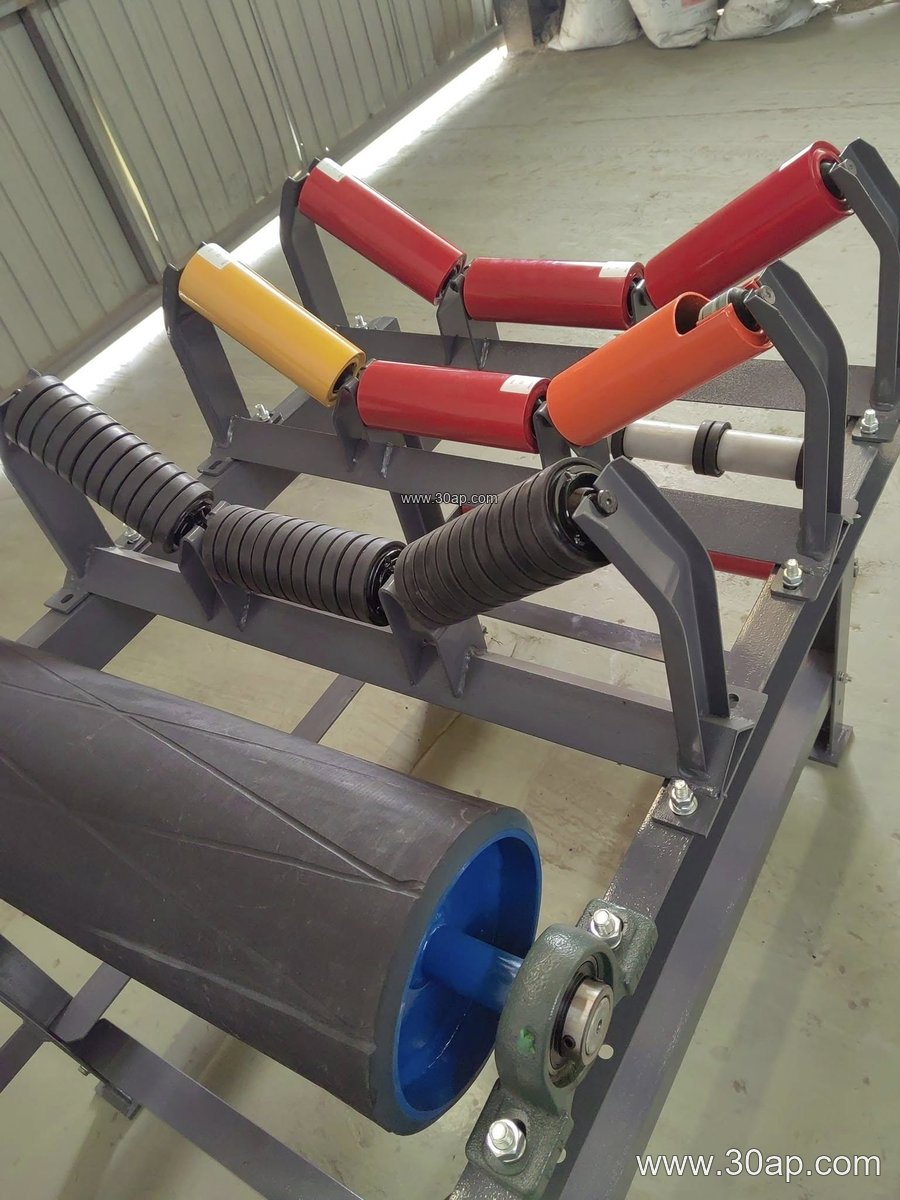
Idler brackets appear wherever a belt conveyor runs. In a quarry or aggregate line, trough brackets support the belt under crushed stone, while impact brackets sit below the crusher discharge. In a coal preparation plant or a power plant coal yard, flame retardant and anti-static belts are common, and the brackets must suit the same dusty, often wet environment. Cement plants use them on clinker and raw material lines, and ports use them on ship loading and bulk material conveyors. The bracket itself does not change the belt grade, but a stable roller position helps a heavy-duty mining conveyor belt or a steel cord conveyor belt run straight.
Return brackets and V-return brackets are used on the lower run to support the empty belt and to help keep it centred. Transition brackets are placed near pulleys, where the belt changes from troughed to flat. Self-aligning brackets are fitted where drift is a known problem. Choosing the right family for each position is more useful than buying one type for the whole conveyor.
Buyer Checklist
- Confirm belt width, trough angle and roller diameter together, since all three affect the bracket.
- State the mounting hole spacing and cross member length from the frame drawing.
- Match the bracket material and finish to the site conditions, such as wet coal or abrasive dust.
- Decide between fixed and adjustable brackets by whether the trough angle may need to change.
- Check that the bracket seats the roller correctly and allows easy roller replacement.
- Keep spare brackets for high-wear positions such as impact and transition zones.
For related components, see the conveyor idler roller and conveyor pulley ranges at conveyor bracket and conveyor idler roller. A well-matched idler bracket is a small part of the conveyor cost, but it controls belt tracking, roller life and maintenance time on lines handling EP conveyor belt, NN conveyor belt or steel cord conveyor belt.