Introduction to Abrasion Resistant Conveyor Belt Systems
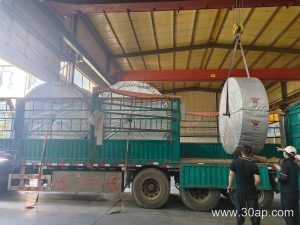
In demanding sectors such as mining, cement plants, and aggregate processing, material handling systems face severe surface wear. An Abrasion Resistant Conveyor Belt is engineered specifically to withstand the constant friction, impact, and tearing caused by sharp rocks, ores, and abrasive minerals. Proper deployment of this heavy duty conveyor belt ensures uninterrupted material flow across a quarry conveyor belt line, reducing unexpected downtime in high-capacity operations.
Internal Structure and Technical Specifications
The performance of an Abrasion Resistant Conveyor Belt depends heavily on its multi-layer construction and high-grade rubber compounds. High abrasion resistant conveyor belt variations often incorporate robust carcass materials like EP fabric core conveyor belt layers or steel cords to handle high tensile loads. During operation, the top and bottom covers protect the internal tension members from gouging and premature wear.
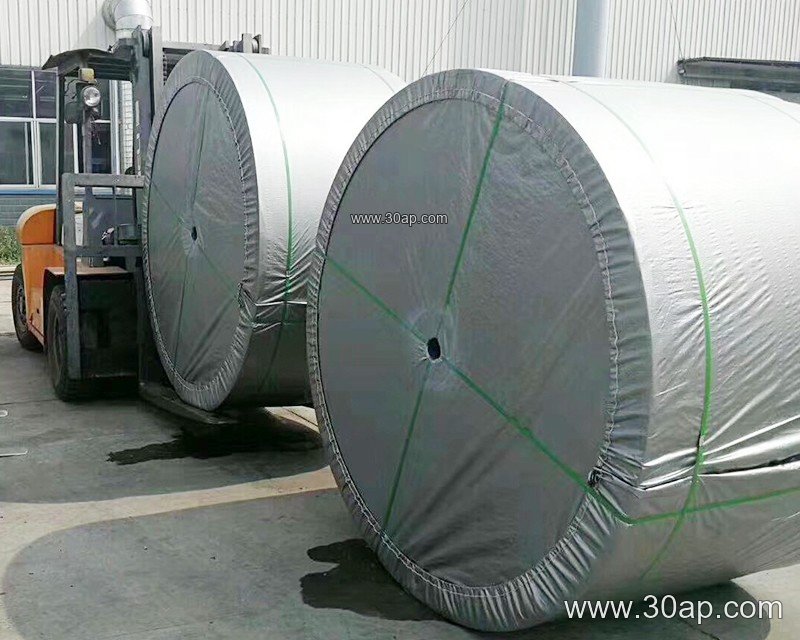
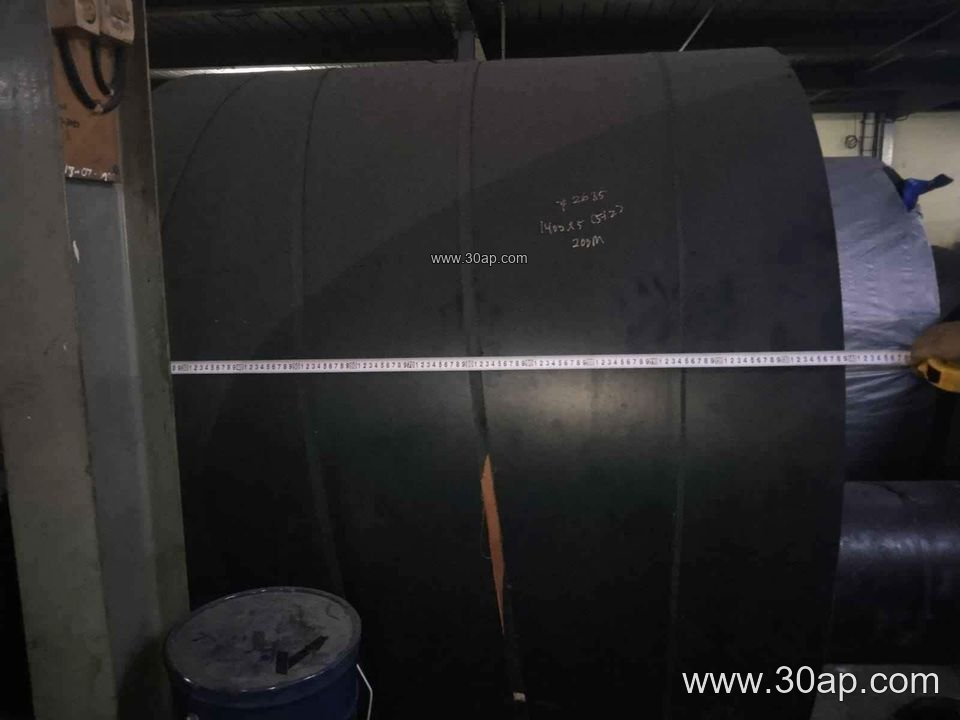
To assist engineers and procurement teams in evaluating standard configurations, the following reference table outlines typical structural parameters, covering thicknesses, and tensile strength grades commonly referenced in industrial design:
| Parameter Type | Common Reference Options |
|---|---|
| Standard Bandwidths | B500, B650, B800, B1000, B1200, B1400, B1600, B1800, B2000 mm |
| Tensile Strength Grades | EP200, EP315, EP400, EP500, EP630, EP800, EP1000, EP1250, EP1600, EP2000 |
| Cover Thickness (Top + Bottom) | 3+1.5 mm, 4+2 mm, 5+2 mm, 6+2 mm, 8+3 mm |
| Fabric Ply Count | Typically 2 layers to 6 layers depending on load requirements |
Operational Integration and Component Synergy
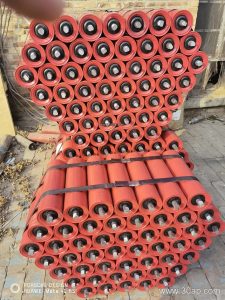
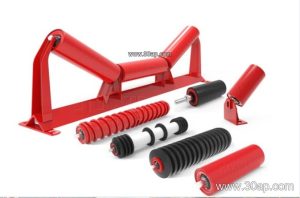
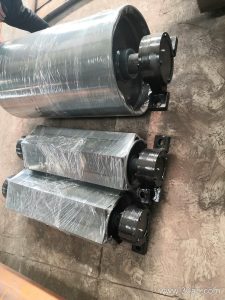
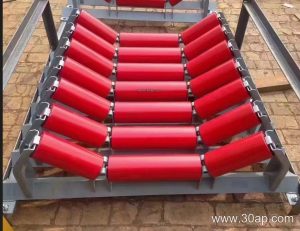
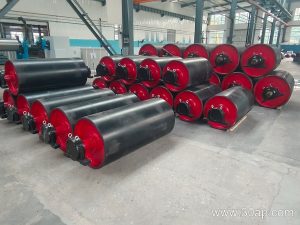
An Abrasion Resistant Conveyor Belt does not operate in isolation. It relies on seamless interaction with surrounding mechanical hardware along the transport line. Precision idler roller assemblies support the moving rubber conveyor belt, minimizing sagging and friction. At terminal points, the drive pulley transmits the necessary rotational force, while the tail pulley and various bend pulleys maintain proper belt tension and routing.
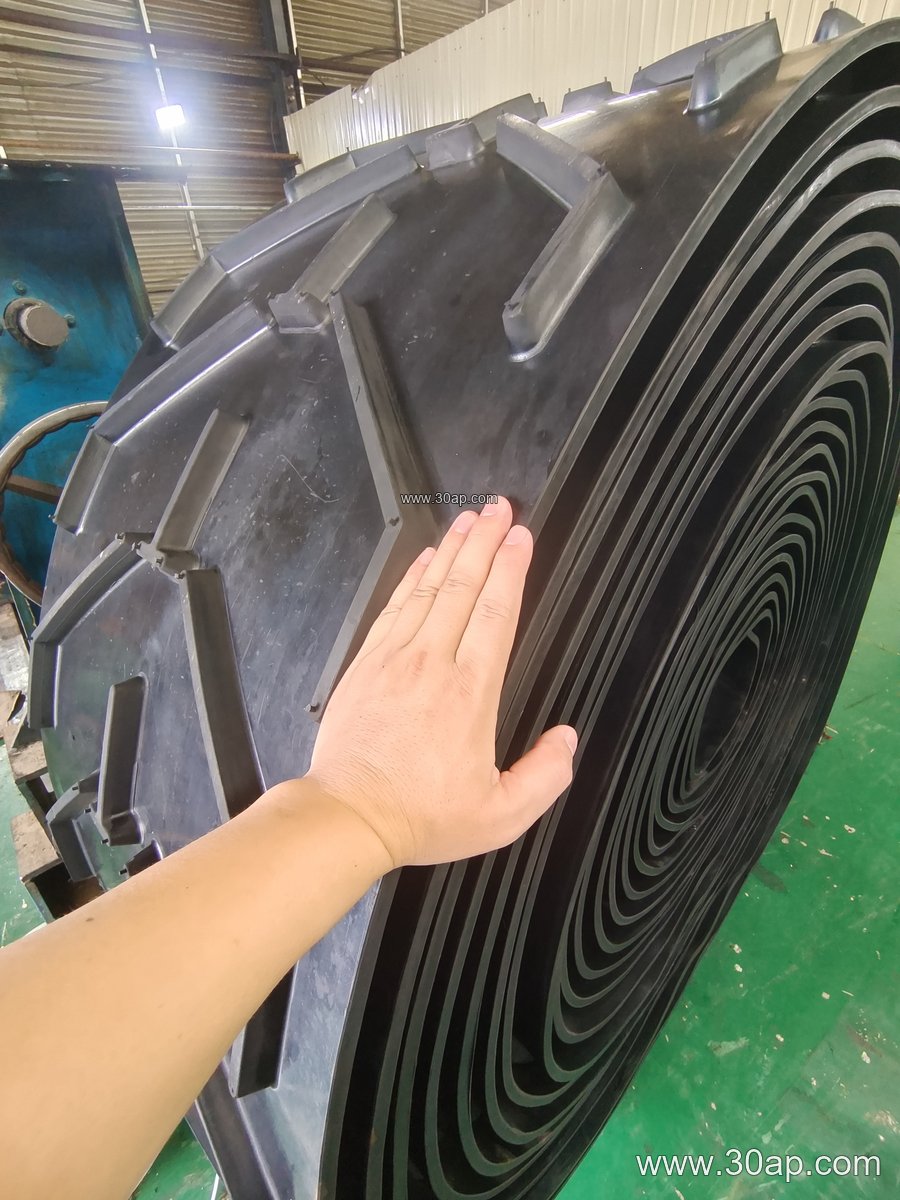
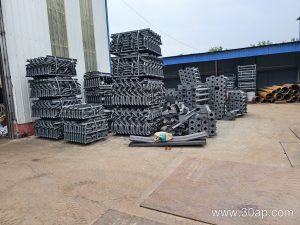
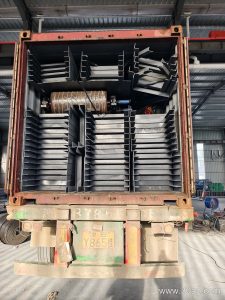
Furthermore, structural stability is maintained by robust conveyor brackets that secure the framework and idlers under heavy load conditions. Ensuring correct alignment across these mechanical elements prevents edge wear and extends the service life of the bulk material conveyor belt in harsh environments like a coal mining conveyor belt network or a cement conveyor belt installation.
Selection Guidelines for Industrial Applications
Choosing the correct Abrasion Resistant Conveyor Belt requires a careful analysis of the conveyed material characteristics, drop heights, and operational speeds. Facilities handling sharp quartz, jagged ores, or heavy slag require superior compound formulations compared to standard general-purpose lines. System designers must evaluate belt width, carcass tensile rating, and cover thickness based on specific site requirements rather than relying on generalized assumptions.