What a 2400mm Conveyor Belt Is
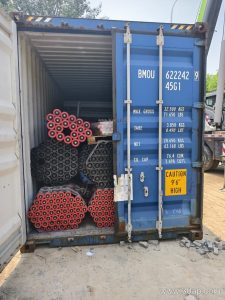
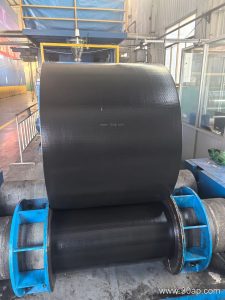
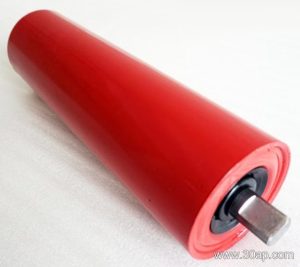
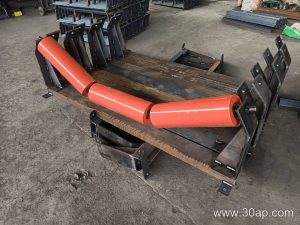
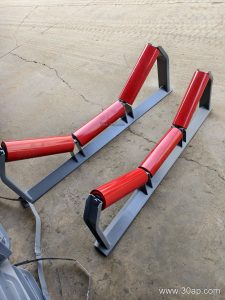
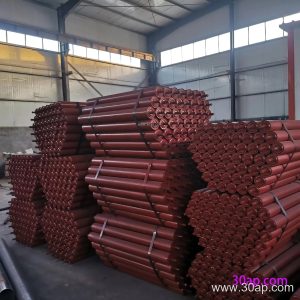
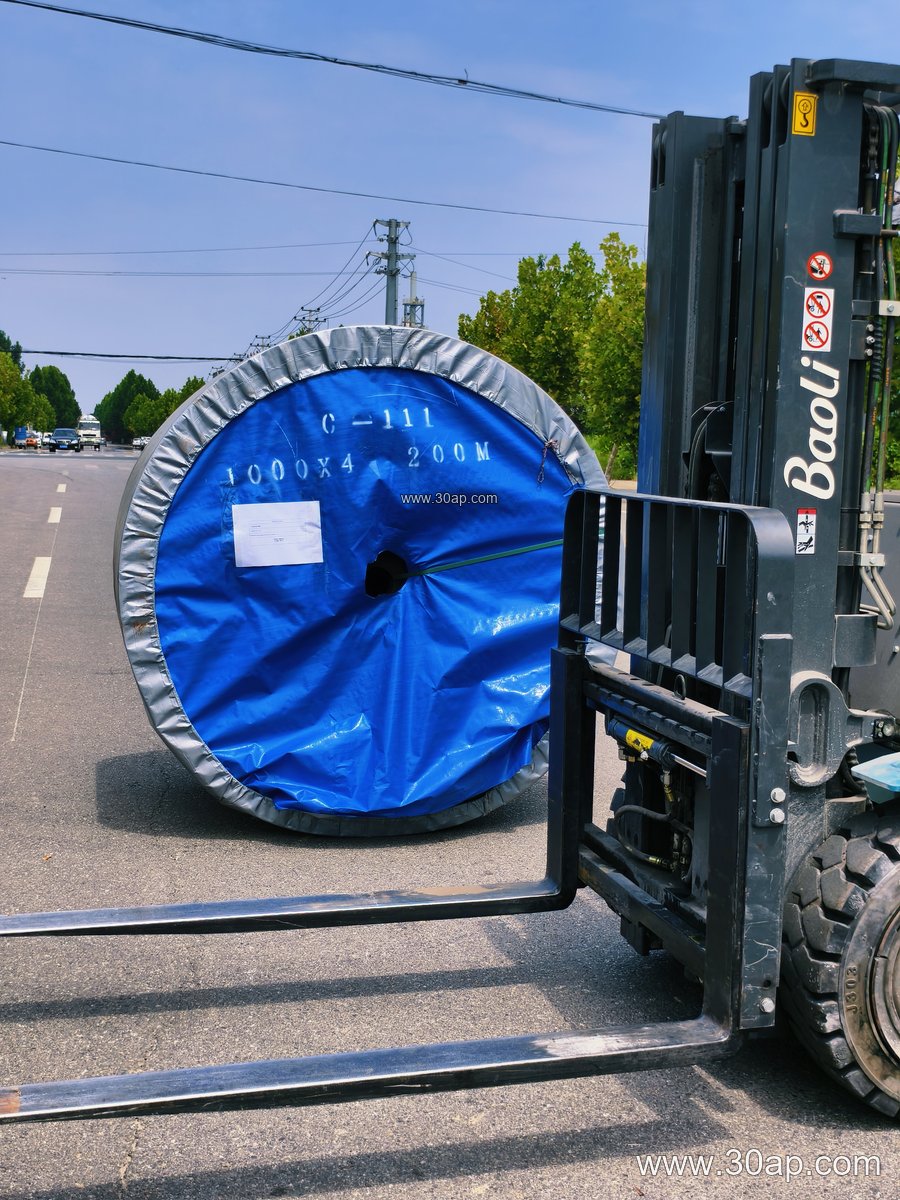
A 2400mm conveyor belt is a wide belting product with a nominal width of 2.4 metres. It is used where a single conveyor line must carry a large volume of bulk material, so the belt is often part of a heavy-duty conveyor system in mining, coal preparation, cement plants, power stations, ports, and large aggregate or sand making operations. Because of its width, it is frequently described as a wide conveyor belt or extra-wide conveyor belt, and it is normally engineered together with the conveyor frame, idler roller sets, conveyor pulley and conveyor bracket rather than selected as a stand-alone item.
The belt is not a fixed recipe. A 2400mm conveyor belt can be supplied with different carcass constructions and cover compounds, so two belts with the same width may behave very differently underground, at a crusher discharge, or on a long overland route.
Construction and Common Configurations
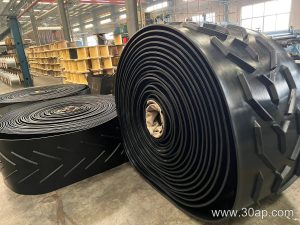
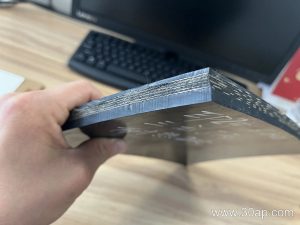
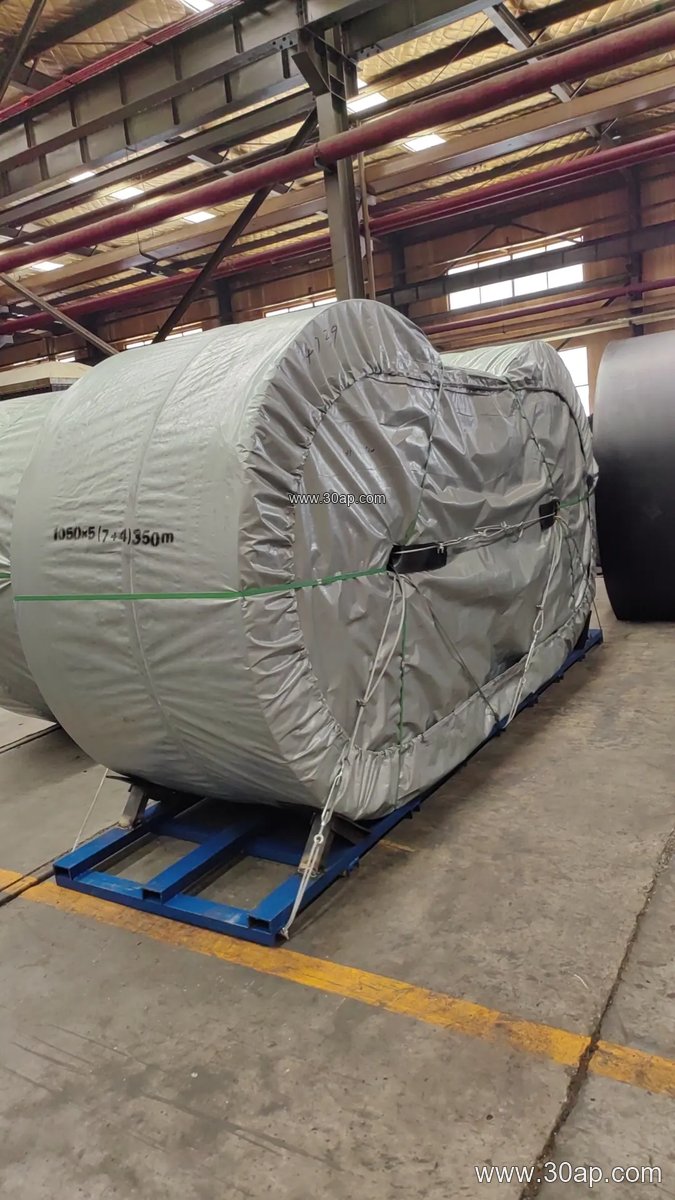
Most belts at this width use a fabric core or a steel cord carcass. Fabric constructions include EP conveyor belt (polyester warp, nylon weft) and NN conveyor belt (nylon warp and weft). Multi-ply fabric core conveyor belt designs are common, and the number of plies usually ranges from two to six depending on the duty. Steel cord conveyor belt is chosen when very high tensile strength and low elongation are needed. Surface and edge options include chevron conveyor belt, corrugated sidewall conveyor belt, and skirted conveyor belt for special handling duties.
Typical reference values for a 2400mm wide belt are shown below. These are common ranges, not universal specifications, and final values are determined by the conveyor design.
| Parameter | Common reference values |
|---|---|
| Nominal width | 2400 mm (also written B2400) |
| Carcass type | EP fabric, NN fabric, multi-ply fabric, steel cord |
| Fabric strength grades | EP200, EP315, EP400, EP500, EP630, EP800, EP1000, EP1250, EP1600, EP2000 |
| Steel cord grades | ST1000, ST1250, ST1600, ST2000 and above, subject to design |
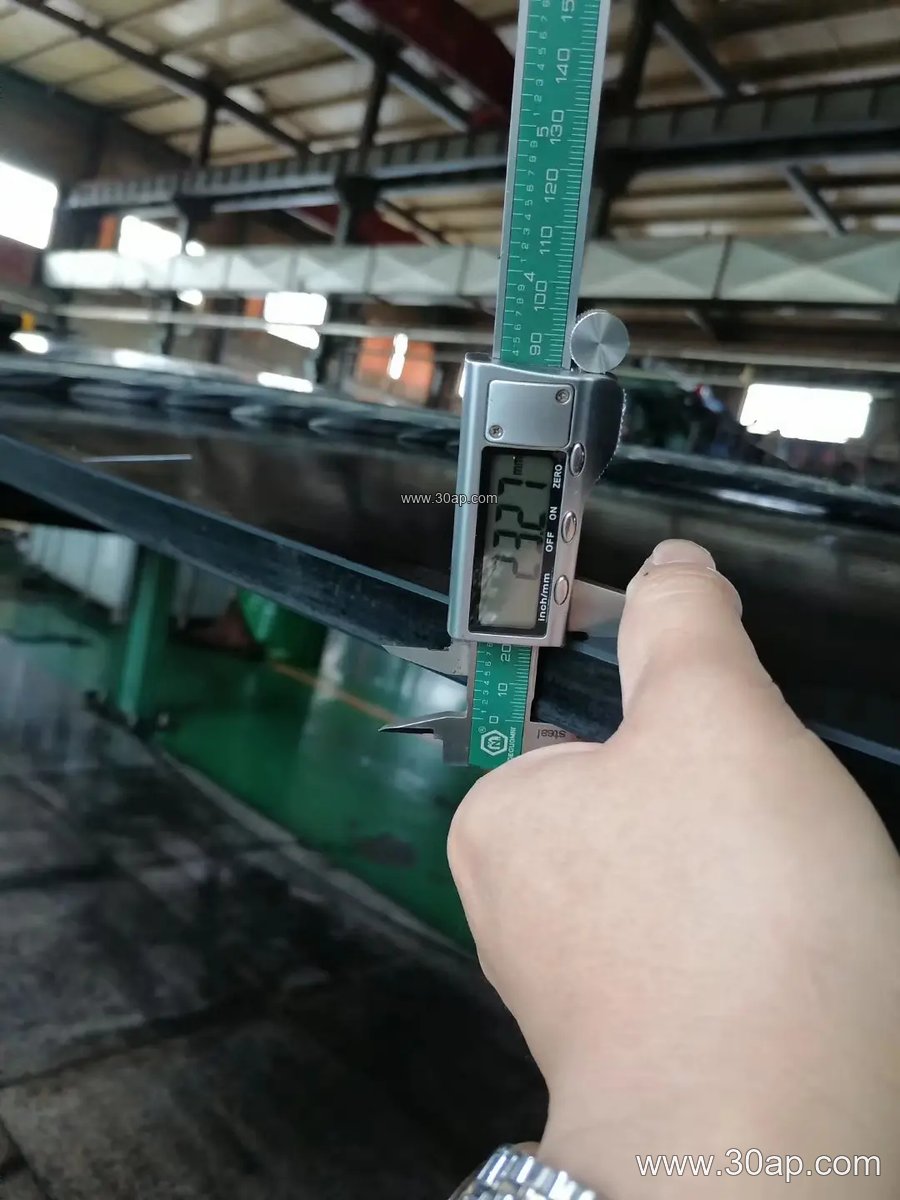
| Cover thickness (top + bottom) | 4+2, 5+2, 6+2, 8+3 mm |
| Ply count | 2 to 6 plies, by design |
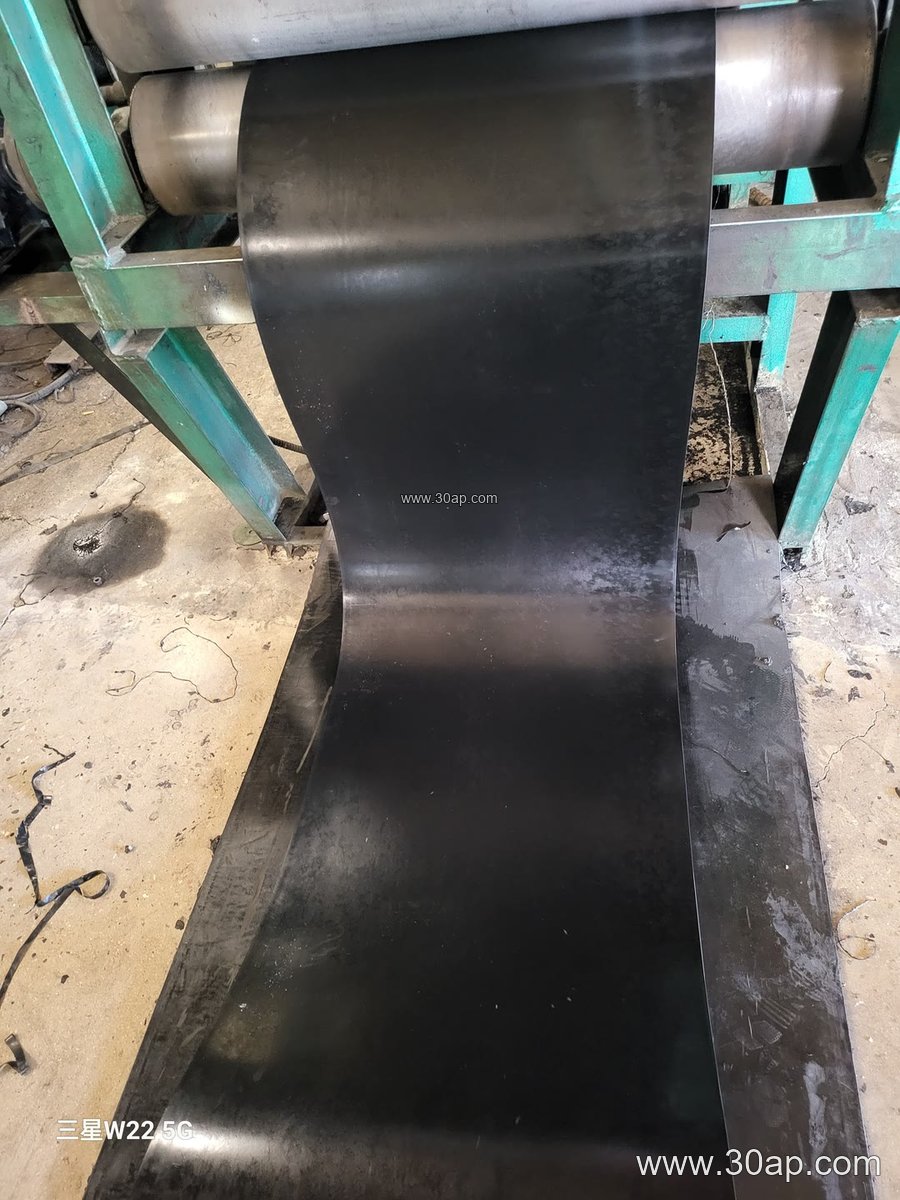
Cover compound selection is as important as width. Abrasion resistant conveyor belt is typical for ore, rock and aggregate; heat resistant conveyor belt suits cement clinker and sinter; flame retardant conveyor belt and anti-static conveyor belt are usual in coal mining and underground coal mining; oil resistant conveyor belt and chemical resistant conveyor belt serve special cargoes. Cold resistant conveyor belt is used in cold climates, and food grade conveyor belt belongs to unrelated light-duty lines.
Where the Width Pays Off
A 2400mm belt is generally specified when capacity, lump size or belt coverage cannot be met with narrower belting such as 1200mm or 1800mm wide conveyor belt. In a quarry conveyor belt or crusher conveyor belt, the extra width spreads large rock over more of the carcass and reduces point loading at the feed point. In a coal mining conveyor belt or underground mining conveyor belt, wide belting helps move run-of-mine coal at high tonnage while keeping belt speed moderate. Cement plant conveyor belt, power plant conveyor belt, steel plant conveyor belt and port or ship loading conveyor belt systems also use this width for bulk material conveyor belt duty.
The belt must be matched to the whole conveyor. Idler roller spacing, pulley face width, transition distance and take-up travel all affect how a 2400mm belt tracks. Drive pulley, tail pulley and bend pulley are separate components with separate duties, and none of them should be treated as interchangeable with another. Wide belts need generous pulley face width and careful crowning and alignment to avoid edge damage.
- Check that the actual belt width suits the idler roller set and frame, not just the required tonnage.
- Confirm carcass grade against the calculated tension, including starting and stopping loads.
- Match cover thickness and compound to the material: abrasive, hot, oily, wet or flammable.
- Plan lifting, splicing and storage, because a 2.4 m wide roll is heavy and awkward to handle.
Buyer Checklist
When enquiring about a 2400mm conveyor belt, give the material type, lump size, capacity, belt speed, centre distance, incline angle, ambient and material temperature, and any flame retardant or anti-static requirement. State the carcass preference, such as EP conveyor belt grade EP630 or a steel cord construction, plus the cover thickness. Ask for the splice method, edge condition and roll length. For a mining conveyor belt or heavy-duty mining conveyor belt, confirm that the selected grade fits the mine’s electrical and fire safety rules. For a cement or power plant, check heat resistance and abrasion resistance together.
Finally, treat catalogue values as guidance. A 2400mm conveyor belt is a designed component, and the correct specification comes from the conveyor calculation, the operating environment and the maintenance plan, not from the width alone. Visit our site for related belting, idler roller, conveyor pulley and conveyor bracket information.