What a High-Angle Conveyor Idler Does on a Steep Route
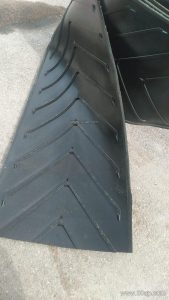
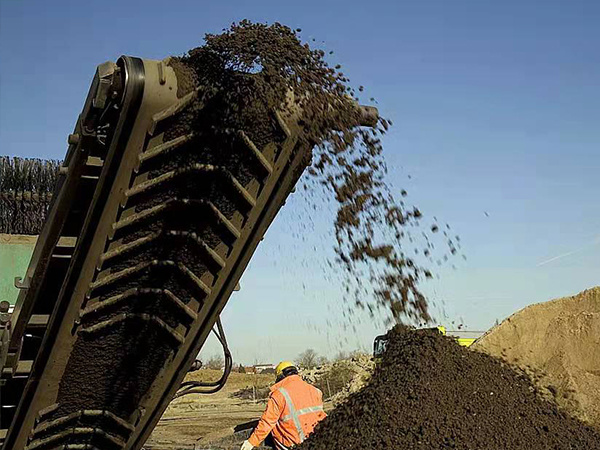
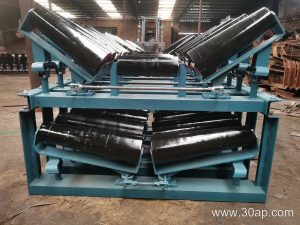
A high-angle conveyor idler is the carrying roller assembly used where a conveyor line climbs at a steep incline and the belt must keep a deep, controlled trough around the load. On a steep section, gravity pulls material back down the belt, so the idler set has to hold the belt in a stable profile, resist edge creep, and keep the load centered. In practice, this usually means a three-roll troughing set with a large trough angle, sometimes combined with a chevron or corrugated sidewall belt above it. The idler itself is still a roller with a shaft, bearing housing, and shell, but its geometry and mounting are chosen for the slope rather than for a flat run.
How the Roller Set Is Built
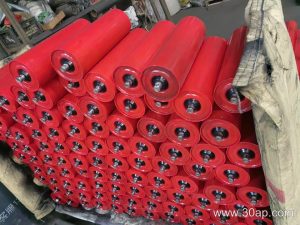
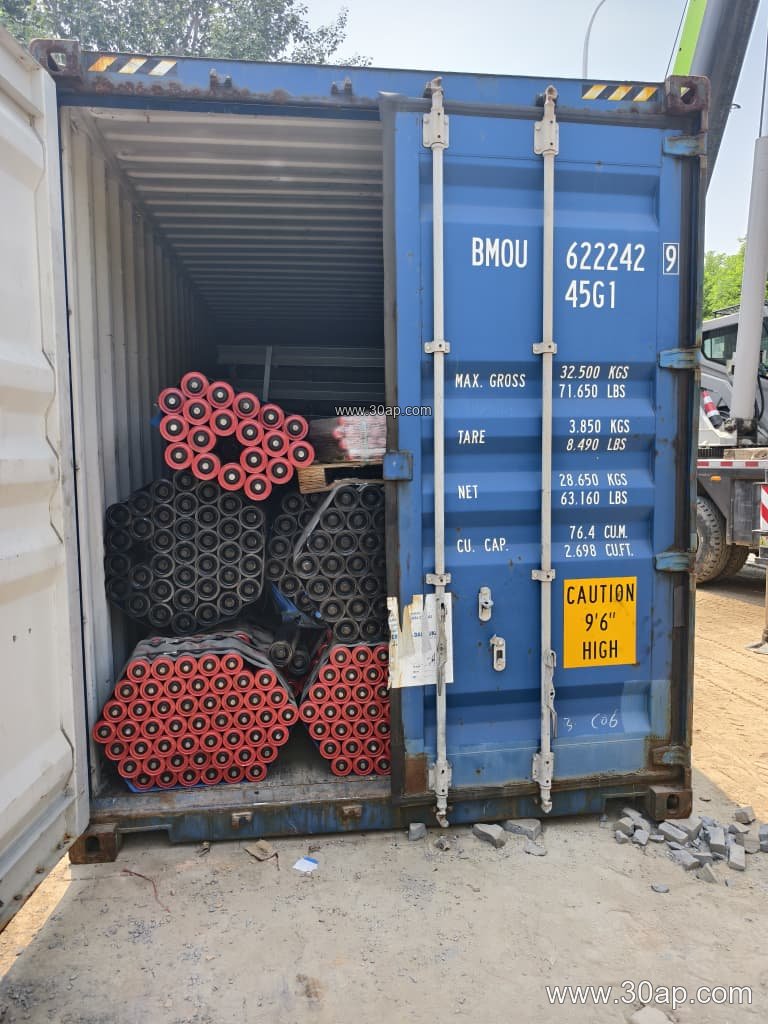
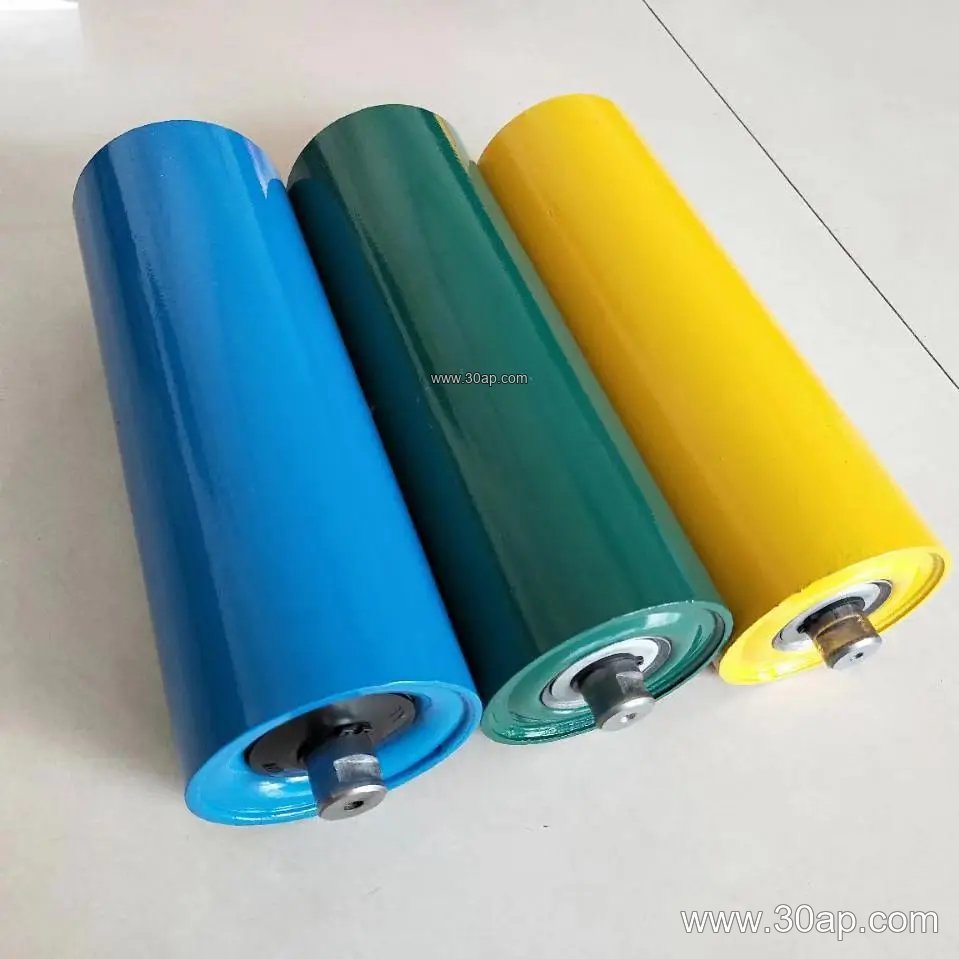
A typical high-angle troughing idler uses a steel tube shell, welded bearing housings, and sealed ball bearings. Common roller diameters for this duty include Ø89, Ø108, Ø127, Ø133, and Ø159 mm, with larger diameters chosen when the belt is wide or the load is heavy. Bearings such as 6205, 6305, 6306, and 6308 appear frequently in these sizes, but the bearing is matched to the shaft and load, not to the belt width alone. The shell may be plain steel, nylon-coated, or fitted with rubber rings where impact and slippage are concerns. The three rolls are held in a frame at a fixed trough angle, and the side rolls may be tilted forward slightly to help center the belt.
Common Reference Dimensions
The table below gives indicative roller lengths for three-roll troughing sets. These are common examples, not fixed rules, and the center roll and side rolls can differ.
| Belt width | Typical roll length (three-roll trough) | Common trough angle |
|---|---|---|
| B500 | about 200 mm | 30° to 35° |
| B650 | about 250 mm | 30° to 35° |
| B800 | about 315 mm | 35° |
| B1000 | about 380 mm | 35° to 45° |
| B1200 | about 465 mm | 35° to 45° |
| B1400 | about 530 mm | 35° to 45° |
| B1600 | about 600 mm | 35° to 45° |
| B1800 | about 670 mm | 35° to 45° |
Roller diameter and shaft size are selected from the belt tension, load per meter, and idler spacing, so a given belt width can work with more than one roller diameter. The frame, conveyor bracket, and mounting height must also suit the structure of the inclined section.
Where Steep Incline Idlers Are Used
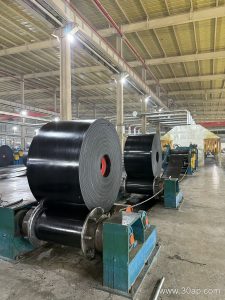
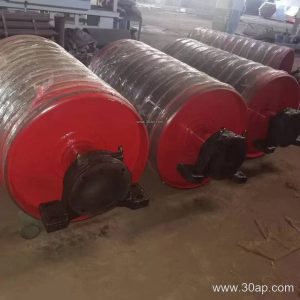
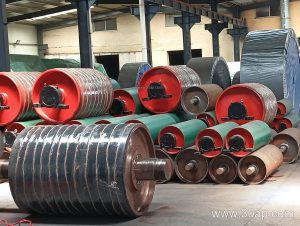
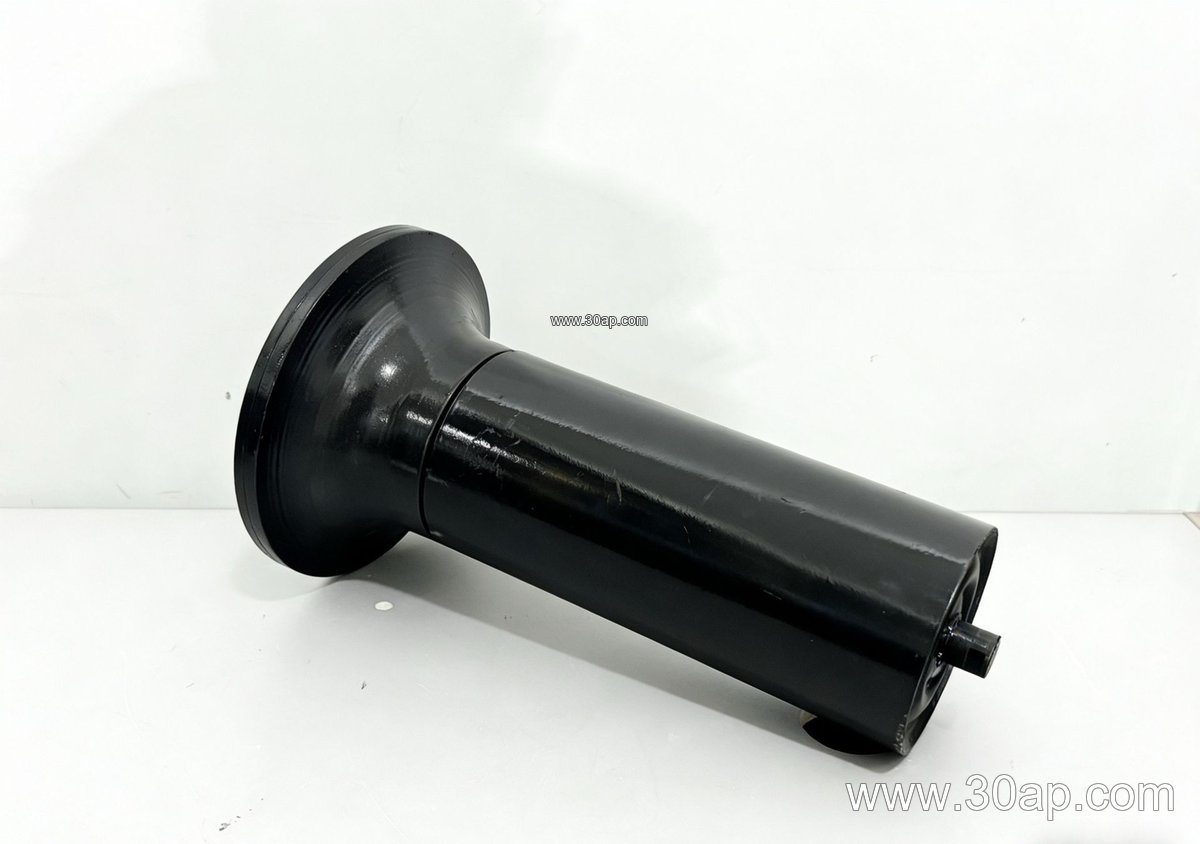
These idlers appear in limestone quarries feeding a crusher, in iron ore and copper ore plants on the incline between screening and stockpile, and in cement plants where raw material climbs to a preheater tower. Coal handling at a power plant and underground coal mining conveyors also use steep troughing sections, often with flame retardant belts. In each case the idler works together with the conveyor belt and the conveyor pulley at the head or tail to keep the material moving uphill without spillage.
Selection Points for Buyers
- Trough angle: 35° and 45° sets are common on steep runs; a deeper trough holds more material but raises belt edge stress.
- Roller diameter: Ø108 and Ø127 mm are frequent mid-range choices; Ø133 and Ø159 mm suit wider, heavier belts.
- Bearing and seal: dusty quarry and coal conditions call for effective labyrinth seals and grease retention.
- Roll surface: rubber rings help where the belt slips or impact is high; ceramic or nylon surfaces may be considered for wear.
- Belt match: a chevron or corrugated sidewall belt changes the idler layout, so confirm the belt type before ordering.
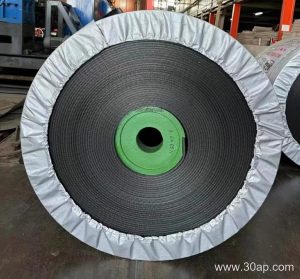
For a steep route carrying abrasive rock, an abrasion resistant conveyor belt paired with well-sealed idlers reduces downtime. In coal and underground work, a flame retardant conveyor belt and anti-static conveyor belt are usually specified together. Buyers should give the supplier the belt width, trough angle, load per meter, and incline so the roller set and shaft can be confirmed.
Installation and Maintenance Notes
On a high-angle section, alignment matters more than on a flat run. A misaligned idler set can make the belt drift and rub the frame, so check the idler roller heights and the square of the frame after installation. Keep the troughing rolls turning freely; a seized roller will wear the belt cover quickly. Inspect seals and bearing play at routine intervals, and replace rollers in matched sets where possible. Training idlers may be added on the incline to correct minor drift, but they do not replace correct trough geometry.
For heavy-duty mining and quarry service, a heavy-duty conveyor belt and robust idler frames are a practical pairing. The idler is a small part of the line, but on a steep incline it directly affects belt life, spillage, and energy use.