What Is a Five-Roll Idler Bracket?
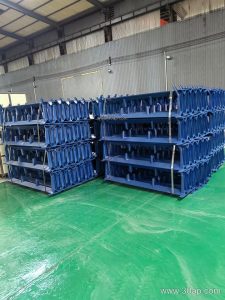
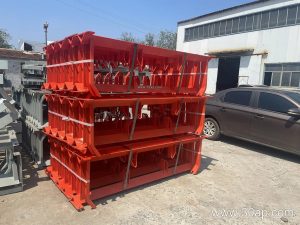
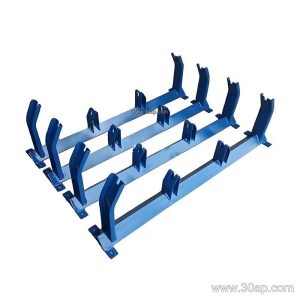
A five-roll idler bracket is a support frame that carries five idler rollers in a single station, typically arranged to form a deep trough. Unlike standard three-roll troughing sets, this bracket adds two extra rolls to increase the contact area with the conveyor belt, improving load distribution and reducing material spillage on high-capacity lines. It is a specialized subtype of conveyor bracket used where belt training and impact absorption demand more than a conventional three-roll arrangement.
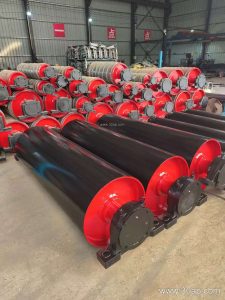
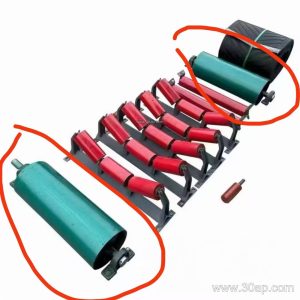
The five-roll idler bracket is often referred to as a five-roll troughing bracket or five-roll idler frame. These terms describe the same product and can be used interchangeably in technical discussions. The bracket itself is distinct from drive pulleys, tail pulleys, and bend pulleys, which serve different functions in the conveyor system.
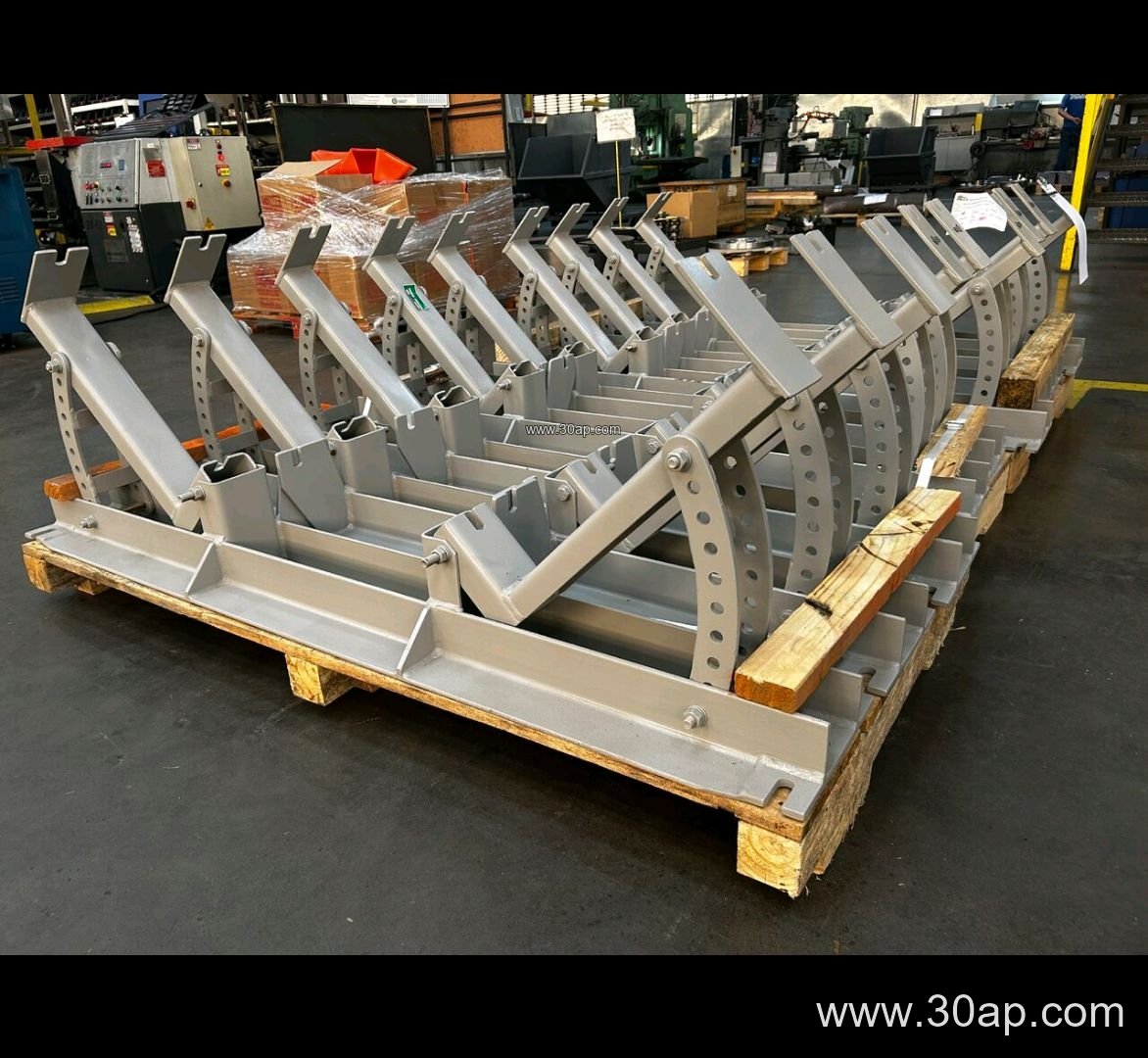
Construction and Key Components
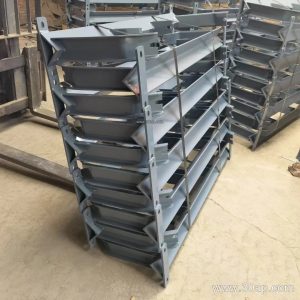
Most five-roll idler brackets are fabricated from angle steel, channel steel, or folded steel plate. The frame includes mounting slots or holes that align with the conveyor stringer, and the roll supports are positioned to create the desired trough angle. Common trough angles for five-roll stations include 20, 30, 35, and 45 degrees, with the outer rolls often set at a steeper angle to deepen the trough profile. Adjustable versions allow the trough angle to be changed on site to suit different loading conditions.
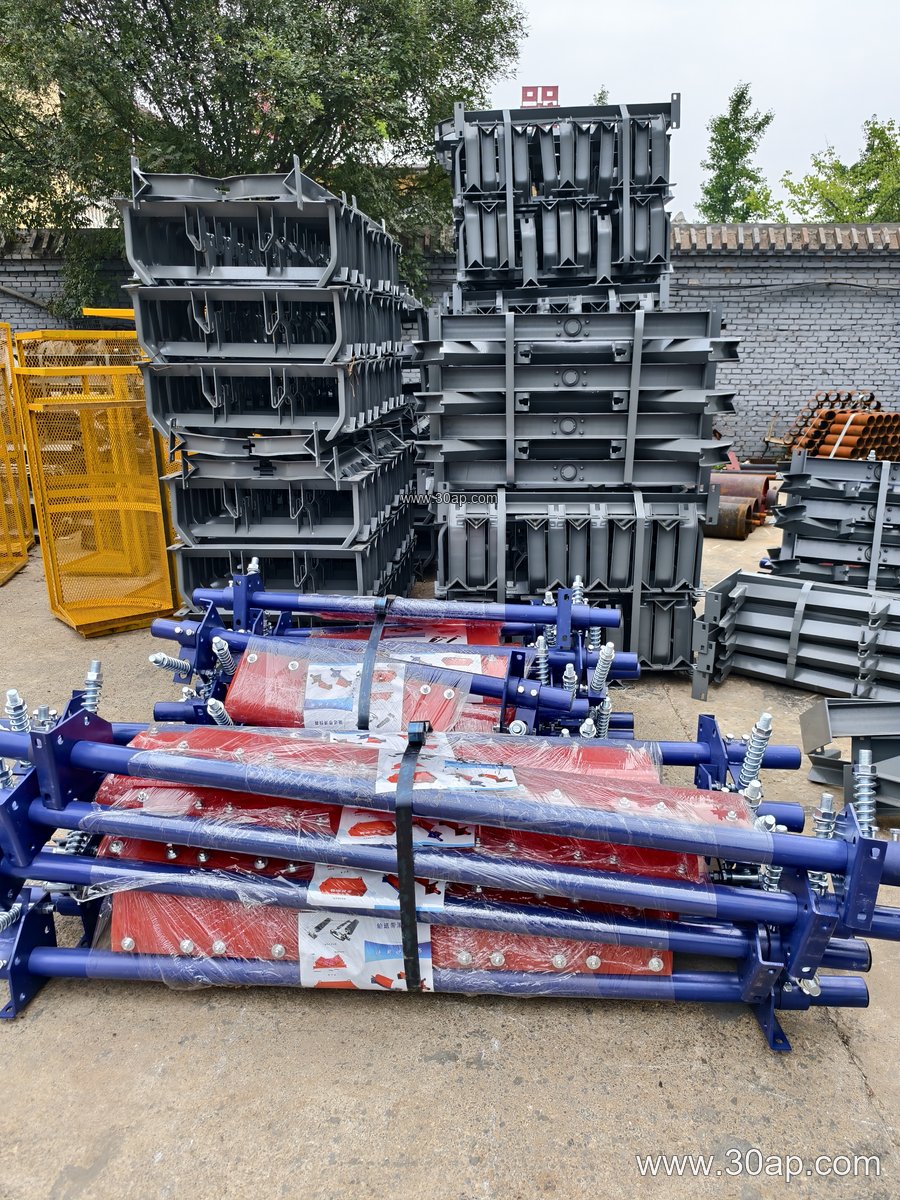
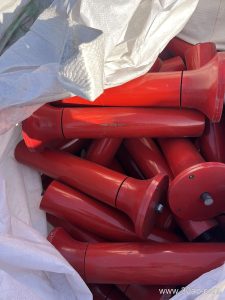
The bracket is designed to accept idler rollers with shaft diameters such as Ø89, Ø108, Ø133, Ø159, or Ø194 mm. The choice of roller diameter depends on belt width, load, and speed, not on a fixed rule. For example, a B800 belt might use Ø108 rolls, while a B1200 belt in a quarry might use Ø133 or Ø159 rolls. The bracket’s crossbeam length and mounting hole spacing are determined by the belt width and trough angle, so these dimensions are not universal.
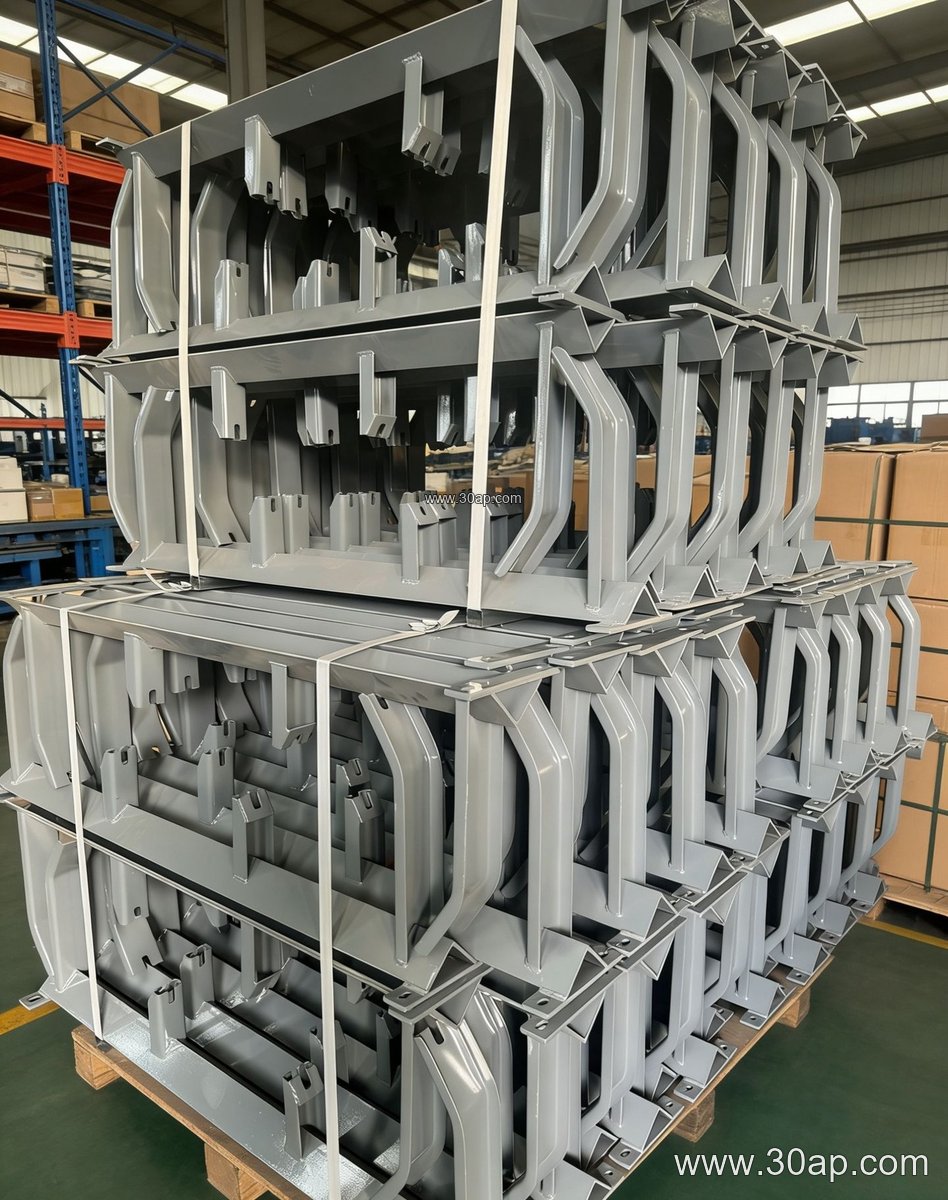
Where Five-Roll Idler Brackets Are Used
These brackets are common in bulk material handling where belt capacity is high and material is abrasive or heavy. In a coal mining conveyor system, a five-roll bracket helps keep the belt centered and reduces spillage at transfer points. In a cement plant, it supports the belt on the main raw material feed line. Other typical locations include iron ore mines, power plant coal yards, and aggregate crushing plants.
Because the five-roll design distributes load over more rollers, it can extend belt life and reduce the risk of belt edge damage. It is often paired with impact idler brackets at loading zones, but the five-roll bracket itself is a distinct type used for carrying the belt along the main run.
Selection and Sizing Notes
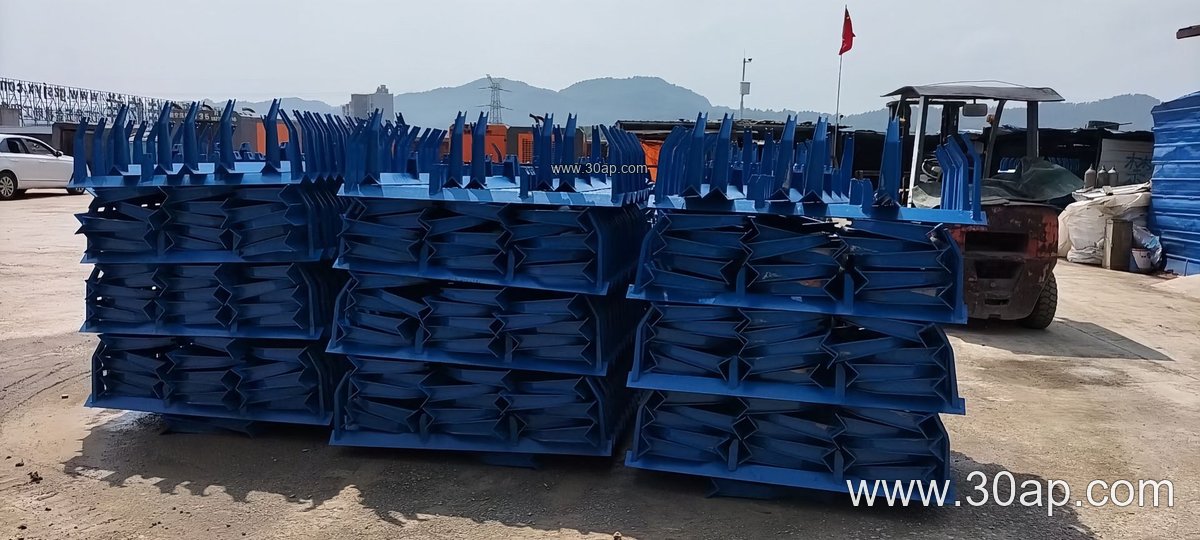
When specifying a five-roll idler bracket, buyers should consider belt width, trough angle, roller diameter, and the material being conveyed. The table below lists common reference combinations; these are examples, not mandatory matches.
| Belt Width (B) | Trough Angle | Typical Roller Diameter | Example Application |
|---|---|---|---|
| B650 | 30° | Ø89 | Small aggregate line |
| B800 | 35° | Ø108 | Cement plant feed |
| B1000 | 35° | Ø133 | Coal mining conveyor |
| B1200 | 45° | Ø133 | Iron ore transport |
| B1400 | 45° | Ø159 | Power plant coal yard |
| B1600 | 35° | Ø159 | Port bulk terminal |
Adjustable five-roll brackets allow the trough angle to be set between 20 and 45 degrees, which is useful when the conveyor handles different materials. Fixed brackets are simpler and often chosen for dedicated lines. The bracket should be matched with the conveyor’s stringer spacing and the selected idler roller shaft size. No single belt width dictates a single roller diameter; the final choice depends on load and design.
Buyer Checklist
- Confirm belt width and required trough angle for the application.
- Verify the roller shaft diameter and mounting hole pattern of the idler rollers to be used.
- Check whether an adjustable or fixed bracket suits the maintenance philosophy.
- Ensure the bracket material and finish are appropriate for the environment, such as dusty or corrosive conditions.
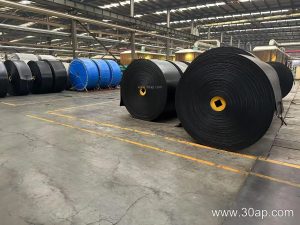
- Consider the conveyor belt type, for example a flame retardant conveyor belt in underground coal mining or a heat resistant conveyor belt in a cement kiln area, as it may influence idler spacing and bracket selection.
For reliable operation, the five-roll idler bracket should be installed on straight, well-aligned stringers. Regular inspection of the bracket and rollers helps prevent belt misalignment and premature wear. Whether in a quarry, a coal preparation plant, or a steel plant, this bracket type offers a practical way to support the belt with a deeper trough and more contact points.