What a Return Idler Bracket Does
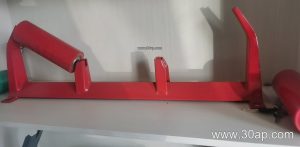
The return idler bracket, also called a return roller support bracket, is the component that holds the return idlers in place on the lower run of a conveyor. While the carrying side gets most of the attention, the return side quietly does its own job: it supports the empty belt, keeps it tracking, and helps maintain tension. In a quarry, a coal washing plant, or a cement kiln feed line, a well-built return bracket reduces vibration and keeps the belt from sagging between pulleys.
Unlike a drive pulley or a tail pulley, the return bracket does not transmit power. It is a structural interface between the conveyor frame and the idler roller. The bracket is usually bolted to the stringer or cross member, and the idler sits in the bracket’s hook or slot. This simple arrangement allows quick replacement of a worn roller without cutting or welding the frame.
Construction and Materials
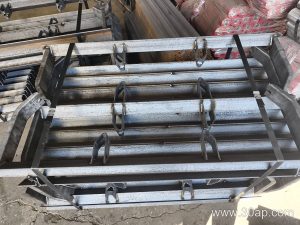
Most return idler brackets are made from angle steel, channel steel, or folded steel plate. The material choice depends on load and environment. In a limestone mine with heavy dust, a folded plate bracket with a closed profile resists buildup better than an open angle design. In a power plant coal yard, galvanized or painted brackets help against corrosion.
Key features of a typical return bracket include:
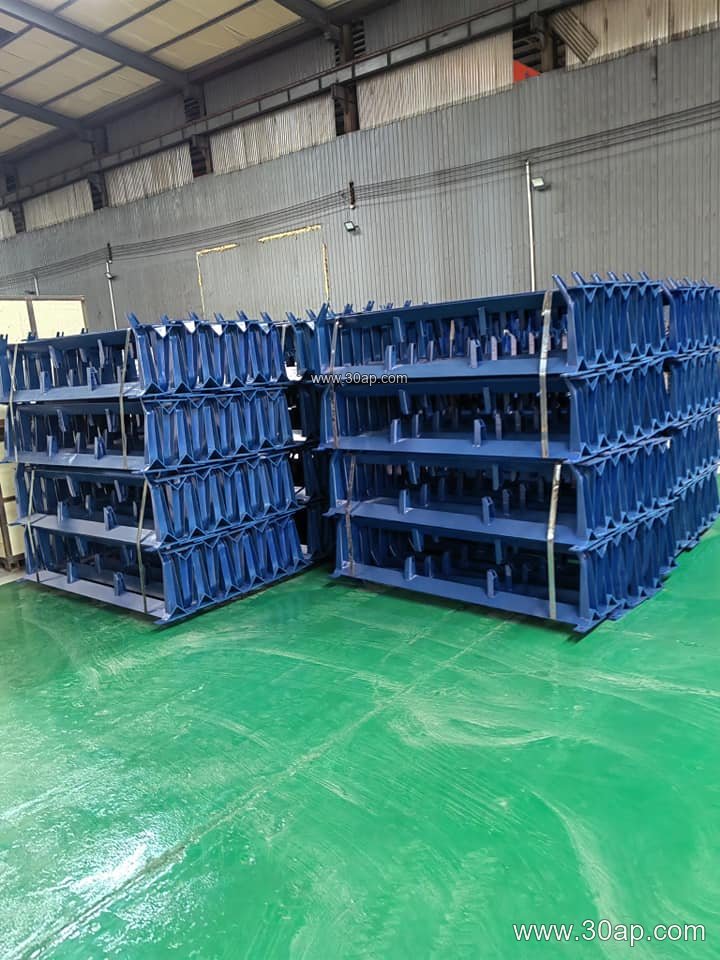
- Mounting holes or slots sized to the conveyor frame
- A cradle or hook that matches the idler shaft diameter
- Reinforcing ribs or gussets for stiffness
- Adjustment slots for belt training in some designs
The bracket works together with the conveyor belt and the idler roller. If the bracket is flimsy, the return roller will tilt, and the belt will drift. If the bracket is too rigid without any adjustment, tracking becomes a matter of shimming, which is never pleasant in a dusty plant.
Where It Fits in the Conveyor
Return brackets appear along the lower strand, usually spaced every 2.5 to 3.5 meters, depending on belt width and load. In a crushing and screening line, you will find them under the fines belt and the main product belt. In an underground coal mining conveyor, they are part of the compact frame that fits within the gallery.
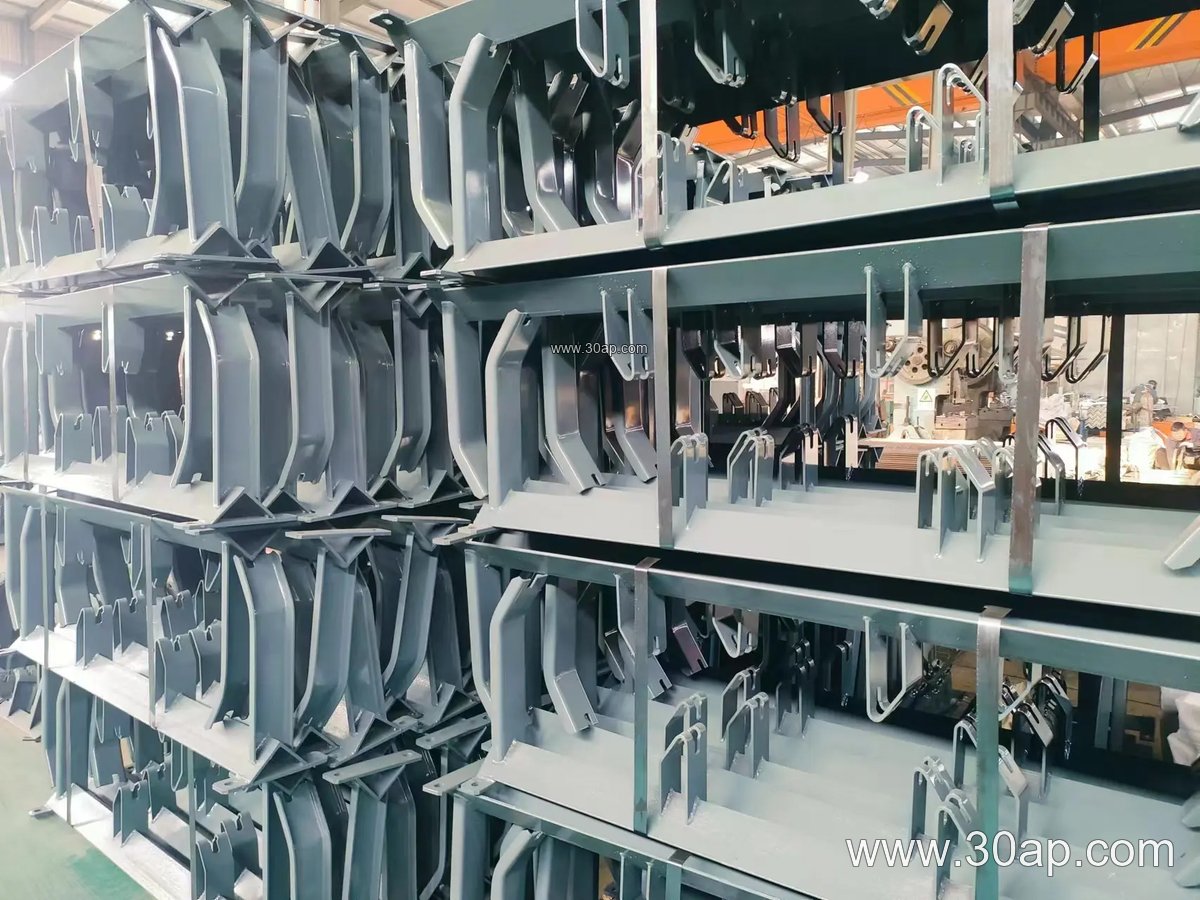
These brackets are not interchangeable with the brackets used for troughing idlers on the carrying side. A return bracket is typically flat or V-shaped, while a troughing bracket holds three rollers at a trough angle. The return bracket’s job is to support the belt flat or in a slight V, not to form a trough.
Types and Common Configurations
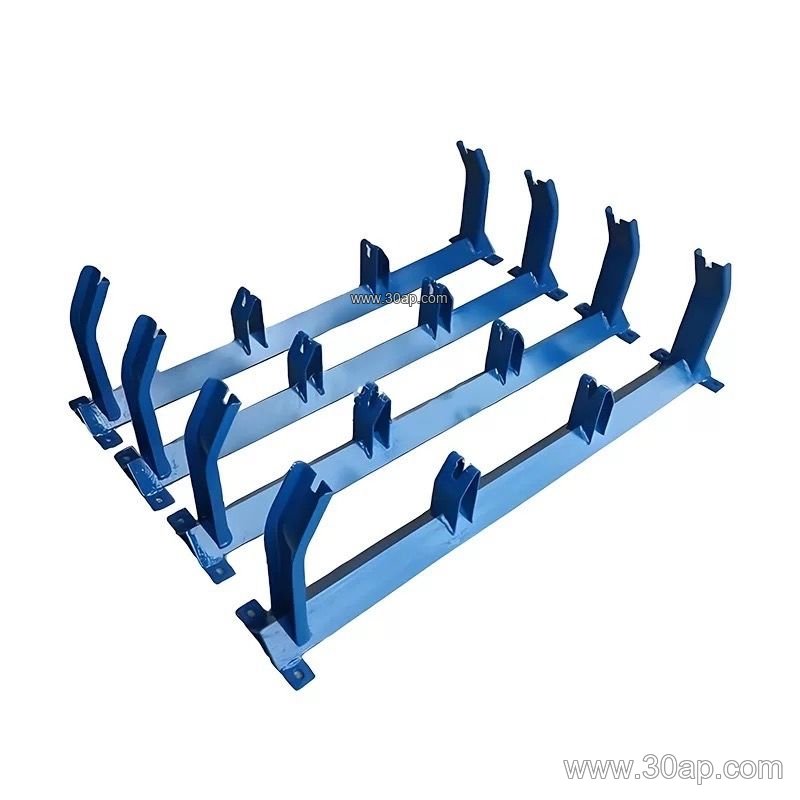
Return idler brackets come in several forms. The flat return bracket is the most common for standard belts. The V-return bracket uses two rollers set at a slight angle, which helps center the belt and shed material. A suspended or hanging bracket is used where the frame cannot accept a bolted base. Adjustable return brackets allow fine tuning of height or angle to correct belt tracking.
For reference, common belt widths and matching bracket dimensions are often selected as follows. These are typical ranges, not fixed rules.
| Belt Width (B) | Typical Return Bracket Span | Common Idler Diameter |
|---|---|---|
| B500 | 600–700 mm | Ø89 |
| B650 | 750–850 mm | Ø89 or Ø108 |
| B800 | 900–1000 mm | Ø108 |
| B1000 | 1100–1200 mm | Ø108 or Ø133 |
| B1200 | 1300–1400 mm | Ø133 |
| B1400 | 1500–1600 mm | Ø133 or Ø159 |
| B1600 | 1700–1800 mm | Ø159 |
| B1800 | 1900–2000 mm | Ø159 or Ø194 |
Note that a B1200 belt does not have to use a single idler diameter; the choice depends on load, speed, and the bracket design. Always confirm mounting hole spacing and cross member length with the conveyor frame drawing.
Selection and Maintenance Notes
When choosing a return idler bracket, start with the belt width and the return idler diameter. Then check the frame attachment: bolt hole pattern, slot length, and whether the bracket sits on top of the stringer or hangs below. In a dusty cement plant or a wet sand and gravel operation, choose a bracket that does not trap material. A folded plate design with drainage gaps is easier to keep clean than a boxy channel.
For high-abrasion service, such as a copper ore conveyor, the bracket itself does not wear as fast as the idler, but the mounting holes can elongate if the bolts loosen. Use lock washers or thread-locking compound. Inspect return brackets during routine idler changes. A bent bracket will shorten idler life and cause belt edge wear.
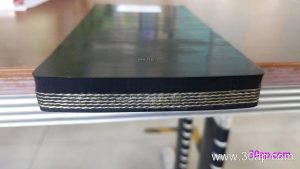
If the conveyor uses a steel cord conveyor belt or a heavy-duty fabric belt, the return bracket must be stiff enough to resist the higher tension and weight. In coal mining, flame retardant properties apply to the belt, not the bracket, but the bracket should be painted or coated to resist corrosion in damp conditions.
Buyer Checklist
- Confirm belt width and return idler diameter
- Check frame hole spacing and cross member height
- Decide between fixed and adjustable design
- Match material finish to the environment (painted, galvanized, or bare)
- Verify that the bracket allows the idler to rotate freely and be removed easily
A return idler bracket is a small part, but it keeps the return strand stable. In a port conveyor or a stone crushing plant, the difference between a well-chosen bracket and a poor one shows up in belt tracking and idler life. Use the bracket as part of the whole conveyor system, alongside the conveyor pulley and the belt, and the lower run will stay trouble-free.