What a Conveyor Loading Point Impact Idler Does
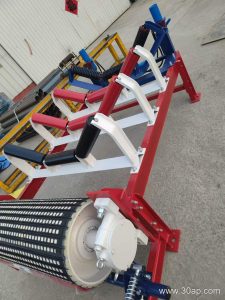
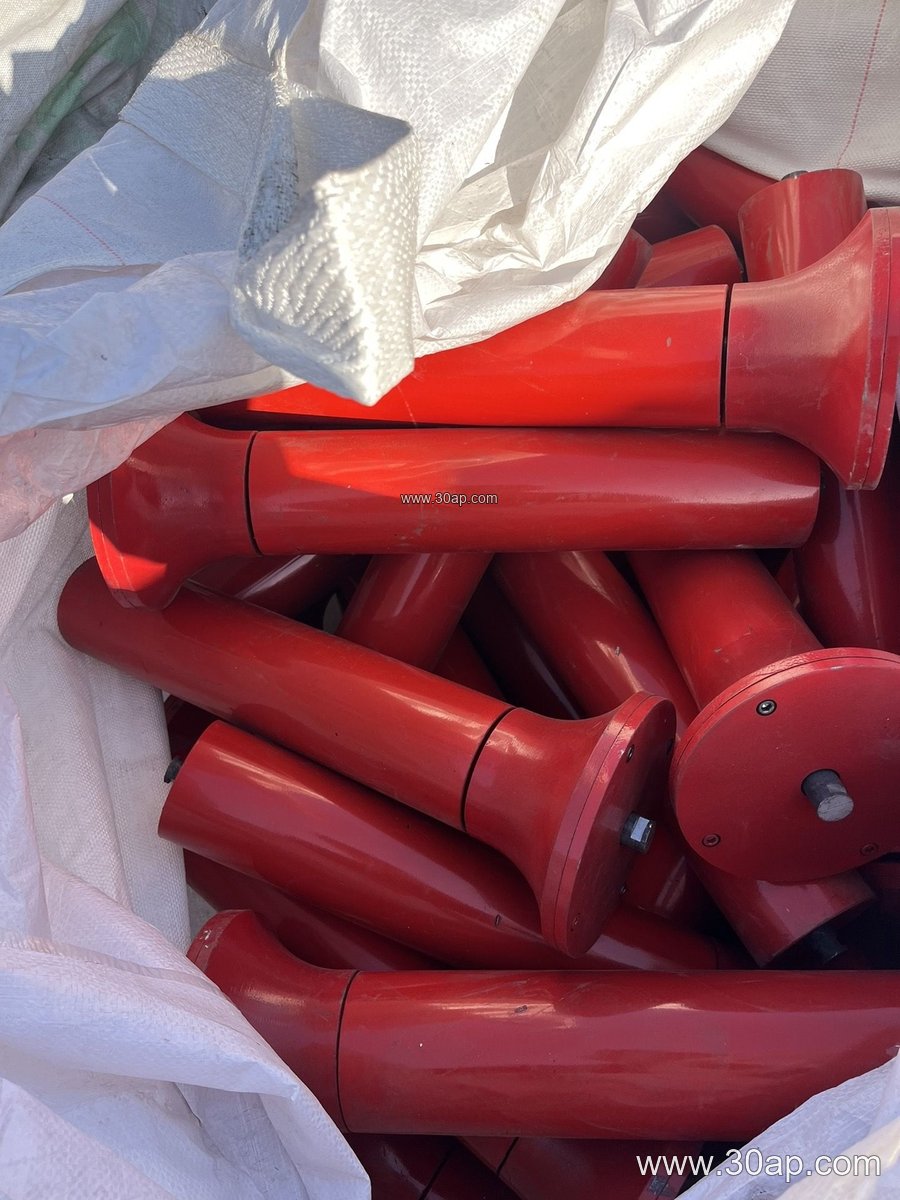
At the transfer point where bulk material drops onto a conveyor belt, the belt and its supporting idlers take a pounding. A Conveyor Loading Point Impact Idler is a specialized idler roller assembly designed to absorb that energy, protect the belt from gouging and puncture, and keep the load zone stable. Sometimes called an impact roller or buffer idler, this component sits directly under the loading chute, often as a three-roll troughing set or a single heavy-duty roll. Unlike standard carrying idlers, the impact version uses resilient surfaces and reinforced construction to cushion falling rock, ore, or aggregate.
Construction and Key Features
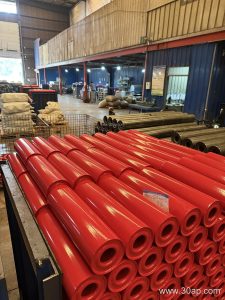
The impact idler typically combines a steel tube body with rubber rings or a rubber-covered shell. The rubber discs are spaced along the roller to create a compliant surface that deflects under impact and then recovers. Bearings are usually selected for shock loading, with common sizes such as 6205, 6305, or 6308 depending on the roller diameter and load. Shafts are often thicker than those of standard idlers, and the end brackets are reinforced to resist vibration.
Roll diameters for impact idlers follow the same general range as other idlers: Ø89, Ø102, Ø108, Ø127, Ø133, Ø159, and larger. The correct diameter depends on belt width, material lump size, and the required gap between the belt and the supporting structure. Surface options include plain rubber rings, grooved rubber, and ceramic-lagged rolls for extreme abrasion.
Where Impact Idlers Are Used
These idlers are common in quarry and aggregate operations, where crushed stone drops from a primary crusher onto a belt. They also appear in coal handling systems at power plants, in cement plants at clinker transfer points, and in iron ore or copper ore loading stations. In each case, the impact idler protects the conveyor belt from sharp edges and high drop heights.
For example, a quarry conveyor belt receiving 300 mm rock from a hopper benefits from a three-roll impact troughing set with rubber-ring rollers. The cushioning effect reduces belt cover wear and extends splice life. In a coal mining conveyor belt transfer, flame retardant impact idlers may be specified to match the fire safety requirements of the belt itself.
Matching the Idler to the Conveyor
Buyers should consider belt width, material lump size, drop height, and throughput. Common belt widths include B500, B650, B800, B1000, B1200, B1400, and B1600. The idler roll length is not fixed by belt width alone; it depends on the troughing angle and the number of rolls in the set. A three-roll 35-degree troughing set for B800 might use 315 mm rolls, while a B1200 set might use 465 mm rolls. These are typical examples, not universal rules.
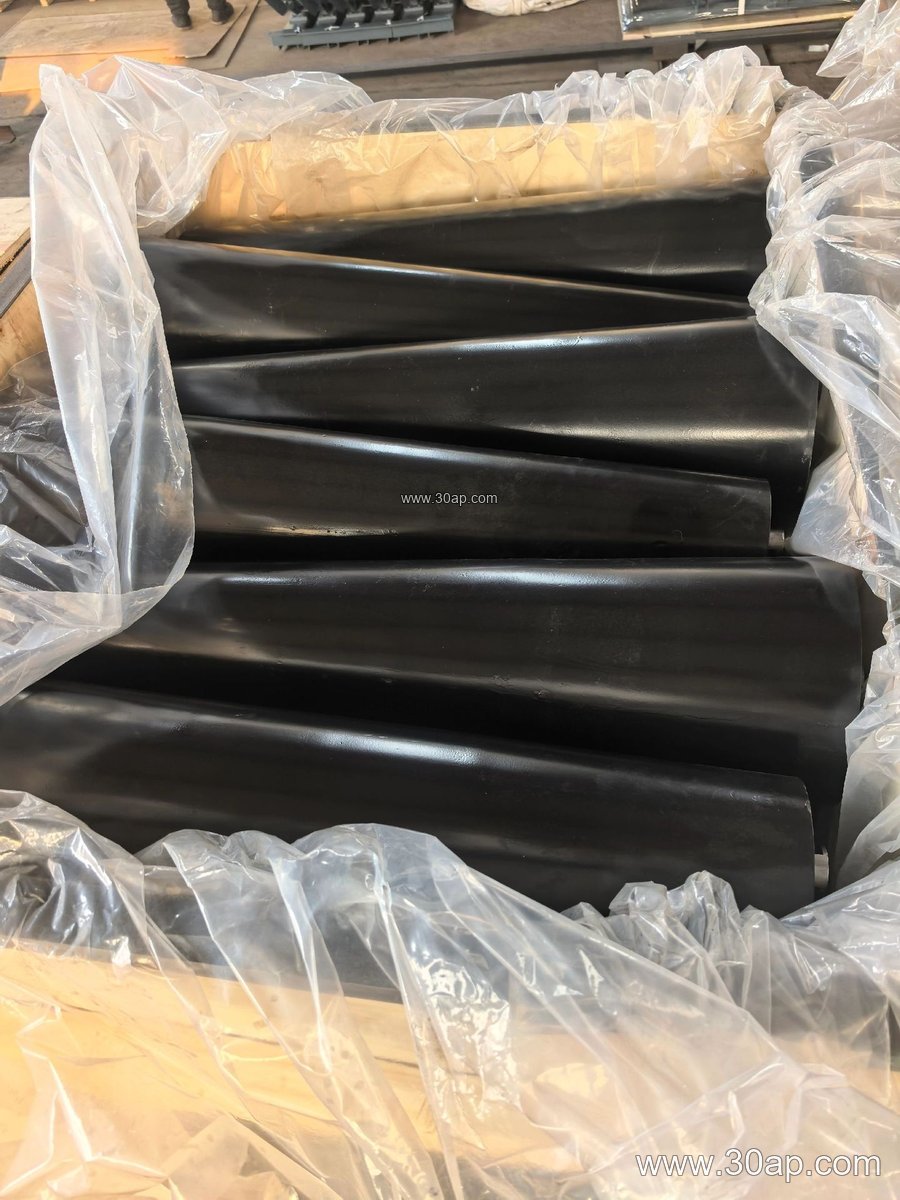
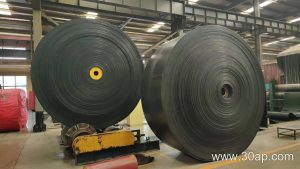
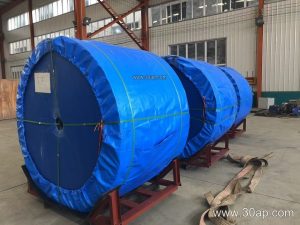
Impact idlers are often used together with a rubber conveyor belt or an EP conveyor belt in the load zone. The belt’s impact resistance and the idler’s cushioning work as a system. For very high drop heights, a impact bed or slider bar may supplement the idlers. In dusty or wet conditions, sealed bearings and corrosion-resistant finishes help maintain service life.
Selection and Maintenance Tips
- Check the drop height and lump size before choosing rubber ring thickness and roll diameter.
- Use reinforced brackets and frames to handle shock loads; standard brackets may fatigue.
- Inspect rubber rings for cuts or flattening during routine belt inspections.
- Keep the load zone centered to avoid uneven wear on the impact idler and belt edges.
- For coal mining or underground mining conveyor belts, confirm that idler materials meet the same flame retardant standards as the belt.
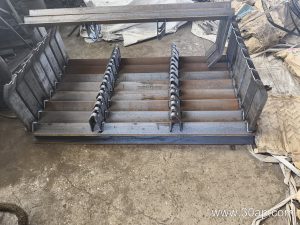
Related components in the same system include the conveyor pulley at the drive and tail, the conveyor bracket that holds the idler frame, and the idler roller itself. None of these are interchangeable with the impact idler, but they all affect load zone performance.
Buyer Checklist
When specifying a Conveyor Loading Point Impact Idler, provide the belt width, trough angle, material type, and expected lump size. Ask for the roller diameter, bearing size, and rubber ring hardness. Confirm the mounting dimensions match your existing conveyor bracket. For harsh applications such as gold mining conveyor belts or heavy-duty mining conveyor belts, consider a reinforced impact idler with thicker rubber and larger shaft. Always verify that the selected idler suits the actual conveyor design rather than assuming a fixed match between belt width and roller size.