What the V-Type Idler Bracket Does
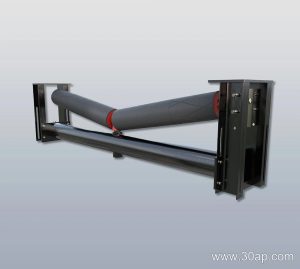
The V-Type Idler Bracket is a return-side support component that holds two idler rollers in a V formation. In a belt conveyor, the return strand is the bottom run of the belt after it leaves the drive pulley and before it reaches the tail pulley. Without proper support, that strand sags between pulleys and can mistrack. The V-shaped bracket solves this by cradling the belt in a shallow trough, using gravity to keep the belt centered. It is often called a V-return bracket, and that alternate name describes the same product. This is a return-strand bracket, not a troughing bracket or an impact bracket, and it should not be confused with those other support types.
Construction and Mounting
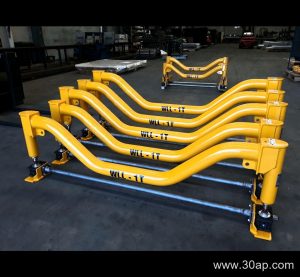
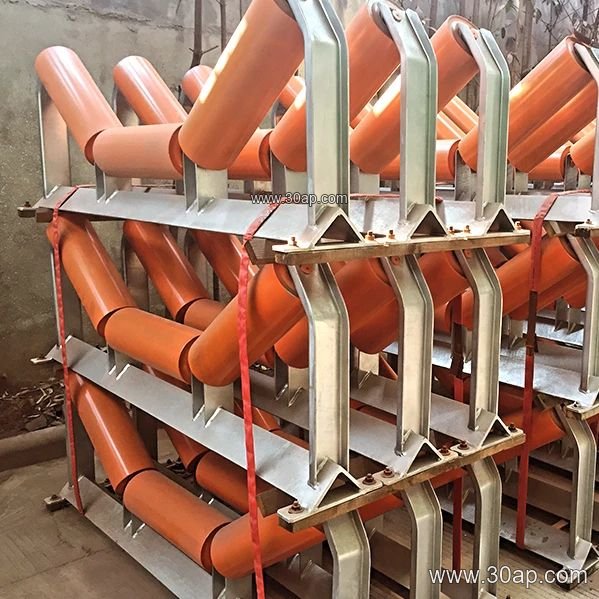
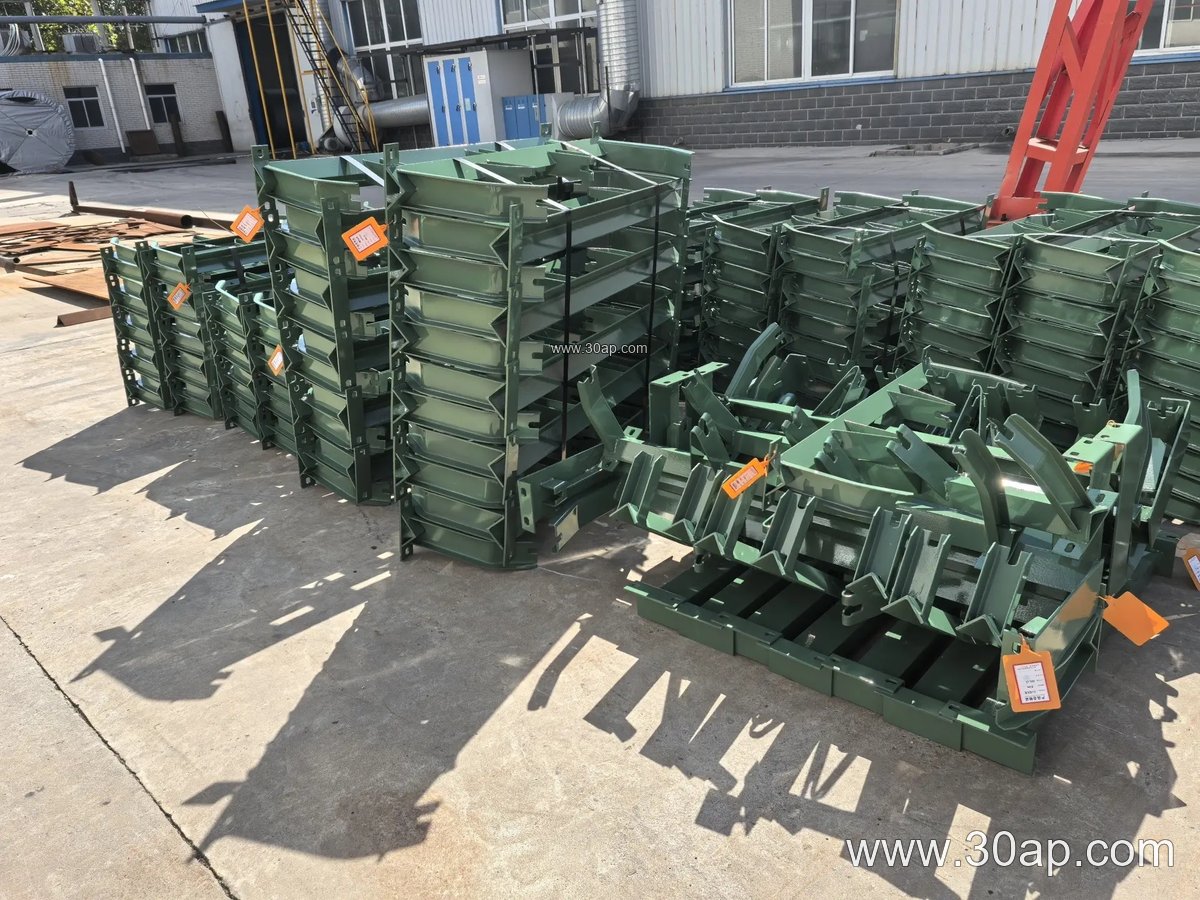
Most V-Type Idler Bracket assemblies are fabricated from angle steel, channel steel, or folded steel plate. Two inclined arms meet at a central low point, and each arm carries one idler roller. The rollers rotate on their own shafts, which are held in slots or bolted seats on the bracket arms. The bracket is fixed to the conveyor frame stringers, usually with bolts through pre-drilled holes. Installation height and hole spacing are determined by belt width, trough angle, and the frame design, so they are not universal. A typical arrangement might be B800, 30 degrees, with Ø108 idler rollers, but other combinations are common. The bracket itself does not drive the belt; it only supports and guides the return run.
Where It Fits in the Conveyor Line
The V-Type Idler Bracket is used on the return strand of belt conveyors in many bulk handling operations. In a quarry or aggregate line, it helps keep a heavy conveyor belt from wandering after the material has been discharged. In a coal washing plant, it supports the return run where dust and moisture are present. In a cement plant, it may be found under the belt that carries clinker or raw meal. The bracket works together with the conveyor belt, idler roller, and conveyor pulley. The drive pulley and tail pulley remain separate components; the bracket does not replace either of them. A bend pulley may be present in some layouts, but the V-return bracket is still only a support item on the return path. It is not a substitute for a troughing idler bracket on the carrying side.
Common Configurations and Reference Values
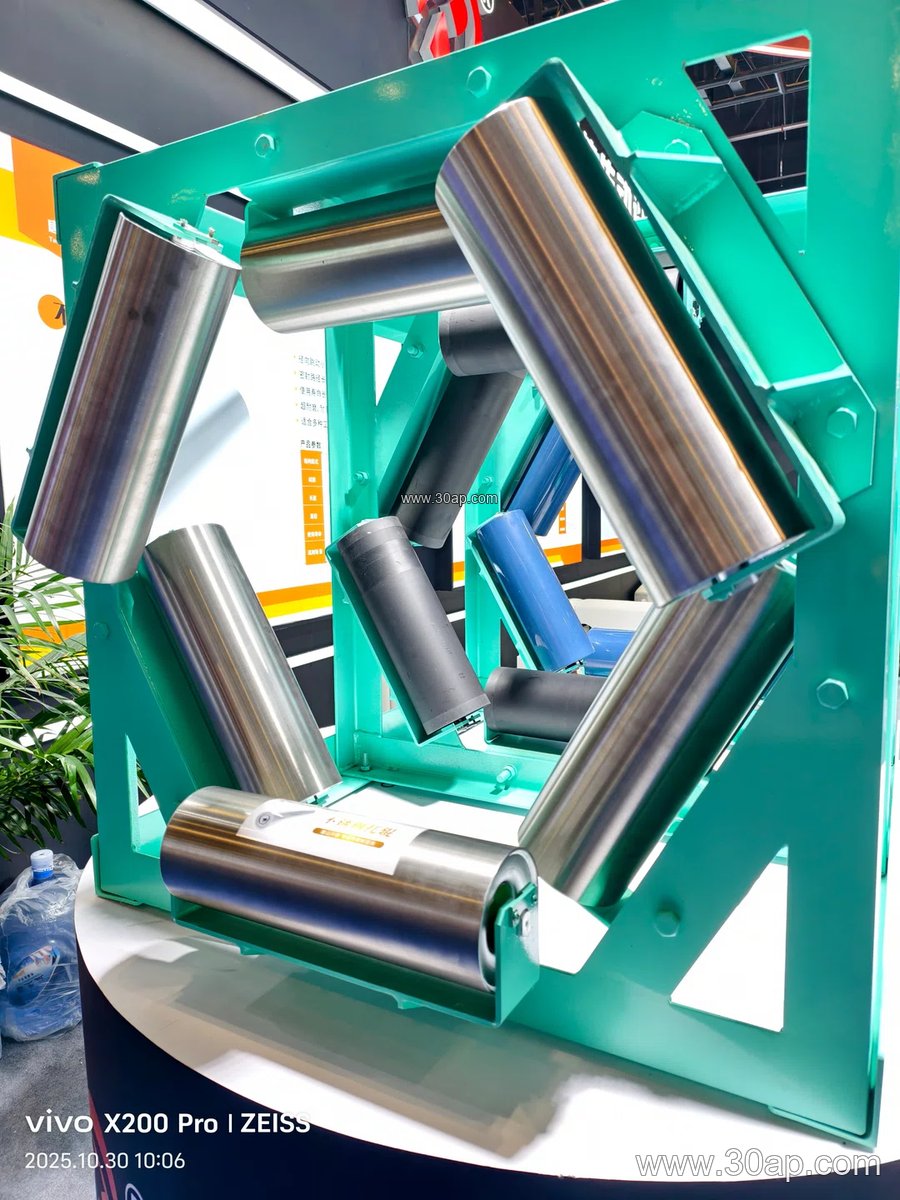
When specifying a V-Type Idler Bracket, buyers usually define belt width, trough angle, and idler roller diameter. The table below lists common reference values, not fixed rules. Any one belt width can be paired with different angles and roller diameters depending on the conveyor design.
Reference data
- Belt width: B500, B650, B800, B1000, B1200, B1400, B1600, B1800, B2000
- Trough angle: 20 degrees, 30 degrees, 35 degrees, 45 degrees
- Idler roller diameter: Ø89, Ø108, Ø133, Ø159, Ø194
- Fabrication material: angle steel, channel steel, folded steel plate
Example combinations seen in design discussions include B650, 30 degrees, Ø89; B1000, 35 degrees, Ø133; and B1400, 45 degrees, Ø159. These are examples only. The mounting hole spacing and crossbeam length change with belt width and trough angle, so they are always confirmed against the conveyor frame drawing. No single size is mandatory for every conveyor.
Buyer Checklist
Before ordering, confirm the belt width and the return-strand roller diameter. Check whether the frame uses standard stringer spacing or a custom layout. Decide whether a fixed bracket or an adjustable bracket is needed; an adjustable version can be set to different trough angles, while a fixed unit is set at the factory or workshop. Ask for the bracket material and finish, since dusty or wet conditions may call for a heavier section or a coating. Verify that the bracket is intended for the return strand and not for the carrying side. For abrasive bulk materials, pair the bracket with suitable conveyor belt grades such as abrasion resistant conveyor belt or EP conveyor belt, and use idler rollers that match the load. In a coal mining conveyor belt system, flame retardant conveyor belt may be required, but the bracket itself remains a steel support item.
Maintenance and Fit
Inspect the V-Type Idler Bracket for loose bolts, bent arms, and worn roller seats. A misaligned bracket can cause the return belt to rub the frame. Replace worn idler rollers before they damage the conveyor belt. Keep the bracket clear of spilled material, especially in quarry conveyor belt and crusher conveyor belt service. The V-return bracket is a simple part, but its alignment affects belt training and belt life. If the conveyor uses a pipe conveyor belt or a corrugated sidewall conveyor belt, confirm that the return support geometry suits the belt profile. For general bulk material conveyor belt systems, the V-type bracket remains a practical and widely used return support.