What a PVG Conveyor Belt Is
A PVG conveyor belt is a solid-woven, PVC-impregnated belt with rubber covers, widely used where flame resistance and self-extinguishing behavior matter. In coal mining and other underground operations, this belting is often the default choice for main haulage and panel conveyors. The abbreviation PVG stands for polyvinyl chloride with rubber covers, and the construction is sometimes described as a solid woven PVG belt. It is a distinct product from a plain PVC conveyor belt, which has no rubber cover layers, and from fabric-core or steel cord belts that rely on textile plies or steel wires for tension.
Because the carcass is a single solid-woven fabric fully impregnated with PVC, the belt resists delamination and edge wear better than many laminated constructions. The rubber covers add abrasion resistance and grip, which helps on inclines and in wet conditions.
How the Belt Is Built
The core is a tightly woven fabric, usually polyester and nylon yarns, dipped and impregnated with PVC paste. This gives a monolithic body with good troughability and resistance to moisture ingress. Rubber cover compounds are then bonded to the top and bottom. Typical cover thicknesses follow the same conventions used across rubber belting, such as 3+1.5 mm, 4+2 mm, 5+2 mm, 6+2 mm and 8+3 mm, with the first figure being the carrying cover and the second the pulley cover.
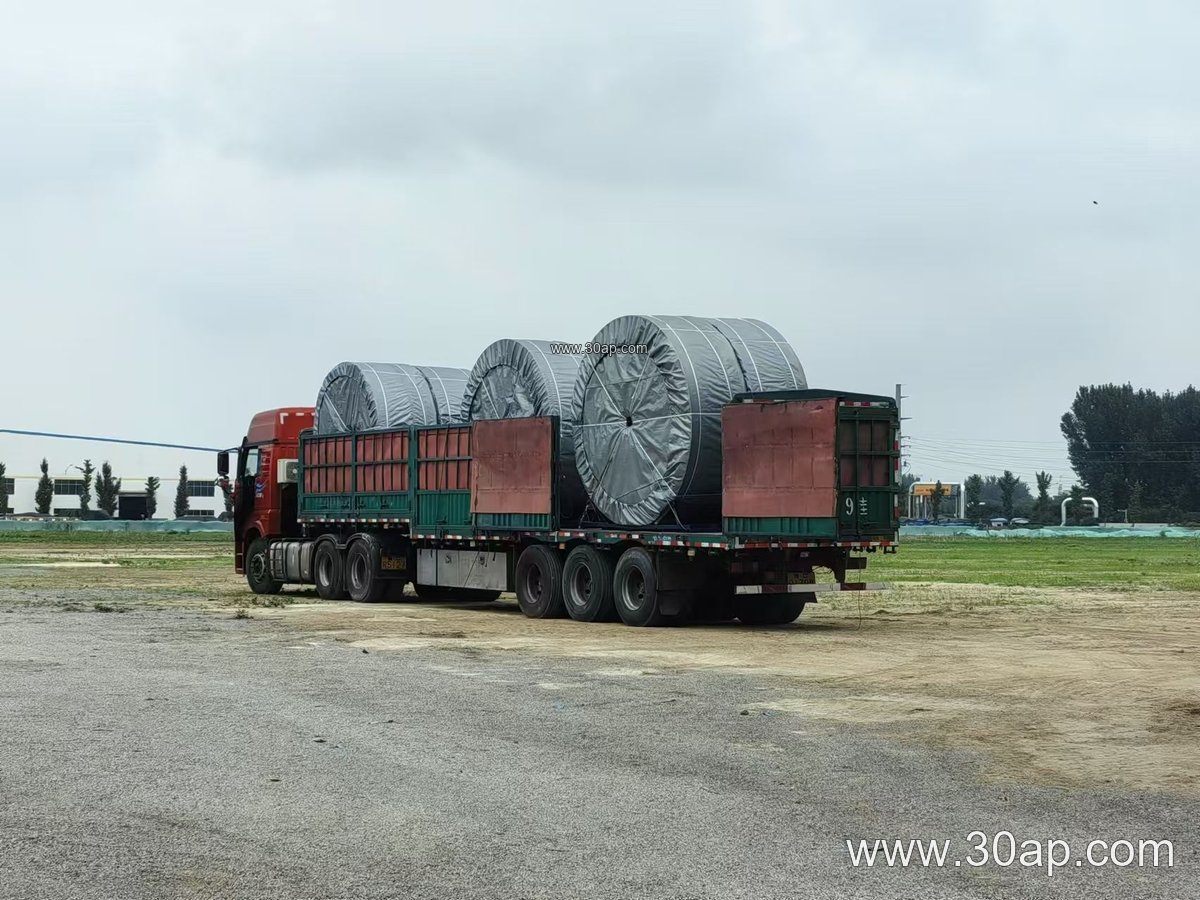
Common strength designations include PVG800 and PVG800S, where the number refers to the nominal tensile strength in N/mm and the S suffix generally indicates a higher-safety or special-grade variant. Buyers should confirm the exact meaning of the suffix with the manufacturer, because designations vary between suppliers. Widths follow standard conveyor practice, for example B650, B800, B1000, B1200 and B1400, and wider belts up to B1800 or B2000 are available for high-capacity systems.
| Property | Typical Range | Notes |
|---|---|---|
| Nominal strength | PVG680 to PVG2500 | PVG800 and PVG800S are common; confirm with supplier |
| Belt width | B500 to B2000 | Match to trough width and material lump size |
| Cover thickness | 3+1.5 to 8+3 mm | Heavier covers for abrasive rock and ore |
| Carcass | Solid woven, PVC impregnated | Single body, no ply separation |
| Surface options | Plain, chevron, sidewall | Chevron for steep inclines; corrugated sidewall for steep angles |
Where It Fits in the Plant
Underground coal mining is the classic application, because the belt must be flame retardant and anti-static to reduce fire and spark risk. The same properties make it suitable in tunnels, enclosed transfer houses and dusty coal preparation plants. Outside coal, it appears in cement plants, power plant coal yards, port bulk terminals and quarry operations where fire safety rules or wet, abrasive loads favor a solid-woven belt.
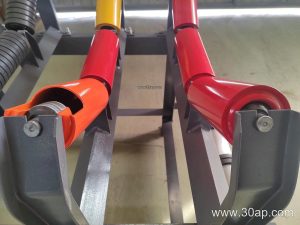
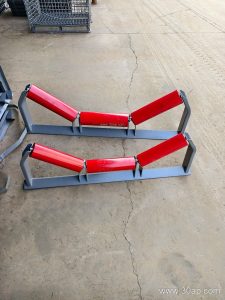
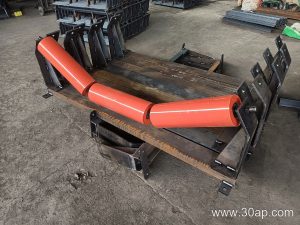
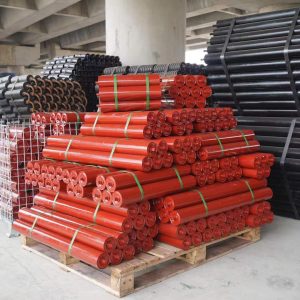
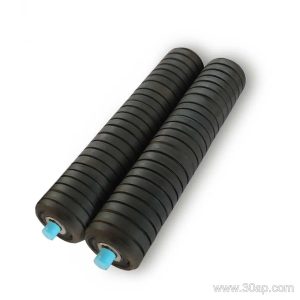
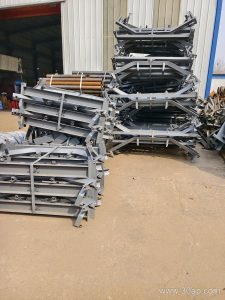
It runs over conventional conveyor pulleys, driven by a head pulley and turned by tail and bend pulleys, with idler rollers supporting the carrying and return strands. Conveyor brackets and frames hold the idlers in alignment, and belt training matters on long runs. For steep inclines, a chevron conveyor belt or a corrugated sidewall conveyor belt may be considered instead of a plain PVG belt, but those are different surface forms rather than replacements for the base product.
In plants handling hot clinker or foundry sand, a heat resistant conveyor belt is usually specified instead. For oily scrap or oily sand, an oil resistant conveyor belt is the better match. For very long, high-tension overland lines, a steel cord conveyor belt is normally chosen, and for general aggregate duty a multi-ply fabric core or EP belt may be more economical.
Buyer Checklist
- Confirm the flame retardant and anti-static grade against the site’s safety requirements, and ask for test data rather than assuming.
- Check the actual belt width against the existing trough and pulley face, not just the nominal figure. A 1000mm wide belt needs the structure and pulley to suit it; belt width alone does not fix pulley shaft size.
- Choose cover thickness for the load: 4+2 mm or 5+2 mm for coal and general bulk, heavier 6+2 mm or 8+3 mm for abrasive ore and rock.
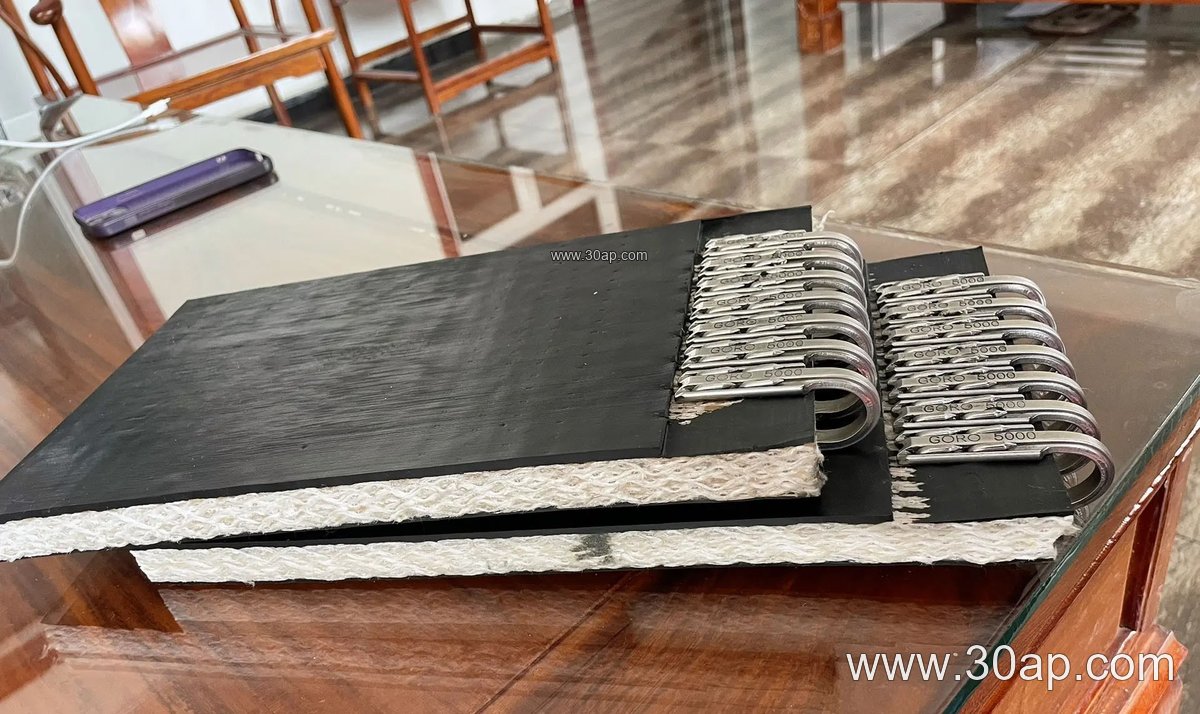
- Verify splice method. For solid-woven PVG belting, vulcanized splices and mechanical fasteners both appear, and the choice affects joint strength and downtime.
- Ask about cold resistance if the conveyor runs in an unheated climate; standard PVG compounds stiffen in low temperatures.
- Check pulley lagging, idler roller condition and alignment before blaming the belt for tracking or edge damage.
A PVG conveyor belt is not the right answer for every conveyor, but where fire safety, moisture resistance and a tough monolithic carcass are needed, it is a practical, well-proven choice. Compare quotes on carcass strength, cover grade and splice quality rather than price per meter alone.