What the ST2000 Conveyor Belt Is
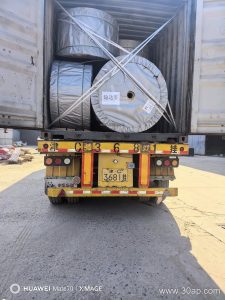
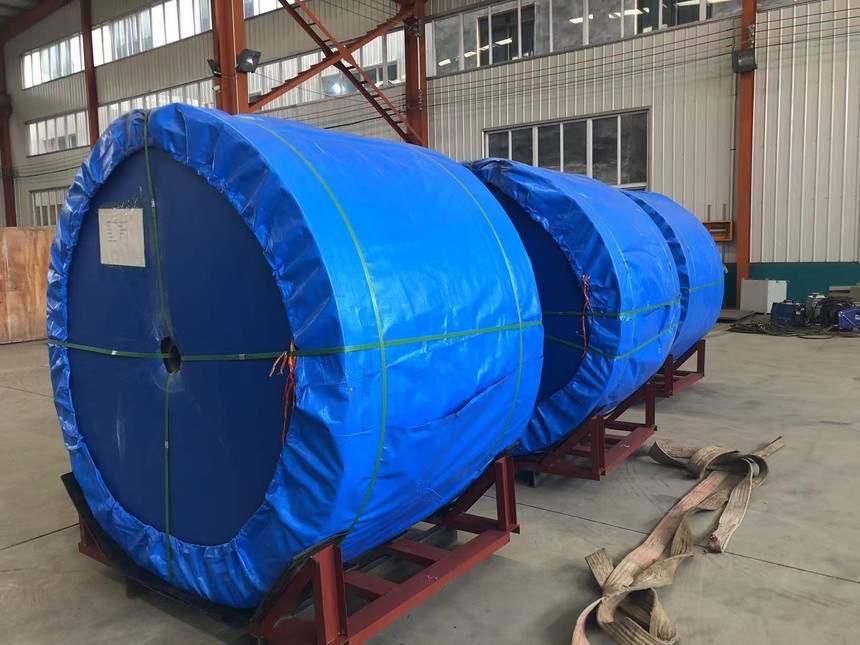
The ST2000 Conveyor Belt is a steel cord conveyor belt rated around 2000 N/mm of tensile strength per unit width. The “ST” designation points to a steel cord carcass, and the number expresses the nominal breaking strength class. In heavy-duty layouts, this belt is the load-carrying member that spans long center distances while keeping stretch low and tracking stable. It belongs to the same family as the ST1000 Conveyor Belt and ST1600 Conveyor Belt, but sits higher in the strength range, below the ST2500 and ST3150 classes.
Because the carcass is made of parallel steel cords rather than woven fabric plies, the belt behaves differently from an EP Conveyor Belt or NN Conveyor Belt. It tolerates higher tension, smaller pulleys in some designs, and lower elongation under load. That makes it a common choice for main haulage lines in mining, cement, and power generation.
Construction and Build
A typical ST2000 belt is built from four functional layers, each with a clear job:
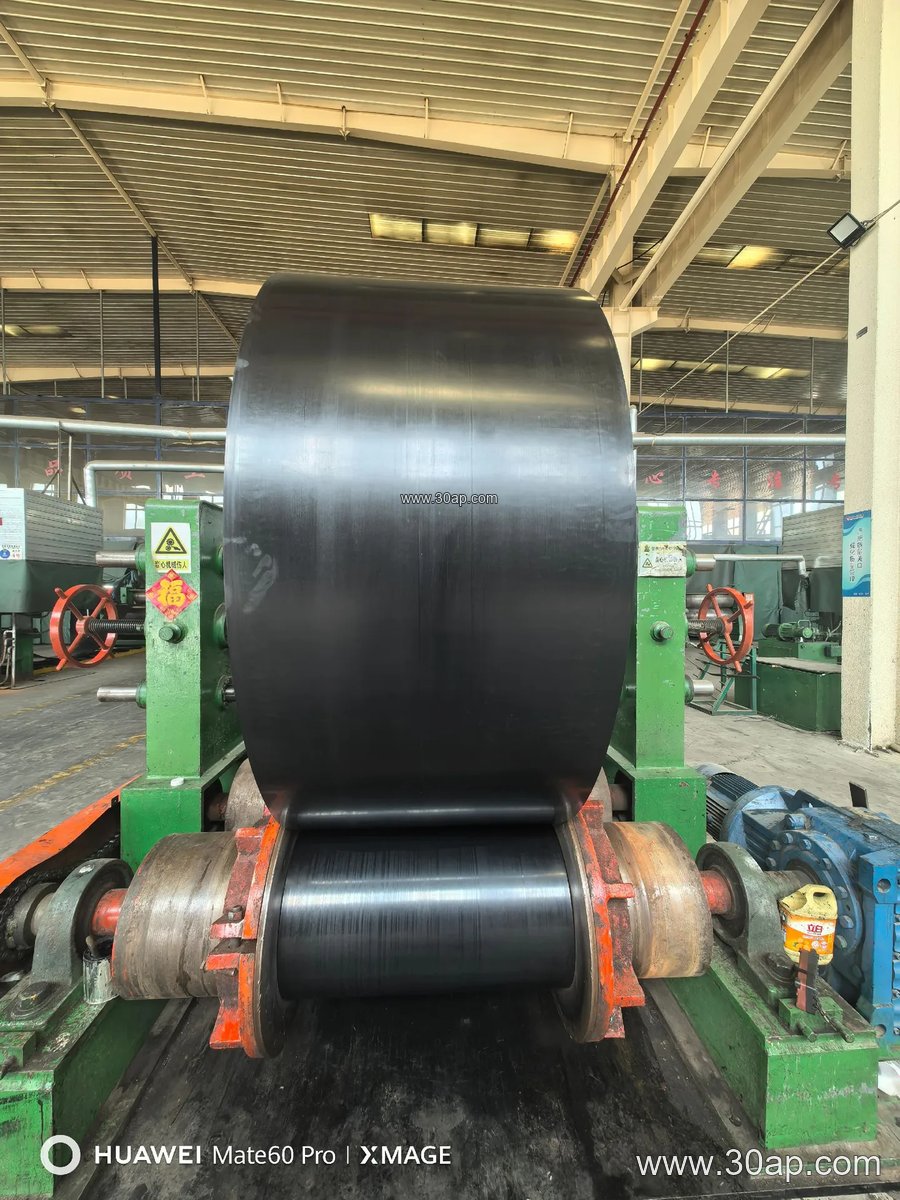
- Top cover: protects the cords from impact, abrasion, and material contact.
- Steel cord carcass: a single layer of high-tensile cords spaced evenly across the width, bonded in rubber.
- Bottom cover: provides pulley-side wear resistance and grip.
- Edge construction: seals the cord layer against moisture and mechanical damage.
Cover compounds can be selected for the duty: abrasion resistant, heat resistant, oil resistant, flame retardant, anti-static, or cold resistant grades. Cover thickness is usually quoted as top plus bottom, for example 6+2 mm or 8+3 mm, and the final figure is confirmed by design rather than assumed.
Where It Fits in a Conveyor
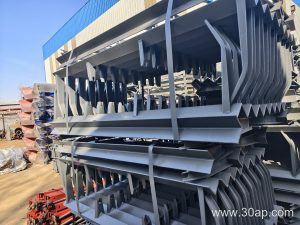
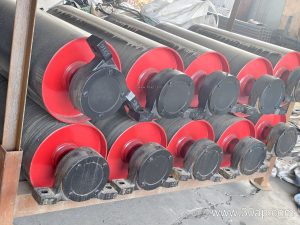
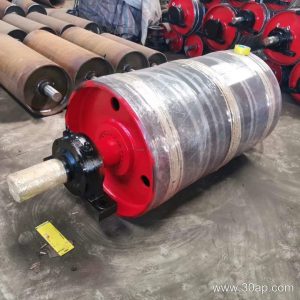
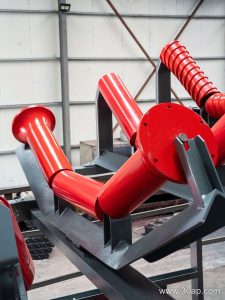
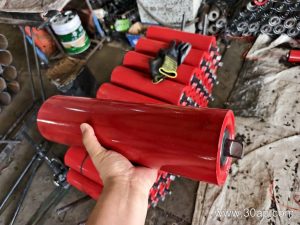
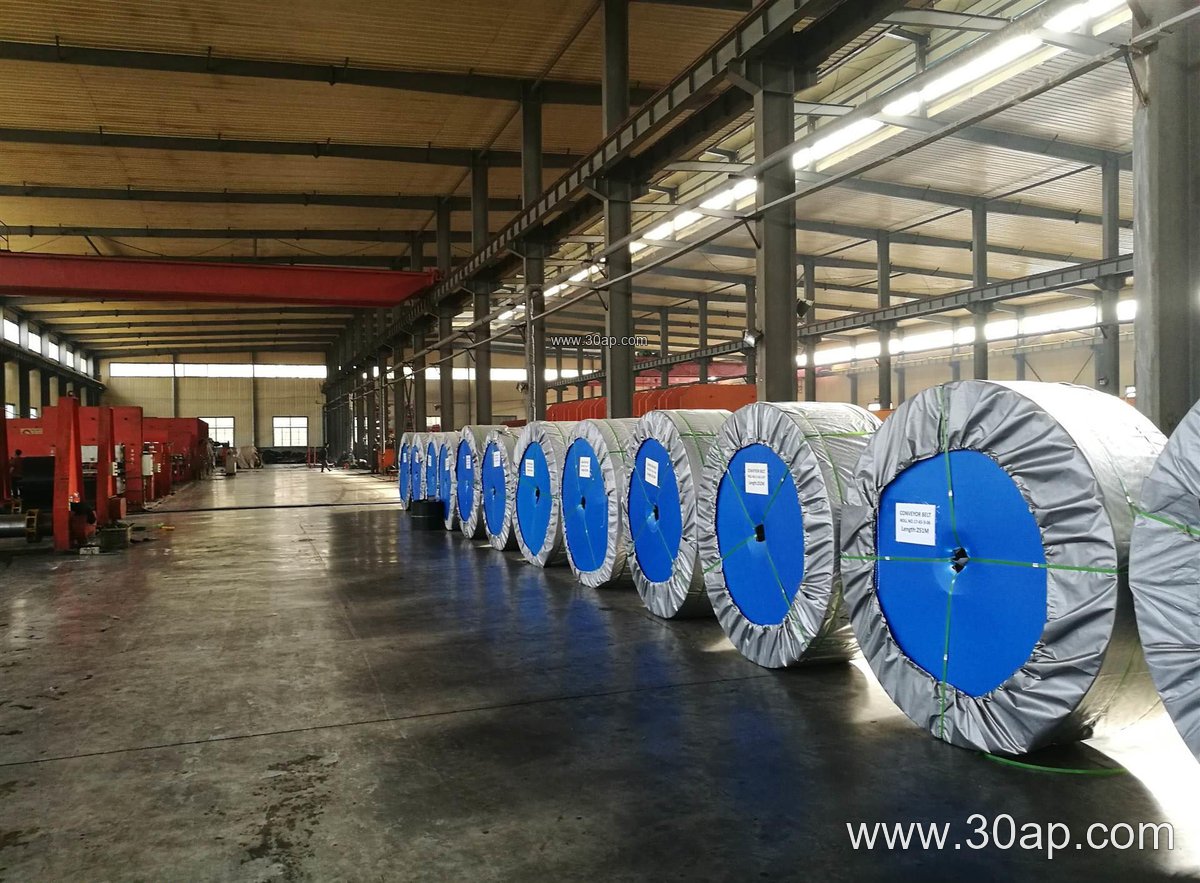
The belt runs over a conveyor pulley at the head and tail, supported by idler roller sets along the carry and return sides, with conveyor bracket assemblies holding the idlers in alignment. The drive pulley transmits torque, the tail pulley maintains wrap, and bend pulleys manage the return path. These roles are distinct, and each pulley is selected from its own load and diameter requirements, not from belt width alone.
Typical duty locations include:
- Main ore haulage in iron ore, copper ore, and gold mining operations
- Coal mining conveyor lines, including underground mining conveyor and underground coal mining conveyor sections
- Cement plant raw meal and clinker transport
- Power plant coal handling and ash systems
- Quarry conveyor and aggregate conveyor lines feeding crushers
- Port conveyor and ship loading conveyor systems
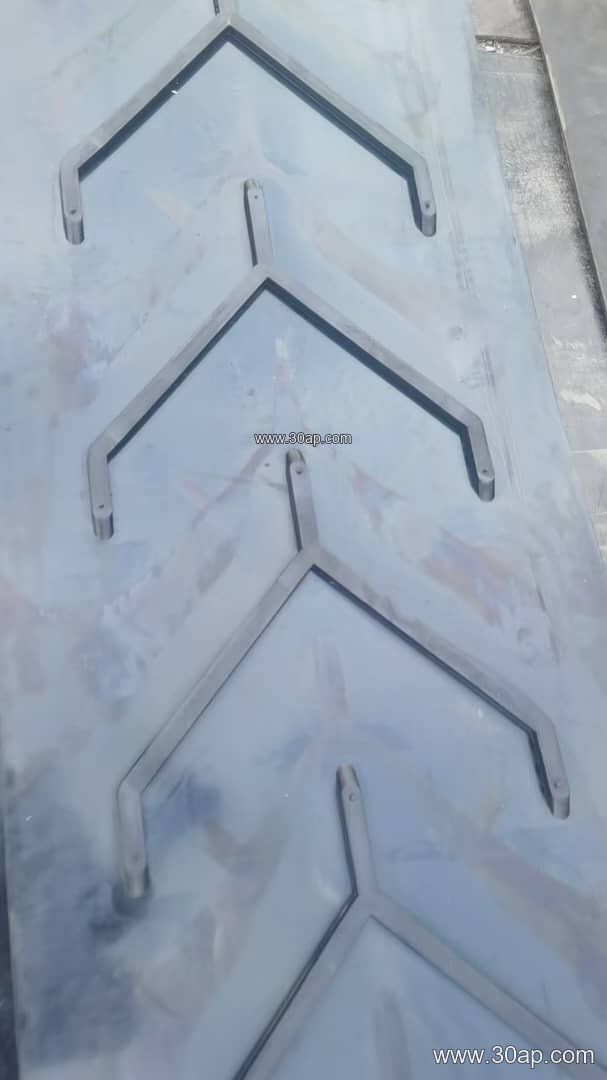
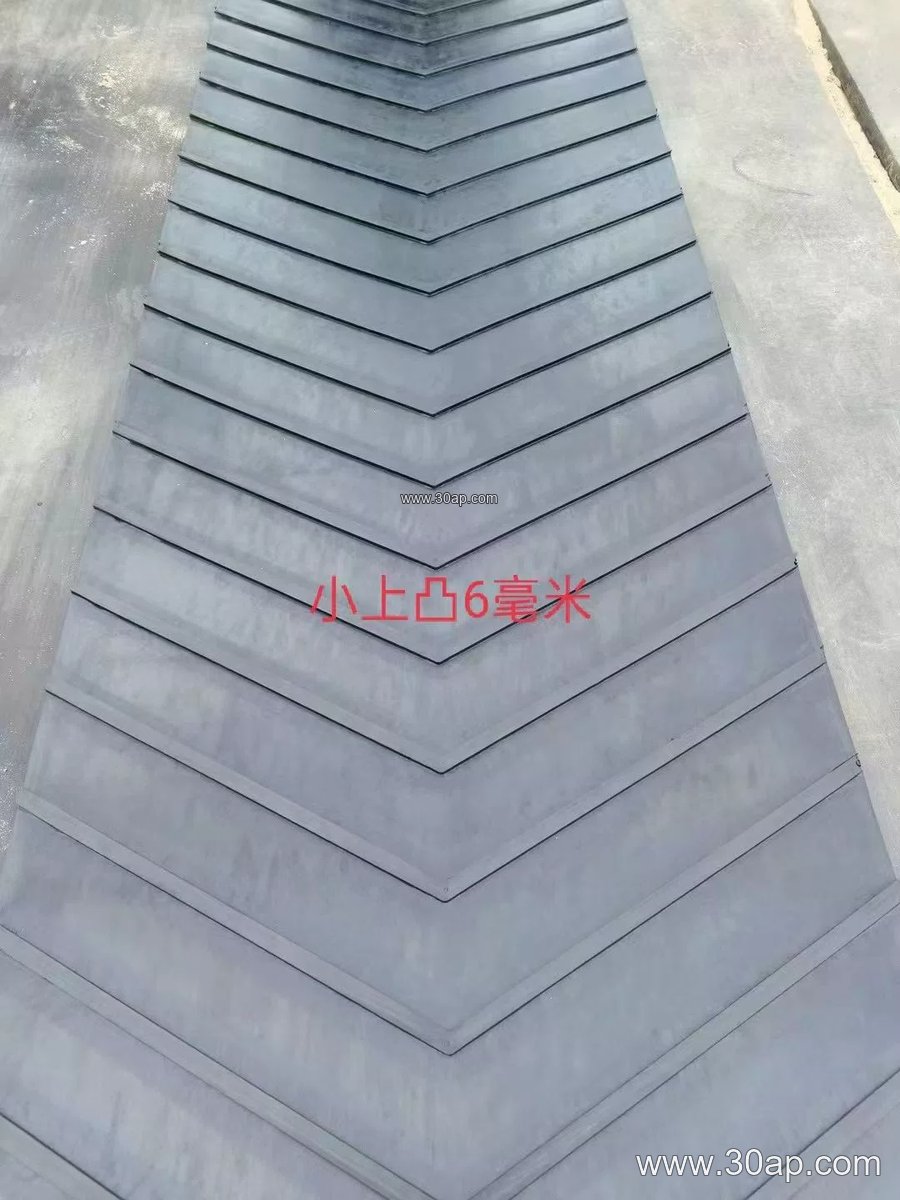
For steep inclines, a Chevron Conveyor Belt or Corrugated Sidewall Conveyor Belt may be considered, while a Pipe Conveyor Belt suits dust-tight routing. These are alternative designs, not substitutes for the ST2000 class where high tension is the governing factor.
Common Reference Dimensions
The table below shows reference values that appear in project specifications. They are starting points for discussion, not universal supply commitments.
| Parameter | Reference Range |
|---|---|
| Strength class | ST2000 (about 2000 N/mm) |
| Belt width | B800, B1000, B1200, B1400, B1600, B1800, B2000 |
| Cover thickness | 5+2, 6+2, 8+3 mm |
| Cover grade | Abrasion resistant, heat resistant, flame retardant, anti-static |
| Cord pitch | Set by manufacturer and belt design |
Widths such as 1200mm Wide Conveyor Belt or 1500mm Wide Conveyor Belt are frequently requested for main lines, while 1800mm and 2000mm widths appear in high-capacity bulk material conveyor routes. The belt width and pulley diameter are matched through conveyor design calculations, and one width does not lock in a single pulley size.
Selection Points for Buyers
Before ordering, confirm the duty cycle, material lump size, belt speed, incline angle, and the maximum tension the line will develop. Match the cover grade to the environment: an Abrasion Resistant Conveyor Belt for sharp rock, a Heat Resistant Conveyor Belt near clinker or sinter, a Flame Retardant Conveyor Belt or Fire Resistant Conveyor Belt for coal and underground service, and an Oil Resistant Conveyor Belt where lubricants or oily feedstock are present.
Also review splice method, pulley diameters, and take-up travel, since steel cord belts usually need a controlled splice and adequate take-up. Ask for the cord pitch, cover thickness, and edge design in writing. For a complete system view, the belt, idler roller, conveyor pulley, and conveyor bracket should be specified together so the whole line shares compatible assumptions.
Explore more belt options and related conveyor components at Steel Cord Conveyor Belt and Mining Conveyor Belt.