What a Heavy-Load Pulley Does on a Conveyor
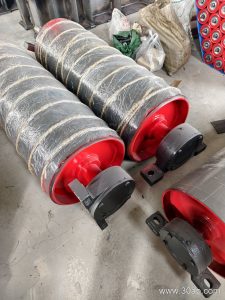
A heavy-load pulley is a conveyor pulley engineered for high belt tensions, large material loads, and continuous duty in tough environments. It is the rotating drum that supports and drives the conveyor belt, transferring motion from the drive unit or guiding the belt around a curve. While a standard pulley may handle light package handling, a heavy-load pulley is built for bulk material systems where the belt carries rock, ore, clinker, or coal at high tonnage.
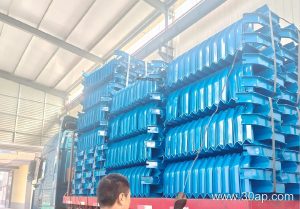
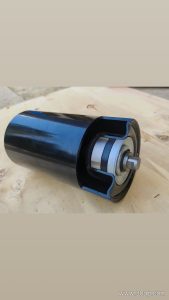
In a typical circuit, the heavy-load pulley works alongside the conveyor belt, idler rollers, and conveyor brackets. The pulley itself may be a drive pulley at the head end, a tail pulley that returns the belt, or a bend pulley that changes belt direction. Each position places different demands on the drum, so the design must match the duty rather than simply the belt width.
Construction Details That Matter
A heavy-load pulley usually combines a thick-walled steel shell, reinforced end discs, and a heavy-duty shaft. The shell may be machined for balance and fitted with lagging to improve grip. Common surface options include plain finish, hot-vulcanized rubber, cold-bonded rubber, diamond grooving, herringbone grooving, and ceramic lagging. Lagging thickness is often 8, 10, 12, 15, or 20 mm, depending on the traction and wear requirements.
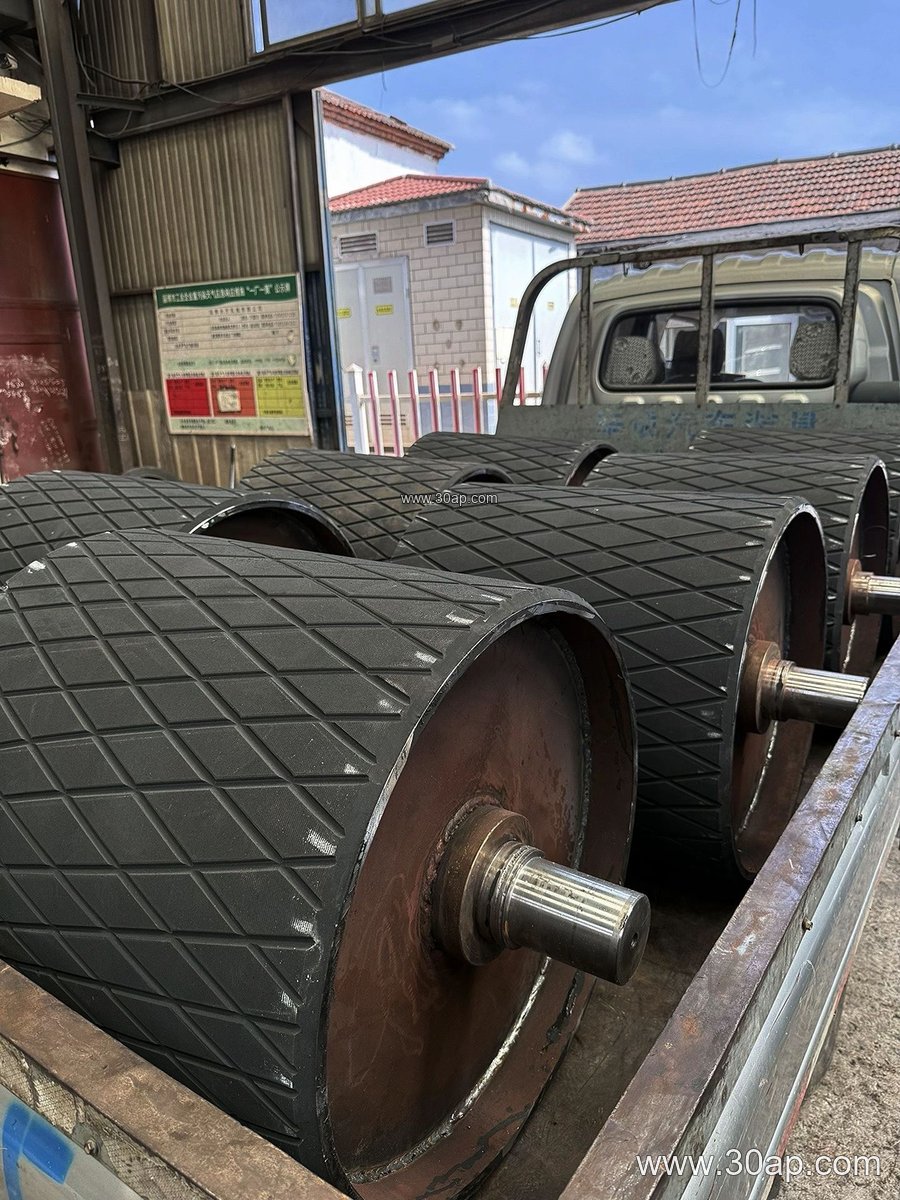
The shaft diameter is determined by torque and load, not by belt width alone. Typical shaft sizes range from Ø50 to Ø200 mm in common conveyor service, but a heavy-load pulley may use a larger shaft if the drive torque and bending loads demand it. Bearing selection, locking assemblies, and hub design all contribute to reliable performance under continuous high tension.
- Shell: rolled and welded steel, machined for concentricity
- End discs: reinforced to resist bending and fatigue
- Shaft: sized by torque and load, often Ø80 to Ø200 mm in heavy duty
- Lagging: rubber, ceramic, or grooved surface for grip and wear life
- Bearings and seals: selected for dust, moisture, and high radial loads
Where Heavy-Load Pulleys Are Used
These pulleys appear in primary crushing circuits at a quarry, in coal handling systems at a power plant, and in cement plant clinker transport. A heavy-load pulley may also serve on a long overland conveyor at an iron ore mine or in a port bulk terminal handling aggregate. In each case, the pulley must tolerate abrasive dust, shock loads from large lumps, and the steady tension of a fully loaded belt.
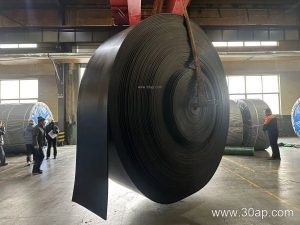
Because the pulley is often paired with a steel cord conveyor belt or a high-tension fabric belt, the interface between belt and drum deserves attention. A smooth, well-crowned shell with the right lagging helps maintain tracking and reduces slip. In dusty conditions, a ceramic or grooved lagging can improve grip without excessive belt wear.
Matching Pulley Size to the Conveyor
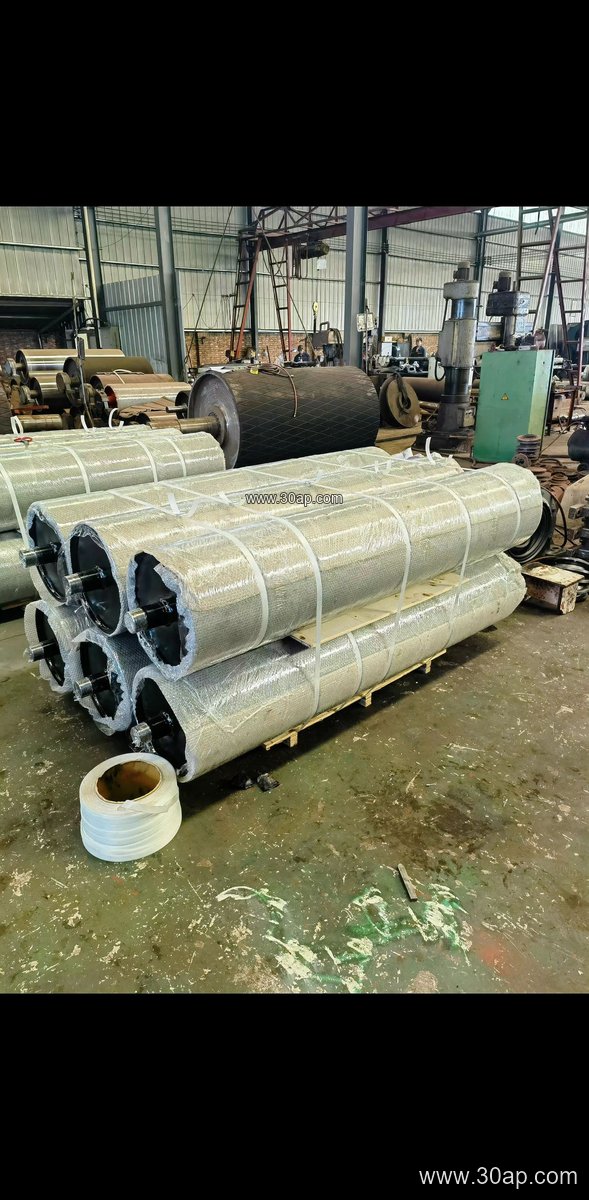
Belt width and pulley diameter are related but not fixed pairs. A B800 conveyor may use a Ø500 pulley in one layout and a larger diameter in another, depending on belt tension, wrap angle, and space. Common combinations include B800 × Ø500, B1200 × Ø1000, and B1400 × Ø800, but these are examples rather than rules. The pulley face width is usually wider than the belt, for instance about 950 mm for a B800 belt and about 1400 mm for a B1200 belt.
Buyers should provide the belt width, belt type, maximum tension, shaft load, and environmental conditions. A heavy-load pulley for a coal mining conveyor belt may need flame-retardant lagging and robust sealing, while a pulley in a quarry may prioritize abrasion resistance. The drive, tail, and bend positions are not interchangeable, so the duty point should be stated clearly when specifying the drum.
Buyer Checklist for Heavy-Load Pulleys
- Confirm the pulley position: drive, tail, bend, or take-up
- State belt width and belt type, such as EP or steel cord construction
- Provide maximum belt tension and expected shock loads
- Choose lagging based on grip, abrasion, and material build-up
- Verify shaft diameter by torque calculation, not by belt width alone
- Check bearing life and sealing for dust, water, and temperature
A well-specified heavy-load pulley supports the entire conveyor system, from the fabric core conveyor belt on a medium-duty line to the heaviest ore handling duty. The goal is a pulley that matches the real load profile, fits the available space, and keeps the belt running smoothly for years of service.