What a Lagged Pulley Does on a Conveyor
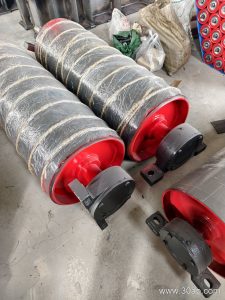
A lagged pulley is a conveyor pulley whose shell carries a rubber or ceramic covering instead of running bare steel against the belt. That covering is the lagging, and on a conveyor belt lagged pulley the goal is simple: raise friction between drum and belt so the drive can transmit torque without slipping, and protect the shell from abrasive material. In a quarry, a cement plant, or a power plant coal yard, the difference between a bare drum and a properly lagged one often shows up as fewer belt slip events and longer belt life.
Lagging is not a single product. It can be hot-vulcanised rubber, cold-bonded sheet, cast rubber, diamond grooved rubber, herringbone patterned rubber, or ceramic tile set in rubber. Each surface form changes how much grip is available and how well the pulley sheds water, dust, or fines.
How the Pulley Is Built
The core is a steel shell welded to end discs, with a shaft running through hubs. The shell diameter, face width, shaft size, and bearing arrangement are all set by the conveyor design, not by habit. Lagging is applied to the shell surface, usually with a groove pattern that lets water and dirt escape as the belt wraps the drum. Common covering thicknesses are 8, 10, 12, 15, and 20 mm; thicker covers last longer in high-wear positions but add weight and cost.
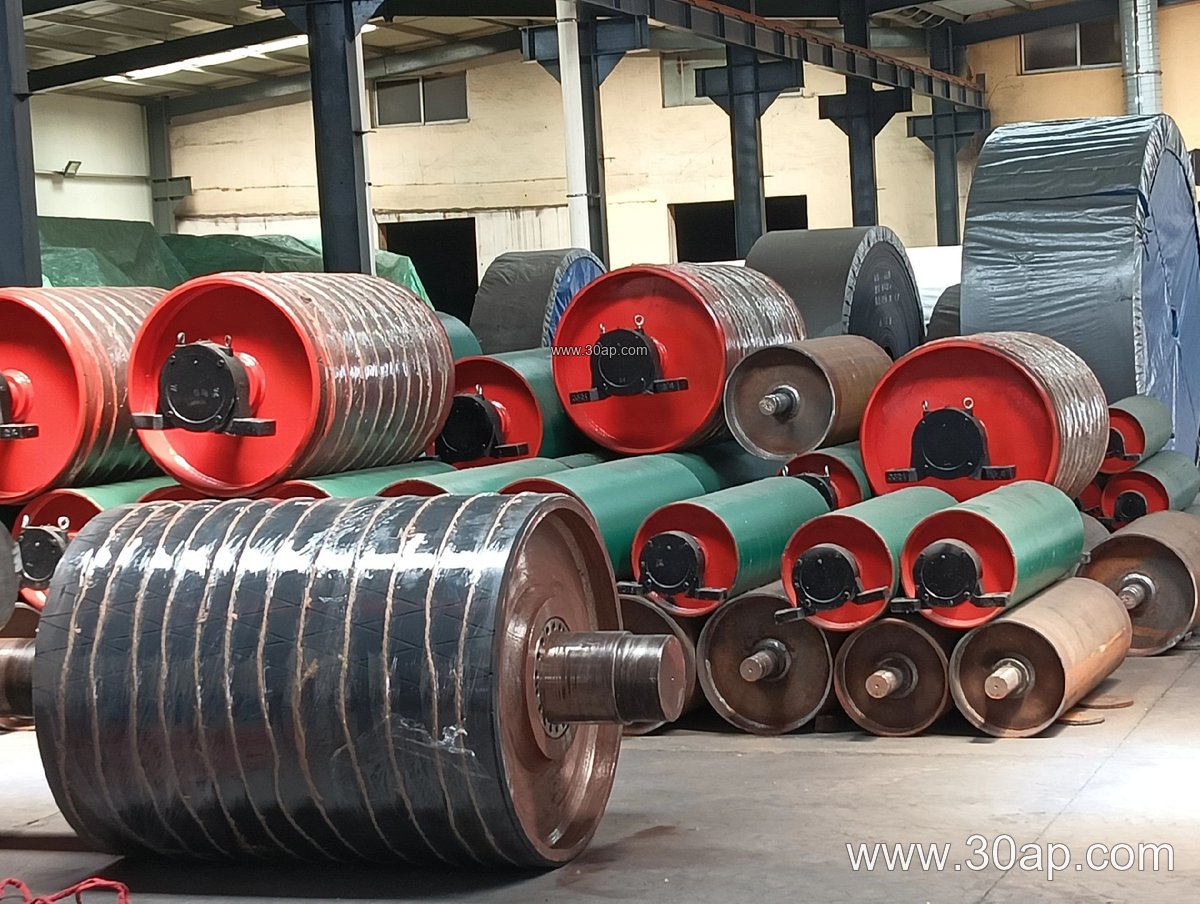
Balance matters as much as grip. An unbalanced lagged drum vibrates, and that vibration travels into the conveyor pulley bearings and the belt itself. Good suppliers check concentricity and dynamic balance before shipping.
Where Lagging Pays Off
The biggest gains are usually at the drive position, where torque is highest. A drive pulley with diamond or herringbone lagging keeps grip in wet conditions, which is common in wash plants and aggregate lines. Tail pulleys benefit from lagging too, mainly to reduce wear and prevent material build-up, while bend pulleys often use thinner covers because load is lower.
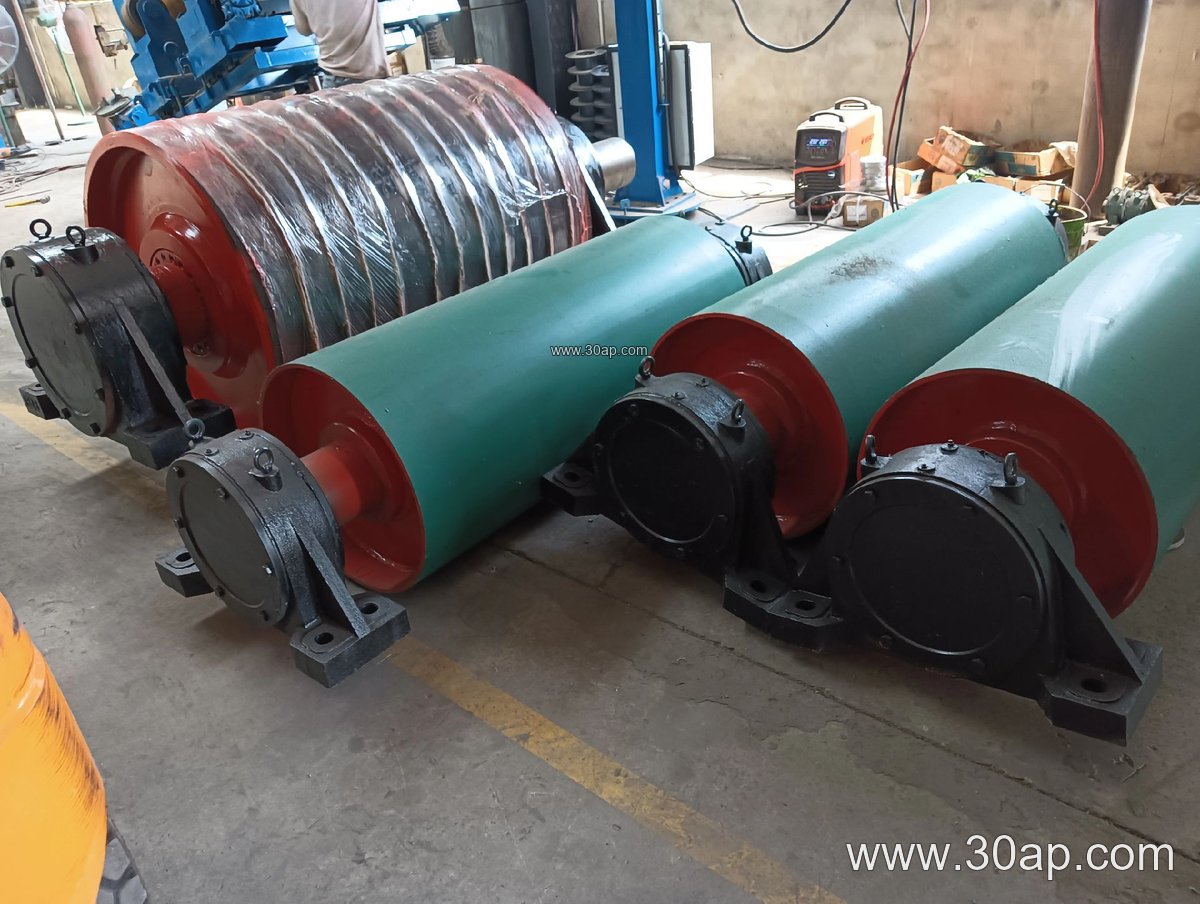
Typical duty locations include:
- Iron ore and copper ore handling, where fines are abrasive
- Coal mining and underground coal mining conveyors, where flame retardant grades are often required
- Cement clinker and limestone transport
- Port bulk terminals and ship loading systems
- Crushing and screening circuits feeding a conveyor belt
Ceramic lagging is often chosen where slip risk is high and abrasion is severe, for example on heavy-duty mining conveyors. Rubber lagging remains the general-purpose choice for most aggregate and cement applications.
Matching the Pulley to the Belt
Belt width and pulley diameter are related but not locked together. A B800 belt might run on a Ø500 drum in one plant and a Ø630 drum in another, depending on wrap angle, belt tension, and space. Face width is usually a little wider than the belt: B650 around 750 mm, B1000 around 1150 mm, B1200 around 1400 mm, B1400 around 1600 mm. Shaft diameter is set by torque and load, commonly Ø80 to Ø200 on mid-size and large drums, and should never be picked from belt width alone.
| Belt width | Typical face width | Common drum diameter range |
|---|---|---|
| B500 | about 600 mm | Ø250 to Ø400 |
| B800 | about 950 mm | Ø400 to Ø630 |
| B1200 | about 1400 mm | Ø500 to Ø1000 |
| B1600 | about 1800 mm | Ø630 to Ø1250 |
These are reference ranges for discussion, not fixed rules. Final sizing comes from the conveyor calculation.
Buyer Checklist
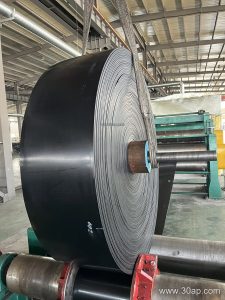
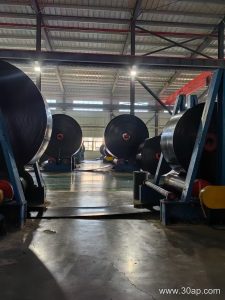
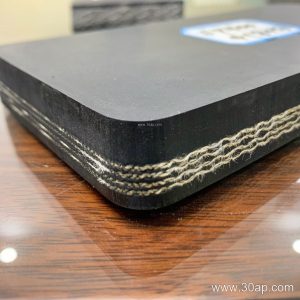
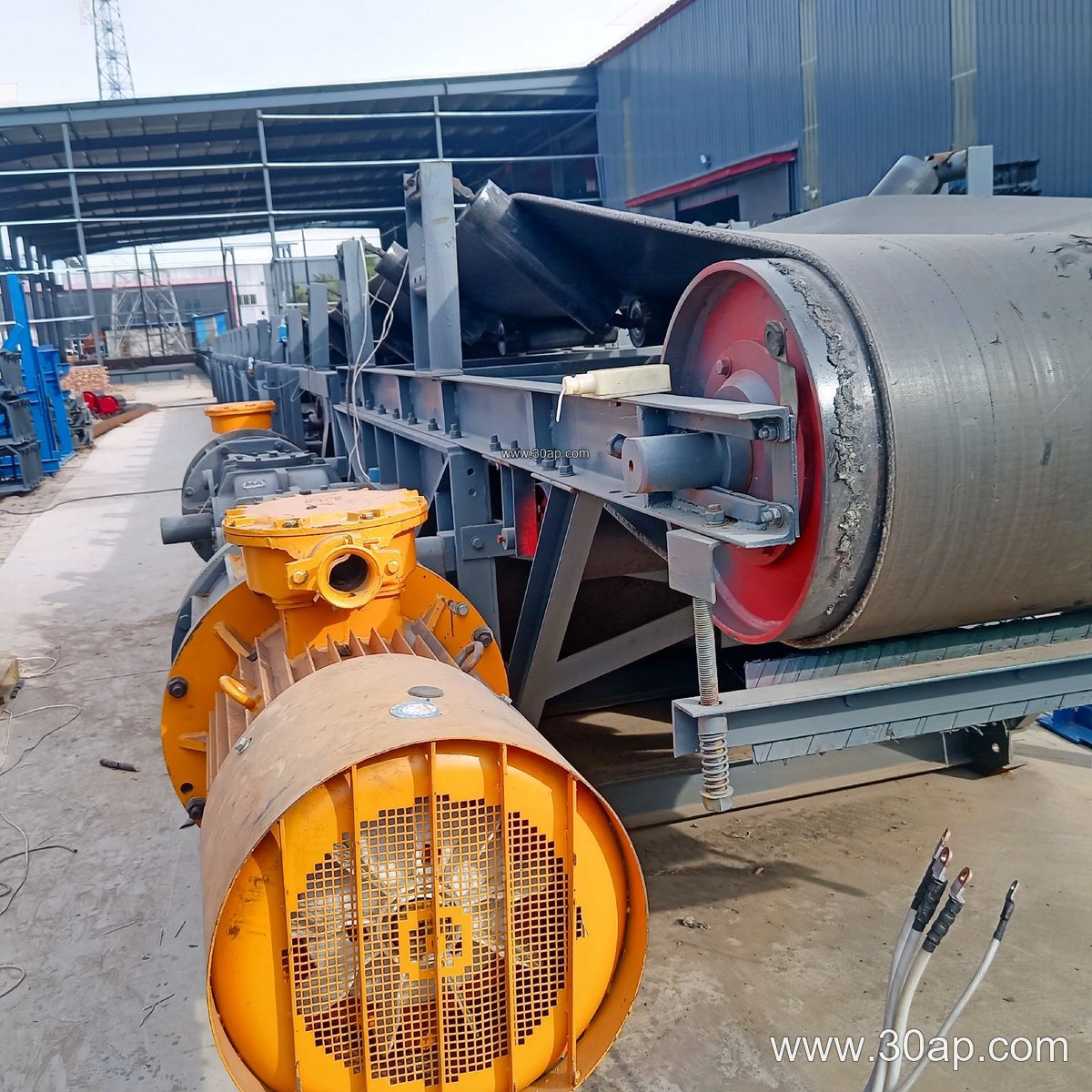
Before ordering, confirm the pulley position (drive, tail, bend, take-up), the belt type it will run against, and the environment. A steel cord conveyor belt and a multi-ply fabric core belt behave differently under wrap, and a heat resistant conveyor belt may need a lagging compound rated for temperature. Ask for the lagging bond method, cover thickness, groove pattern, shaft diameter, bearing type, and whether the drum is supplied with a conveyor bracket or as a bare unit.
Also check how the pulley will be maintained. Replaceable lagging strips save time when a cover wears through; bonded covers are usually cheaper but need drum removal for repair. Keep spare idler roller stock separate from pulley spares, since the two wear on different schedules.
Finally, match the lagging grade to the site: flame retardant and anti-static grades for underground coal mining, abrasion resistant rubber for ore and clinker, and oil resistant compounds where lubricants or oily cargo are present. A well specified conveyor belt lagged pulley is a small part of the conveyor budget but a large part of its reliability.