What a 500mm Diameter Conveyor Pulley Is
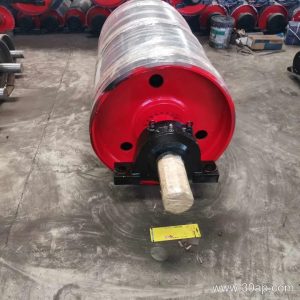
A 500mm diameter conveyor pulley is a mid-to-large sized drum used to drive, tension, or redirect a conveyor belt in bulk material handling. It is often specified where belt tensions are moderate to high, and where a robust, long-lasting pulley is needed to keep the system running smoothly. In a quarry, coal preparation plant, or cement clinker line, this size can serve as a drive pulley at the head end, a tail pulley at the loading point, or a bend pulley in a take-up arrangement.
While the core function is simple, the design and construction details determine how well the pulley performs over years of service. Buyers should think of it as a complete assembly: shell, shaft, hubs, lagging, and bearing housings all work together.
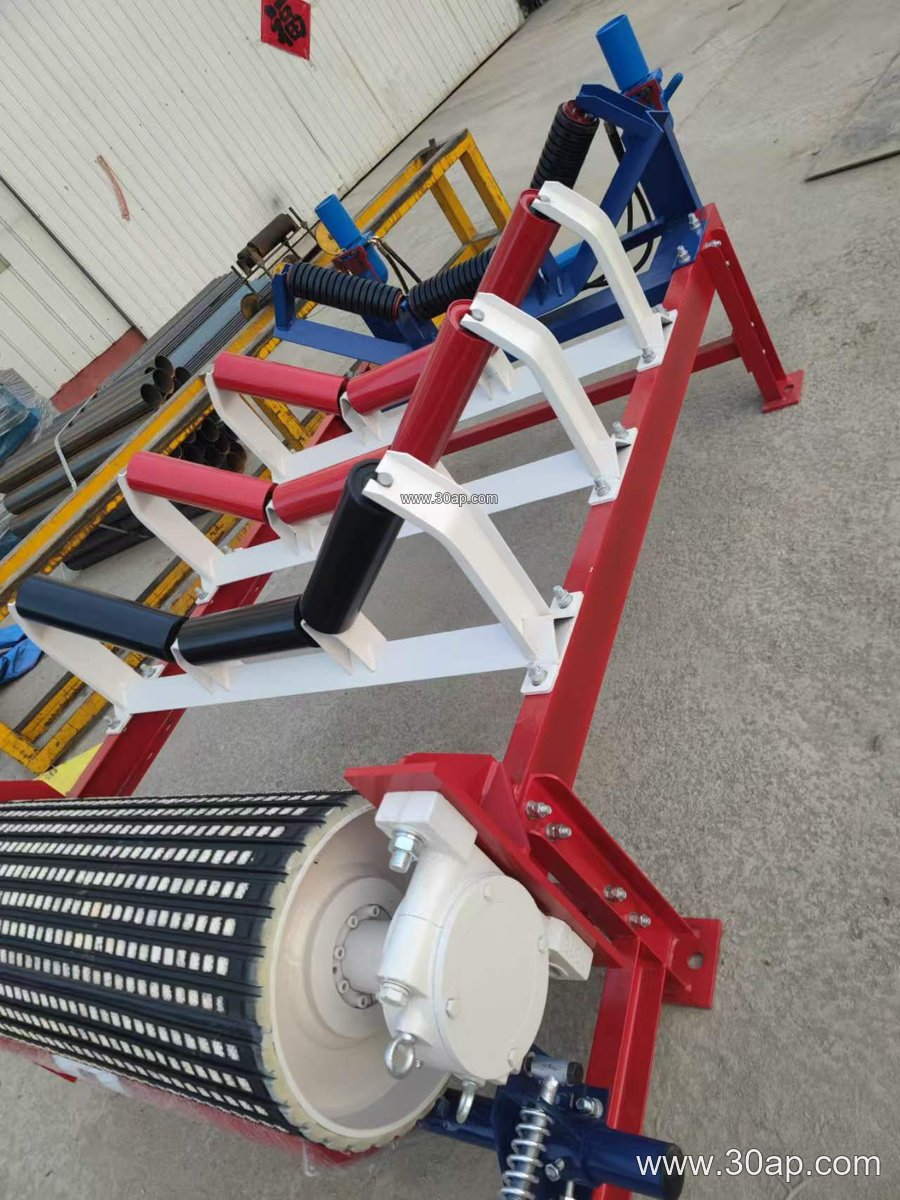
Construction and Key Components
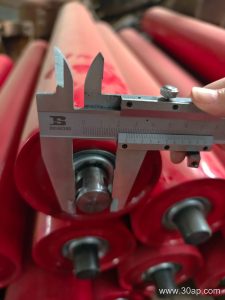
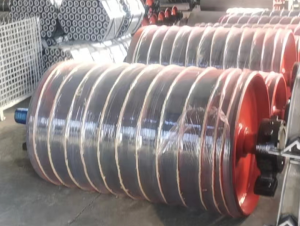
The pulley is typically built around a steel shell with welded end discs and a through shaft. The shaft diameter is determined by torque and load, not by belt width alone. Common shaft sizes for this class of pulley fall in the range of Ø100 to Ø200 mm, but the final value depends on the drive power and the conveyor layout. Hubs connect the shell to the shaft, and bearing housings are mounted on the shaft ends to suit the conveyor bracket.
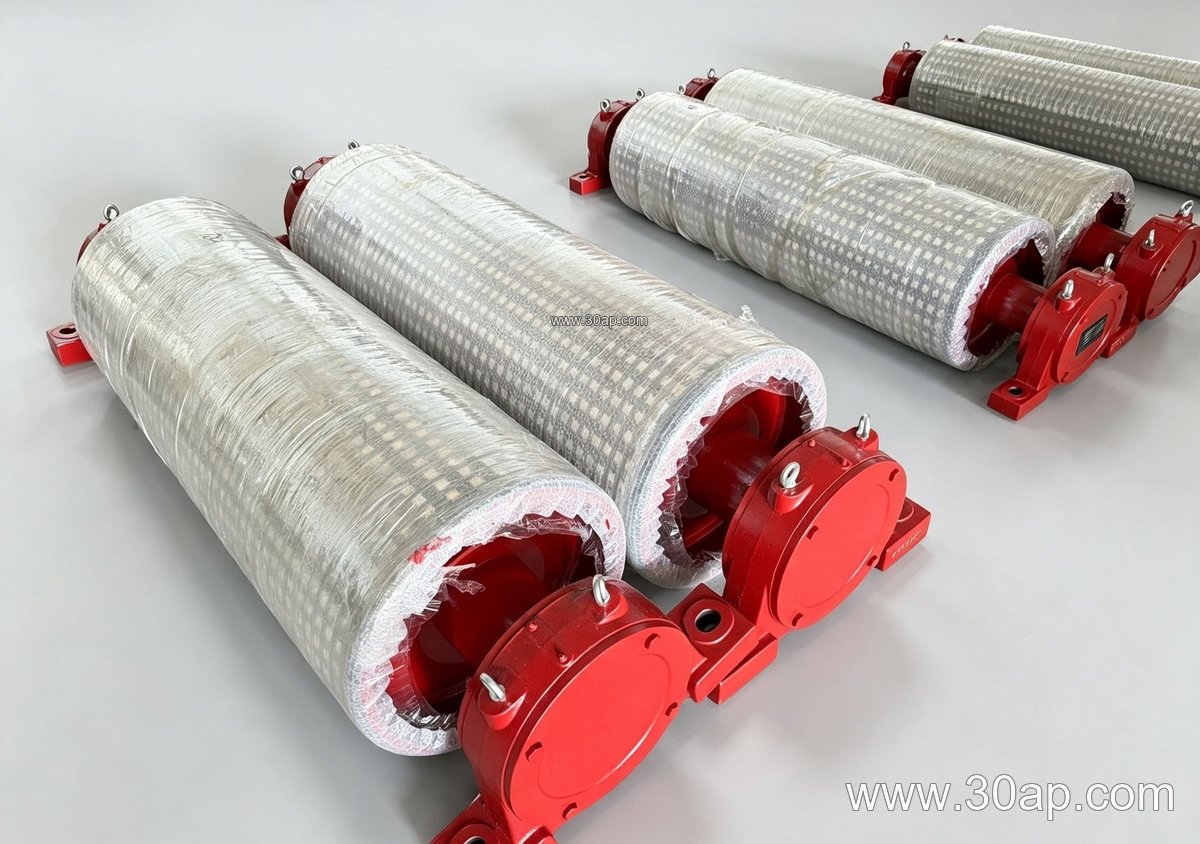
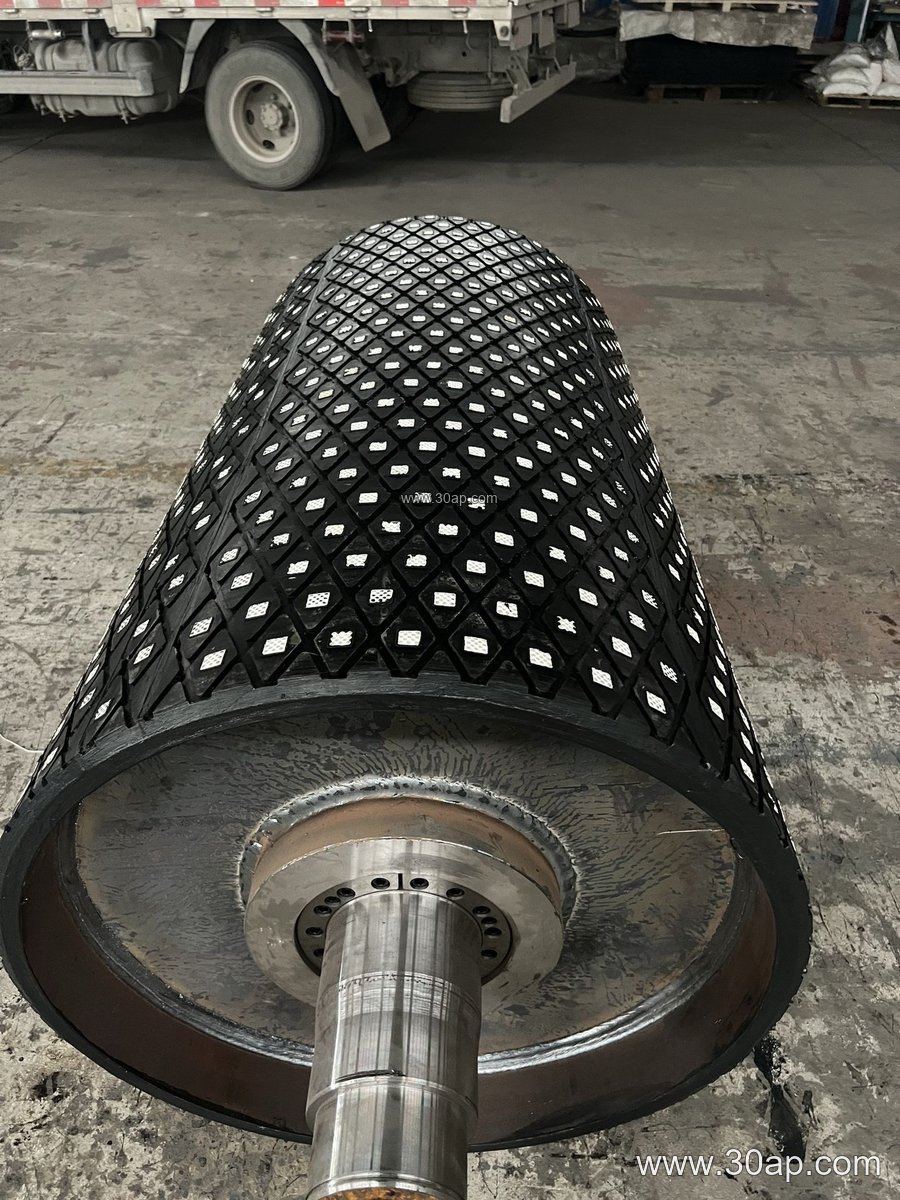
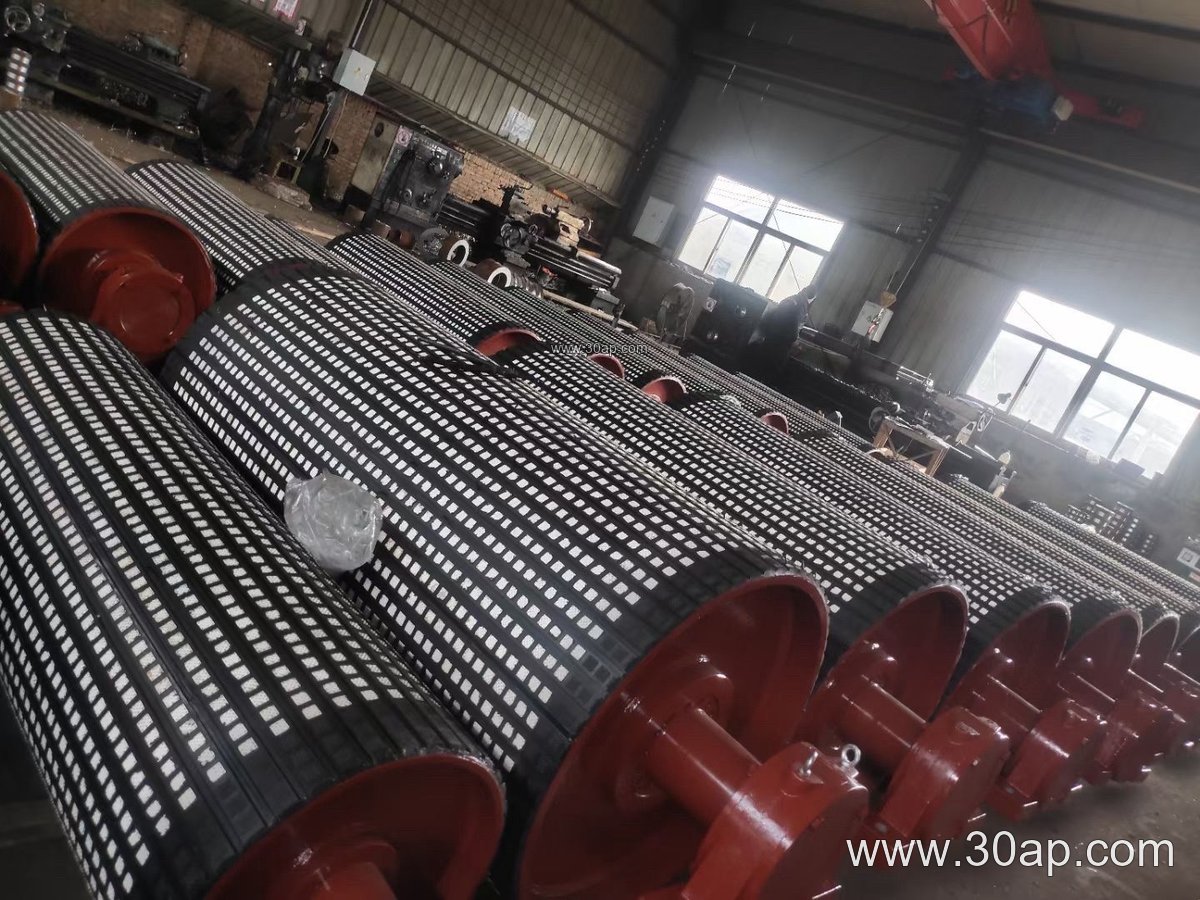
Surface lagging is an important choice. Plain steel is used in some non-drive positions, while rubber lagging improves grip and protects the belt. Common lagging types include cold-bonded rubber, hot-vulcanized rubber, diamond pattern, and ceramic lagging. Lagging thickness often ranges from 8 mm to 20 mm, with 10 mm or 12 mm being typical for many applications. For a 500mm diameter pulley, the lagging adds slightly to the effective diameter, which should be considered when setting belt tension and take-up travel.
Where It Fits in the Conveyor
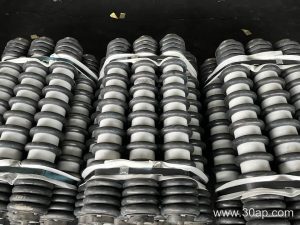
The 500mm size is versatile. In a limestone quarry, it might be the head pulley driving a B800 or B1000 conveyor belt. In a coal handling system, it could act as a bend pulley to route the belt around a transfer tower. As a tail pulley, it helps maintain belt alignment at the loading zone, often paired with impact idler rollers to absorb material drop energy.
It is not a substitute for a drive pulley in every case: drive, tail, and bend pulleys have different design priorities. A drive pulley needs high traction and torque capacity, a tail pulley needs good self-cleaning and wear resistance, and a bend pulley needs to handle reverse bending stresses. Specifying the right type for each location is essential.
Common Specifications and Combinations
While 500mm is the diameter in focus, the pulley face width must suit the belt. The table below shows typical face widths for common belt sizes. These are reference values, not fixed pairings.
| Belt Width | Typical Pulley Face Width |
|---|---|
| B500 | ≈ 600 mm |
| B650 | ≈ 750 mm |
| B800 | ≈ 950 mm |
| B1000 | ≈ 1150 mm |
| B1200 | ≈ 1400 mm |
A 500mm diameter pulley can be combined with several belt widths, for example B800 × Ø500 or B1000 × Ø500. The shaft diameter is selected separately based on the actual torque and radial loads. Bearing size and bearing housing style also depend on the conveyor bracket design and the expected service life.
Buyer Checklist
- Application type: Confirm whether the pulley is for drive, tail, bend, or take-up duty. Each has different demands on lagging, shaft, and bearings.
- Belt width and face width: Match the pulley face to the belt, allowing for adequate edge clearance.
- Lagging: Choose plain, rubber, diamond, or ceramic based on grip needs and material conditions. Consider lagging thickness in the overall diameter.
- Shaft and bearings: Provide the drive power, belt speed, and tension data so the manufacturer can size the shaft and bearings correctly.
- Environmental factors: Dust, moisture, and temperature affect bearing seals and lagging selection. In a sand and gravel plant or a fertilizer handling facility, extra protection may be needed.
- Balance and runout: A well-balanced pulley reduces vibration and extends bearing life, especially at higher belt speeds.
When properly specified, a 500mm diameter conveyor pulley delivers reliable performance in some of the toughest bulk handling environments, from mines and power plants to ports and aggregate operations.