What a Galvanized Idler Is
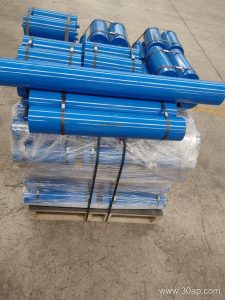
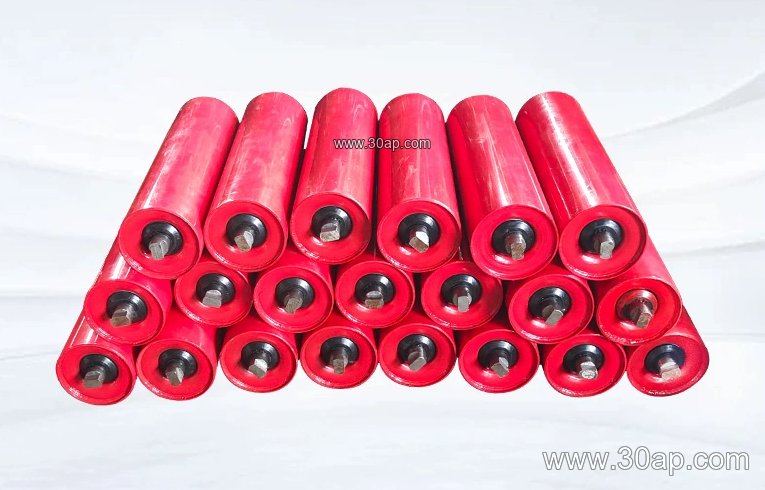
A galvanized idler is a conveyor idler roller whose steel shell and end structures are protected by a zinc coating. The zinc layer works as a sacrificial barrier, so rust reaches the zinc before it reaches the steel tube. In practice, this makes the galvanized idler roller a practical choice for dusty, humid or mildly corrosive conveyor lines where painted rollers would soon show rust streaks. It is still a carrying or return roller, not a drive component, so it does not replace a drive pulley, tail pulley or bend pulley.
How the Roller Is Built
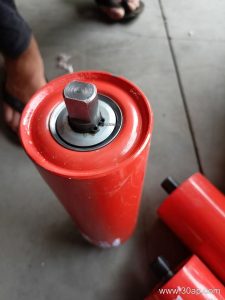
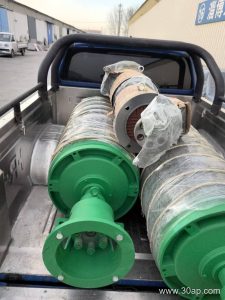
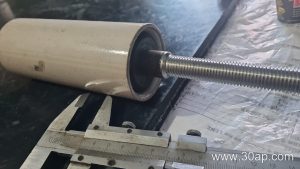
A typical galvanized idler starts with a steel tube, cut to the required roller length. The tube ends are fitted with bearing housings, sealed bearings and a shaft, and the whole shell is then galvanized. Common surface forms include a plain galvanized steel shell, a rubber ring version for impact zones, and a nylon or ceramic sleeve where material sticking is a concern. Bearing selection is usually matched to load and speed rather than to tube diameter alone; 6204, 6205, 6305, 6306, 6308 and 6310 are all seen in this family.
Common Reference Dimensions
The table below is reference data for orientation, not a fixed selection rule. Roller length varies with belt width, trough angle and idler arrangement, and the side rollers of a three-roll trough set can differ from the centre roller.
| Belt width | Typical roller length (three-roll trough, reference) |
|---|---|
| B500 | about 200 mm |
| B650 | about 250 mm |
| B800 | about 315 mm |
| B1000 | about 380 mm |
| B1200 | about 465 mm |
| B1400 | about 530 mm |
| B1600 | about 600 mm |
| B1800 | about 670 mm |
| B2000 | about 750 mm |
Roller diameters in this range commonly include Ø63, Ø76, Ø89, Ø102, Ø108, Ø127, Ø133, Ø159, Ø178 and larger sizes for heavy lines. Trough angles of 20, 30, 35 and 45 degrees are all used, and a small forward tilt of about 1.5 to 2 degrees is sometimes applied on training idlers to help centre the belt.
Where Galvanized Idlers Fit
These rollers suit the carrying side and the return side of a conveyor that handles bulk material in less aggressive conditions. A limestone quarry or a sand and aggregate line is a good example: the material is abrasive but not usually wet with acid, and the ambient dust is heavy. A cement plant can also use galvanized idlers on some auxiliary lines, though hot clinker zones need a heat-resistant approach instead. In a coal washing plant, the moisture level is worth checking before deciding between galvanized and painted shells.
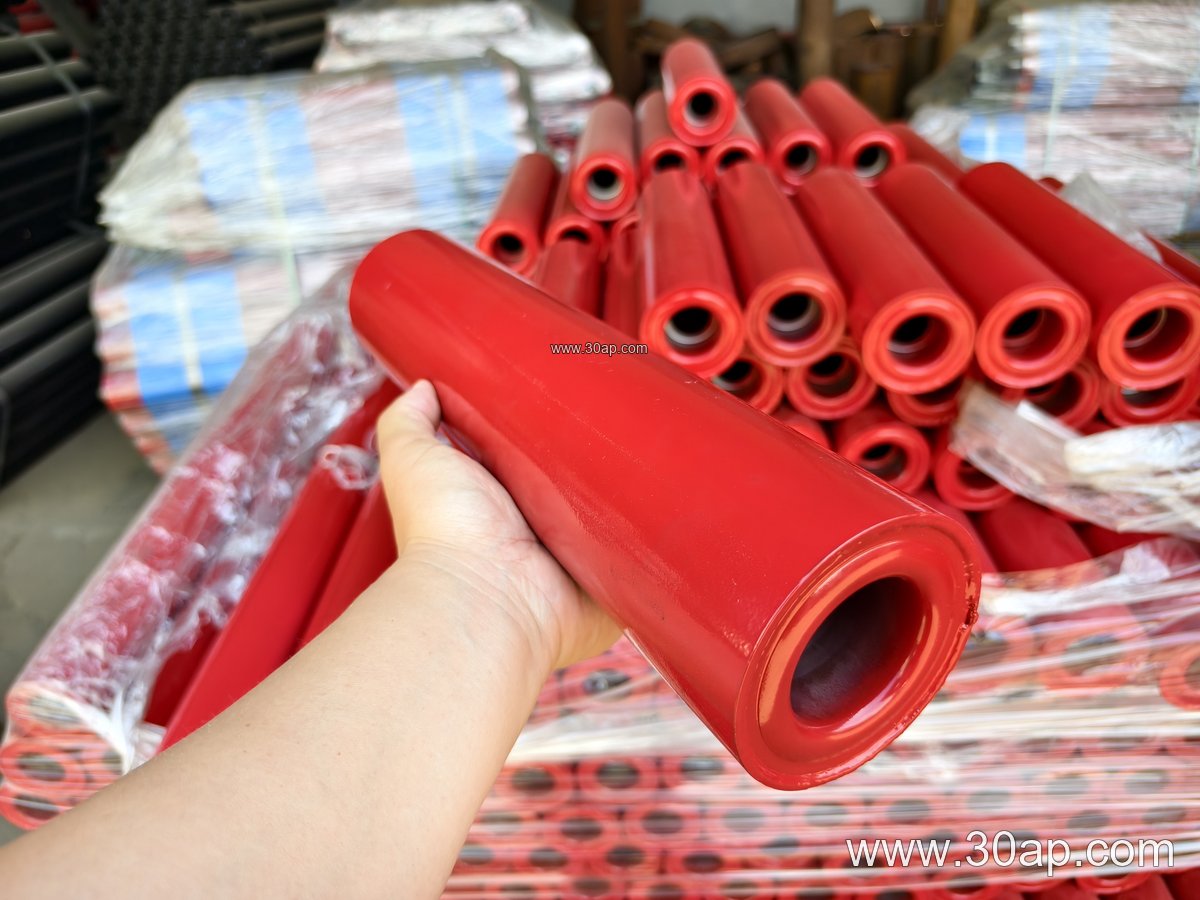
For the belt itself, matching matters more than the coating. A rubber conveyor belt on a coarse ore line, an EP conveyor belt on a medium-duty aggregate conveyor, or a flame retardant conveyor belt in a coal handling area all call for idlers that spin freely and keep the belt centred. Where the load is heavy and the drop height is large, a rubber-ring impact idler is often placed at the transfer point, while the rest of the line uses standard galvanized trough idlers.
Trough, Return and Training Positions
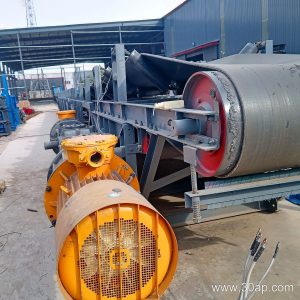
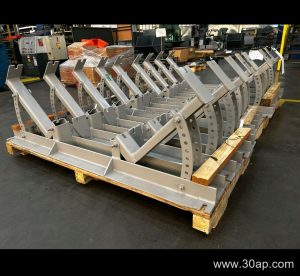
The same galvanized shell can appear in several positions, and the position changes the design. Three-roll trough sets carry the loaded belt and are the most common arrangement. A single-roll flat return idler supports the empty belt underneath. A V-return set uses two rollers at an angle to help keep the return belt tracking. Training idlers, including friction and tapered types, are added where the belt wanders. Each of these is a different idler type, and none of them should be confused with a conveyor pulley at the head or tail of the machine.
What Buyers Should Check
- Coating quality: ask about zinc thickness and whether the shaft ends and welds are also protected, since these are common starting points for corrosion.
- Sealing: dust ingress is the main cause of idler failure in a crusher or screening plant. Labyrinth seals and good bearing covers matter more than the shell finish.
- Roller length and diameter: confirm the length against the actual belt width and trough angle, and confirm the shaft and bearing arrangement separately.
- Balance and runout: a roller that vibrates will wear the belt edge and the conveyor bracket alike.
- Environment: galvanizing is not a universal answer. Very wet, acidic or high-temperature service may call for a different shell or surface form.
A galvanized idler is a simple component, but it sits under the belt for thousands of hours. Choosing the right diameter, length, bearing and seal for the line, and keeping spares consistent with the installed set, is usually more valuable than any single coating claim. For related belt and roller options, see the main site sections on conveyor belt, idler roller and conveyor pulley.