What a Mining Idler Does on the Line
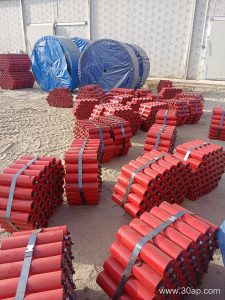
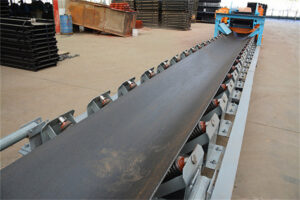
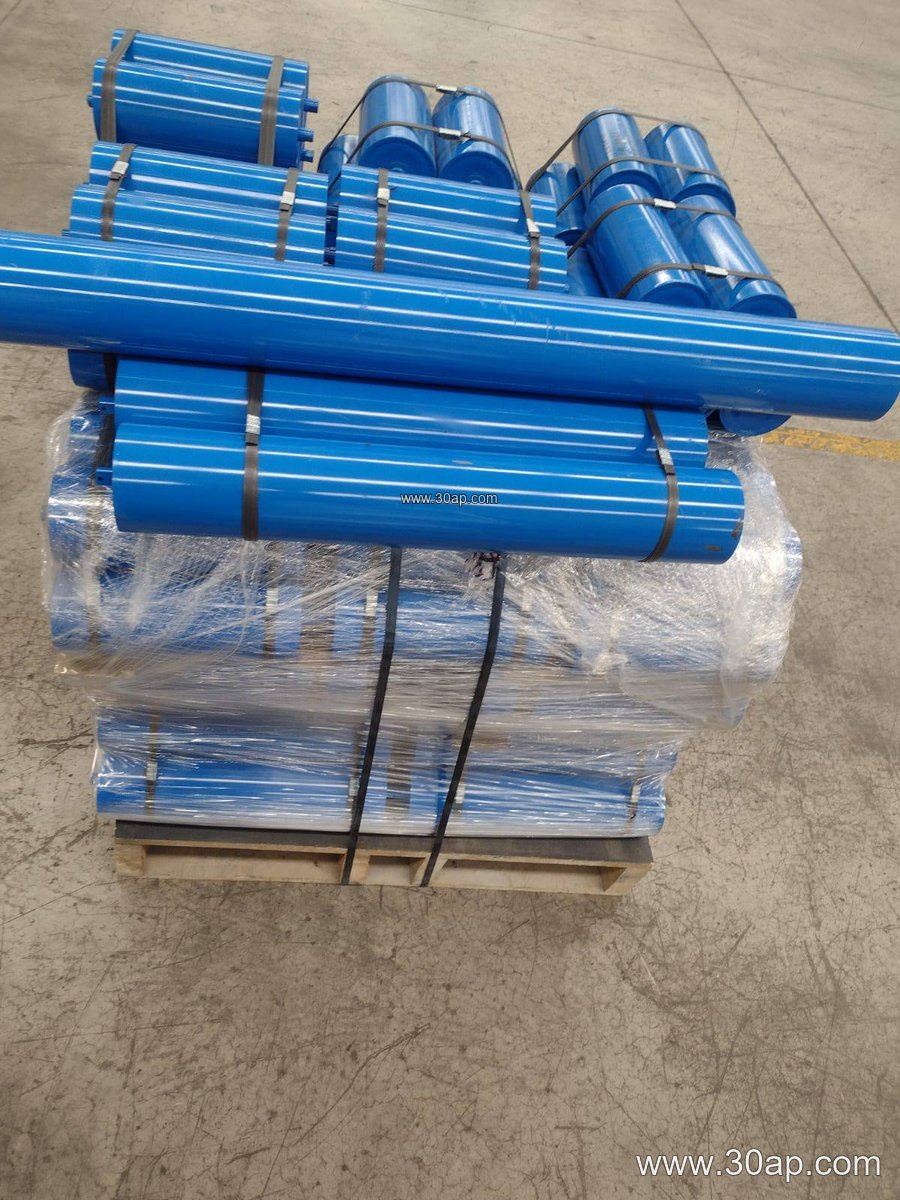
A mining idler is the rotating support that carries the conveyor belt along its route. In a quarry, a coal washery, a cement plant, a power station coal yard or an iron ore terminal, the belt itself does the moving, but the idlers hold it up, keep it tracking and absorb the load. The idler roller is a deceptively simple part: a shell, a shaft, bearings and a seal, yet it decides how much power the drive needs and how often maintenance crews visit the line.
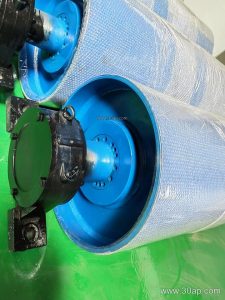
This article looks at how the idler is built, where it sits, which sizes are common and what to check before ordering. It stays with the mining idler itself; a conveyor pulley at the head or tail does a different job and is not a substitute for carrying idlers.
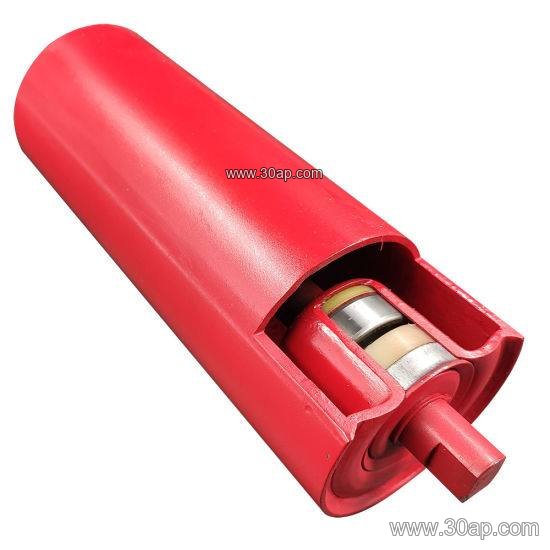
Construction and the Parts That Matter
A typical idler roller starts with a steel tube shell, machined at both ends to take bearing housings. The shaft runs through the shell, and the bearings sit in sealed housings at each end. Common bearing sizes include 6204, 6205, 6305, 6306, 6308 and 6310, chosen by load and speed rather than by belt width alone.
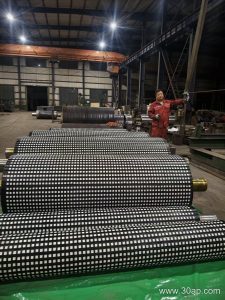
Sealing is the quiet hero. Dust, grit and water are the main enemies in a crusher plant or a tunnel spoil line, so labyrinth seals, felt seals and grease-filled cavities are used to keep contamination out. Shell surfaces vary: plain steel tube is standard, while rubber rings are added at loading points, and nylon or ceramic covers appear where sticky or abrasive material builds up.
- Shell: steel tube, rubber ring, nylon or ceramic
- Shaft: through shaft with flattened ends for the bracket
- Bearings: deep groove ball bearings, sealed
- Seal: labyrinth or felt, grease retained
- Bracket: fixed to the conveyor frame, not part of the roller
Where It Sits on the Conveyor
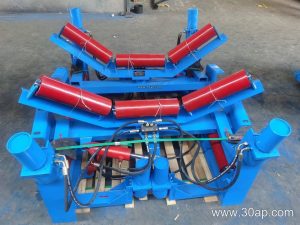
Carrying idlers form the trough that holds the material. A three-roll troughing set is the usual arrangement on a bulk material conveyor belt, with trough angles of 20, 30, 35 or 45 degrees. A two-roll set is used on narrower belts, and a single-roll set appears on small units. Return idlers support the empty belt underneath; flat return rollers and V-return rollers are both common, and the V form helps the belt self-centre.
Impact idlers with rubber rings sit under the loading chute, where the falling ore or aggregate hits the belt. Training idlers, including friction and tapered types, correct misalignment on long runs. Transition idlers ease the belt from the flat pulley face into the trough. These are all mining idler variants, and each has its own place; none of them replaces the head or tail pulley.
Common Sizes and How They Pair with Belt Width
Roller diameter is usually selected from a range such as Ø63, Ø76, Ø89, Ø102, Ø108, Ø127, Ø133, Ø159, Ø178, Ø194 and Ø219 mm. Larger diameters suit heavier loads and higher belt speeds. Roller length depends on belt width, trough angle and the number of rolls in the set. The examples below are common references, not fixed rules; side rolls and centre rolls can differ.
| Belt width | Typical roll length, three-roll trough | Typical trough angle |
|---|---|---|
| B500 | about 200 mm | 20 to 35 degrees |
| B650 | about 250 mm | 20 to 35 degrees |
| B800 | about 315 mm | 30 to 35 degrees |
| B1000 | about 380 mm | 30 to 45 degrees |
| B1200 | about 465 mm | 30 to 45 degrees |
| B1400 | about 530 mm | 35 to 45 degrees |
| B1600 | about 600 mm | 35 to 45 degrees |
| B1800 | about 670 mm | 35 to 45 degrees |
| B2000 | about 750 mm | 35 to 45 degrees |
Forward tilt of about 1.5 to 2 degrees is used on some troughing sets to help tracking; it is a design detail, not a universal requirement. On the belt side, a heavy-duty mining conveyor belt such as an EP conveyor belt or a steel cord conveyor belt will call for a sturdier idler frame than a light aggregate line, but the two selections are made together, not one from the other.
Buyer Checklist Before Ordering
Start with the duty: material, lump size, belt speed and tonnes per hour. Then confirm the belt width and the existing frame spacing so the new idlers fit the conveyor bracket without modification. Ask for the shell thickness, bearing brand and seal type, because these drive service life more than the paint finish.
Check that the idler is balanced and turns freely by hand. On site, keep spare rollers for the loading zone, since impact damage is the most common failure. For abrasive ore, a rubber ring or ceramic surface can extend life; for sticky material, a spiral or self-cleaning roller may help. Whatever the choice, the mining idler remains the workhorse the belt runs on, and matching it to the conveyor pulley and belt specification is what keeps a quarry, a coal mine or a cement plant running.