What a Conveyor Support Bracket Does
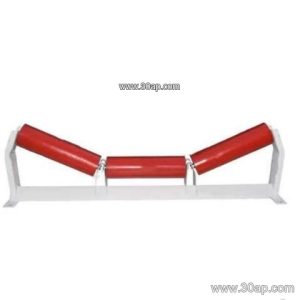
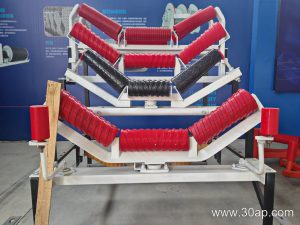
A conveyor support bracket is the steel frame component that holds the idler roller in position under the conveyor belt. It carries the weight of the belt, the material load and the roller itself, and it sets the trough angle that shapes the belt into a carrying profile. In a quarry, a coal washing plant or a cement kiln line, these brackets are bolted to the main stringer or cross beam at regular intervals, so a single weak bracket can affect belt tracking along the whole run.
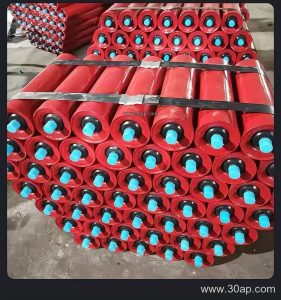
The bracket is not a standalone product. It works together with the idler roller, the conveyor pulley at the head and tail, and the belt itself. A well-matched bracket keeps the roller square to the belt centerline, which reduces edge wear and spillage.
How the Bracket Is Built
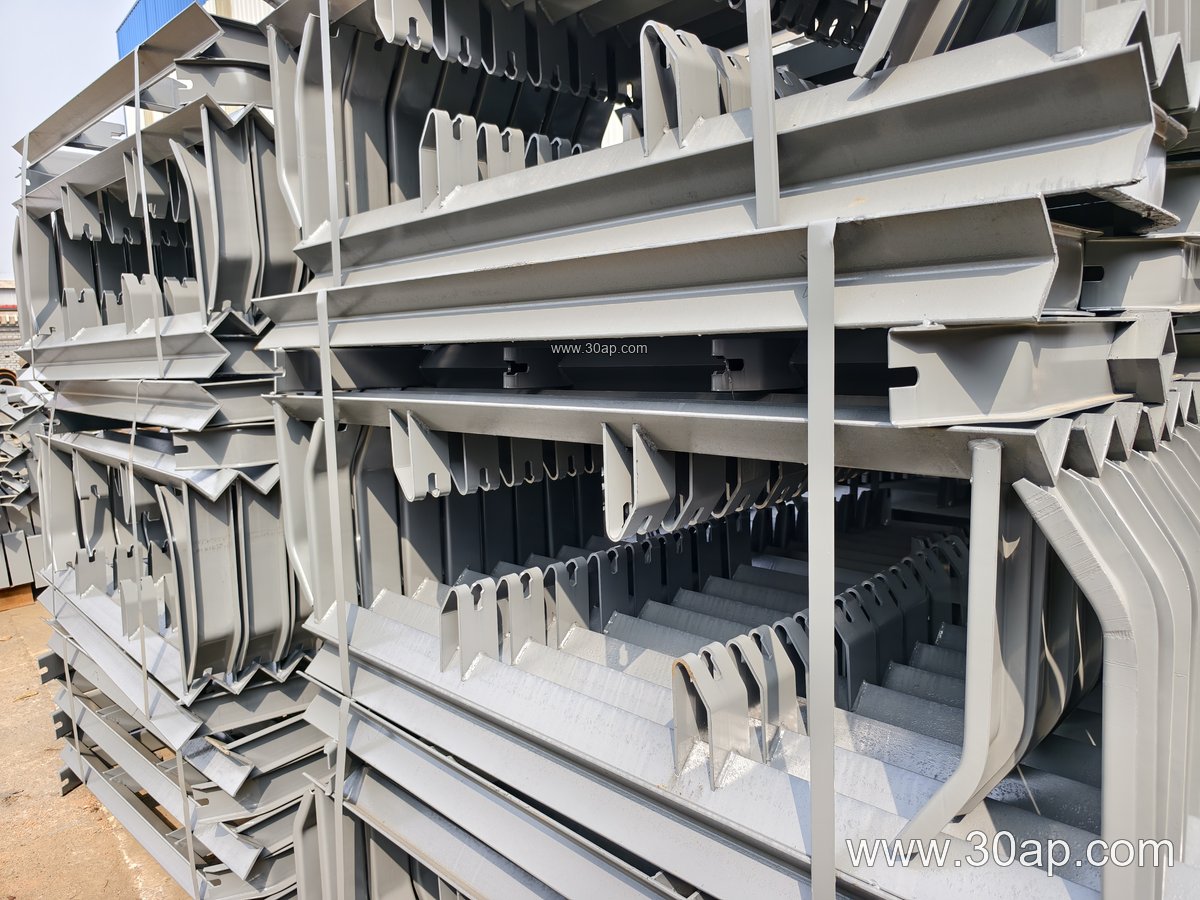
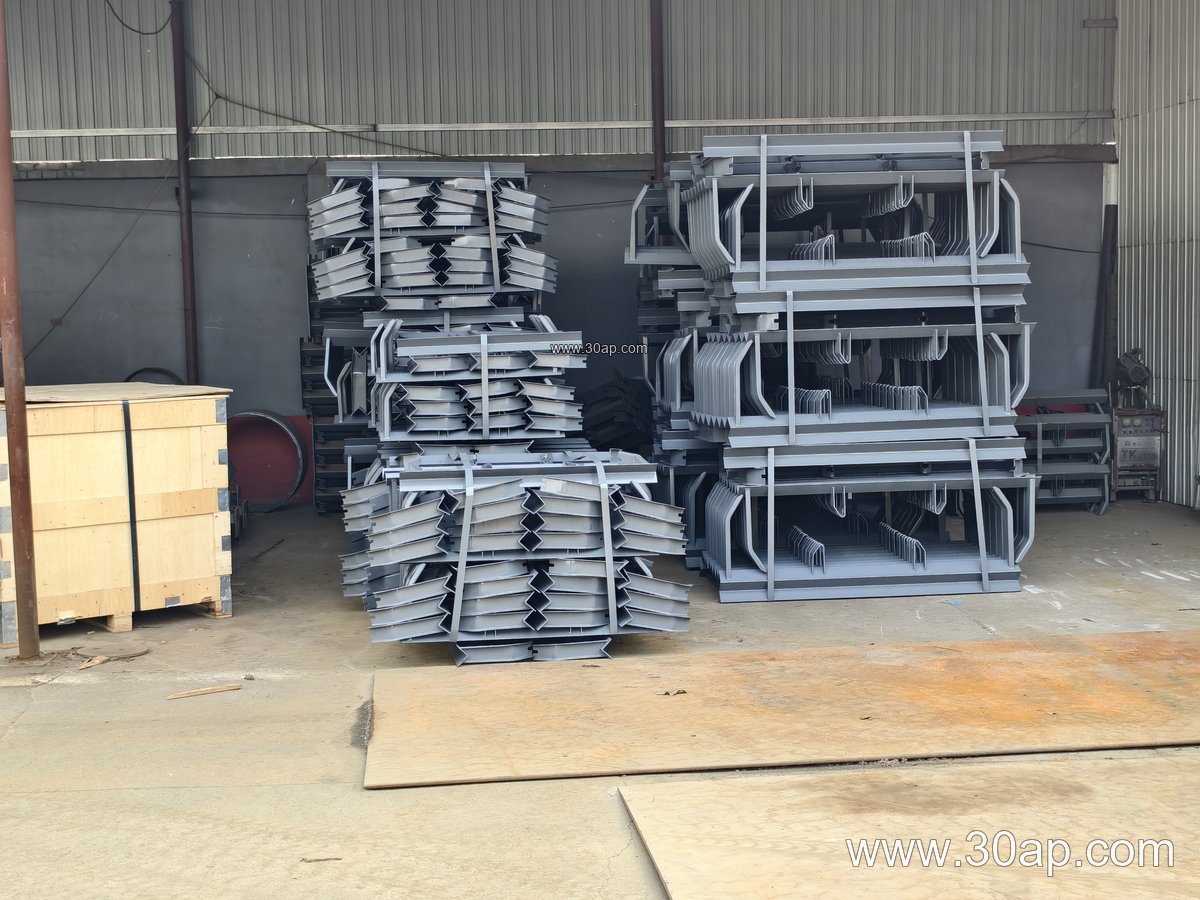
Most brackets are fabricated from angle steel, channel steel or folded steel plate. The common shapes include a trough bracket for the carrying side, a return bracket for the empty side, a V-return bracket, an impact bracket under the loading point, and a self-aligning bracket for belt tracking. Each one is drilled or slotted for mounting bolts and often has adjustable slots so the roller position can be fine-tuned on site.
Welding quality matters. A bracket that flexes under load will let the roller tilt, and the belt will drift toward one side. Look for continuous welds at the joints, a flat mounting face and a finish that resists corrosion in wet or dusty conditions.
Matching Bracket, Belt Width and Roller Diameter
Bracket size follows belt width, and roller diameter follows load and belt speed rather than belt width alone. The table below shows typical reference combinations; the final choice is confirmed by the conveyor designer.
| Belt Width | Trough Angle | Typical Roller Diameter | Bracket Note |
|---|---|---|---|
| B650 | 30 degrees | Ø89 | Light to medium duty |
| B800 | 35 degrees | Ø108 | Common aggregate line |
| B1000 | 35 degrees | Ø133 | Higher load, wider trough |
| B1200 | 45 degrees | Ø133 | Heavy bulk material |
| B1400 | 45 degrees | Ø159 | Mine and port duty |
| B1600 to B2000 | 35 to 45 degrees | Ø159 to Ø194 | Extra-wide, heavy duty |
Do not assume one belt width must use one trough angle or one roller size. A B800 line may run at 30 or 35 degrees depending on the material, and the mounting hole spacing and beam length change with both width and trough angle.
Adjustable Versus Fixed Brackets
A fixed bracket is welded or bolted at one trough angle and one roller position. It is simple and rigid, which suits long, stable runs such as a power plant coal conveyor. An adjustable bracket lets maintenance staff change the trough angle between common values such as 20, 30, 35 and 45 degrees, or move the roller slightly to correct belt tracking. Adjustable types are useful at transfer points and in plants where material changes seasonally, but they need periodic bolt checks because the setting can slip.
Forward-tilted brackets, usually about 1.5 to 2 degrees, help keep the belt centered on the carrying side. They are a tracking aid, not a replacement for proper alignment of the conveyor pulley and the whole frame.
Where These Brackets Are Used
You will find conveyor support brackets in limestone quarries feeding a crusher, in coal washing plants where dust and moisture are constant, and in cement plants moving clinker and raw meal. In each case the bracket must suit the local environment: a dusty stone crushing line needs easy cleaning around the roller seat, while a wet coal plant benefits from galvanized or painted finish.
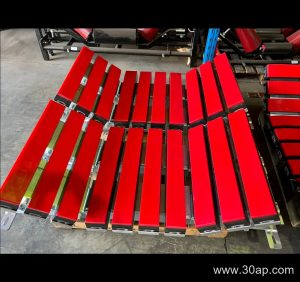
Brackets also appear under belt cleaners and at loading chutes, where an impact bracket with rubber cushions absorbs the drop energy before it reaches the roller. For steep or confined routes, a pipe conveyor belt or a corrugated sidewall belt may use a different frame layout, so the bracket drawing should always match the actual belt type.
Buyer Checklist
- Confirm belt width, trough angle and roller diameter as a set, not separately.
- Ask for the mounting hole spacing and beam length for your specific width.
- Check steel thickness and weld quality, especially at loaded points.
- Decide between fixed and adjustable based on tracking needs and maintenance access.
- Match surface finish to the site: dusty, wet, or corrosive.
A bracket is a small part of the conveyor, but it decides how long the idler roller and the conveyor belt last. Buy it as part of a matched system, and the line will run straighter with less downtime.