What a Rubber Conveyor Belt Is
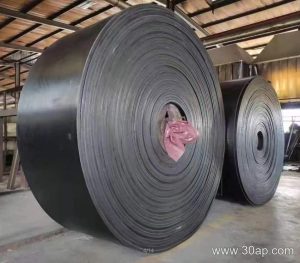
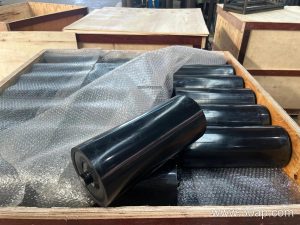
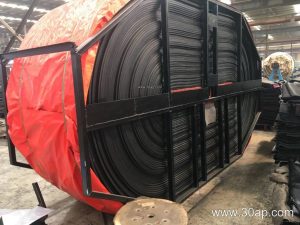
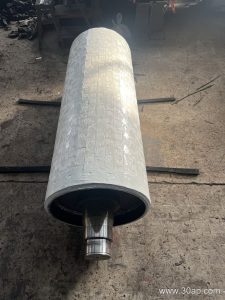
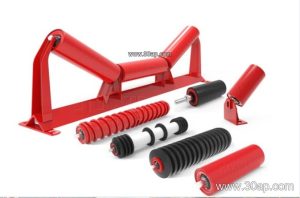
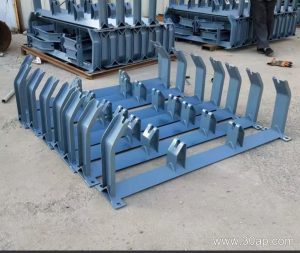
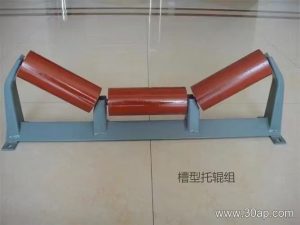
A rubber conveyor belt is the load-carrying element of a belt conveyor, built as a continuous loop that moves bulk materials between loading and discharge points. In a quarry, cement plant, power plant, coal mine, or sand and gravel yard, the belt works together with idler rollers, conveyor pulleys, and conveyor brackets to form the complete conveying line. The rubber conveyor belt itself is a composite: a tension-bearing carcass inside, rubber covers outside, and often an edge or surface feature shaped for a specific duty.
The same product is also called a rubber conveyor belting or rubber belt conveyor belt in everyday trade language. Whatever the name, the function stays the same: carry the load, transmit drive tension, and resist the working environment.
How the Belt Is Built
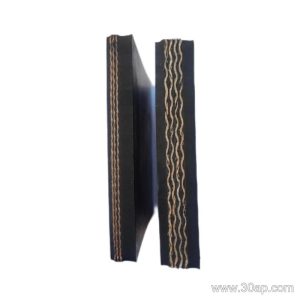
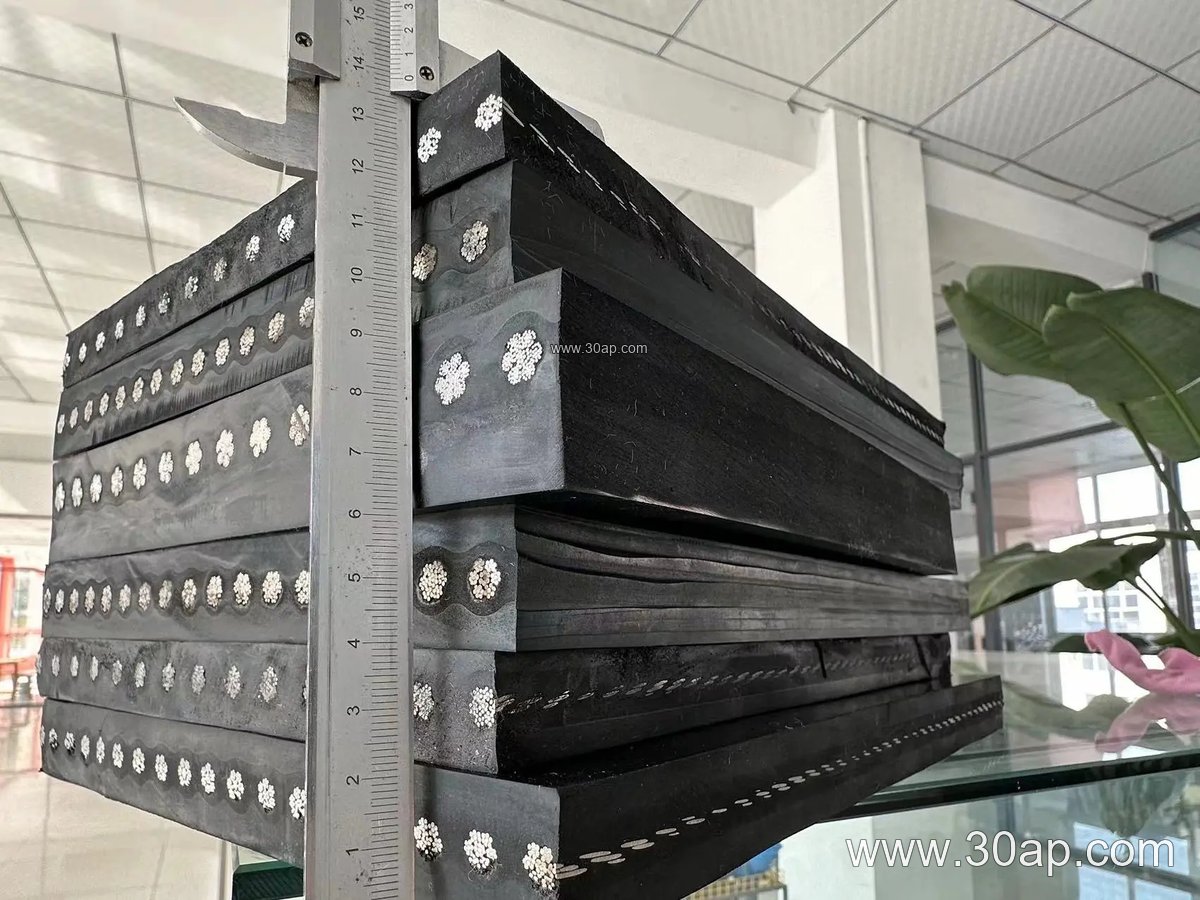
Most heavy-duty belts use a fabric core or a steel cord core. Fabric core types include EP conveyor belt (polyester warp, nylon weft) and NN conveyor belt (nylon warp and weft). A multi-ply fabric core conveyor belt stacks two to six fabric plies, while a steel cord conveyor belt uses parallel steel strands for long, high-tension runs. Rubber covers protect the carcass, and cover thickness is usually written as top plus bottom, for example 4+2 mm or 6+2 mm.
Common Construction Reference
| Element | Typical Options |
|---|---|
| Carcass | EP fabric, NN fabric, steel cord, solid woven PVC/PVG |
| Fabric plies | 2 to 6 plies, depending on design |
| Cover thickness | 3+1.5, 4+2, 5+2, 6+2, 8+3 mm |
| Surface form | Smooth, chevron, corrugated sidewall, skirted edge |
| Special duty | Abrasion resistant, heat resistant, oil resistant, flame retardant, anti-static, cold resistant, acid and alkali resistant |
These values are reference ranges, not fixed rules. Final construction follows the conveyor design and the material being handled.
Where It Works
Mining is a major user. An underground coal mining conveyor belt must often combine flame retardant and anti-static properties, while an iron ore or copper ore belt usually prioritizes abrasion resistance and impact strength. In cement plants, heat resistant conveyor belts handle clinker and hot kiln material. Power plants use belts for coal and limestone, and aggregate operations rely on abrasion resistant conveyor belts for crushed stone and sand.
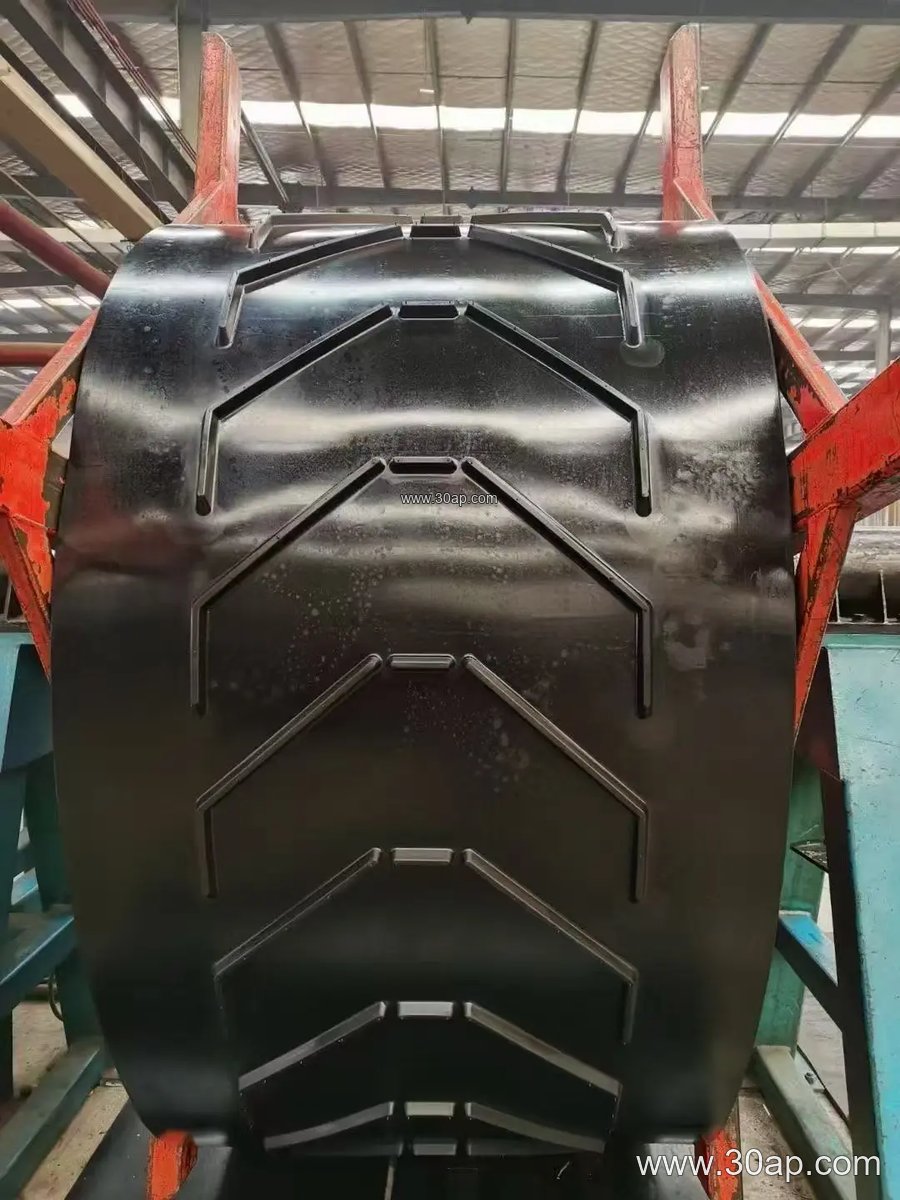
Other environments call for other covers: an oil resistant conveyor belt in recycling or machinery areas, a cold resistant belt in freezing climates, and a food grade belt in processing lines where hygiene matters. A pipe conveyor belt or a corrugated sidewall conveyor belt solves steep inclines or spillage control, while a chevron conveyor belt improves grip on slopes.
Reading the Specification
Strength grades tell a buyer how much tension the carcass is designed to carry. EP grades commonly run from EP200 through EP1600, and steel cord grades from ST1000 to ST3150. Belt width is written as B500, B650, B800, B1000, B1200, B1400, B1600, B1800, or B2000 in metric descriptions, or as 500 mm, 800 mm, 1000 mm, 1200 mm, 1400 mm, 1600 mm, and wider in catalogs.
- Check the required tensile grade against the conveyor’s calculated tension.
- Match cover thickness and rubber compound to the material’s abrasiveness, temperature, and oil content.
- Confirm width and edge type against the troughing idlers and pulley face.
- State whether the belt should be endless or supplied with mechanical fasteners.
Belt width does not fix pulley diameter by itself; pulley sizing comes from the conveyor design, tension, and shaft load. A 1200 mm wide belt and a 650 mm belt can both run on properly designed pulleys, and neither width dictates one shaft size.
Buyer Checklist
Ask for the carcass type, number of plies, strength grade, cover thickness, rubber grade, and surface form in writing. For hazardous locations, request the flame retardant and anti-static properties in the specification. For hot or oily cargo, confirm the heat resistant or oil resistant cover grade. For long overland routes, compare steel cord and high-strength fabric options rather than assuming one is always better.
Quick Reference Table
| Field | Example Entries |
|---|---|
| Belt type | EP conveyor belt, NN conveyor belt, steel cord conveyor belt, PVC or PVG belt |
| Strength grade | EP400, EP630, EP1000, EP1250; ST1250, ST2000 |
| Width | B650, B800, B1000, B1200, B1400, B1600 |
| Cover | 4+2 mm, 6+2 mm, 8+3 mm |
| Duty | Abrasion resistant, heat resistant, flame retardant, oil resistant |
Inspect the delivered belt for cover damage, ply separation, and edge condition before installation. During service, check alignment, keep idler rollers turning freely, and watch the loading point where impact wear is heaviest. A correctly specified rubber conveyor belt, matched to its pulleys, idlers, and brackets, gives the longest, most predictable service life in mining, cement, power, quarry, and port operations.