What a PVC Mining Conveyor Belt Is
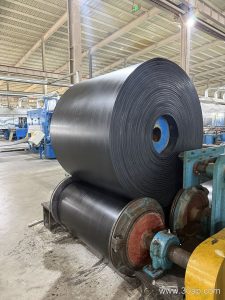
A PVC mining conveyor belt is a solid-woven or fabric-reinforced belt whose covers and impregnation are based on polyvinyl chloride. In aggregate, coal, cement, and power-plant material handling, this belt type is often chosen for its resistance to moisture, mild chemicals, and flame propagation when the compound is properly formulated. It is not the same product as a heavy steel-cord belt, and it should not be confused with a PVG belt, which uses a different cover polymer system. The PVC mining conveyor belt remains a distinct category for medium-duty to heavy-duty conveying where a flexible, relatively light carcass is an advantage.
How the Belt Is Built
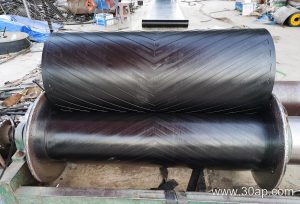
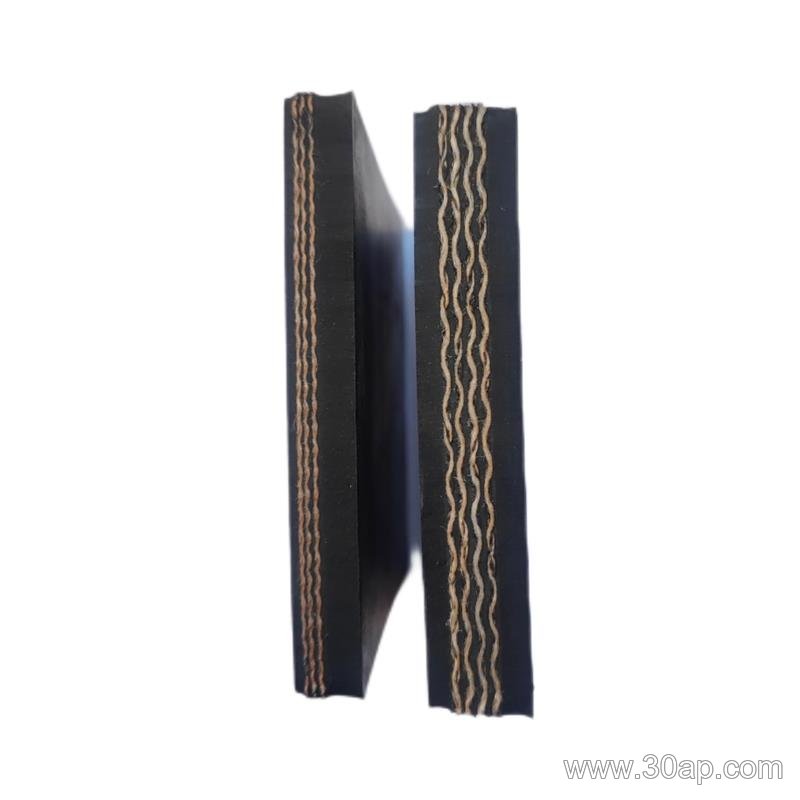
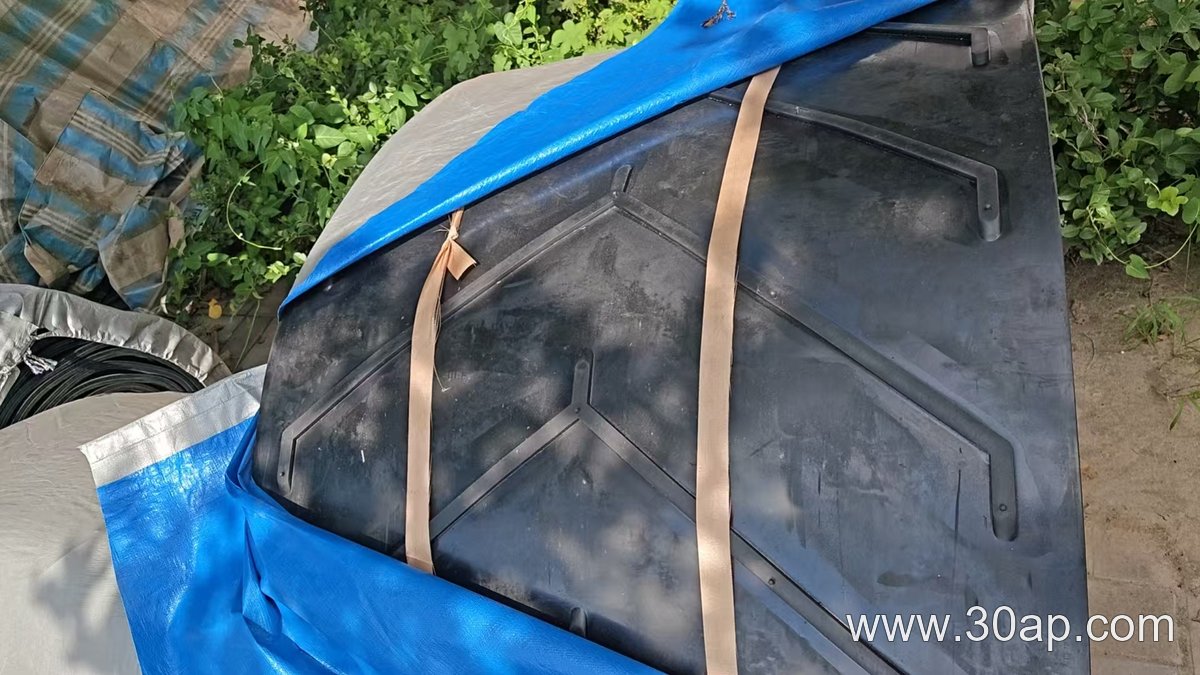
Construction begins with a woven fabric carcass, usually polyester or nylon yarns, dipped and bonded with PVC paste. Multiple plies are calendered together, then top and bottom covers are applied. Common cover gauges include 3+1.5 mm, 4+2 mm, 5+2 mm, 6+2 mm, and 8+3 mm, while the carcass commonly carries 2 to 6 plies. The surface may be smooth, or it may be embossed with a pattern such as herringbone for inclined haulage. Edge construction can be cut-edge or molded-edge depending on the manufacturer and the duty.
Where It Fits in a Mining Circuit
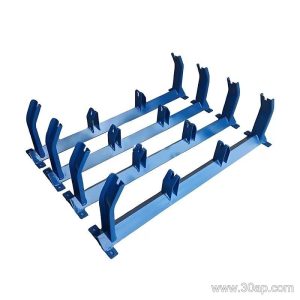
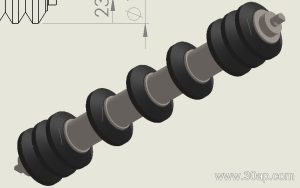
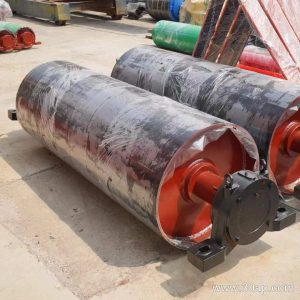
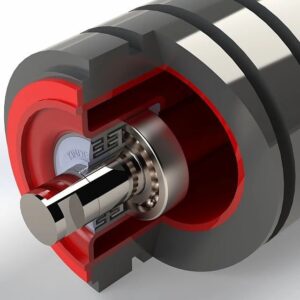
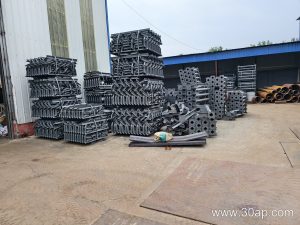
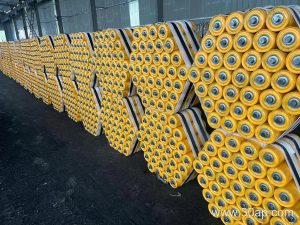
You will see this belt on primary and secondary haulage lines in sand and gravel pits, coal preparation plants, cement quarries, and electric utility stockyards. It moves crushed ore, limestone, clinker, and wet or dusty bulk materials. Because the belt runs over idler rollers and wraps around a head or drive pulley, a tail pulley, and bend pulleys, the installation must be laid out as a complete system. Drive, tail, and bend pulleys perform different functions and are not interchangeable; the drive pulley transmits torque, the tail pulley returns the belt, and the bend pulley changes direction. Each is mounted in a conveyor bracket or frame, and each must be aligned with the idler roller sets to avoid edge damage.
Typical Belt and Component Reference Data
The values below are common reference points, not a fixed supply promise. Final specifications depend on the conveyor design, material lump size, and operating tension.
| Item | Common reference values |
|---|---|
| Belt type | PVC solid-woven or PVC fabric-reinforced |
| Tensile strength grades | EP200, EP315, EP400, EP500, EP630, EP800, EP1000, EP1250, EP1600, EP2000 |
| Belt width | B500, B650, B800, B1000, B1200, B1400, B1600, B1800, B2000 |
| Cover thickness | 3+1.5, 4+2, 5+2, 6+2, 8+3 mm |
| Carcass plies | 2 to 6 layers |
| Surface forms | smooth, herringbone, chevron, corrugated sidewall |
Notice that belt width and pulley diameter are separate design choices. A B800 belt may run on different pulley diameters in different conveyors; no single width dictates one fixed shaft diameter. The engineer calculates pulley face width, shaft load, and bearing size from the actual belt tension and wrap angle.
Selection Points for Buyers
- Material and environment: Confirm whether the site needs flame retardance, antistatic behavior, oil resistance, or cold-weather flexibility. A PVC mining conveyor belt can be formulated for several of these, but not every combination is standard.
- Strength grade: Match the EP rating to the calculated operating tension with a safety factor. Over-specifying raises weight and cost; under-specifying shortens life.
- Cover gauge: Abrasive ore favors a thicker top cover such as 6+2 mm or 8+3 mm. Fine, dry material may run well on 4+2 mm.
- Surface pattern: Smooth covers suit horizontal runs. Herringbone or chevron patterns help on inclines, but they require more careful cleaning and pulley contact.
- System compatibility: Check idler roller spacing, pulley diameters, and transition distances. A belt that is too stiff for small pulleys can crack; one that is too soft may stretch excessively.
Maintenance and Handling
Keep the belt tracking straight by adjusting idler rollers and pulleys, not by forcing the edges. Inspect splice areas, cover wear, and edge fraying at regular intervals. Store spare rolls in a dry, shaded place and avoid sharp bends. When replacing a belt, verify that the new PVC mining conveyor belt matches the original carcass type, ply count, and cover grade, or update the conveyor calculation if the specification changes.
For any mining, coal, cement, or power project, the belt is one part of a larger conveying system. Working with the pulley, roller, and bracket supplier from the start helps avoid mismatched components and unexpected downtime.