What a Diamond Grooved Lagged Pulley Is
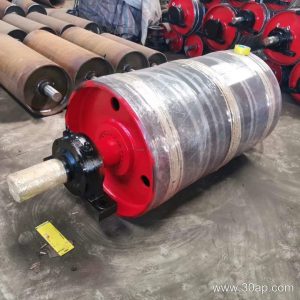
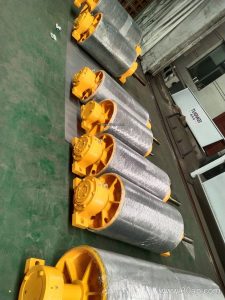
A diamond grooved lagged pulley is a conveyor pulley whose shell is covered with a rubber lagging carrying a raised diamond pattern. The product is also called a diamond rubber lagged drum pulley, and both names describe the same component. The diamond profile raises friction between the pulley face and the conveyor belt, while the grooves between the diamonds give water, fine dust and slurry somewhere to escape instead of sitting trapped under the belt.
The pulley itself may sit at the head or drive position, at the tail, or at a bend or take-up point. On a drive pulley the diamond lagging helps transmit torque without slip; on a tail or bend pulley it helps keep the belt tracking and reduces the chance of material building up on the face. This article focuses on the diamond grooved lagged pulley, not on plain or ceramic-faced drums.
How the Pulley and Its Lagging Are Built
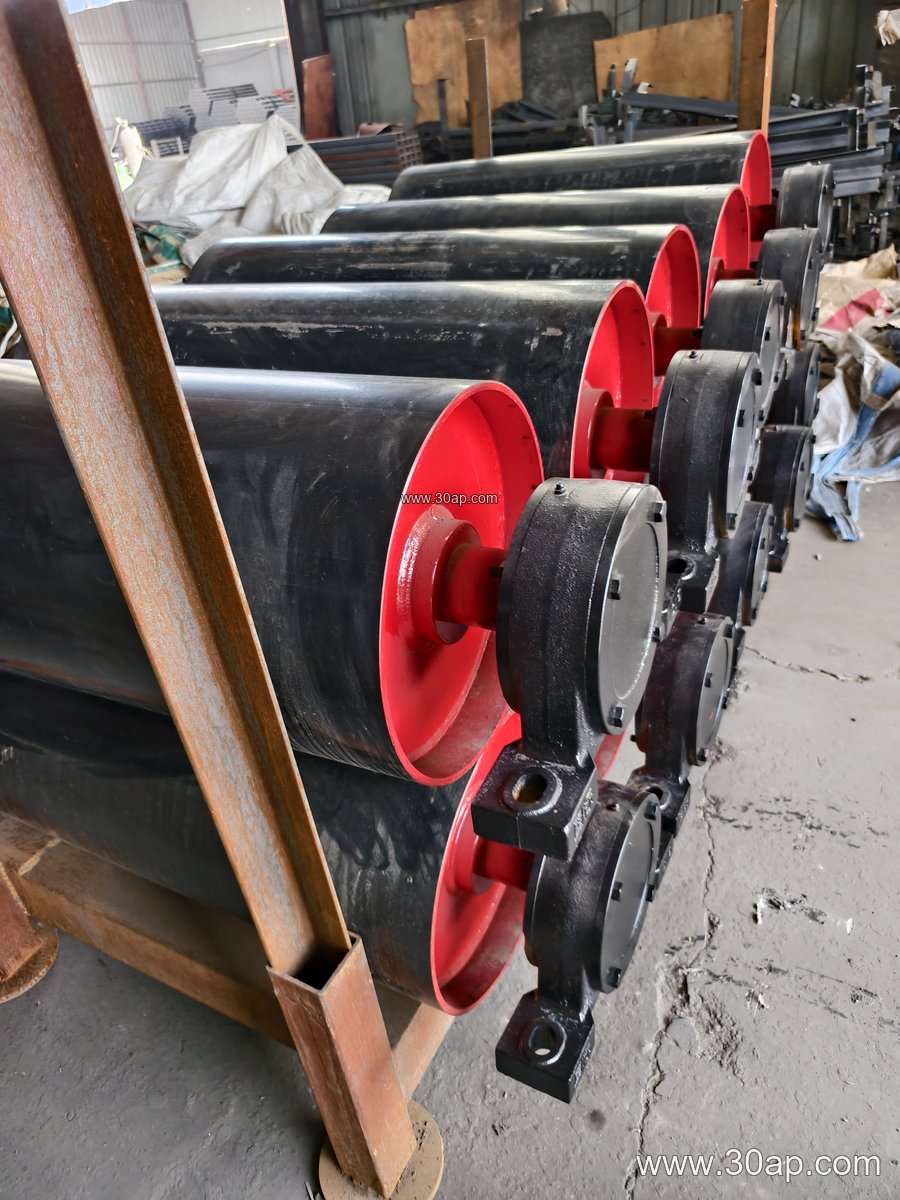
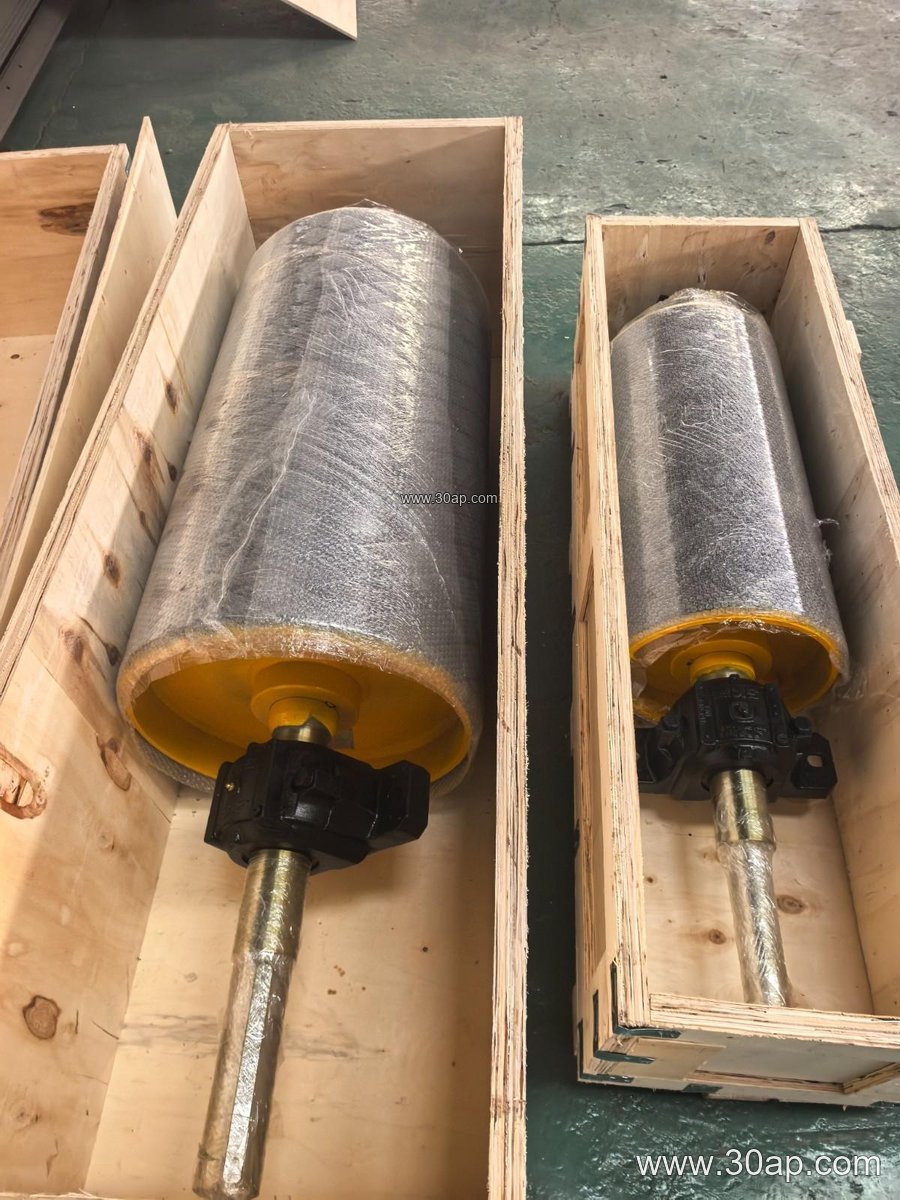
A typical unit combines a steel shell, end discs, a shaft and bearing housings, with the lagging applied on the outside. Common construction choices include:
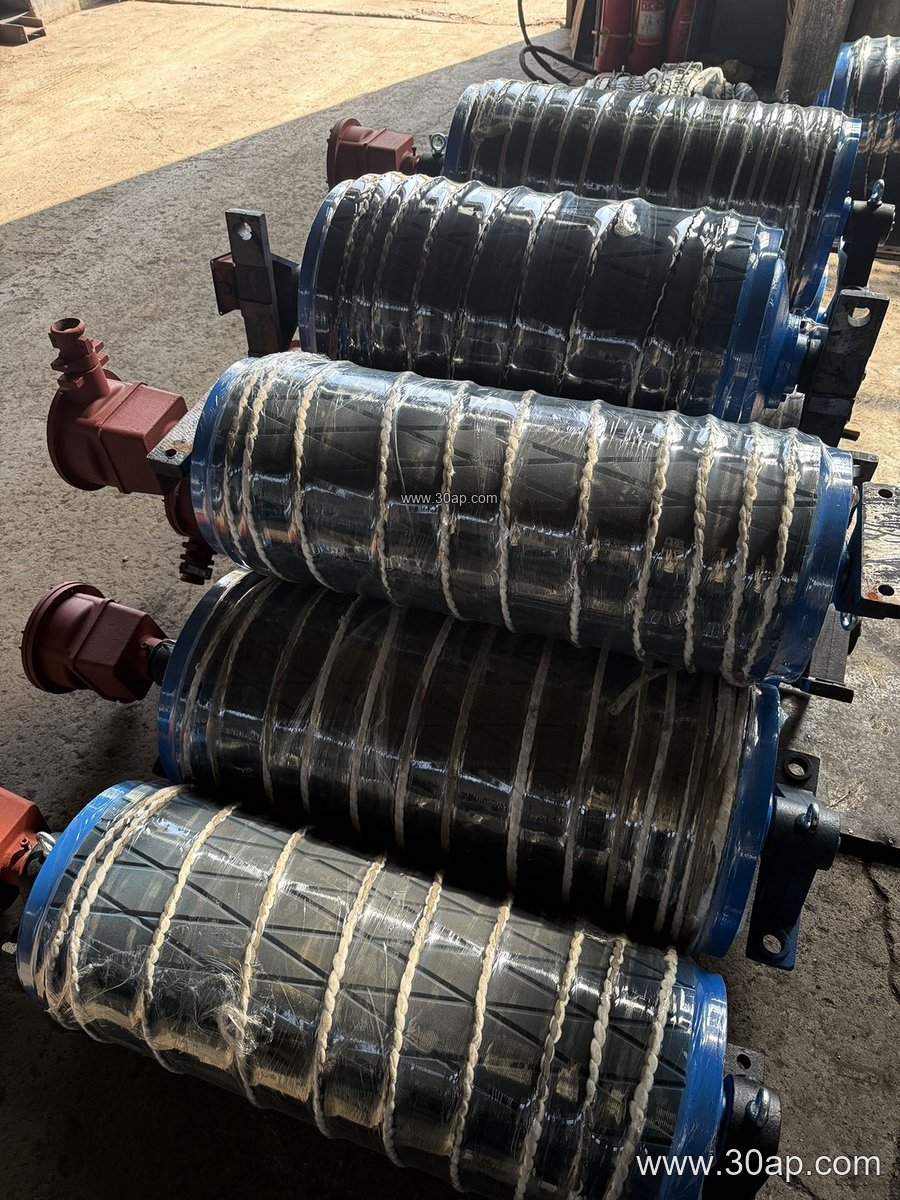
- Shell: rolled steel plate, machined to suit the lagging and the belt width.
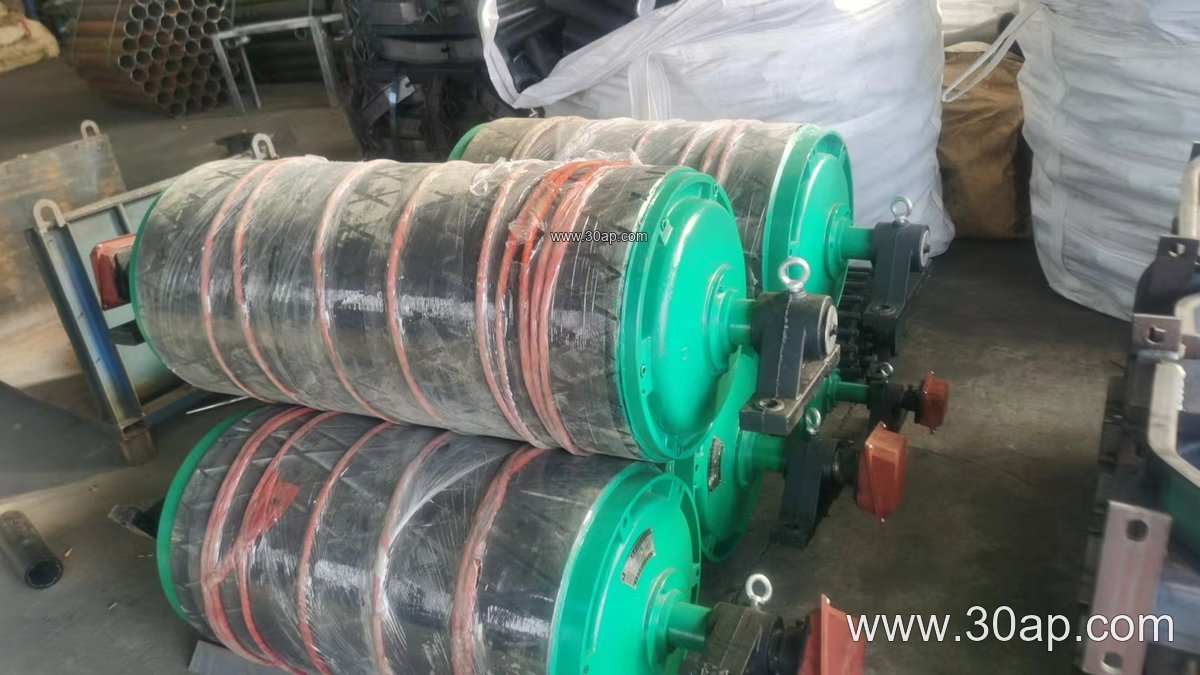
- Lagging: cold-bonded rubber, hot-vulcanized rubber or cast rubber, formed with the diamond groove pattern.
- Lagging thickness: often 8, 10, 12, 15 or 20 mm, selected by duty and belt tension.
- Finish: diamond grooved, as opposed to plain, herringbone or ceramic surfaces.
The diamond pattern is usually moulded into the rubber rather than cut afterwards, so the raised blocks and the channels between them stay uniform across the face. The shell width is normally slightly wider than the belt. For example, a B800 conveyor belt is commonly matched with a drum face around 950 mm, and B1200 with roughly 1400 mm. These are reference proportions, not fixed rules for every conveyor.
Where It Fits in a Bulk Handling Line
Diamond lagging is common in quarry and aggregate lines feeding crushers, in cement plant clinker transport, in coal handling at power stations, and in port bulk terminals where belts meet weather and fine dust. It also appears in iron ore and copper ore circuits and in sand and gravel plants where the belt carries abrasive, sometimes damp material.
In these settings the drum works together with the conveyor belt, conveyor pulley frame and conveyor bracket, and with conveyor idler rollers supporting the belt along the run. A diamond grooved lagged pulley is often chosen at the drive or head position, but it can also be used at a tail or bend position when the duty calls for better grip and easier cleaning. A bend pulley is a different function from a drive pulley, so the position should be confirmed before ordering.
Common Size Combinations and Lagging Options
Sizes are normally built to the conveyor design rather than taken from a catalogue line. The table below shows combinations that appear in general practice; each project still needs its own calculation.
| Belt width | Typical pulley diameters | Face width (approx.) | Lagging note |
|---|---|---|---|
| B500 | Ø250, Ø315, Ø400 | 600 mm | 8–10 mm diamond rubber |
| B650 | Ø315, Ø400, Ø500 | 750 mm | 10 mm diamond rubber |
| B800 | Ø400, Ø500, Ø630 | 950 mm | 10–12 mm diamond rubber |
| B1000 | Ø500, Ø630, Ø800 | 1150 mm | 12–15 mm diamond rubber |
| B1200 | Ø630, Ø800, Ø1000 | 1400 mm | 12–15 mm diamond rubber |
| B1400 | Ø800, Ø1000, Ø1250 | 1600 mm | 15 mm diamond rubber |
| B1600 | Ø1000, Ø1250, Ø1400 | 1800 mm | 15–20 mm diamond rubber |
Shaft diameter is set by torque and bearing load, not by belt width alone; common shaft sizes run from Ø80 to Ø200 depending on the drive. A B1200 × Ø1000 unit and a B800 × Ø500 unit are both realistic combinations, and neither width is tied to a single diameter.
Buyer Checklist Before Ordering
- Confirm the pulley position: drive, tail, bend, take-up or snub. Each has a different load case.
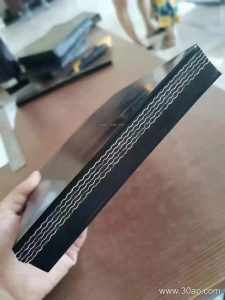
- State the belt type and tension, including whether a steel cord conveyor belt or a fabric core belt such as an EP conveyor belt is used.
- Specify lagging thickness and hardness, plus the diamond groove depth, so the surface matches the material handled.
- Give the shaft diameter, bearing type and keyway details, or ask the supplier to calculate them from the drive data.
- Check balance class and runout for high-speed drives, and confirm the lagging bond method.
- Plan maintenance: worn diamonds can be re-lagged, and checking groove depth at service intervals helps avoid belt slip.
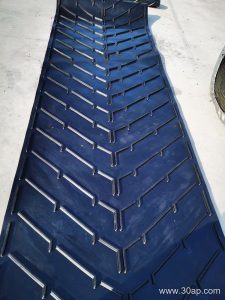
For abrasive duty, a high abrasion resistant conveyor belt paired with a well-bonded diamond lagging usually gives a longer service life than a plain drum. Where fire safety matters, the belt may be a flame retardant conveyor belt, and the pulley should be specified to suit the same environment. Buyers working through a project can review related belt and drum options at conveyor pulley and rubber conveyor belt pages, or check EP conveyor belt and abrasion resistant conveyor belt references before finalising the drive design.