What a Coal Conveyor Belt Does
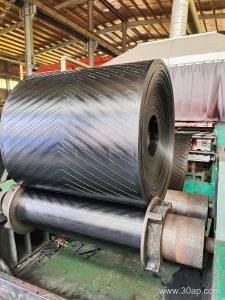
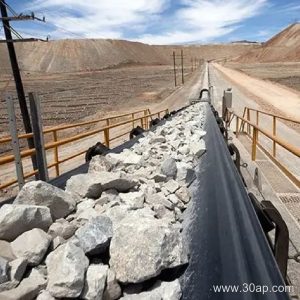
A coal conveyor belt is the load-carrying element in a bulk handling system. It moves lump coal, slack coal, and sometimes briquettes or coke along a fixed route between a stockpile, a crusher, a screen, or a ship loader. The belt itself is only one part of the line. It runs over idler rollers, wraps around a conveyor pulley at the head and tail, and is held in alignment by conveyor brackets and frames. How well it performs depends on the rubber compound, the fabric or steel carcass, the cover thickness, and the way the whole system is aligned and maintained.
Coal is abrasive and often mixed with fines and moisture. That combination affects both the top cover and the edge of the belt. A belt that works well on dry, sized coal may wear quickly on wet, sticky slack. Buyers usually start with the duty, the lump size, the throughput, and the conveyor geometry, then narrow down the belt type.
How the Belt Is Built
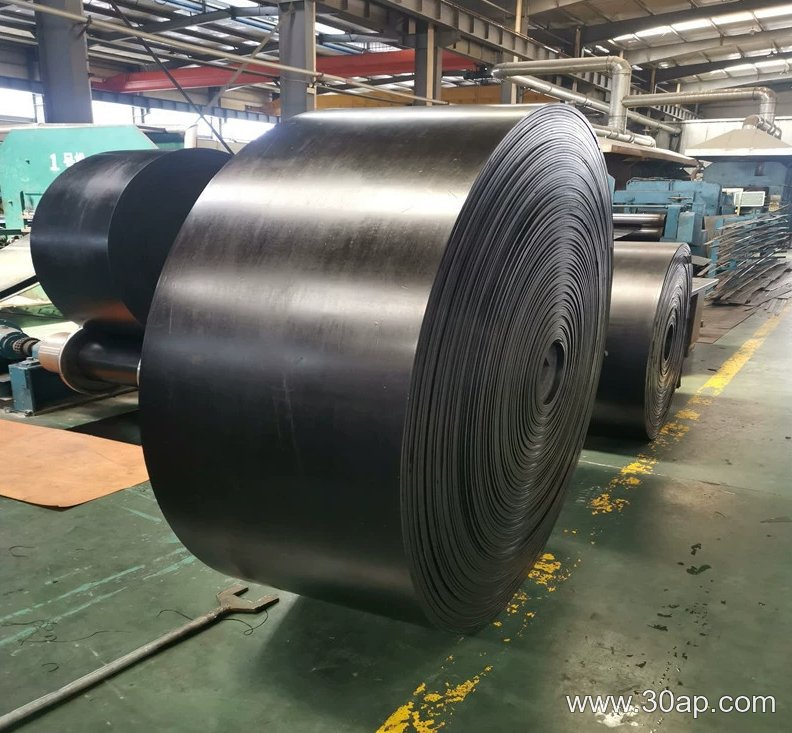
Most coal belts use a fabric carcass or a steel cord carcass. EP conveyor belt, made with polyester warp and nylon weft, is a common choice because it stretches little in service. NN nylon belts are also used where impact resistance matters more than low elongation. Steel cord belts are chosen for very long runs and high tension. The carcass is covered with rubber on both sides. Typical cover combinations include 4+2 mm, 5+2 mm, and 6+2 mm, with thicker covers for high abrasion or large lump sizes.
Fire resistance is a frequent requirement in coal handling. PVG and PVC covers are used in underground and enclosed galleries because they resist flame spread and static build-up. A PVG800S Conveyor Belt is a typical choice for underground coal haulage and tunnel conveying, where flame-retardant and antistatic properties are required. For surface lines with moderate tension, an EP500 Conveyor Belt is often used on main haulage conveyors, stockyard feed lines, and transfer belts that carry coal from a crusher to a screening plant.
The belt width and strength are matched to the tonnage and the idler spacing. Common widths include B650, B800, B1000, B1200, and B1400. Strength grades such as EP200, EP315, EP400, EP630, and EP800 appear in coal duties. The carcass may have two to six fabric plies, depending on the tension. A buyer should not assume that a wider belt always means a stronger belt; width and strength are separate decisions.
Where Coal Belts Are Used
Coal belts appear in mines, power stations, ports, cement plants, and coal preparation plants. In a power station, the belt feeds the bunker or the crusher house. In a port, it links the ship unloader to the stockpile. In a preparation plant, it carries raw coal to screens, jigs, and dewatering units. Some lines run outdoors and face sun, rain, and freezing temperatures; others run in tunnels and need flame resistance.
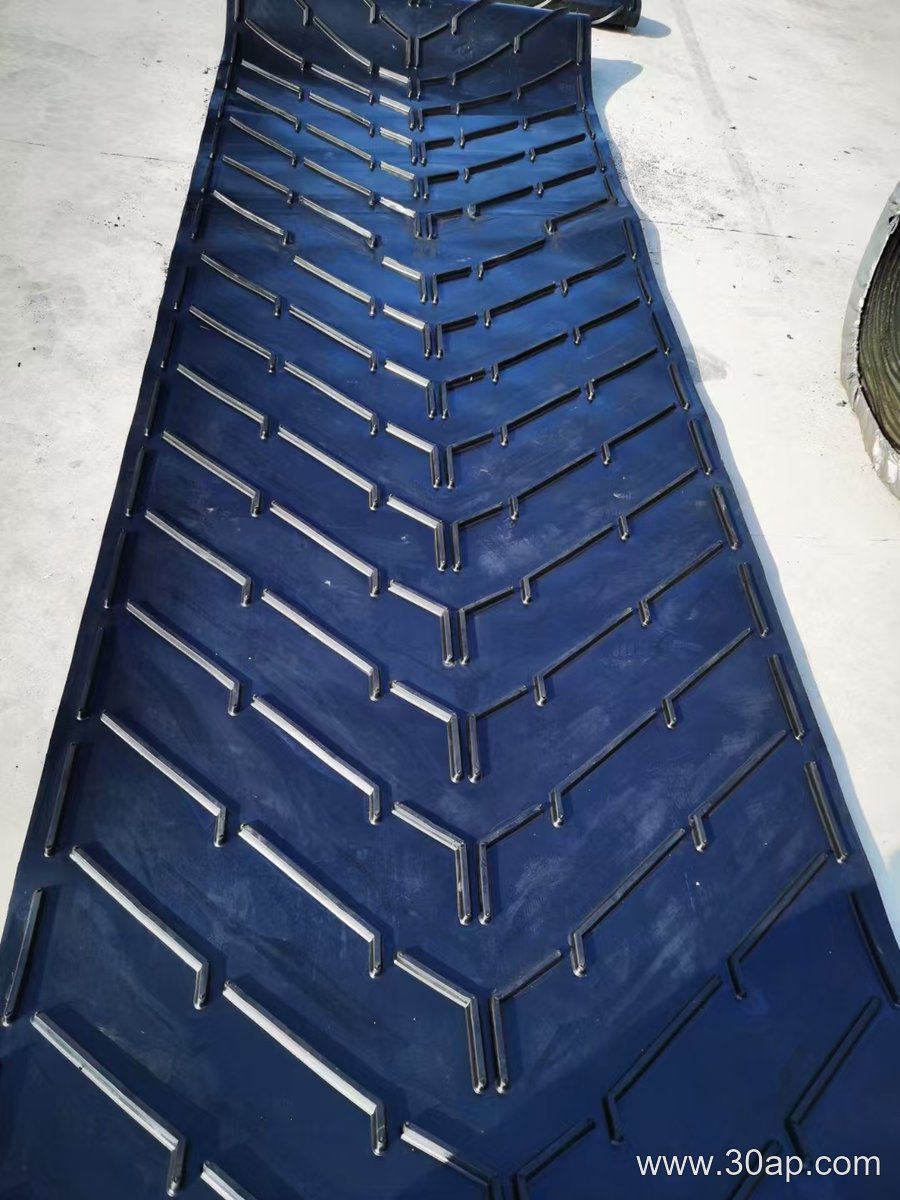
An Extra-Wide Conveyor Belt is used where a single stream carries a large tonnage, for example at a stockyard discharge or a high-capacity port loading line. Widths such as B1800 and B2000 are common in these positions, and the belt is supported by heavy-duty idler rollers and large pulleys. The wide format reduces the number of transfer points and can simplify the layout, but it also demands careful alignment and a strong frame.
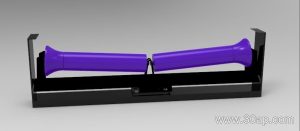
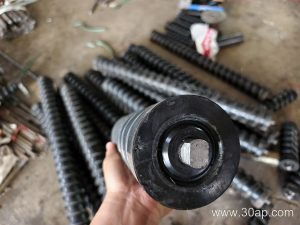
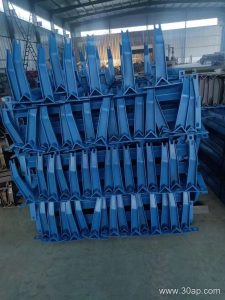
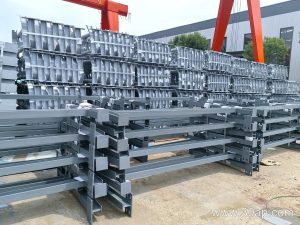
The auxiliary parts matter as much as the belt. A troughing idler roller set shapes the belt into a trough so coal stays centered. Return rollers support the empty side. Impact rollers sit under the loading point to absorb the fall of large lumps. A conveyor pulley at the head drives the belt, while a tail or take-up pulley maintains tension. A conveyor bracket holds the idlers at the correct angle, usually 30 degrees, 35 degrees, or 45 degrees. If the brackets are misaligned, the belt may run off to one side and wear its edges.
Specifications a Buyer Should Check
Before ordering, confirm the belt width, the strength grade, the number of plies, the cover thickness, and the cover grade. For coal, abrasion resistance and, where needed, flame resistance are key. Check whether the application is underground or above ground, and whether the coal is dry, wet, or oily. These factors point to a suitable compound and carcass.
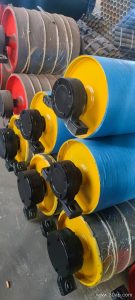
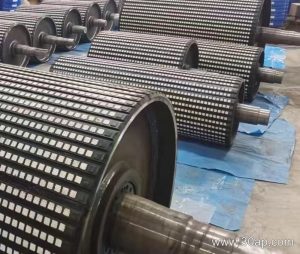
Also review the pulley and idler layout. Pulley diameters such as Ø500, Ø630, Ø800, and Ø1000 are common on coal conveyors. A B1200 x Ø1000 head pulley is a typical combination on a medium-duty line, but it is not the only option. The shaft diameter should be determined by the actual torque and bending load, not by the belt width alone. The pulley face is usually wider than the belt, for example a B800 belt often runs on a pulley with a face around 950 mm. Surface forms include plain, rubber lagged, diamond lagged, and ceramic lagged. Lagging improves grip and reduces slip, especially in wet conditions.
Idler diameter is another decision. Ø108, Ø133, and Ø159 are common in coal service. The bracket type, trough angle, and roller spacing should match the belt width and the load. A belt running on the wrong roller spacing may sag, spill coal, or fail early.
Installation and Maintenance Notes
Correct installation prevents most belt problems. Align the pulleys and idlers before tensioning the belt. Check that the loading chute places coal in the center of the belt, not on one edge. Use skirt rubber to contain fines at the transfer point. Keep the belt clean; coal build-up on rollers can cause tracking faults and premature cover wear.
During operation, watch for edge damage, cover gouges, and splice wear. A small cut can grow if coal fines work into the carcass. Inspect the idler rollers for seized bearings and the pulleys for lagging wear. Replace worn rollers before they damage the belt. Store spare belts in a dry, shaded place, away from ozone sources and sharp objects.
Coal handling is a tough duty, but a properly selected belt, matched with the right idlers, pulleys, and brackets, can give long service. The key is to treat the belt as part of a system, not as a standalone item. Match the compound and carcass to the coal, the climate, and the conveyor layout, and keep the alignment and loading conditions under control.