What a Conveyor Support Bracket Does
A conveyor support bracket is the structural element that holds the idler roller in the correct position under or above the conveyor belt. It carries the weight of the belt, the material, and the idler itself, then transfers that load into the conveyor frame. In a quarry or a cement plant, the bracket is often the first part an inspector checks after a belt tracking problem, because a bent or loose bracket will tilt the roller and cause the belt to run off-center. The bracket is not a pulley: drive pulleys, tail pulleys, and bend pulleys serve different functions at the ends and corners of the conveyor, and they are not interchangeable with a support bracket. The bracket supports the idlers that shape and guide the belt along the carrying and return runs.
Construction and Common Forms
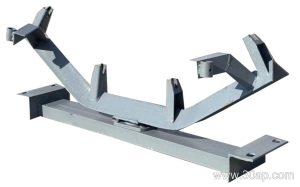
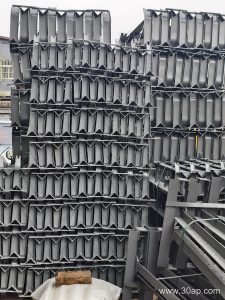
Most brackets are fabricated from angle steel, channel steel, or folded steel plate, then drilled and painted or galvanized. The form follows the job: a troughing bracket holds three idlers at a fixed trough angle, a transition bracket eases the belt from flat to troughed, a return bracket supports the belt on the way back, and a V-return bracket helps center the belt on the return run. Adjustable brackets allow the trough angle to be changed on site, which is useful when a conveyor handles different materials or when belt training needs fine-tuning. Impact brackets with rubber or spring cushions are used under loading points in a crusher or a transfer chute.
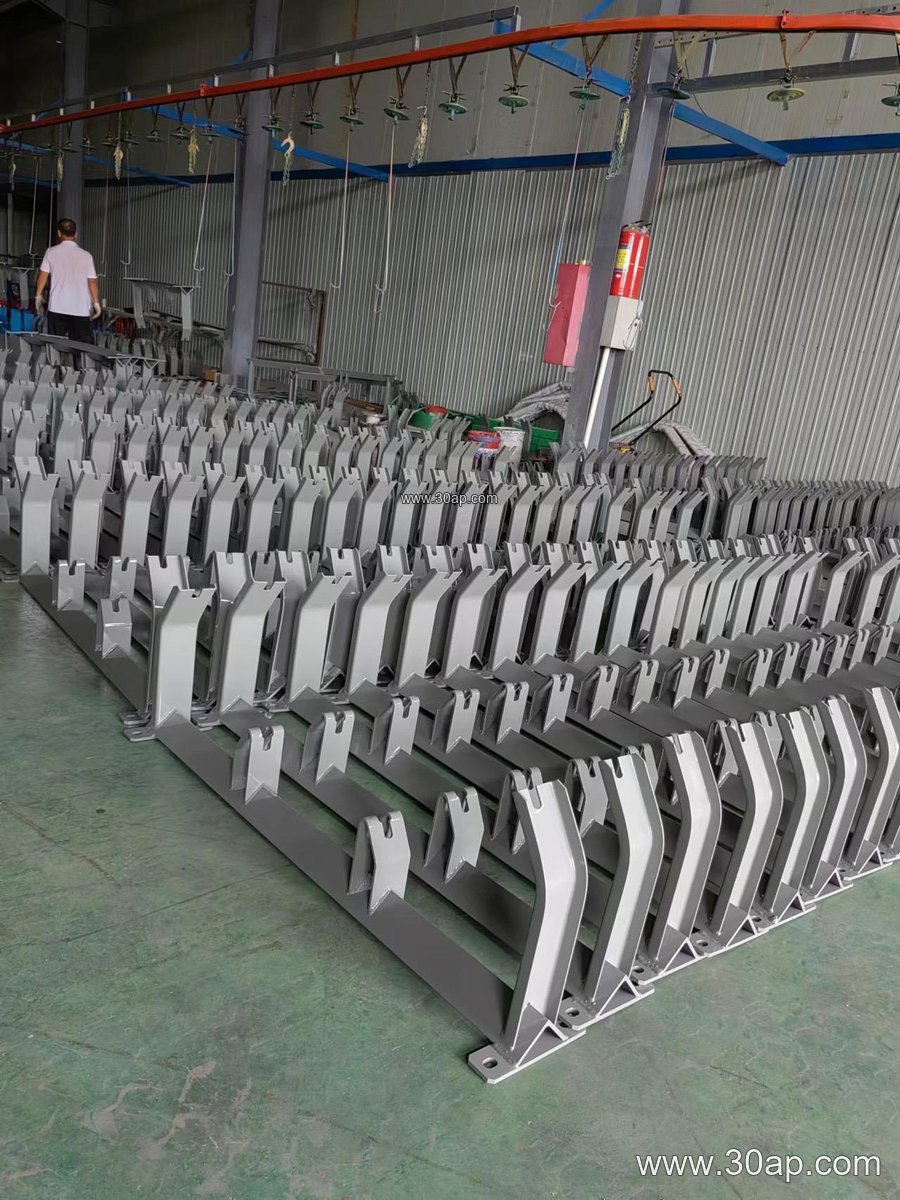
Typical bracket references
| Bracket type | Common belt width range | Typical trough angle | Common idler diameter |
|---|---|---|---|
| Troughing bracket | B500 to B2200 | 20°, 30°, 35°, 45° | Ø89, Ø108, Ø133, Ø159, Ø194 |
| Transition bracket | B650 to B1800 | 20° to 35° | Ø89 to Ø159 |
| Return bracket (flat) | B500 to B2000 | Flat | Ø89 to Ø159 |
| V-return bracket | B650 to B1600 | V-form | Ø89 to Ø133 |
| Adjustable bracket | B800 to B1800 | 20° to 45° | Ø108 to Ø159 |
These values are reference data, not fixed combinations; mounting hole spacing and crossbeam length change with belt width and trough angle. A B800 conveyor might use a 35° bracket with Ø108 idlers, while a B1200 unit in a coal mining conveyor line could use a 45° bracket with Ø133 idlers, depending on the design.
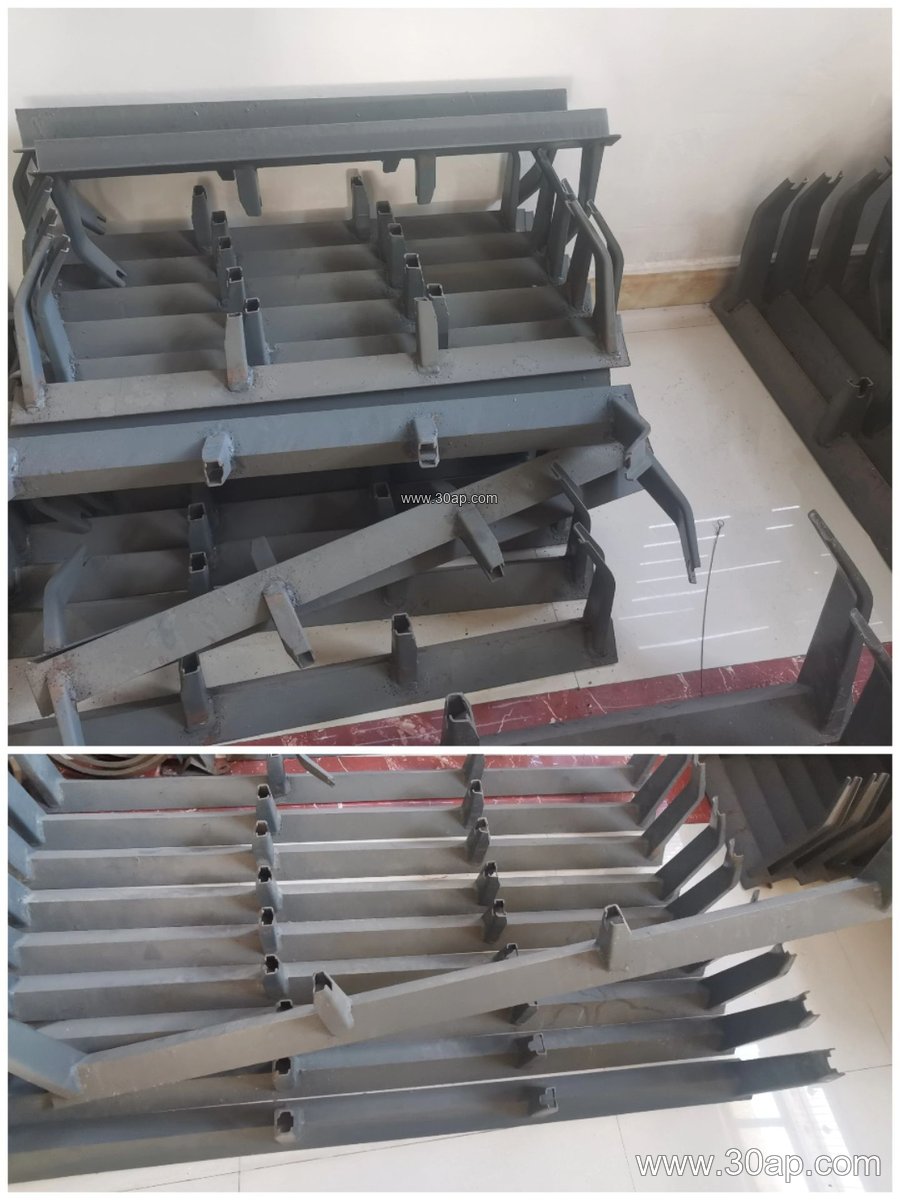
Where Brackets Fit in the System
In a limestone mine or a sand and gravel line, the carrying run usually uses troughing brackets spaced along the frame, with transition brackets near the head and tail. The return run uses flat or V-return brackets. In a power plant coal handling system, flame retardant conveyor belt and anti-static belt are common, and the brackets must keep the idlers aligned so the belt does not rub the frame. A steel cord conveyor belt on a long overland route needs stable bracket alignment to avoid edge damage, while a fabric core conveyor belt in a smaller aggregate plant may use lighter brackets. The bracket works together with the conveyor pulley at the drive end and the idler roller along the run; none of these parts can substitute for another.
Buyer Checklist
- Confirm belt width (B500, B650, B800, B1000, B1200, B1400, B1600, B1800, B2000, B2200) and the required trough angle.
- Match the bracket to the idler diameter (Ø89, Ø108, Ø133, Ø159, Ø194) and the shaft end type.
- Check material and finish for the environment: dusty cement plant, wet wash plant, or corrosive fertilizer store.
- Decide between fixed and adjustable brackets based on how often the trough angle may need to change.
- Ask for mounting dimensions rather than assuming a standard hole spacing.
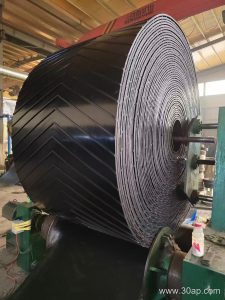
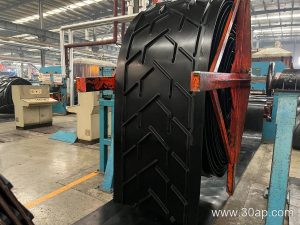
For harsh industries such as iron ore or underground coal mining, a heavy-duty bracket with reinforced welds and thicker steel is often preferred. For a food grade or cold resistant application, the finish and material selection matter as much as the dimensions. A bracket that is correctly sized and well aligned will extend the life of the idler roller and reduce wear on the conveyor belt, whether the system runs an EP conveyor belt, a steel cord belt, or a chevron belt on an incline.