What a PVC Conveyor Belt Is
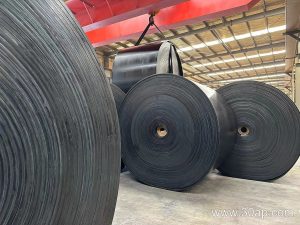
A PVC conveyor belt is a light-to-medium duty belt whose load-carrying surface and carcass are bonded with polyvinyl chloride. It is a distinct product from heavy rubber belts such as EP or NN nylon belting, and it is also different from PVG belts, which use a PVC cover over a nitrile rubber core for tougher service. The PVC type is often chosen for clean, dry or lightly oily conditions, and it can be produced in antistatic, flame-retardant, wear-resistant, oil-resistant and low-temperature versions. A food-grade compound may also be available where hygiene matters.
Because the material is thermoplastic, the belt can be welded, punched, profiled and cleaned more easily than many rubber compounds. That makes it a common choice for package handling, light assembly, sorting and food processing lines.
How the Belt Is Built
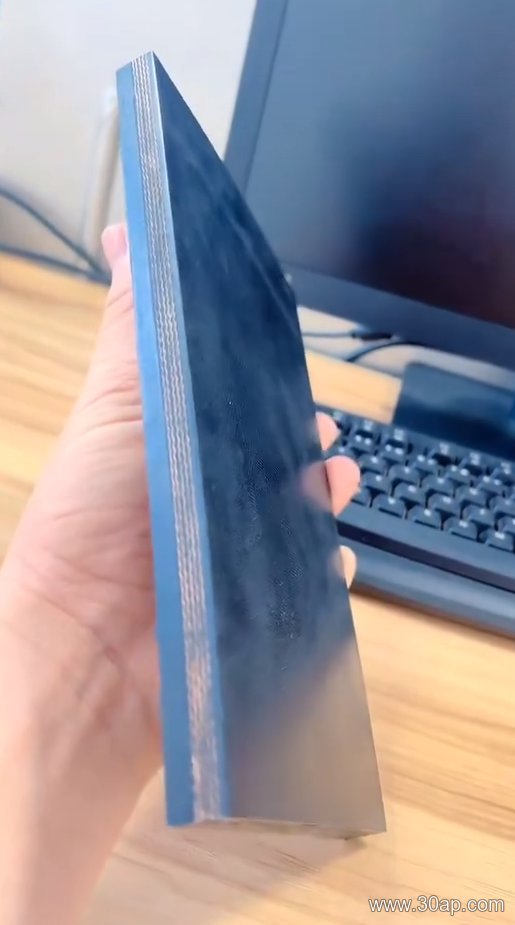
The structure usually has three parts: a top cover, a carcass and a bottom cover. The carcass provides tensile strength and dimensional stability, and it may be a woven fabric, a polyester fabric or a solid extruded layer. The PVC cover protects the carcass from abrasion, moisture and mild chemicals.
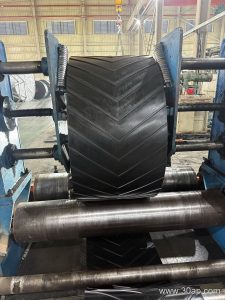
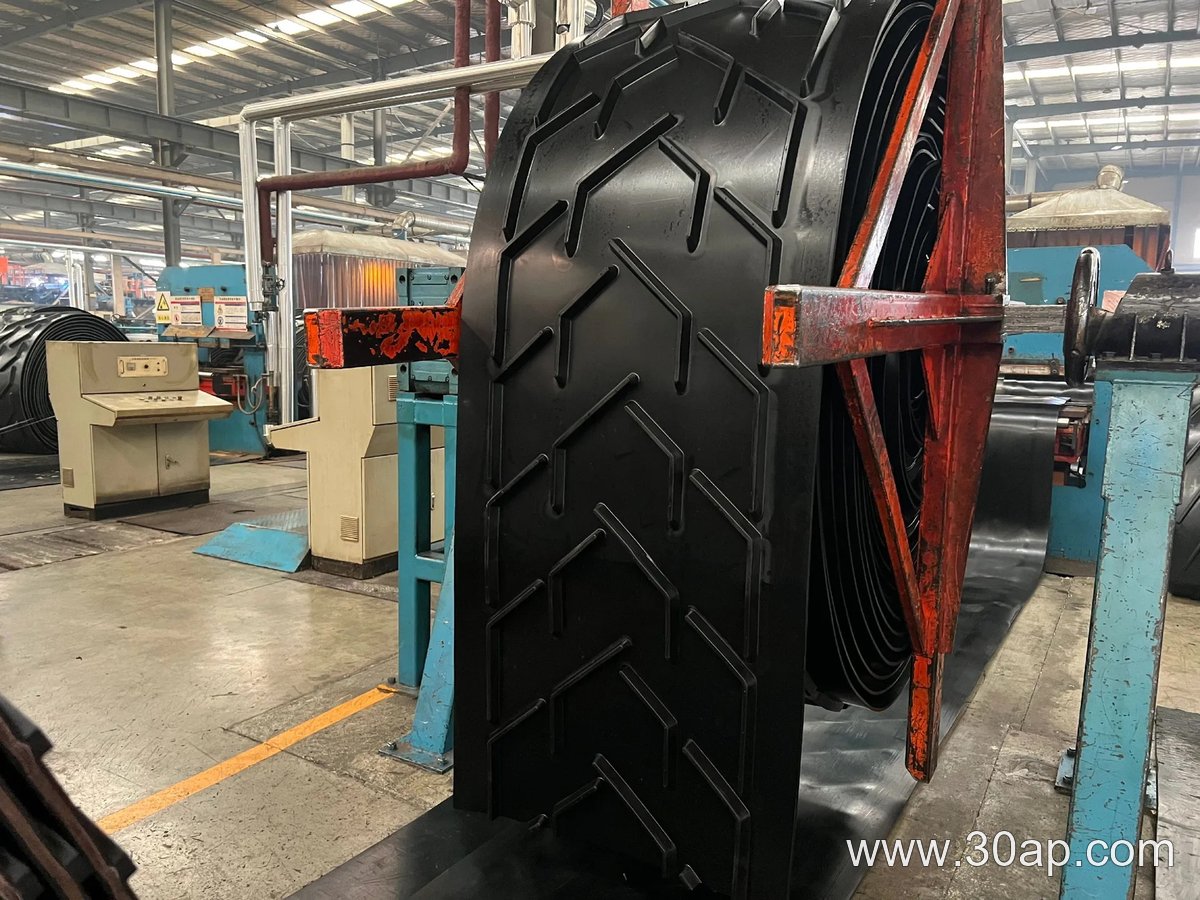
Surface forms are selected for the job. A smooth cover releases products well; a matt or textured finish gives extra grip; and a cleated or sidewall profile helps on inclines. Some belts are made with a low-friction back for slider-bed conveyors, while others are made for positive-drive sprockets. The correct choice depends on the load, the pulley diameters and the way the belt is supported.
Typical Applications
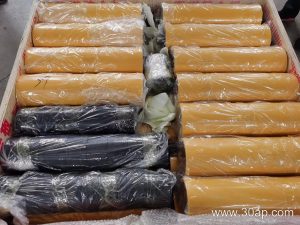
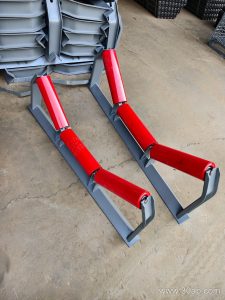
These belts appear in distribution centers, airports, postal sorting rooms, bottling plants, bakeries and light manufacturing. Common duties include moving cartons, parcels, plastic parts, printed sheets, packaged food and small components. In many of these lines the belt runs over a slider bed rather than on idler rollers, although a conveyor with idler roller support is also possible when the belt is designed for it.
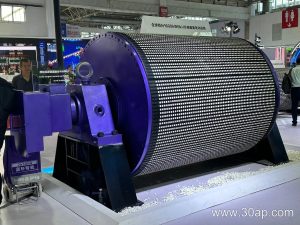
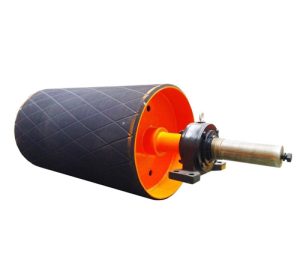
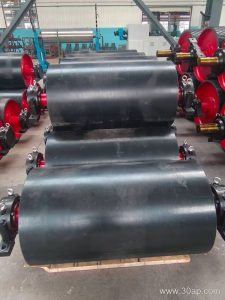
When the line has a drive pulley, a tail pulley and one or more bend pulleys, the belt must be flexible enough to wrap those pulleys without cracking. A conveyor pulley with a small diameter demands a thinner and more flexible belt than a large drum. For this reason, belt thickness and carcass type should be matched to the pulley set, not selected on width alone.
Key Parameters Buyers Should Compare
The table below lists reference data that often appears on PVC belt datasheets. Values are typical ranges, not fixed supply promises, and each manufacturer may differ.
- Belt width: B500, B650, B800, B1000, B1200
- Cover thickness: 3+1.5 mm, 4+2 mm, 5+2 mm
- Carcass layers: usually 2 to 6 plies, depending on the design
- Surface: smooth, matt, textured, cleated, sidewall
- Properties: antistatic, flame-retardant, oil-resistant, wear-resistant, low-temperature
Width is only one part of the specification. The tensile class, cover grade, surface pattern, joint type and minimum pulley diameter all affect performance. A wider belt does not automatically require a larger pulley, and a given belt width does not dictate one shaft diameter. Those dimensions come from the conveyor design, the load and the drive arrangement.
Selection and Maintenance Notes
Start with the product being carried, the throughput, the incline and the ambient conditions. A light parcel line may run a thin two-ply belt with a smooth cover, while an oily metal-parts line may need an oil-resistant grade and a more robust carcass. If the belt will run on a slider bed, check the back cover friction; if it will run on idler rollers, confirm the belt can track straight under changing loads.
Tracking is the most common field issue. Check that the drive pulley, tail pulley and bend pulleys are parallel and square, and that the conveyor bracket and frame are level. Worn idler rollers or a misaligned conveyor pulley can pull a new belt to one side within hours. Joint quality also matters: a poorly welded or mechanically fastened joint can cause a bump at every revolution.
Cleaning should follow the belt maker’s advice. Mild soap and water are usually enough for PVC surfaces, while aggressive solvents may soften the cover. Keep the belt tension within the manufacturer’s range, inspect edges for cuts, and replace the belt before a small nick grows into a full-width tear.
For a reliable result, treat the PVC conveyor belt as part of a system. Match it to the pulleys, the support method, the load and the environment, and keep the specification on file so replacement belts stay consistent.