What a Power Plant Conveyor Idler Does
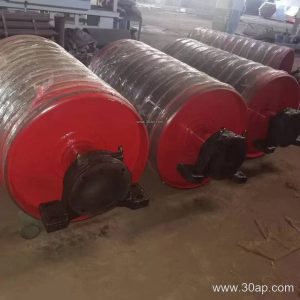
A power plant conveyor idler is the rotating support that carries the conveyor belt along the coal handling path, from the receiving hopper to the boiler feed or stockpile. In a coal-fired station, these idlers sit under a continuous stream of coal, dust, and sometimes ash, so the roller must rotate freely, resist abrasion, and keep the belt tracking straight. The same component is often called a belt conveyor roller or carrying idler, and it works together with the conveyor pulley, conveyor bracket, and the belt itself to keep material moving without spillage.
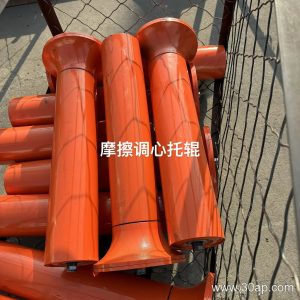
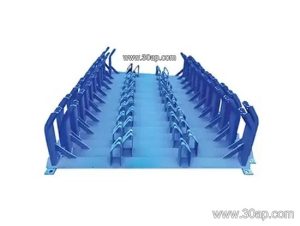
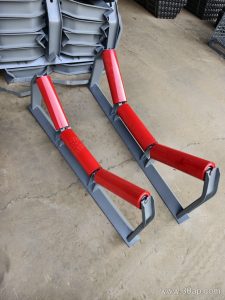
On a typical coal handling conveyor, the idler is not a single part but a family. Troughing idlers form the belt into a channel, return idlers support the empty side, and impact idlers absorb the shock where coal drops onto the belt. Each position asks something different of the roller, which is why a power plant usually keeps several types in its maintenance store.
How the Idler Is Built
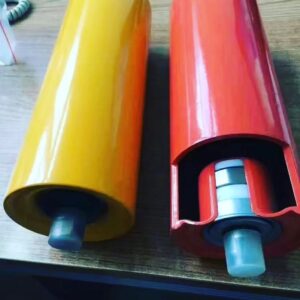
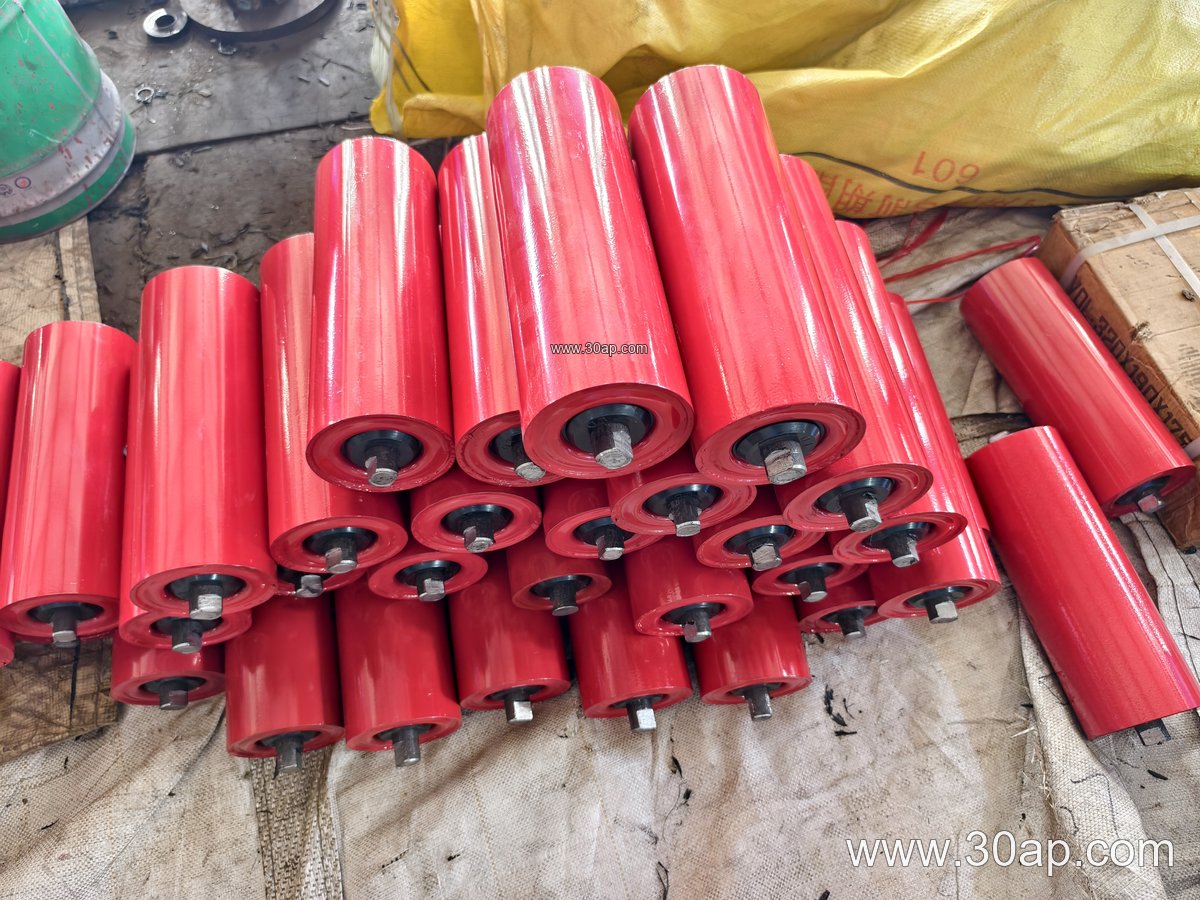
The basic structure is simple but precise. A steel tube shell is fitted over a shaft, with bearing housings at each end and a sealing arrangement to keep dust out. Common shell materials include steel, nylon, ceramic, and rubber rings for cushioning. Bearing sizes such as 6205, 6305, 6306, 6308, or 6310 appear across the range, and the correct match depends on load and speed rather than on belt width alone.
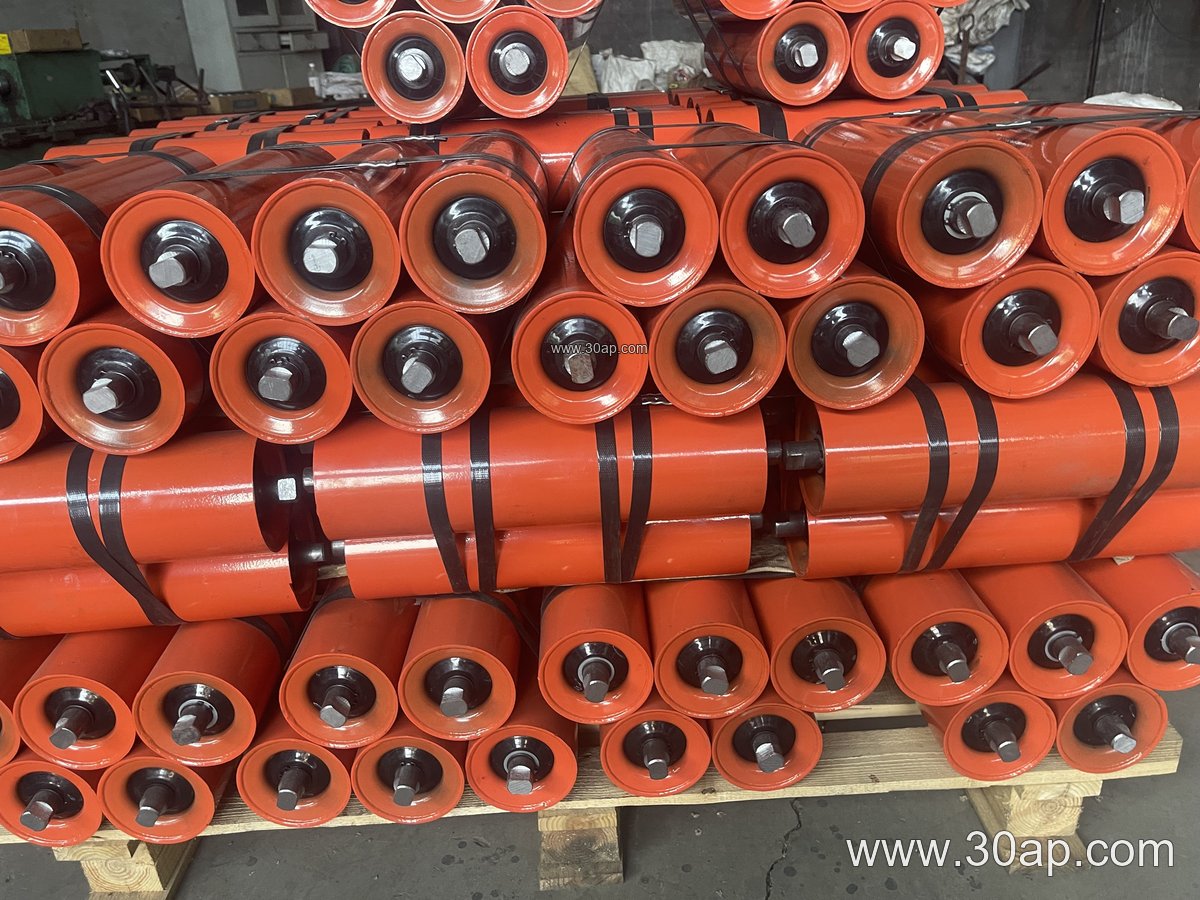
Common roller diameters run from Ø63 and Ø76 for small belts up to Ø159, Ø178, Ø194, and Ø219 for heavy-duty positions. The idler length is set by belt width, trough angle, and the number of rolls in the set. For a three-roll troughing set, typical roll lengths are around 200 mm for B500, 250 mm for B650, 315 mm for B800, 380 mm for B1000, 465 mm for B1200, 530 mm for B1400, 600 mm for B1600, 670 mm for B1800, and 750 mm for B2000. These are common examples only; side rolls and center rolls can differ, and the final length is confirmed by design.
| Item | Common Range | Notes |
|---|---|---|
| Roller diameter | Ø63 to Ø219 | Selected by load and belt speed |
| Belt width | B400 to B2400 | Length follows belt and trough form |
| Trough angle | 20°, 30°, 35°, 45° | Affects material cross-section |
| Bearing | 6204, 6205, 6305, 6306, 6308, 6310 | Matched to duty, not fixed to one size |
| Shell surface | Steel, nylon, ceramic, rubber ring | Rubber rings used for impact zones |
Where It Fits in the Coal Path
In a power plant, the coal handling system usually starts at a wagon tippler or ship unloader and runs through crushers, transfer towers, and bunkers. Troughing idlers support the loaded belt on the main runs, while return idlers and V-return idlers hold the empty side. At transfer points, rubber-ring impact idlers protect the belt from lump coal falling several meters. Transition idlers ease the belt from flat to troughed shape near pulleys, reducing edge stress.
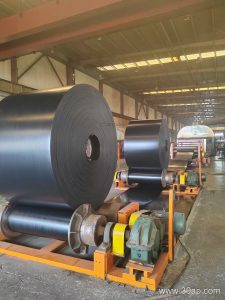
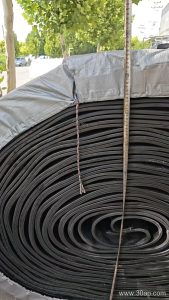
The belt itself matters too. A heat resistant conveyor belt may be needed near boiler areas, while a flame retardant conveyor belt is common in underground or enclosed coal galleries. Where coal is abrasive, an abrasion resistant conveyor belt pairs well with ceramic or steel idlers. In dusty sections, anti-static conveyor belt grades help control static build-up. The idler and belt are chosen as a system, not in isolation.
What a Buyer Should Check
- Confirm the trough angle and roll length for each belt width, and check whether a two-roll or three-roll set is used.
- Ask for the bearing size and seal type, since dust ingress is the main cause of seized rollers in coal service.
- Match the roller surface to the duty: rubber rings at impact points, ceramic or nylon where build-up is a problem.
- Review the shaft and housing finish, because a rough shaft shortens bearing life.
- Check that the idler frame and conveyor bracket fit the existing stringer spacing before ordering.
For plants that also handle limestone, biomass, or ash, the same idler family applies, but the belt grade may change. A quarry conveyor belt or aggregate conveyor belt may suit the yard, while a cement conveyor belt handles clinker and limestone. The key is to keep the idler specification tied to the actual load, speed, and environment rather than to a single nominal belt width.
Maintenance and Long-Term Reliability
Idlers are wear parts, and a power plant usually tracks them by position. A roller that stops turning will flat-spot the belt and raise drive load. Regular checks for noise, wobble, and dust leakage catch most failures early. Keeping a small stock of the most common diameters and lengths, plus the right bearings, reduces downtime during a bunker demand period. When replacing a roller, confirm the shaft end and bracket type so the new unit seats correctly.
Good idler practice is not complicated: correct trough form, free rotation, and clean sealing. Get those right, and the coal keeps moving from the yard to the boiler with fewer stoppages.