What the Return Idler Does on a Conveying Line
A belt conveyor return idler is the roller set mounted under the carrying belt on its way back to the tail end. While the upper troughing idlers carry the loaded belt, the return idler supports the empty strand and keeps it from sagging between the head and tail. In a quarry, a coal handling system, or a cement plant, the lower run is easy to overlook, yet it accounts for a large share of the belt’s contact points and rotating parts.
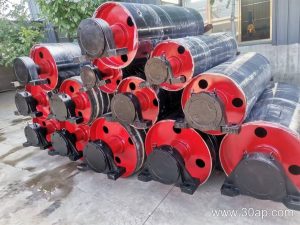
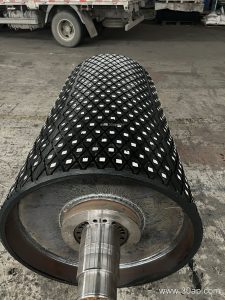
The product is often called a lower idler or return roller, and those are accurate equivalents for the same item. It is not a drive pulley, a tail pulley, or a bend pulley; those are conveyor pulleys that transmit motion or change belt direction. The return idler only supports and guides the belt, so the two families should not be mixed when specifying a conveyor.
Construction and Common Forms
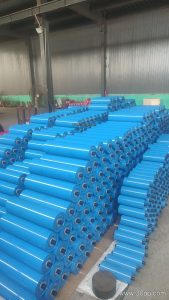
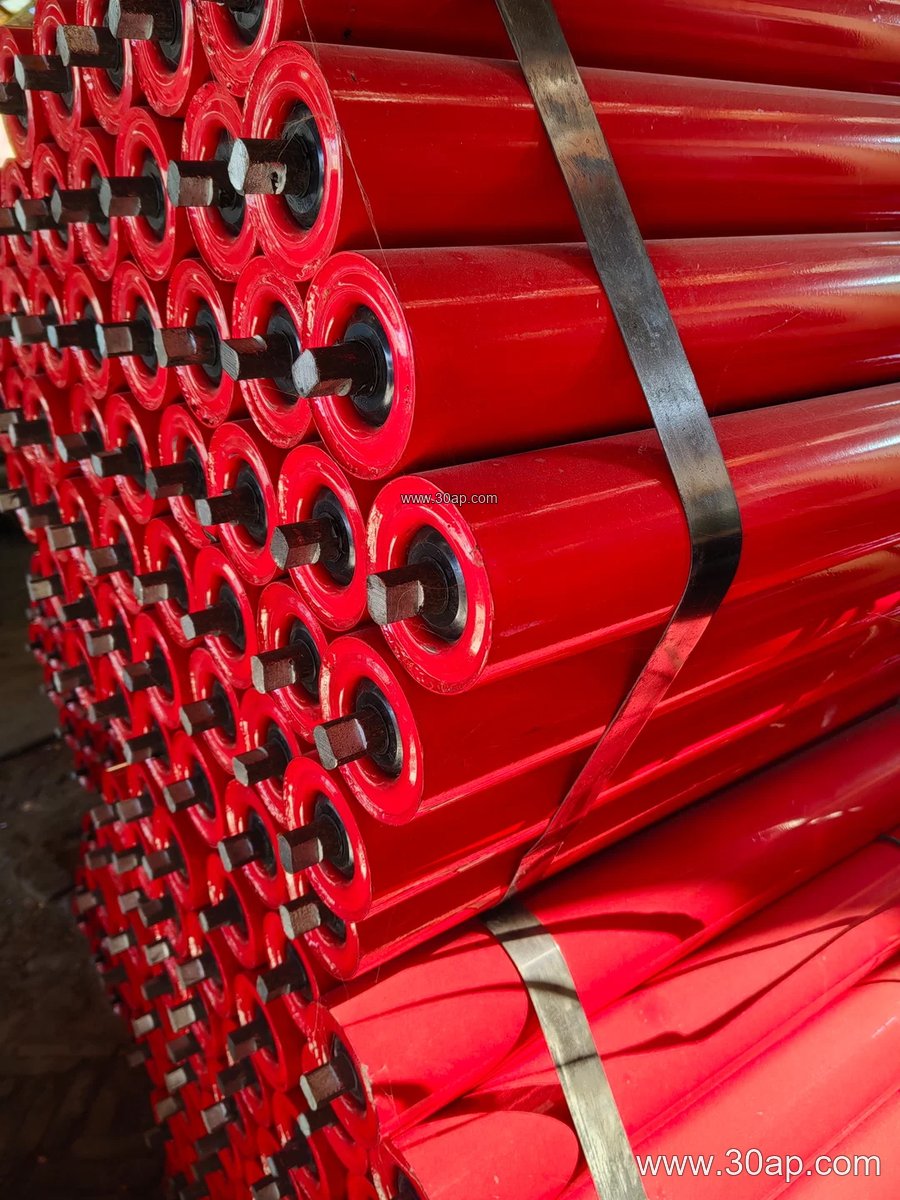
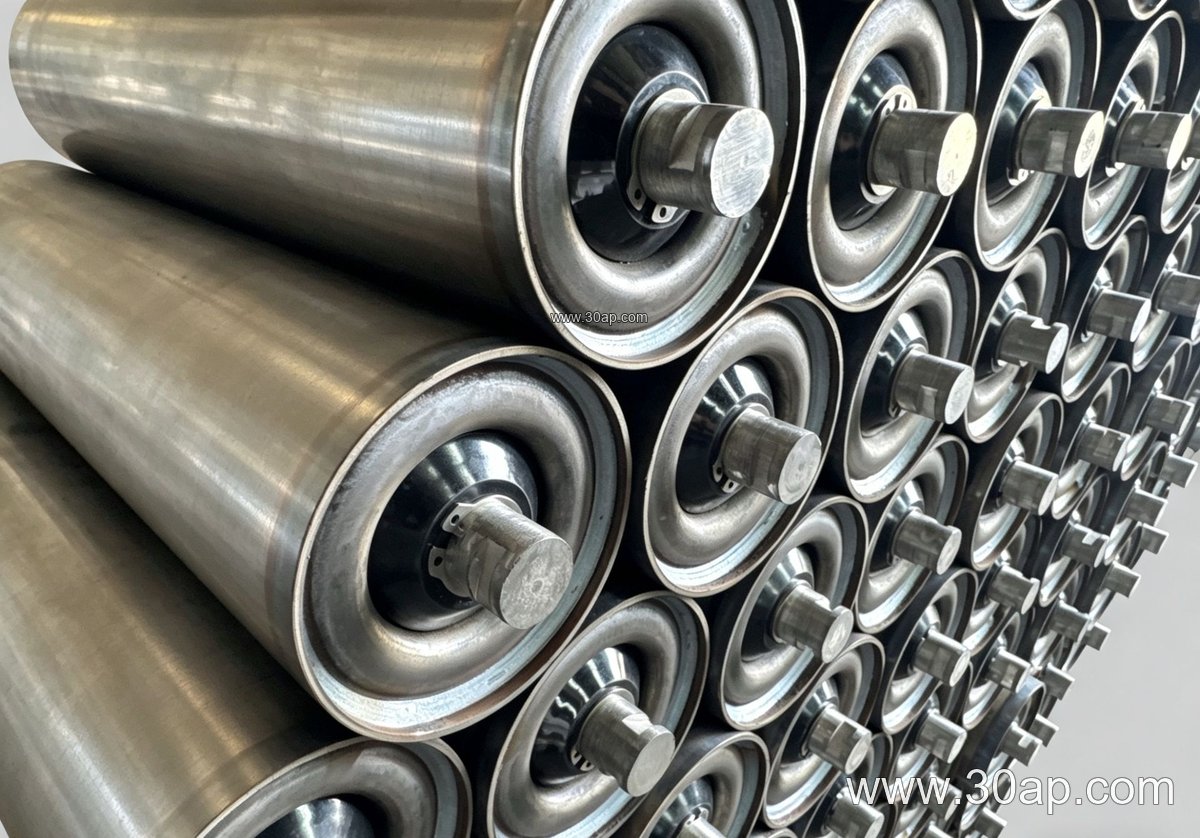
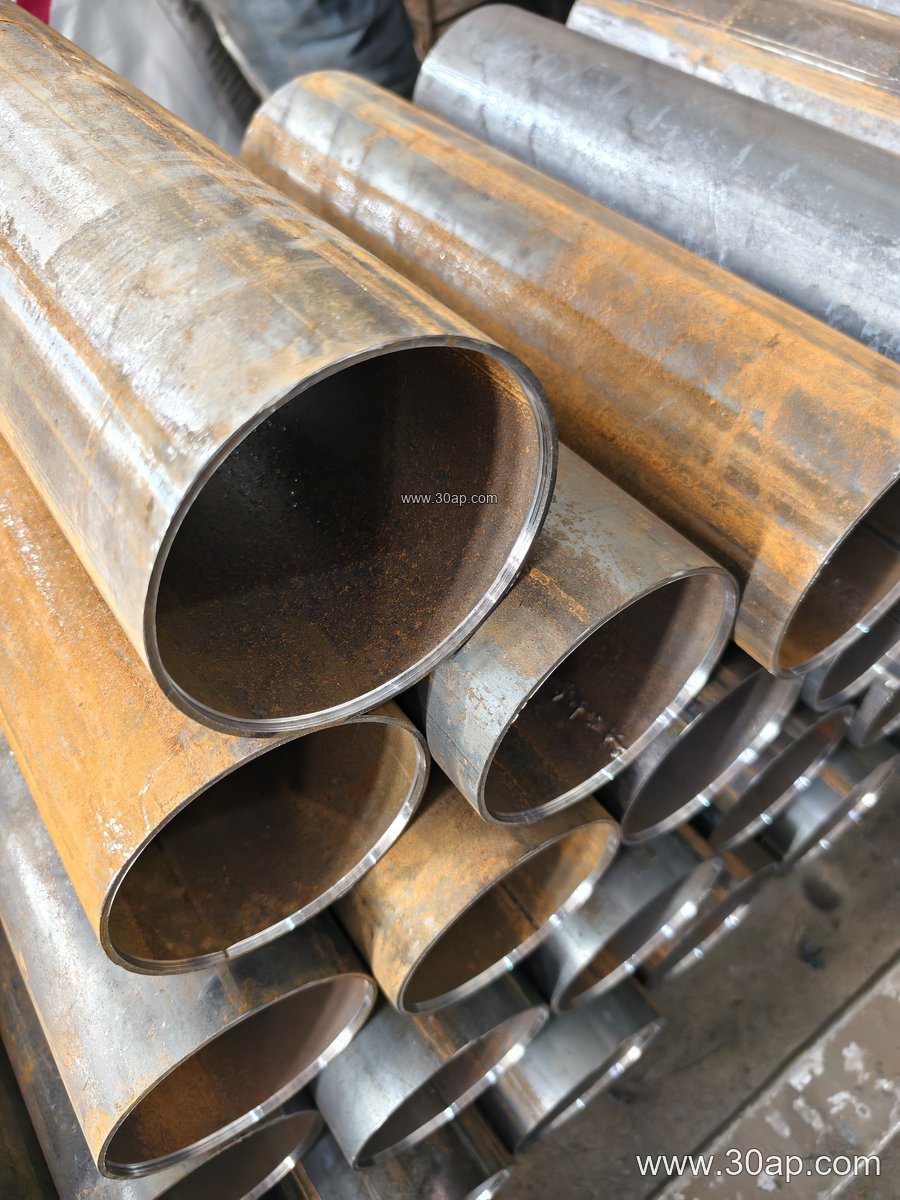
A typical unit consists of a steel tube shell, a shaft running through the centre, bearing housings at each end, and a sealing arrangement to keep dust and moisture out. Roller surfaces may be plain steel, nylon, ceramic-coated, or fitted with rubber rings. Common bearing sizes include 6204, 6205, 6305, 6306, 6308, and 6310, and the choice is normally matched to load and speed rather than to tube diameter alone.
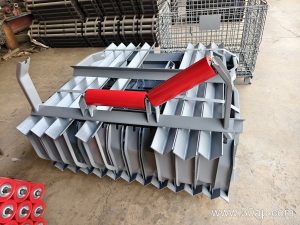
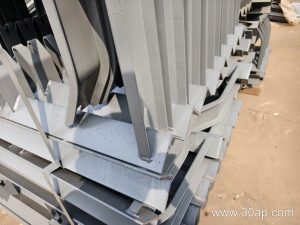
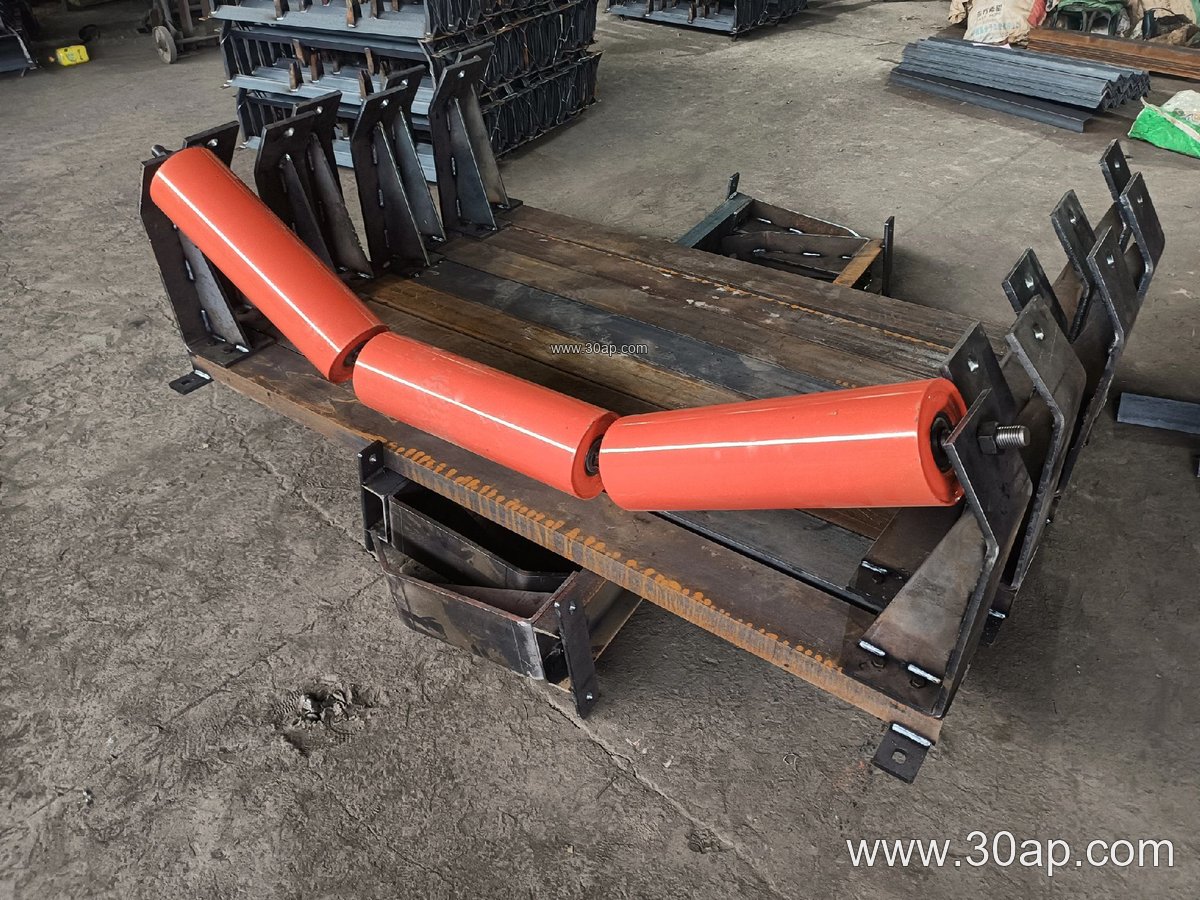
Two arrangements dominate. The flat return idler uses a single roller across the belt width, while the V-type return idler uses two rollers set at an angle to centre the belt and reduce edge wander. Spiral and rubber-disc variants are also used where sticky material builds up on the belt surface. The rollers sit in conveyor brackets or frames that are bolted to the conveyor stringers, so the bracket spacing and the mounting height matter as much as the roller itself.
Indicative Roller and Belt References
The table below shows reference values that appear in general practice. They are not a fixed match and every conveyor should be confirmed by its own design.
- Roller diameter options: Ø63, Ø76, Ø89, Ø102, Ø108, Ø127, Ø133, Ø159, Ø178, Ø194, Ø219 mm
- Belt width range: B400, B500, B650, B800, B1000, B1200, B1400, B1600, B1800, B2000, B2200, B2400
- Typical three-roll troughing lengths for reference: about 200 mm at B500, 250 mm at B650, 315 mm at B800, 380 mm at B1000, 465 mm at B1200, 530 mm at B1400, 600 mm at B1600, 670 mm at B1800, 750 mm at B2000
Return roller length is not derived from belt width by a single formula, and side rollers in a V set can differ from a single flat roller. A 1200 mm wide belt, for example, may be supported by a flat roller or by a V set, depending on belt training requirements.
Where Return Idlers Are Used
These rollers appear wherever a conveyor belt runs in a closed loop. In a limestone mine or aggregate crushing line they support the returning strand beneath the primary crusher discharge. In a power plant coal yard they keep the empty belt clear of the ground and reduce spillage along the return run. Similar duties apply in iron ore handling, sinter plants, and port ship-loading systems where long conveyors run for many hours a day.
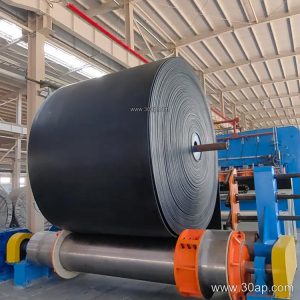
The belt itself influences the choice. An abrasion resistant conveyor belt carrying sharp rock may justify a heavier roller shell, while a flame retardant conveyor belt in an underground coal mine calls for components that suit the same safety environment. A steel cord conveyor belt on a long overland route usually needs closely spaced return support to limit sag.
Buyer Checklist
- Confirm the roller diameter, shaft ends, and bearing size against the existing frame, not just the belt width.
- Check whether the line uses flat return idlers or V-type sets, and keep the same mounting centres.
- Review sealing and surface type for dusty, wet, or sticky conditions.
- Ask how roller concentricity and balance are controlled, since vibration shortens bearing life.
- Plan inspection intervals so worn rollers are replaced before they damage the belt edge.
For related components, buyers often compare the return roller with the conveyor pulley at the head and the idler roller sets on the carrying side, and check that the conveyor belt and conveyor bracket dimensions line up with the frames already on site.