What a Dustproof and Waterproof Idler Does
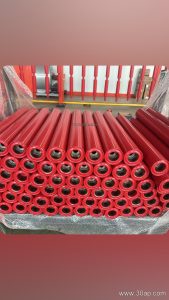
A dustproof and waterproof idler is a carrying or return roller built with a sealed bearing housing that keeps fine dust, grit, and moisture away from the bearing cavity. In a quarry, a coal washing plant, or a cement plant, the conveyor often runs through mist, washdown spray, or airborne powder, and an ordinary roller can lose grease and seize within months. The sealed idler roller protects the bearing with labyrinth rings, lip seals, or a combination of both, so rotation stays smooth even when the belt surface is damp or coated with fines.
This protection matters because the idler is one of the most numerous components on a conveyor. A single long overland line may carry hundreds of rollers, and each one that stops turning becomes a flat spot on the conveyor belt and a drag on the drive. Choosing a sealed roller in wet or dusty service is a maintenance decision as much as a component choice.
How the Sealing Arrangement Is Built
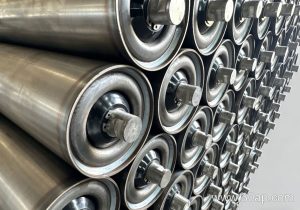
The usual construction starts with a steel tube shell, machined bearing seats at both ends, and a shaft that passes through the roller body. Bearings such as 6204, 6205, 6305, 6306, 6308, or 6310 are common, and the correct bearing size is matched to the roller diameter and load rather than to belt width alone. Outside the bearing, a multi-stage seal is fitted: a rotating labyrinth ring, a stationary cover, and a rubber lip that wipes the shaft. Some designs add a grease-filled chamber so that any dust entering the first gap is pushed out during rotation.
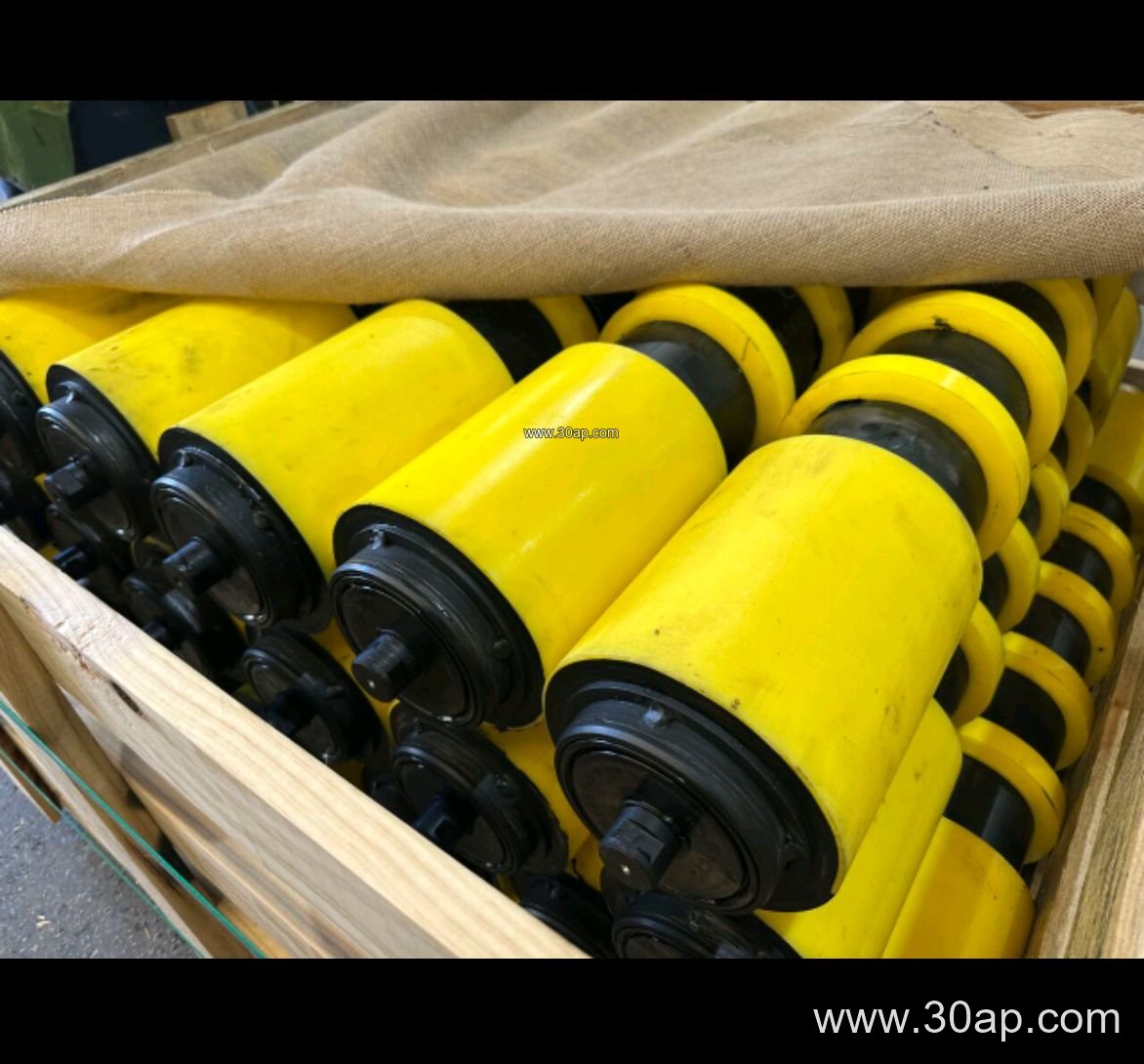
The shell surface can be plain steel, nylon, ceramic, or rubber rings depending on the duty. Rubber rings are useful at transfer points where impact is heavy, while a ceramic or nylon face helps in abrasive slurry conditions. The shaft ends are usually flattened or fitted with a special bracket so the roller locks into the conveyor bracket without turning.
Where Sealed Rollers Fit in the Conveyor
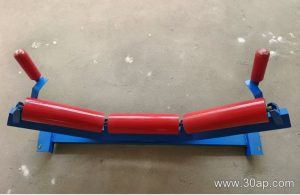
Sealed idlers appear in troughing sets, return sets, and transition positions. A three-roll troughing set with 20, 30, 35, or 45 degree trough angle is typical on a bulk material conveyor belt, and the same sealing is used on the side rollers and the center roller. Return rollers, including flat and V-type return sets, also benefit because water collects on the return strand in open plants.
Typical service locations include:
- Washdown zones in aggregate and sand plants
- Coal handling and washing circuits where fines and spray are present
- Cement and lime plants with fine alkaline dust
- Power plant coal yards exposed to rain
- Tunnel spoil lines with groundwater drip
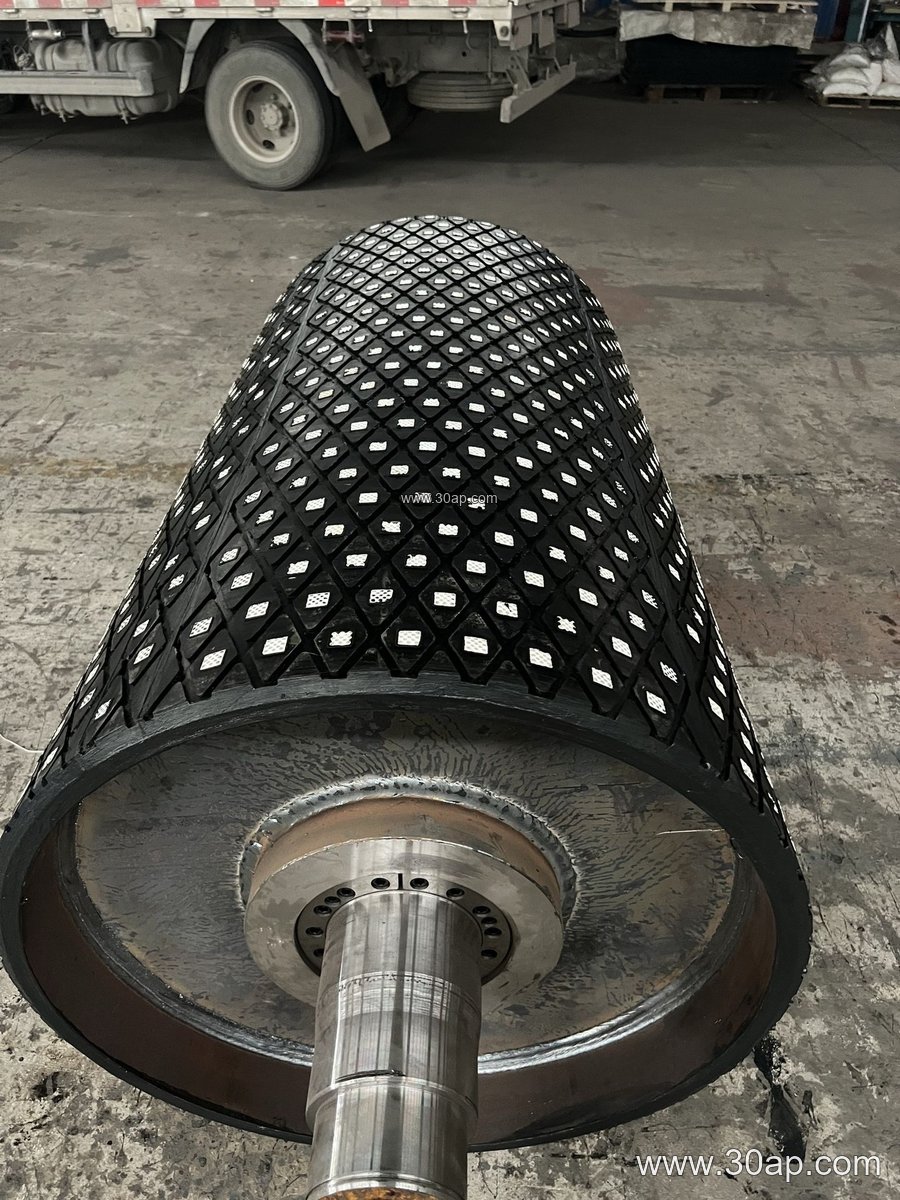
In these places the roller works alongside the conveyor pulley, the frame, and the belt. Drive, tail, and bend pulleys are separate components and are not interchangeable with idlers; a sealed idler does not replace a pulley, and a pulley does not replace a roller.
Common Size Ranges for Reference
The table below shows typical reference values. These are examples for discussion, not fixed matches, and final selection depends on load, speed, and frame design.
| Parameter | Common reference values |
|---|---|
| Roller diameter | Ø63, Ø76, Ø89, Ø102, Ø108, Ø127, Ø133, Ø159, Ø178, Ø194, Ø219 mm |
| Belt width | B400, B500, B650, B800, B1000, B1200, B1400, B1600, B1800, B2000 mm |
| Trough angle | 20°, 30°, 35°, 45° |
| Roller length, three-roll set (example) | About 200 mm at B500, 250 mm at B650, 315 mm at B800, 380 mm at B1000, 465 mm at B1200, 530 mm at B1400, 600 mm at B1600 |
| Bearing | 6204, 6205, 6305, 6306, 6308, 6310 |
| Surface form | Steel tube, nylon, ceramic, rubber ring |
Side rollers and center rollers in the same set can differ in length, so the figures above are only a starting point. A 1200 mm wide belt does not automatically dictate one shaft diameter, and one belt width can be served by more than one pulley diameter in the drive station.
Buyer Checklist
Before ordering, confirm the belt width, the trough angle, the roller diameter, and the mounting bracket type. Ask how the seal is structured, whether the bearing is greased for life or relubricable, and whether the shell is plain steel or coated. For abrasive ore lines, a rubber ring or ceramic face may extend service life; for a food or clean process line, a smooth sealed roller is easier to wash. If the conveyor carries a heavy-duty mining conveyor belt or a steel cord conveyor belt under high tension, check that the roller load rating suits the belt weight and material load.
Also consider the environment: salt air at a port, acid mist in a fertilizer plant, or fine dust in a crushing circuit each put different demands on the seal. A dustproof and waterproof idler is not a single universal product; it is a family of sealed rollers that should be matched to the site. Keeping a small stock of common diameters and bearing sizes helps reduce downtime when a roller fails.