What a Fixed Conveyor Bracket Does
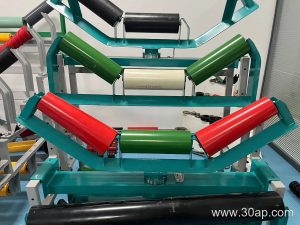
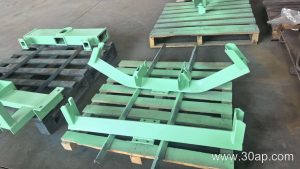
A fixed conveyor bracket is the stationary support that holds idler rollers at a set position and angle along a conveyor frame. Unlike adjustable designs, it is bolted or welded in place with a predetermined trough angle, so the belt path stays consistent from one support station to the next. In a quarry, a coal handling system, or a cement plant, this kind of bracket keeps the carrying side of the belt in a stable profile and limits unnecessary movement of the rollers.
The bracket works together with the conveyor belt, the idler roller, and the surrounding conveyor bracket assemblies. Its job is simple but important: transfer the load from the rollers into the frame and keep the belt supported at the intended angle.
How It Is Built
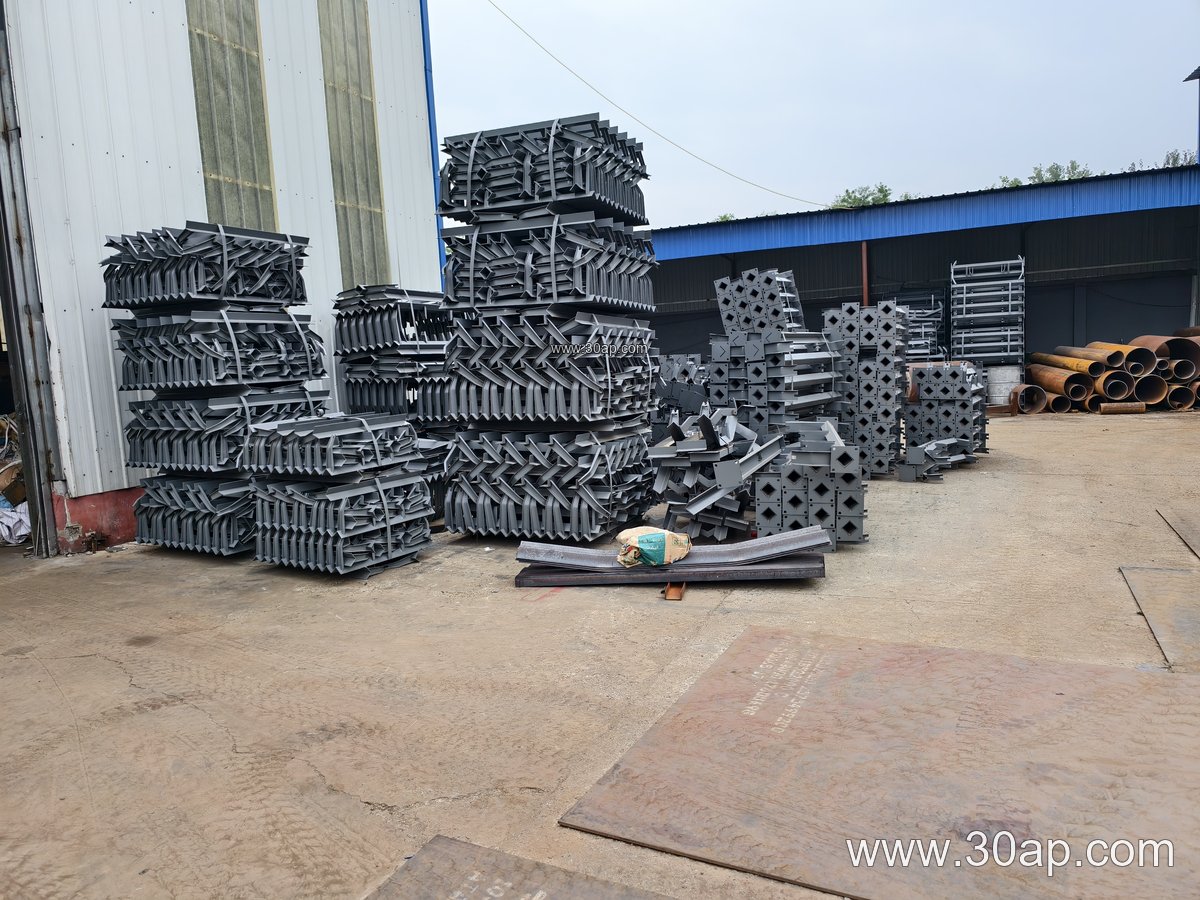
Most fixed brackets are fabricated from angle steel, channel steel, or folded steel plate. The material choice depends on the load, the belt width, and the environment. A bracket for a B800 conveyor in a sand and gravel line is usually lighter than one serving a B1800 belt at an iron ore transfer point.
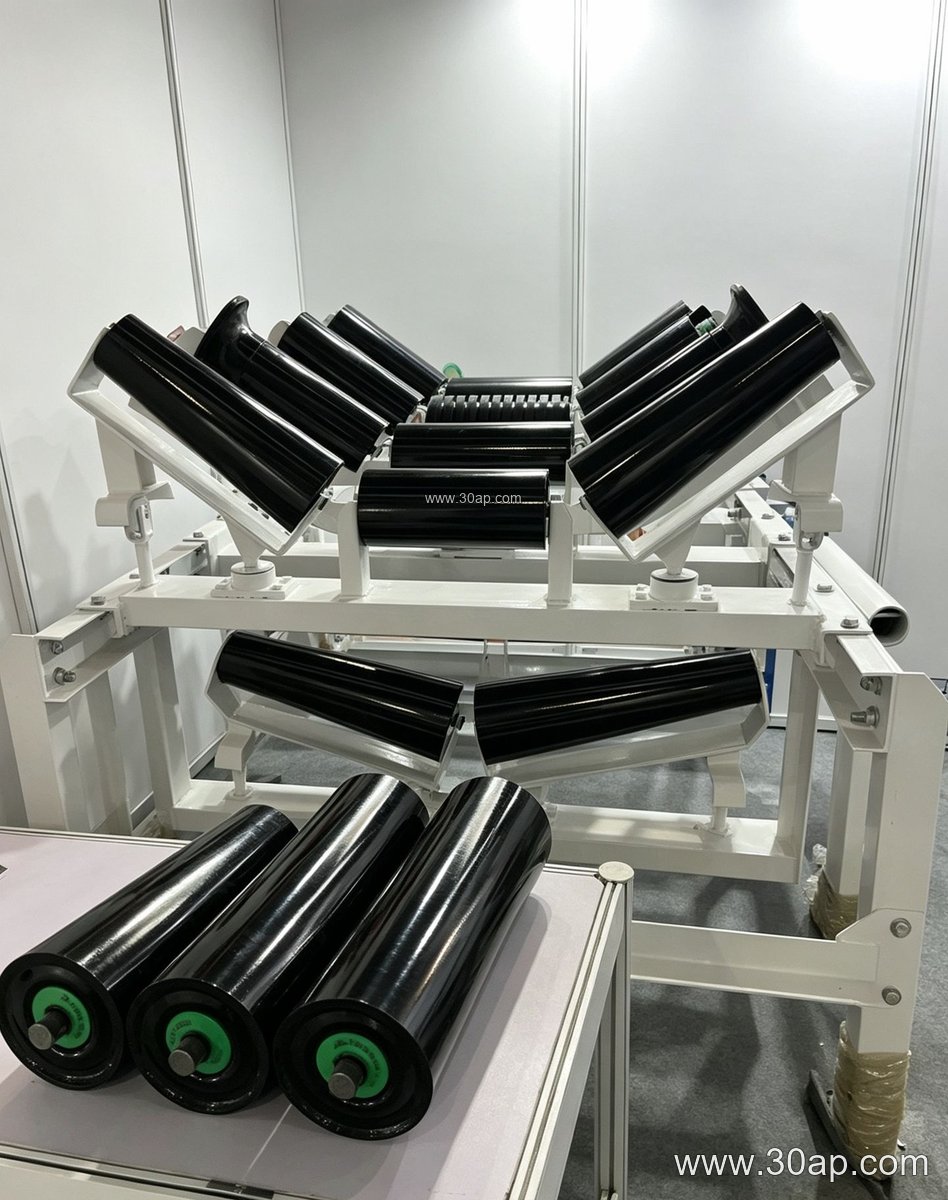
Typical construction details include:
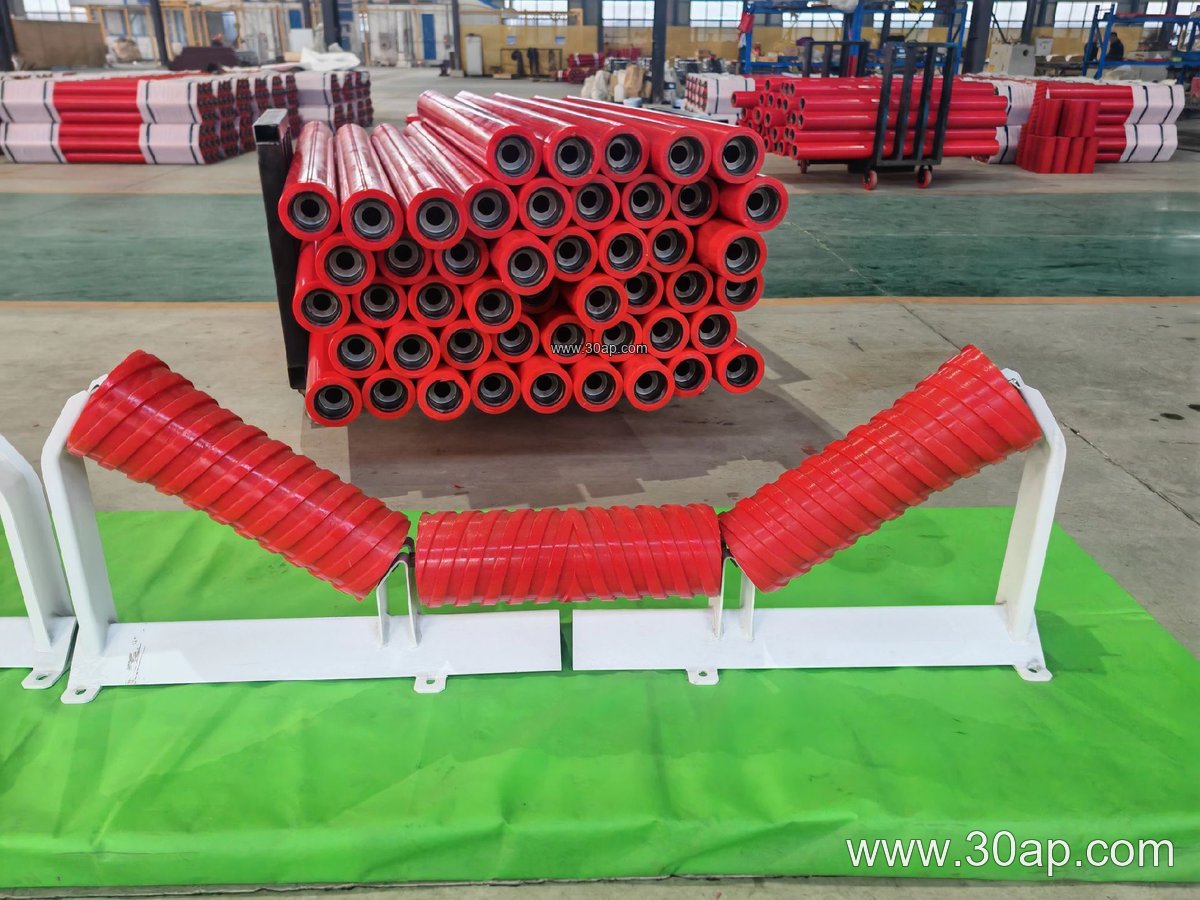
- Welded or bolted cross beams that span the conveyor frame
- Mounting slots or holes positioned for the idler roller shaft
- Fixed angle seats that set the trough angle of the carrying rollers
- Reinforced contact points where the roller load is highest
Because the bracket is fixed, the hole spacing and beam length are determined by belt width and trough angle at the design stage. They are not universal numbers, so a replacement bracket should always be checked against the actual frame and roller arrangement.
Common Forms and Where They Sit
Fixed brackets appear in several positions along a conveyor. Trough brackets support the carrying rollers on the upper run. Return brackets hold the lower rollers, and V-return brackets are used where belt tracking on the return side needs extra guidance. Impact brackets may sit below a loading point to support buffer rollers, while transition brackets ease the belt from a flat pulley into a troughed profile.
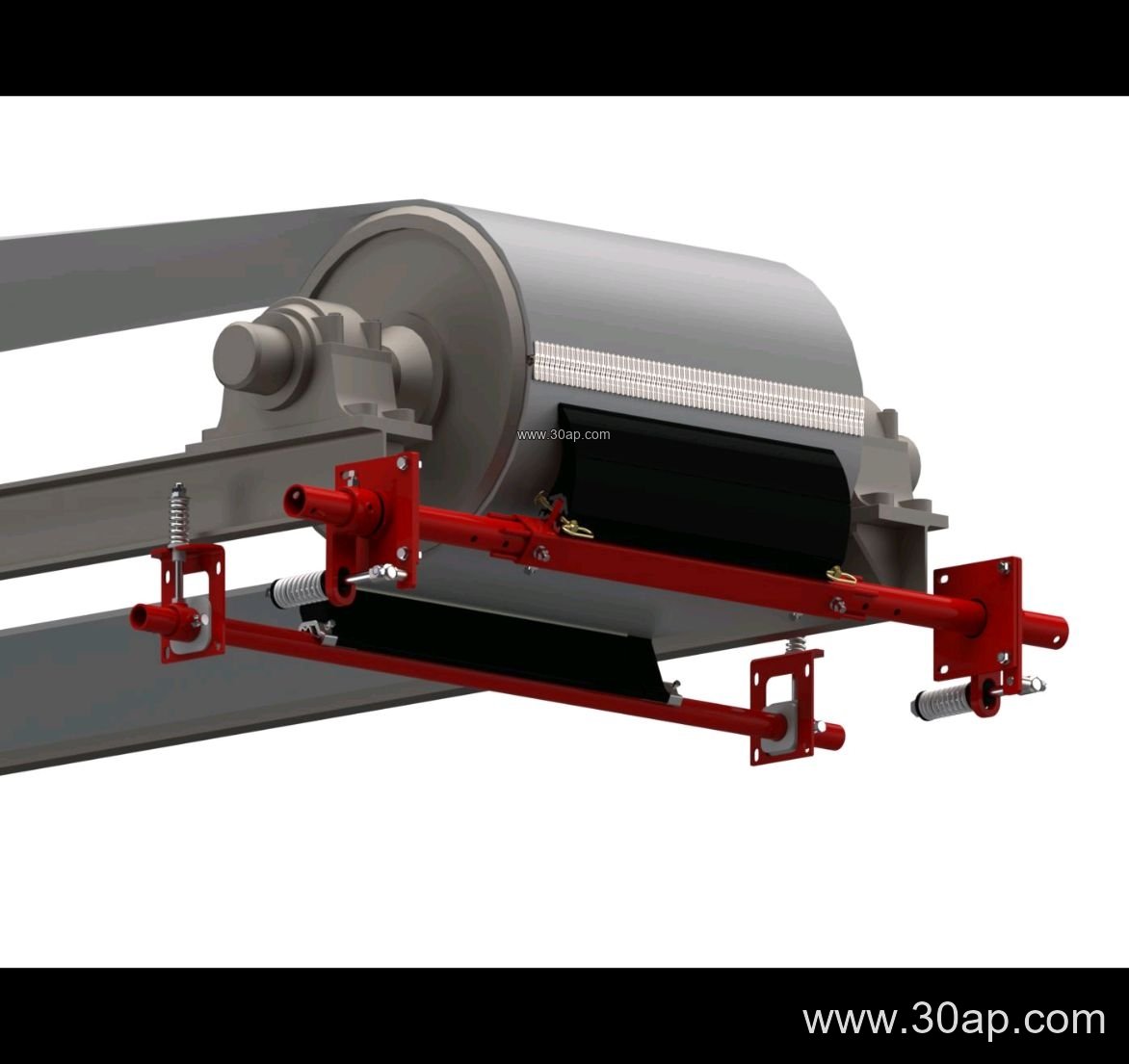
In a coal mining conveyor or a power plant coal yard, fixed trough brackets are often paired with a flame retardant conveyor belt and heavy-duty idlers. In a limestone crushing line, similar brackets carry an abrasion resistant conveyor belt through dusty, high-wear conditions.
Matching Bracket, Belt Width, and Roller Diameter
Belt width, trough angle, and roller diameter are selected together, but they are not locked into a single combination. A B650 frame might run 30 degrees with Ø89 rollers, while a B1200 conveyor could use 35 or 45 degrees with Ø133 rollers. The table below shows common reference values, not mandatory matches.
| Belt Width | Common Trough Angle | Common Roller Diameter | Typical Use |
|---|---|---|---|
| B500 | 20–30 degrees | Ø89 | Small aggregate lines |
| B650 | 30 degrees | Ø89–Ø108 | Sand and gravel conveyors |
| B800 | 30–35 degrees | Ø108 | Cement plant feed lines |
| B1000 | 35 degrees | Ø108–Ø133 | Coal handling, ore transport |
| B1200 | 35–45 degrees | Ø133 | Heavy bulk material duty |
| B1400 | 35–45 degrees | Ø133–Ø159 | Port and steel plant conveyors |
| B1600 | 35–45 degrees | Ø159 | Large mining conveyors |
| B1800–B2000 | 35–45 degrees | Ø159–Ø194 | High-capacity ore and coal systems |
For a belt running at a 35 degree trough, the bracket seat angle and roller shaft position must match the idler set. A fixed bracket should not be expected to change angle later; if adjustment is needed, an adjustable bracket is the correct choice.
Installation and Maintenance Notes
Correct alignment matters more than many buyers expect. A bracket that is twisted or mounted at the wrong height can cause the belt to drift, wear the roller edges, or overload one side of the frame. During installation, check that the cross beam is level, the mounting holes line up with the roller shaft, and the bracket is square to the conveyor centerline.
Routine checks should include bolt tightness, signs of corrosion, weld condition, and roller rotation. In a fertilizer plant or a grain silo, dust and moisture can accelerate corrosion, so painted or galvanized finishes are often preferred. In a steel plant or sinter line, heat and abrasive dust may call for heavier section steel and more frequent inspection.
What Buyers Should Confirm
Before ordering a fixed conveyor bracket, confirm the belt width, the required trough angle, the roller diameter, and the mounting hole pattern on the existing frame. Also state the material and surface finish, since a bracket for an underground coal mining conveyor may need different protection from one used in a dry aggregate yard. Ask for a dimension drawing and verify it against the idler roller and conveyor pulley layout. A bracket that fits the frame and the roller set will keep the belt supported and reduce downtime across the whole conveyor line.