What a Rubber Conveyor Belt Is
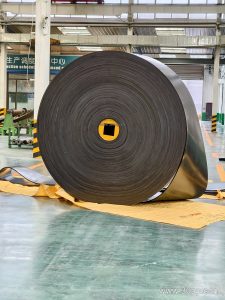
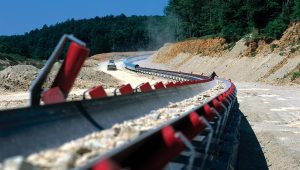
A rubber conveyor belt is the load-carrying component of a belt conveyor system. It forms an endless loop that travels over pulleys and idler rollers, moving bulk materials such as ore, coal, cement, aggregate, and sand. The rubber cover protects the fabric or steel cord carcass from abrasion, impact, moisture, and temperature extremes. In mining, coal preparation, cement plants, power stations, quarries, and ports, the belt is often the most critical wear part in the material handling line.
Buyers frequently search for a Rubber Conveyor Belt by application rather than by generic name. A quarry may need an abrasion resistant grade, a coal mine may require flame retardant properties, and a cement kiln area may call for heat resistance. The same product family includes many subtypes, each with its own cover compound and carcass construction.
Construction and Core Types
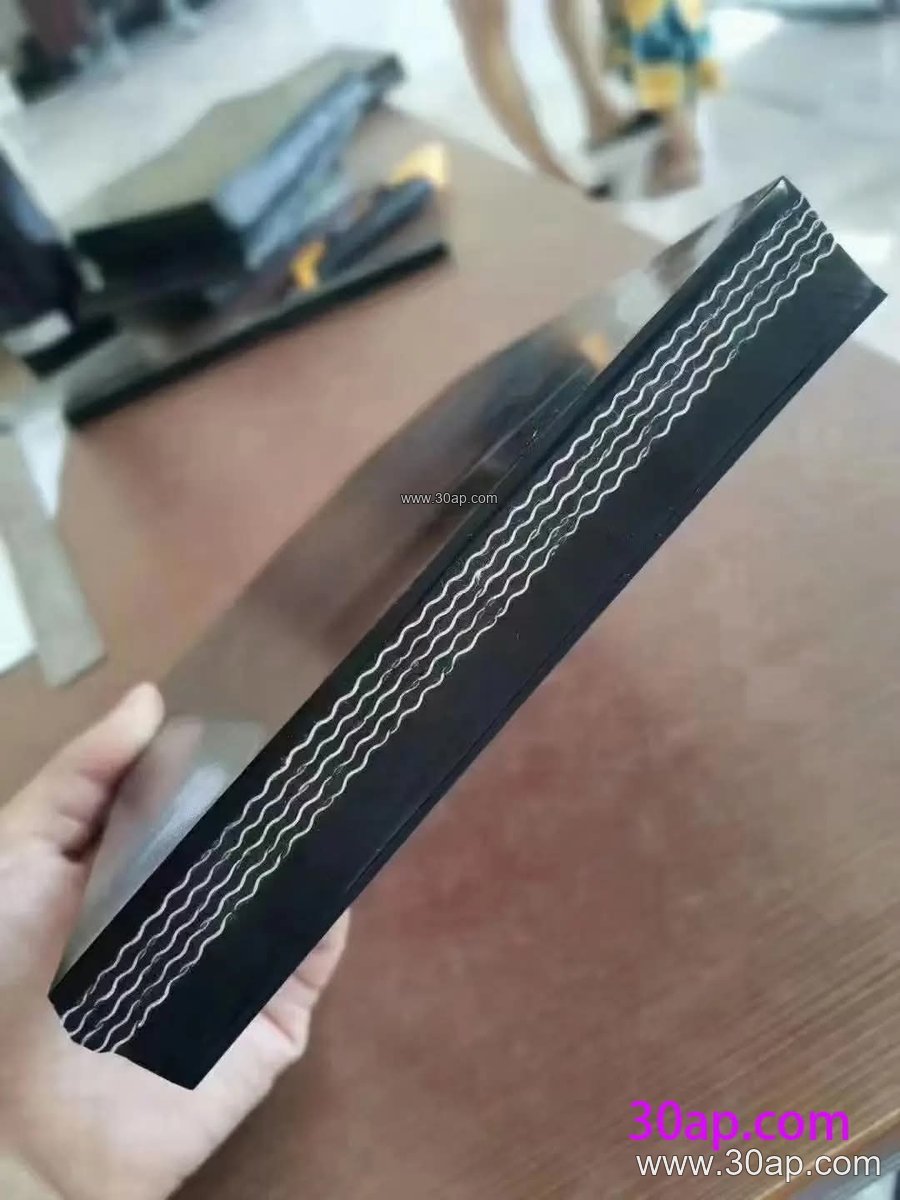
Most rubber belts consist of a top cover, a bottom cover, and a carcass. The carcass provides tensile strength and resistance to elongation. Common carcass options include multi-ply fabric, EP (polyester-cotton), NN (nylon-nylon), and steel cord. Fabric core belts are flexible and suited to moderate distances, while steel cord belts handle long centers and high tension. Cover thickness is usually stated as top cover plus bottom cover, for example 4+2 mm or 6+2 mm, with 3+1.5 mm and 8+3 mm also available depending on the duty.
Specialty constructions include Chevron Conveyor Belt for inclined conveying, corrugated sidewall belts for steep angles, and pipe conveyor belts that enclose the material to prevent spillage. Flame retardant and anti-static grades are common for underground coal mining, while oil resistant and acid resistant covers serve recycling and chemical plants.
Typical Specifications
Belt width and strength class are the first selection parameters. Widths commonly range from 500 mm to 2000 mm, with wider belts available for high-capacity ports and large mines. The table below shows reference values; actual supply depends on the manufacturer and the conveyor design.
| Parameter | Common Reference Range |
|---|---|
| Belt width | B500, B650, B800, B1000, B1200, B1400, B1600, B1800, B2000 |
| EP strength class | EP200, EP315, EP400, EP500, EP630, EP800, EP1000, EP1250, EP1600, EP2000 |
| Steel cord strength class | ST1000, ST1250, ST1600, ST2000, ST2500, ST3150 |
| Cover thickness | 3+1.5 mm, 4+2 mm, 5+2 mm, 6+2 mm, 8+3 mm |
| Fabric plies | 2 to 6 plies, depending on strength class |
These figures are not mandatory combinations. A 1200 mm wide belt may be built with different carcass strengths depending on the load and pulley diameter. Belt width alone does not determine shaft diameter or pulley size; those come from the conveyor design.
Matching the Belt to the Duty
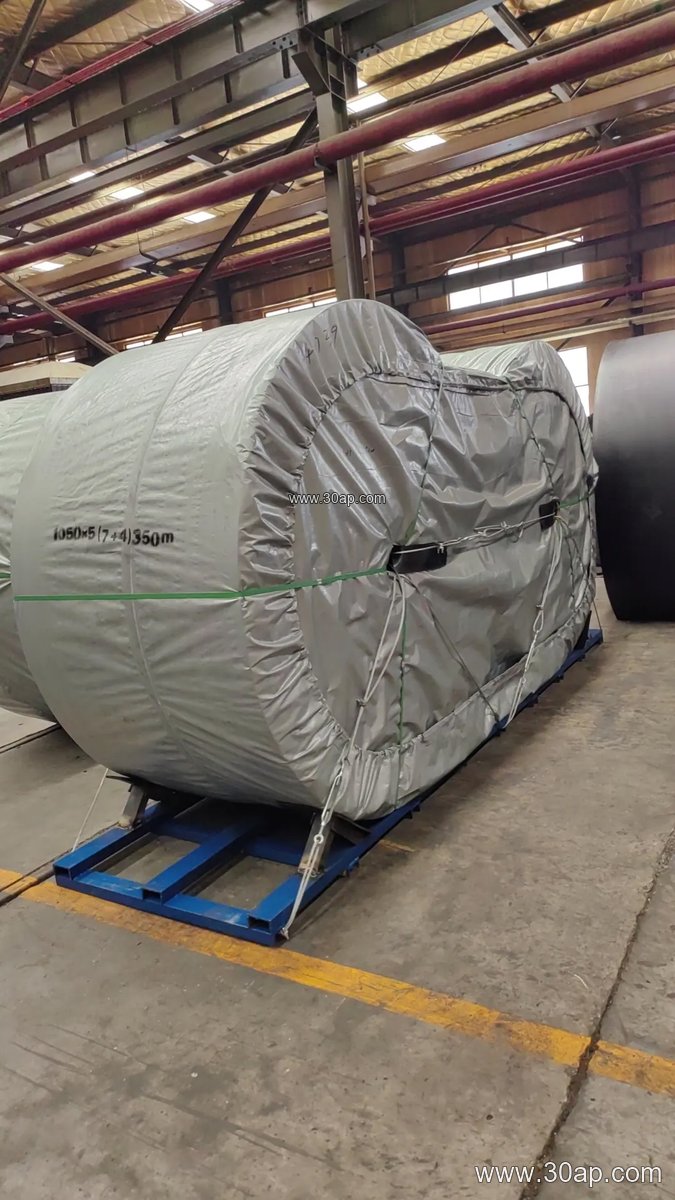
The operating environment drives cover compound selection. An Abrasion Resistant Conveyor Belt is typical for crushing circuits and quarry feed, where sharp rock shortens cover life. Heat resistant grades suit cement clinker and sinter handling. Oil resistant covers are used when the material contains residual oil or grease. Cold resistant compounds are needed in freezing climates, and flame retardant grades are specified for underground coal mining and other enclosed spaces.
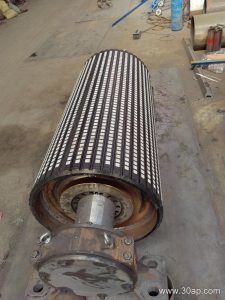
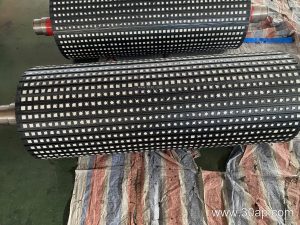
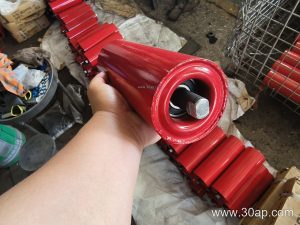
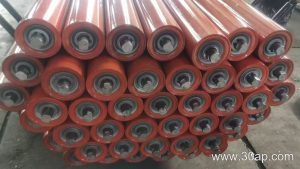
The conveyor structure matters too. Idler roller spacing, pulley diameter, and take-up travel all affect belt life. A belt that is too stiff for small pulleys may crack; a belt with insufficient strength will stretch and slip. The conveyor bracket and frame must also align with the belt width and trough angle.
Buyer Checklist
- Confirm material type, lump size, temperature, and moisture content.
- State the required belt width and strength class, such as EP1000 1200mm or ST1600 1400mm.
- Specify cover thickness and any special properties: flame retardant, anti-static, oil resistant, heat resistant.
- Check pulley diameters and idler roller spacing against the belt construction.
- Ask for the manufacturer’s recommended splice method and storage conditions.
- Review the belt’s compatibility with the existing conveyor pulley and bracket layout.
A Steel Cord Conveyor Belt is not automatically better than a fabric core belt; the choice depends on center distance, tension, and splice preference. For many plant conveyors, an EP or NN fabric belt offers easier installation and repair. For long overland or high-lift systems, steel cord construction may be the practical option.
Maintenance and Service Life
Regular inspection of the belt surface, edges, and splices prevents unplanned stops. Keep idler rollers turning freely and remove spillage that can cause misalignment. Check pulley lagging and ensure the belt tracks centrally. Store spare belts in a dry, shaded place and follow the manufacturer’s recommendations for roll orientation. With correct selection and care, a rubber conveyor belt can deliver reliable service in demanding mining, cement, and power plant environments.