What a Self-Aligning Idler Bracket Does
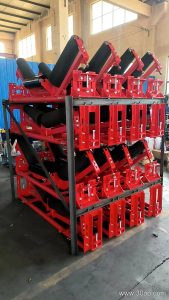
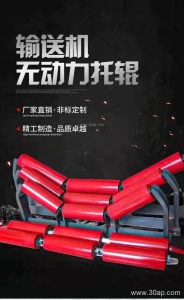
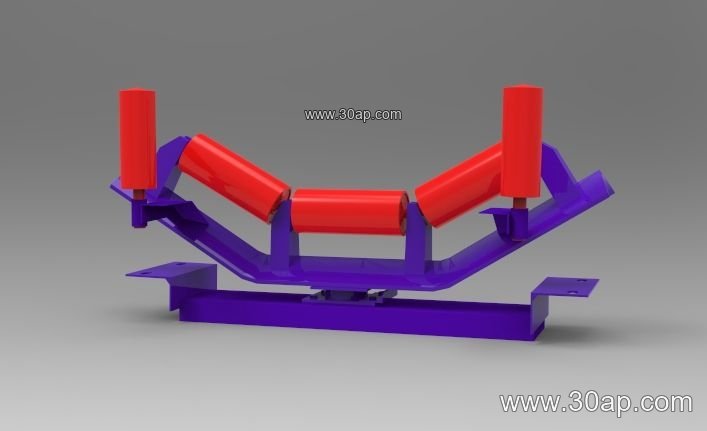
A self-aligning idler bracket is a pivoting support assembly that holds the troughing or return idlers and lets them swing slightly sideways when the belt starts to wander. Instead of fixing the rollers rigidly to the conveyor frame, the bracket is mounted on a vertical pivot, so any lateral force from a misaligned belt produces a small corrective steering action. In a quarry, a cement plant or a power plant coal yard, this simple mechanical behaviour keeps the conveyor belt centred without constant manual adjustment.
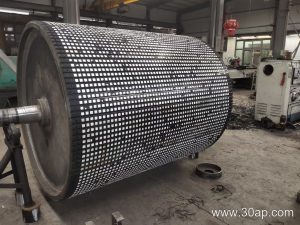
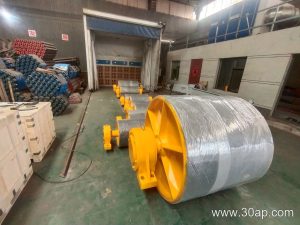
The bracket is not a drive pulley, tail pulley or bend pulley. It is a frame-level component that works together with the idler roller set, the belt and the conveyor bracket that ties the assembly to the stringer. Confusing it with a pulley is a common mistake when specifying replacement parts, because each plays a completely different role in belt tracking and power transmission.
Construction and Mounting
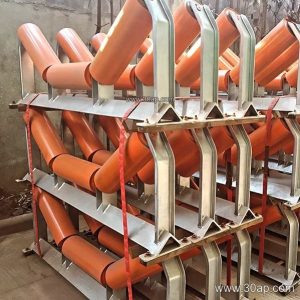
Most units are fabricated from angle steel, channel steel or folded steel plate, then welded into a sturdy sub-frame. A central pivot pin or bearing seat allows the whole idler carrying frame to rotate a few degrees about a vertical axis. Friction discs, stops or limit lugs control how far the frame can swing, so the belt is guided gently rather than jerked back into line.
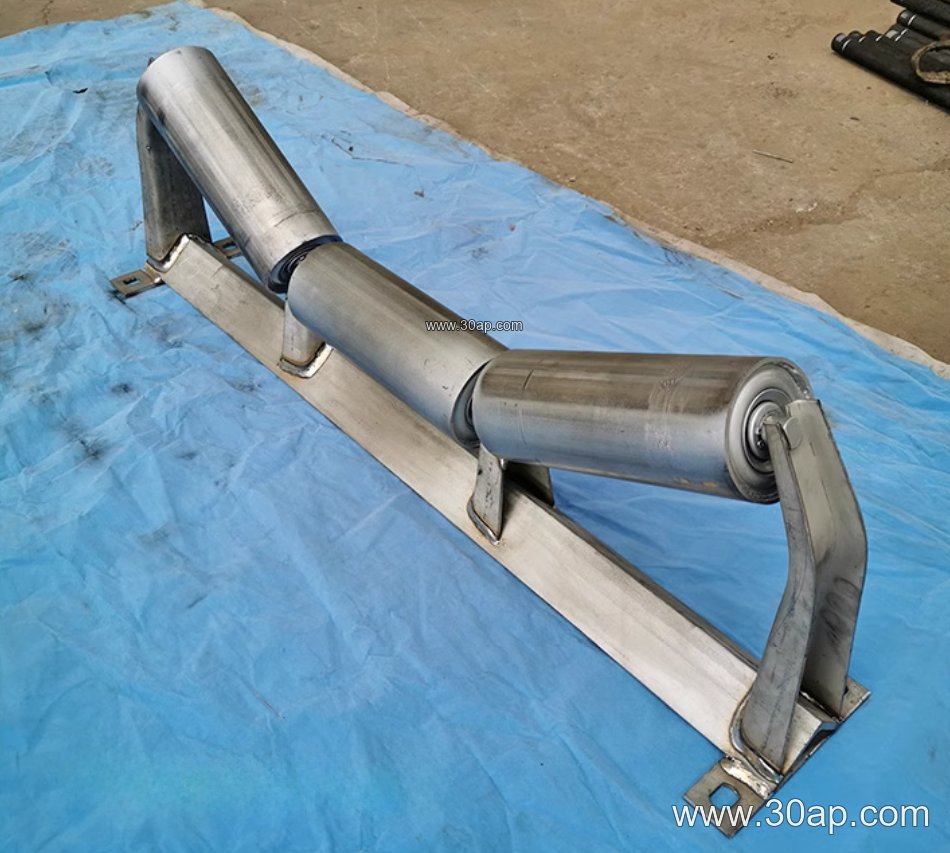
Typical build details include:
- Pivot base plate with grease point or self-lubricating bush
- Carrying cross beam sized to the belt width and trough angle
- Mounting holes matched to the conveyor stringer spacing
- Optional leading-edge rollers set at about 1.5 to 2 degrees forward tilt to encourage centring
Installation is usually on the carrying side, a short distance after the feed point, and on the return side where belt wander is most likely. Alignment of the pivot axis with the belt centre line matters more than bolt torque, because a skewed base will bias the bracket in one direction.
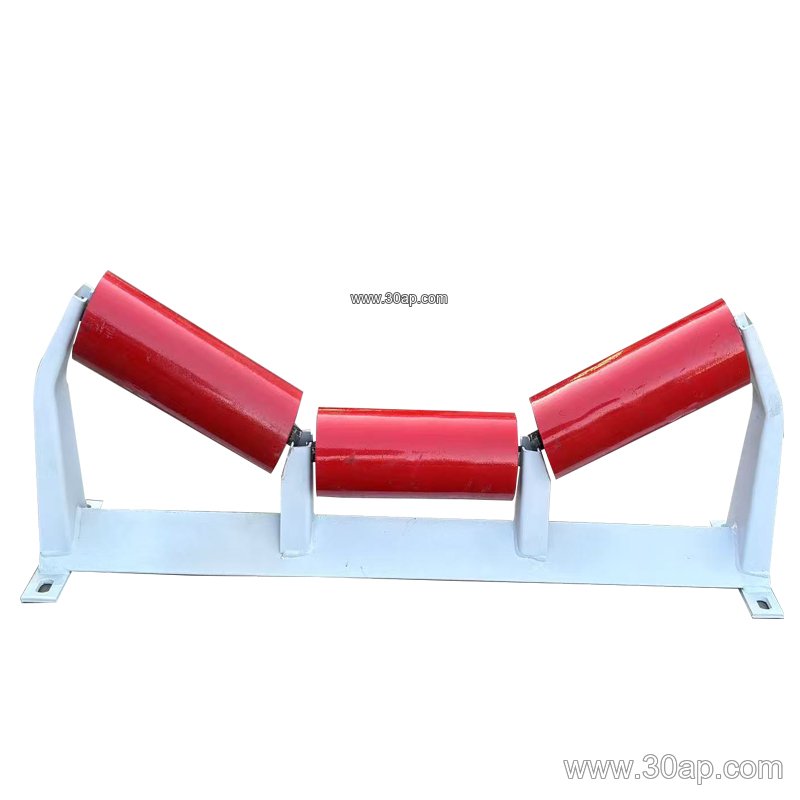
Matching Belt Width, Trough Angle and Roller Diameter
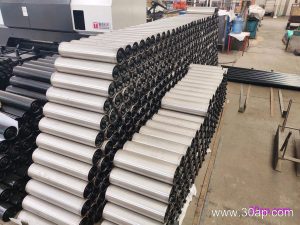
Buyers often ask for a single size, but the correct approach is to match three variables together. Common belt widths include B500, B650, B800, B1000, B1200, B1400, B1600, B1800, B2000, B2200. Trough angles are usually 20, 30, 35 or 45 degrees, and adjustable brackets can move between these angles. Roller diameters commonly seen are Ø89, Ø108, Ø133, Ø159 and Ø194.
Useful reference combinations, always confirmed by design, look like this:
| Belt width | Trough angle | Roller diameter | Typical use |
|---|---|---|---|
| B650 | 30 degrees | Ø89 | Small aggregate or sand line |
| B800 | 35 degrees | Ø108 | Cement plant clinker transfer |
| B1200 | 45 degrees | Ø133 | Iron ore or coal yard main line |
| B1400 | 35 degrees | Ø159 | Power plant coal conveying |
| B1800 | 45 degrees | Ø194 | Heavy-duty bulk terminal |
These are reference values, not fixed pairings. A wider belt can run with a smaller trough angle when material is fine and free-flowing, and the roller diameter should follow load and speed rather than belt width alone. Mounting hole spacing and cross beam length change with belt width and trough angle, so they are determined per design.
Where It Fits on the Conveyor
In a limestone mine or a crushing and screening circuit, a self-aligning bracket is often placed after the loading point, where uneven material discharge pushes the belt off centre. In a steel plant sintering line or a fertilizer plant, the same bracket protects the belt edges from rubbing the frame. It works alongside the conveyor pulley at the head and tail, but it does not replace them.
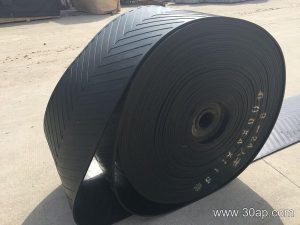
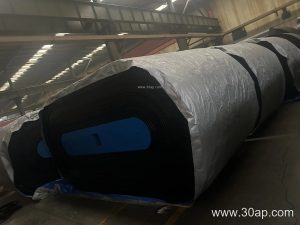
Return-side tracking benefits too. A V-return or flat return bracket with self-aligning action reduces edge wear on long overland runs carrying EP conveyor belt or steel cord belting. For abrasive ore duties, pairing the bracket with an abrasion resistant conveyor belt and well-sealed idler rollers extends service life.
Buyer Checklist
- Confirm belt width, trough angle and roller diameter as a set, not separately
- Check pivot freedom and lubrication before installation
- Verify mounting hole spacing against the existing stringer
- Decide between fixed and adjustable design based on whether tracking needs fine tuning
- Inspect belt edge condition, since a damaged belt will keep forcing the bracket sideways
A well-chosen self-aligning idler bracket is a low-cost way to reduce spillage, edge damage and downtime on belt conveyors handling bulk material.