What Makes a Heavy-Duty Conveyor Belt Different
A heavy-duty conveyor belt is engineered for continuous operation under high impact, abrasion, and heavy loads. Unlike standard belts, it typically combines a robust fabric or steel cord carcass with thick rubber covers, making it suitable for primary crushers, high-tonnage transfer points, and long overland systems. In mining, coal preparation, cement plants, and power stations, this belt keeps material moving where lighter belts would fail prematurely. The same product is often called a heavy-duty conveyor belt or a high-strength conveyor belt, and these terms refer to the same category.
Construction and Key Components
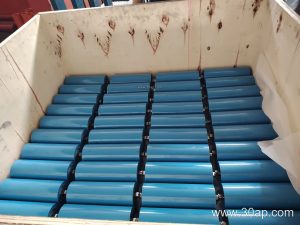
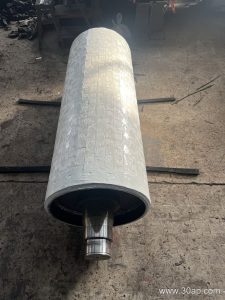
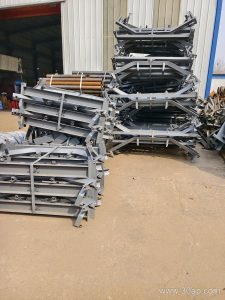
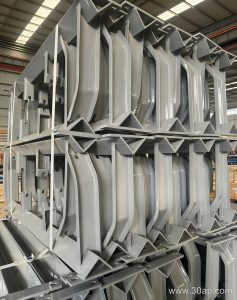
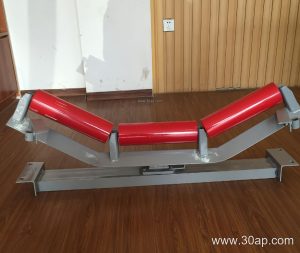
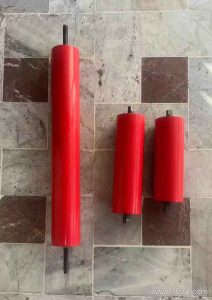
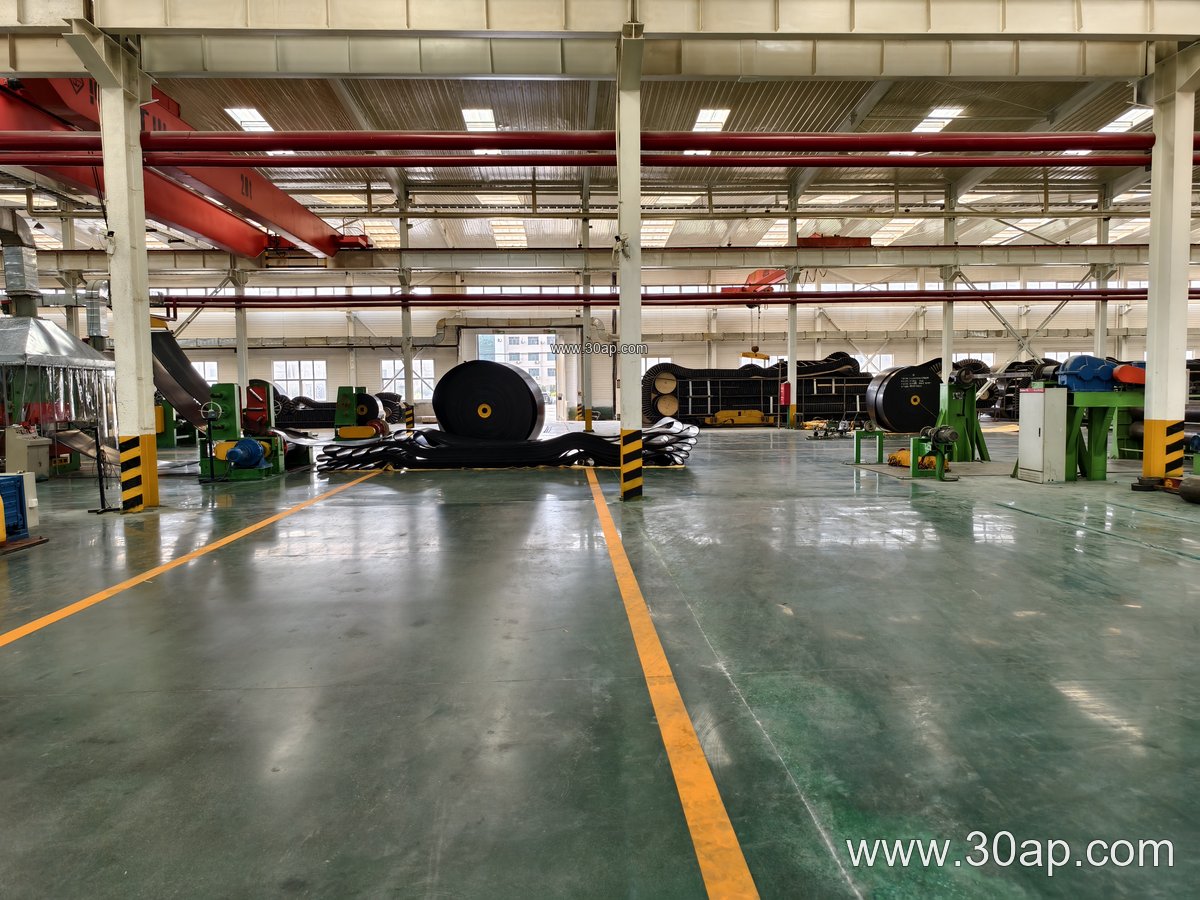
The belt body consists of a carcass and cover rubber. The carcass may be multi-ply fabric (EP or NN) or steel cord, depending on tension and impact requirements. Cover compounds are selected for abrasion, heat, oil, flame, or cold resistance. Edge construction and skim coats between plies influence delamination resistance. A heavy-duty belt works with conveyor pulley assemblies, idler rollers, and conveyor brackets, but the belt itself must match the load profile. Drive pulleys, tail pulleys, and bend pulleys each perform distinct roles and are not interchangeable; the belt design must suit the pulley arrangement, not the other way around.
Common Types and Specifications
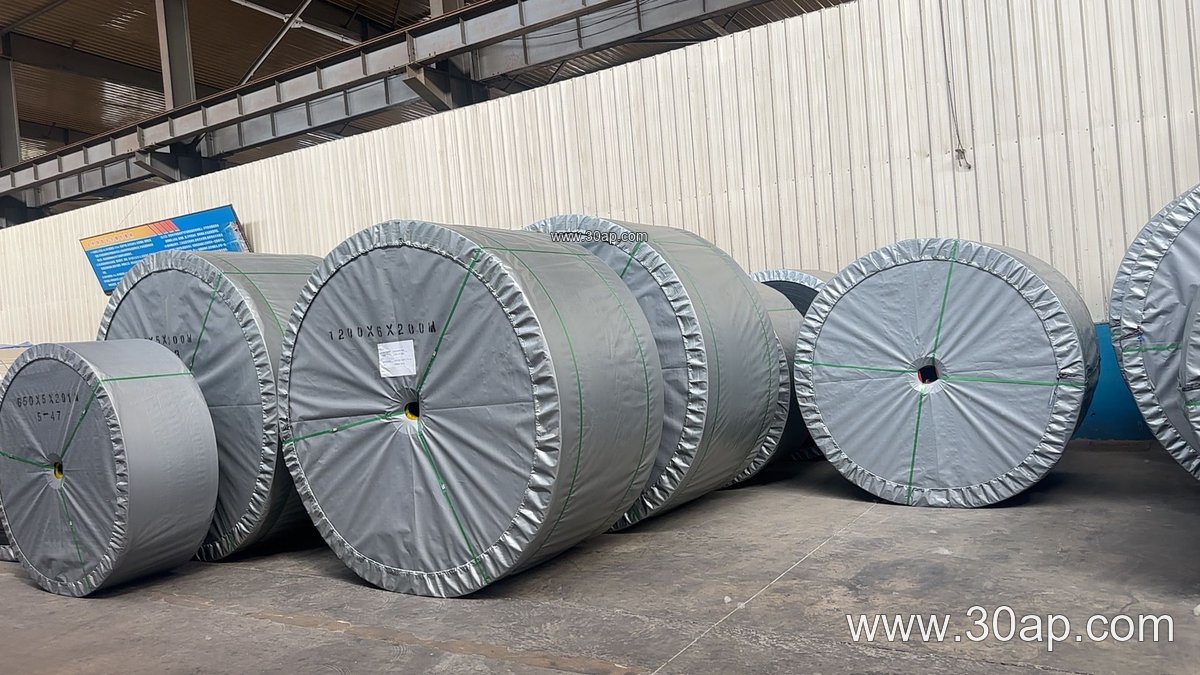
Buyers encounter several carcass options. EP fabric core belts (EP200 to EP2000) offer good flexibility and impact resistance. NN nylon belts provide high elongation and are often used in abrasive conditions. Steel cord belts (ST1000 to ST3150) suit very long runs and high tension. PVC and PVG belts are common in underground coal mining where flame resistance is critical. Cover rubber thickness is usually specified as top + bottom, such as 4+2 mm, 6+2 mm, or 8+3 mm, and carcass plies commonly range from 2 to 6. Belt width is selected according to lump size, capacity, and troughing angle, with common widths including B500, B650, B800, B1000, B1200, B1400, B1600, B1800, and B2000. These values are reference data, not universal rules; final selection depends on system design.
Typical Reference Data
| Parameter | Common Range |
|---|---|
| Fabric core grades | EP200, EP315, EP400, EP500, EP630, EP800, EP1000, EP1250, EP1600, EP2000 |
| Steel cord grades | ST1000, ST1250, ST1600, ST2000, ST2500, ST3150 |
| Belt widths | B500, B650, B800, B1000, B1200, B1400, B1600, B1800, B2000 |
| Cover thickness (top+bottom) | 3+1.5, 4+2, 5+2, 6+2, 8+3 mm |
| Carcass plies (fabric) | 2 to 6 |
Where Heavy-Duty Belts Are Used
These belts appear in primary crushing circuits, stockyard conveyors, ship loading systems, and underground coal mining. In cement plants, they handle clinker and limestone; in power plants, coal and ash; in quarries and aggregate operations, crushed rock and sand. A heavy-duty conveyor belt may also be specified as an abrasion-resistant conveyor belt, heat-resistant conveyor belt, or flame-retardant conveyor belt to match the environment. For underground coal mining, PVG800S and similar grades are common where fire safety is paramount. Chevron or corrugated sidewall belts are separate subtypes used for inclined conveying; they are not replacements for a standard heavy-duty belt on horizontal runs.
Selection and Maintenance Notes
Proper selection starts with the material characteristics: lump size, moisture, temperature, abrasiveness, and chemical exposure. The belt must be compatible with the troughing idlers, pulley diameters, and take-up system. A common mistake is to choose belt width based only on capacity while ignoring impact energy at transfer points; heavy-duty belts often need thicker covers or impact-resistant fabric. During operation, check belt tracking, splice condition, and cover wear. Keep idler rollers turning freely and inspect conveyor pulleys for lagging wear. Conveyor brackets should be checked for alignment. For high-temperature service, verify that the heat-resistant conveyor belt rating matches actual material temperature. For oily environments, an oil-resistant conveyor belt reduces swelling and premature cover failure. Always confirm data with the belt manufacturer, as values vary by design and supplier.
Buyer Checklist
- Confirm carcass type and grade (EP, NN, steel cord) against tension and impact.
- Specify cover thickness and compound for abrasion, heat, oil, or flame resistance.
- Match belt width to lump size and capacity, not to pulley diameter alone.
- Review splice type and compatibility with the conveyor pulley system.
- Plan regular inspection of belt edges, covers, and splice integrity.
For more information on heavy-duty conveyor belts and related components, explore our rubber conveyor belt range and EP conveyor belt options, or contact our team for application-specific guidance.